Identification and functional analysis of a novel TRAPPC2 intronic variant in a four-generation Chinese pedigree with SEDT
Yongfen Lyu, Wuhen Xu, Bin Xu, Xiaojun Tang, Man Xiao, Xiaoping Lan, Yongchen Yang, Xiaozhen Song, Shengnan Wu

TL;DR
A new TRAPPC2 gene variant causing short stature was identified in a Chinese family, showing how it disrupts protein production and affects genetic counseling.
Contribution
A novel intronic TRAPPC2 variant was identified and functionally validated as pathogenic in X-linked spondyloepiphyseal dysplasia tarda.
Findings
The TRAPPC2 variant c.94–11C>G causes abnormal splicing and frameshift insertion.
The variant leads to loss of TRAPPC2 protein expression in vitro.
This variant expands the genetic spectrum of X-linked spondyloepiphyseal dysplasia tarda.
Abstract
Pathogenic variants in the trafficking protein particle complex subunit 2 (TRAPPC2) gene are known to cause X-linked spondyloepiphyseal dysplasia tarda (X-linked SEDT), a rare hereditary cause of childhood short stature. Genetic diagnosis is critical in early diagnosis and management of the disease. Majority of the pathogenic variants are predicted to cause premature truncation. However, few have been functionally studied. In this study, we reported a Chinese pedigree with multiple affected remarkably short stature males and described the novel variant by in-vitro functional study. To complete precise molecular diagnosis and subsequent genetic counseling of a large Chinese pedigree with remarkably short stature. Trio whole exome sequencing was performed on the proband and his parents and phenotype-driven data analysis was conducted. The potentially pathogenic variant was verified by…
Genes, proteins, chemicals, diseases, species, mutations and cell lines named across the full text — each resolved to its canonical identifier and authoritative record.
Click any figure to enlarge with its caption.
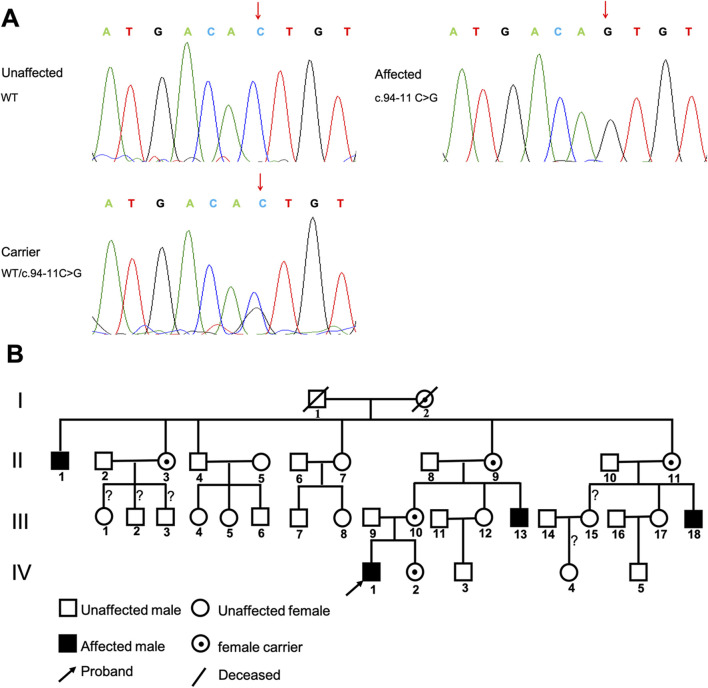 Figure 1
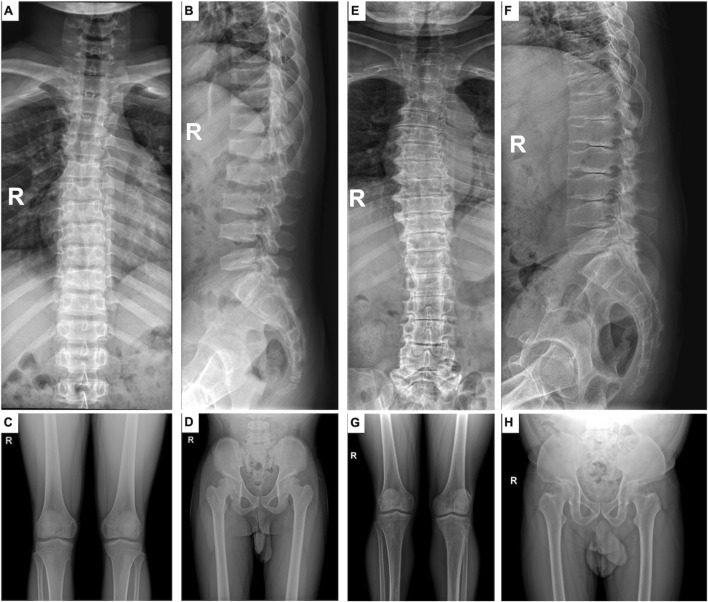 Figure 2
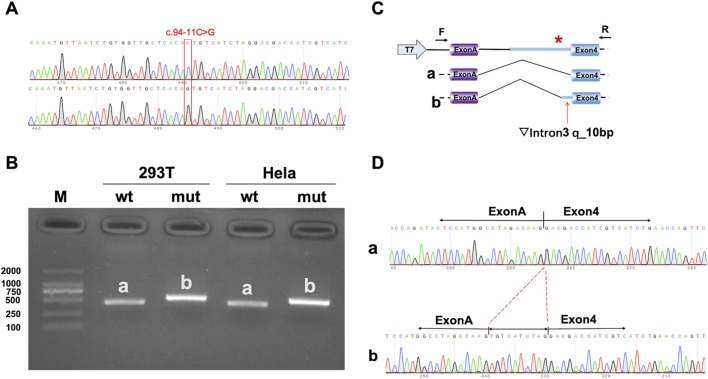 Figure 3
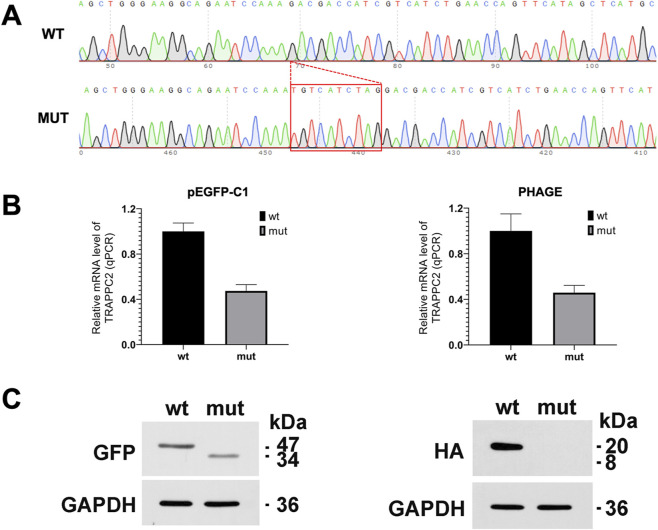 Figure 4
Peer Reviews
No public reviews on file for this paper yet. If you reviewed it on a platform where reviews are public (OpenReview, ICLR, NeurIPS, ICML), you can paste yours below so the community can read it here.
Videos
No videos yet. Explain this paper in a talk, walkthrough, or lecture? Add one.
Taxonomy
TopicsConnective tissue disorders research · Cellular transport and secretion · Protein Kinase Regulation and GTPase Signaling