A curated dataset of multi-channel TV program schedules for optimization and benchmarking
Kadri Sylejmani, Shefket Bylygbashi, Uran Lajçi, Zenun Kastrati

TL;DR
This paper introduces a curated dataset of TV schedules for benchmarking and optimizing scheduling algorithms.
Contribution
The paper provides a standardized dataset of 515 TV scheduling instances from multiple sources for algorithm benchmarking.
Findings
The dataset includes program schedules converted into a consistent format with time consistency.
Each instance includes constraints and quality scores for algorithm testing.
The dataset supports benchmarking optimization methods and constraint-based scheduling.
Abstract
This article presents a collection of 515 Smart TV scheduling instances from three public sources: IPTV EPG broadcast listings, EPG.PW program guides, and upcoming YouTube livestream schedules obtained through the YouTube Data API. The data were collected and processed using automated Python scripts that download program information, convert it into a standard format, and remove entries with missing or invalid time information. All times are recorded as minutes from the start of each scheduling period to ensure consistency across different sources. Each instance is stored as a JSON file with a consistent structure. Each file contains the scheduling period (start and end times), channel information, program time slots that don't overlap, program categories, and quality scores from 0 to 100 for each program. Instances also include two types of constraints: strict rules that specify which…
Genes, proteins, chemicals, diseases, species, mutations and cell lines named across the full text — each resolved to its canonical identifier and authoritative record.
Click any figure to enlarge with its caption.
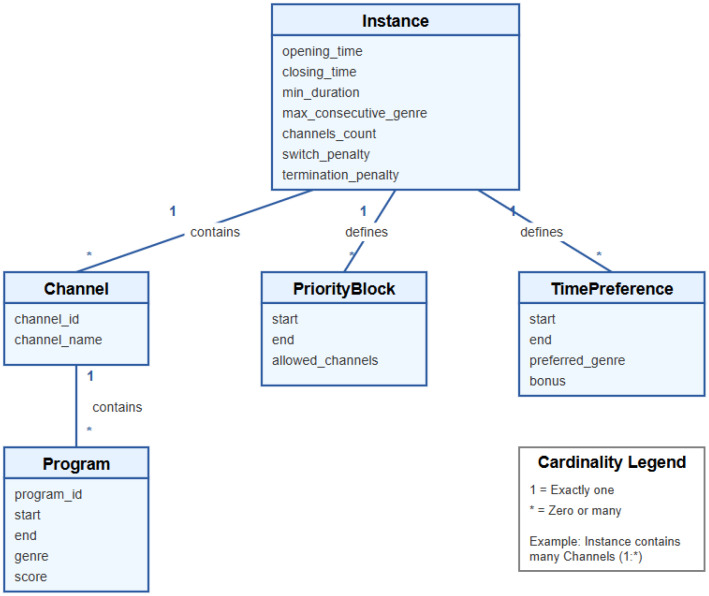 Figure 1
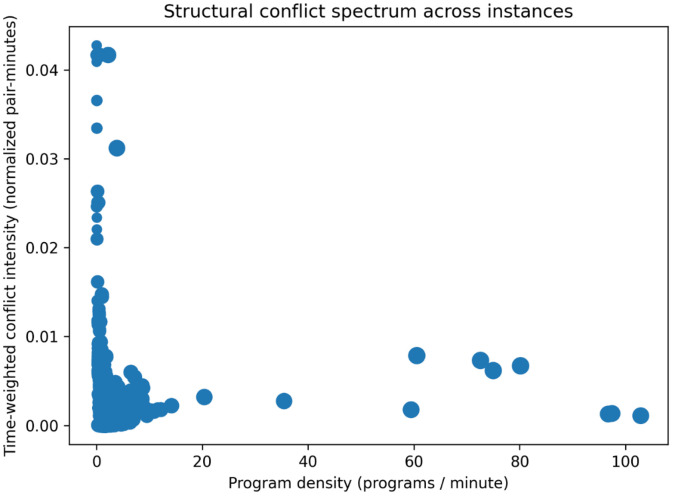 Figure 2
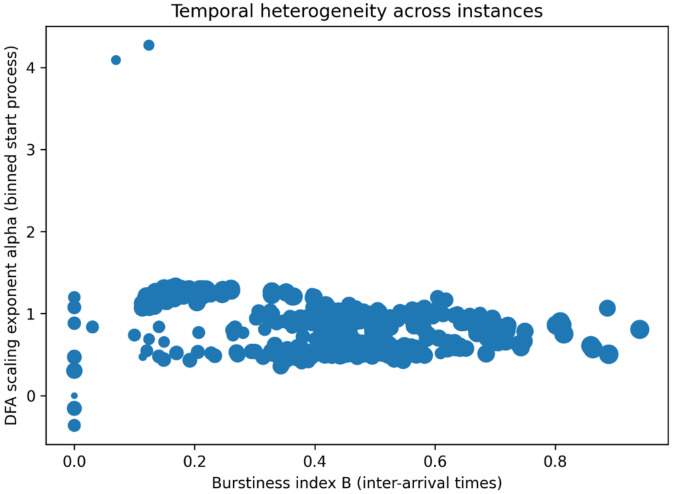 Figure 3
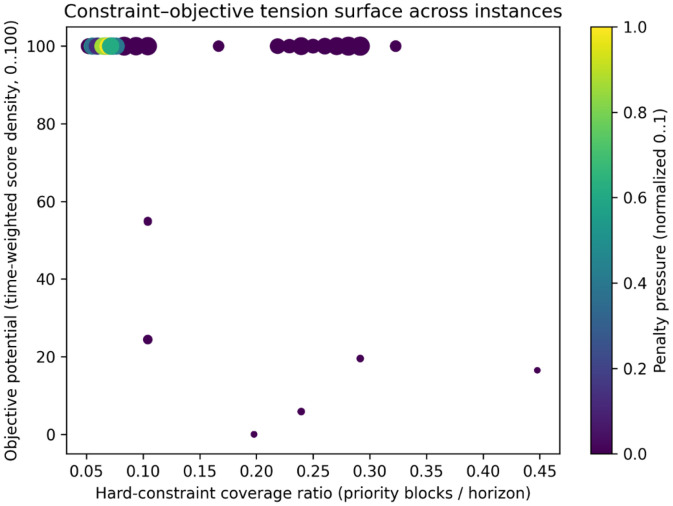 Figure 4
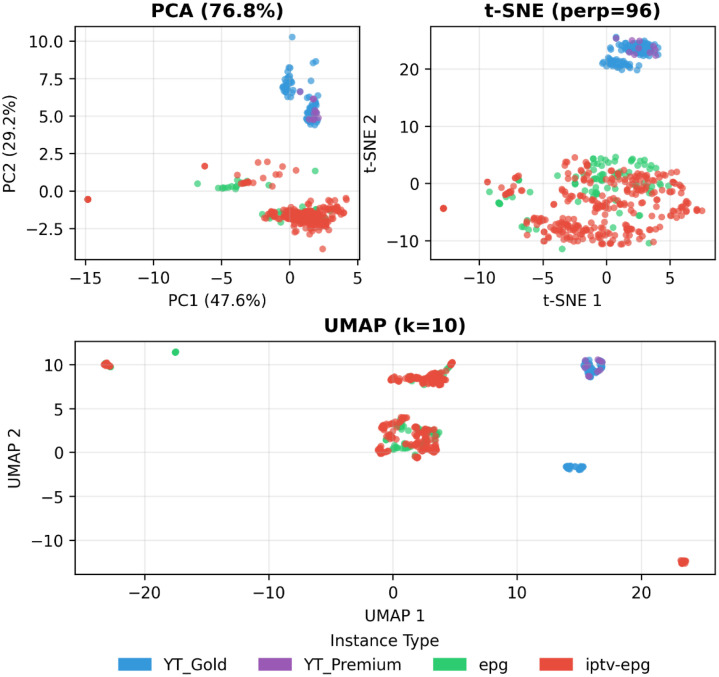 Figure 5
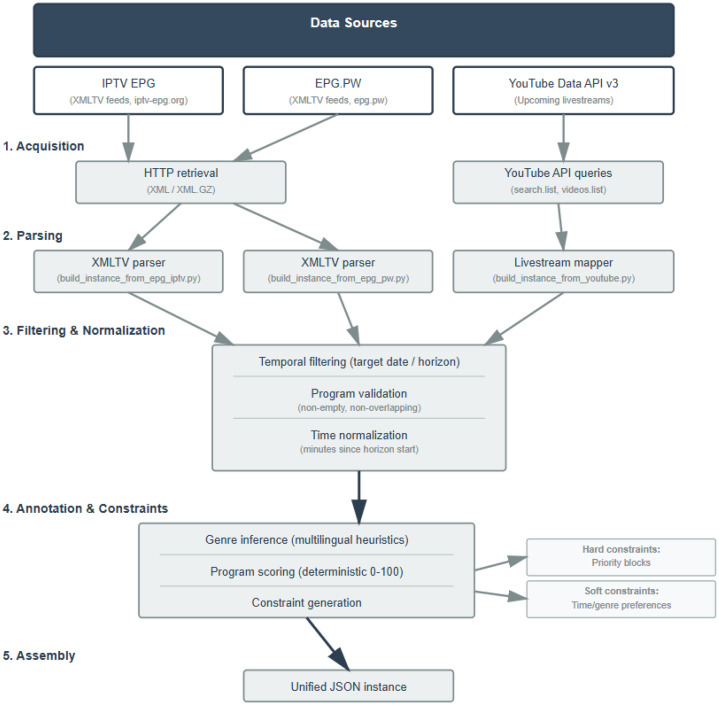 Figure 6
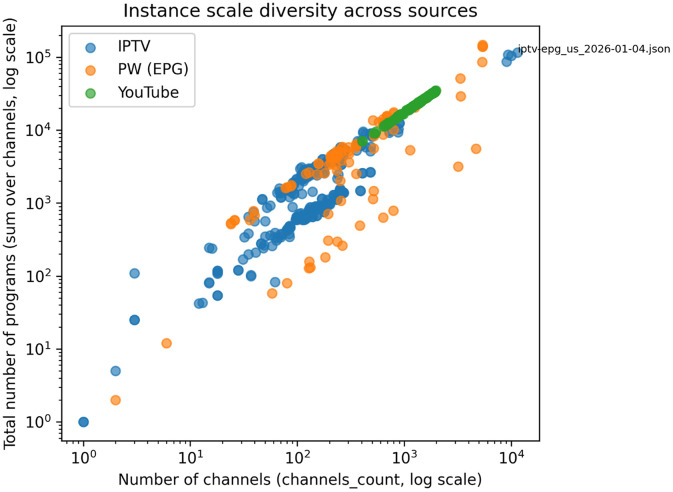 Figure 7
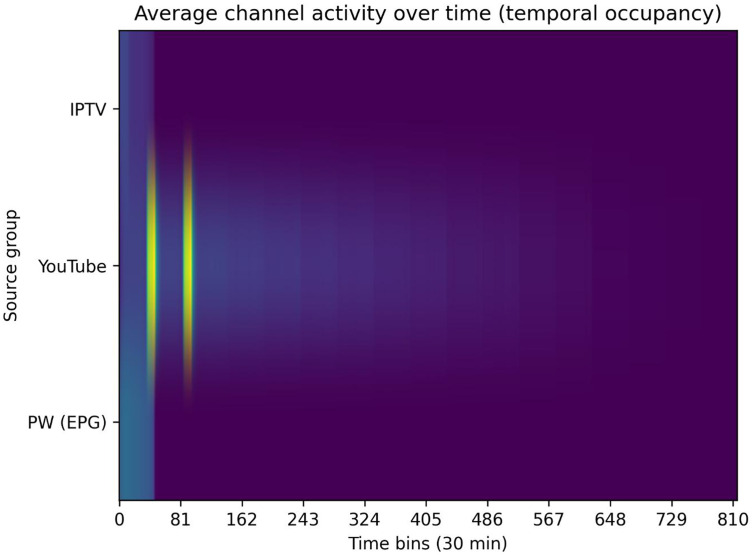 Figure 8
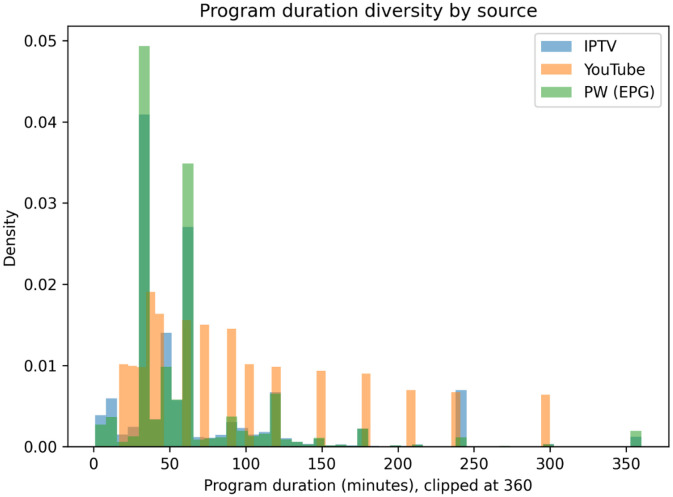 Figure 9
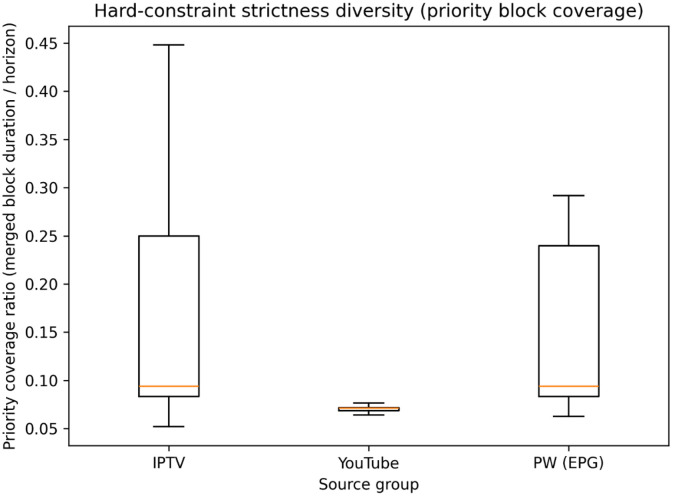 Figure 10
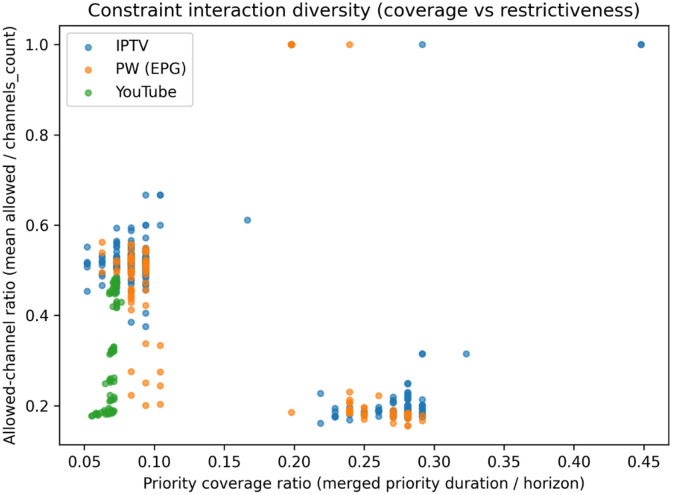 Figure 11
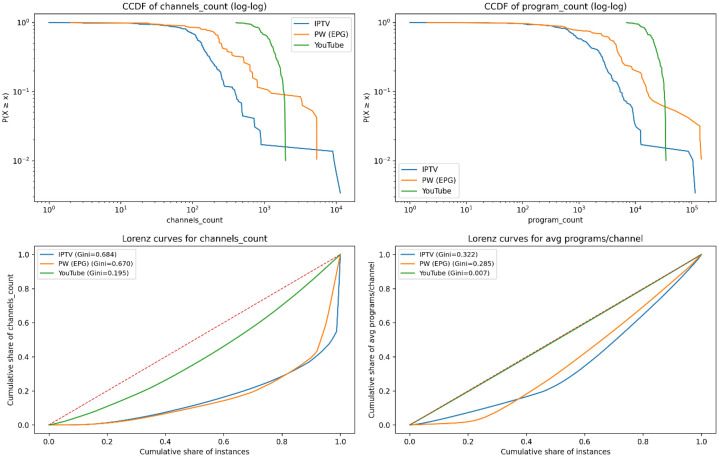 Figure 12
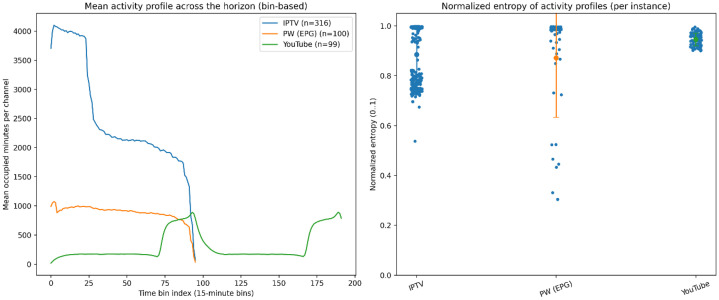 Figure 13
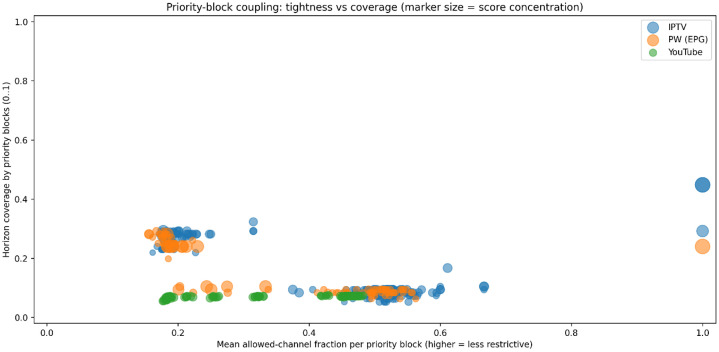 Figure 14
Peer Reviews
No public reviews on file for this paper yet. If you reviewed it on a platform where reviews are public (OpenReview, ICLR, NeurIPS, ICML), you can paste yours below so the community can read it here.
Videos
No videos yet. Explain this paper in a talk, walkthrough, or lecture? Add one.
Taxonomy
TopicsMultimedia Communication and Technology · Image and Video Quality Assessment · Video Coding and Compression Technologies