EpCAM–PSMA: Potential predictors of treatment outcomes for PSMA-targeted alpha therapies in metastatic castration-resistant prostate cancer
Gábor Bakos, Ulrike Bauder-Wüst, Jonathan Landry, Mareike Roscher, Beáta Ramasz, Frank Bruchertseifer, Alfred Morgenstern, Clemens Kratochwil, Vladimír Beneš, Martina Benešová-Schäfer

TL;DR
This study identifies EpCAM and PSMA as potential biomarkers for predicting treatment response in prostate cancer patients undergoing PSMA-targeted therapies.
Contribution
The study reveals dynamic changes in EpCAM and PSMA levels on circulating tumor cells as predictive biomarkers for therapy resistance in mCRPC.
Findings
Nonresponders had higher EpCAM and lower PSMA levels compared to responders at baseline and after treatment.
Responder CTCs maintained EpCAM but progressively lost PSMA over treatment cycles.
Transcriptome analysis linked EpCAM-PSMA dynamics to DNA repair and anti-apoptotic pathways contributing to resistance.
Abstract
Targeted radionuclide therapy and targeted alpha therapy directed at prostate-specific membrane antigen (PSMA) represent emerging treatment modalities for metastatic castration-resistant prostate cancer (mCRPC). However, therapeutic resistance remains a significant barrier to their clinical success. We discovered that dynamic changes in cell surface levels of epithelial cell adhesion molecule (EpCAM) and PSMA can serve as predictive biomarkers in late-stage mCRPC patients treated with the beta-minus-particle-emitting [177Lu]Lu-PSMA-617, in combination with the alpha-particle-emitting [225Ac]Ac-PSMA-617, and we further explored the underlying molecular mechanisms. Using flow cytometry to profile EpCAM and PSMA on circulating tumor cells (CTCs), we observed that Nonresponders displayed significantly higher EpCAM and lower PSMA levels than Responders, both at baseline and after the first…
Genes, proteins, chemicals, diseases, species, mutations and cell lines named across the full text — each resolved to its canonical identifier and authoritative record.
Click any figure to enlarge with its caption.
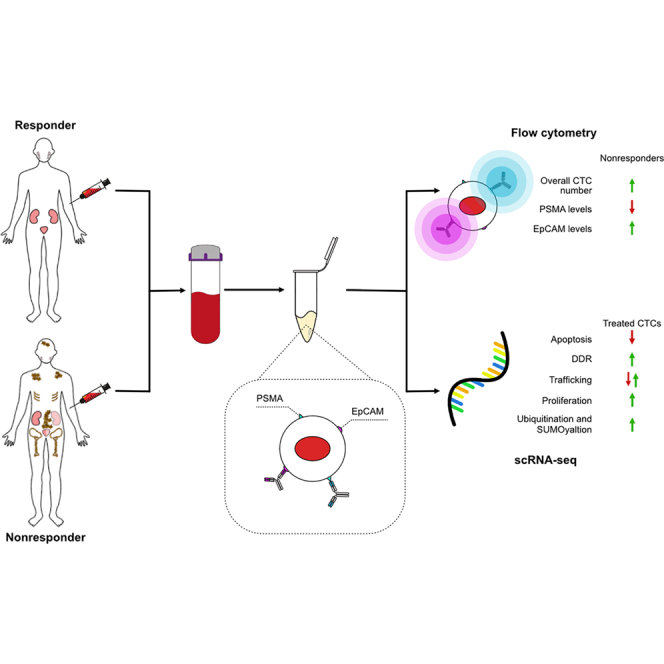 Figure 1
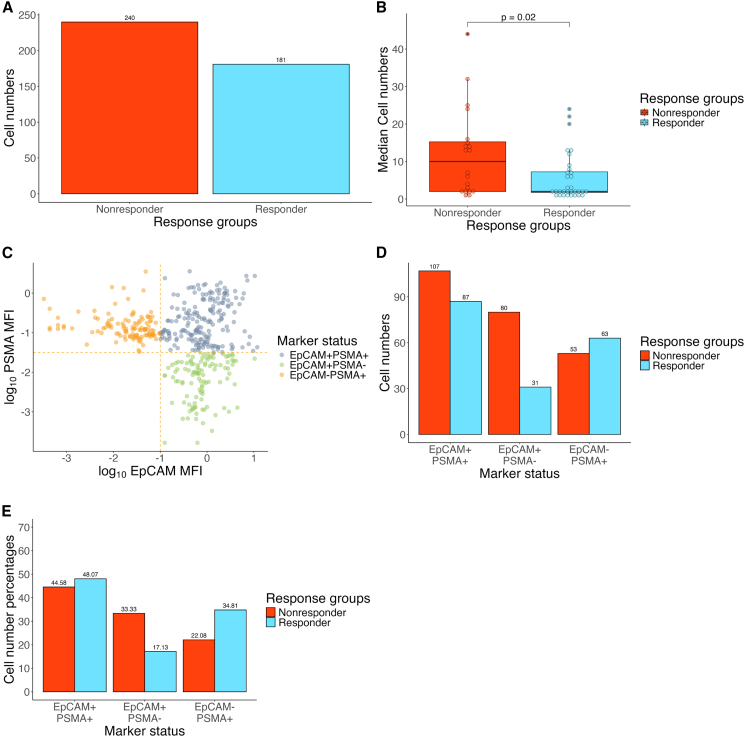 Figure 2
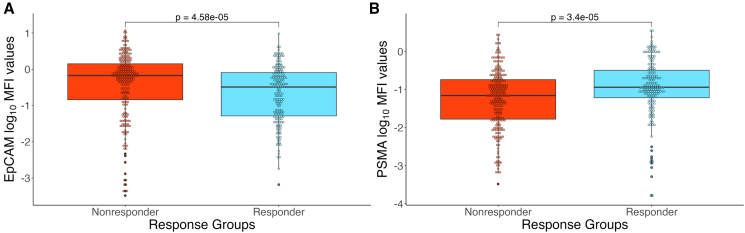 Figure 3
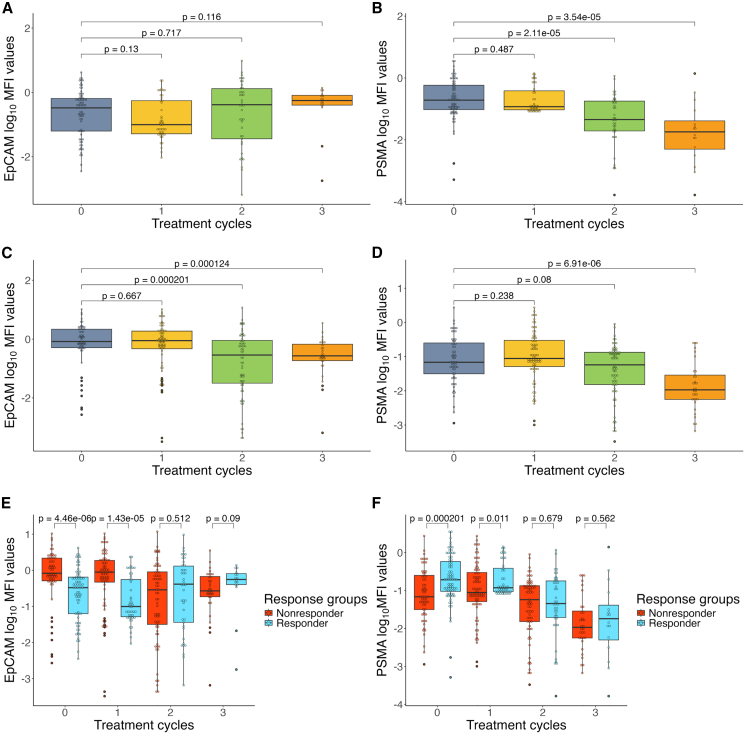 Figure 4
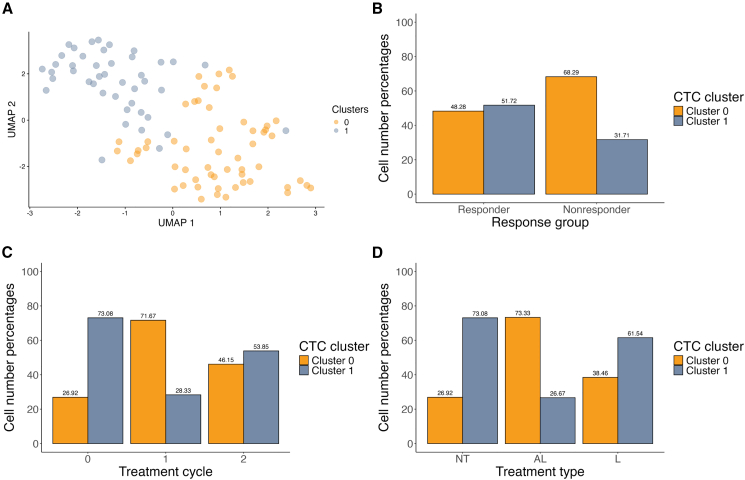 Figure 5
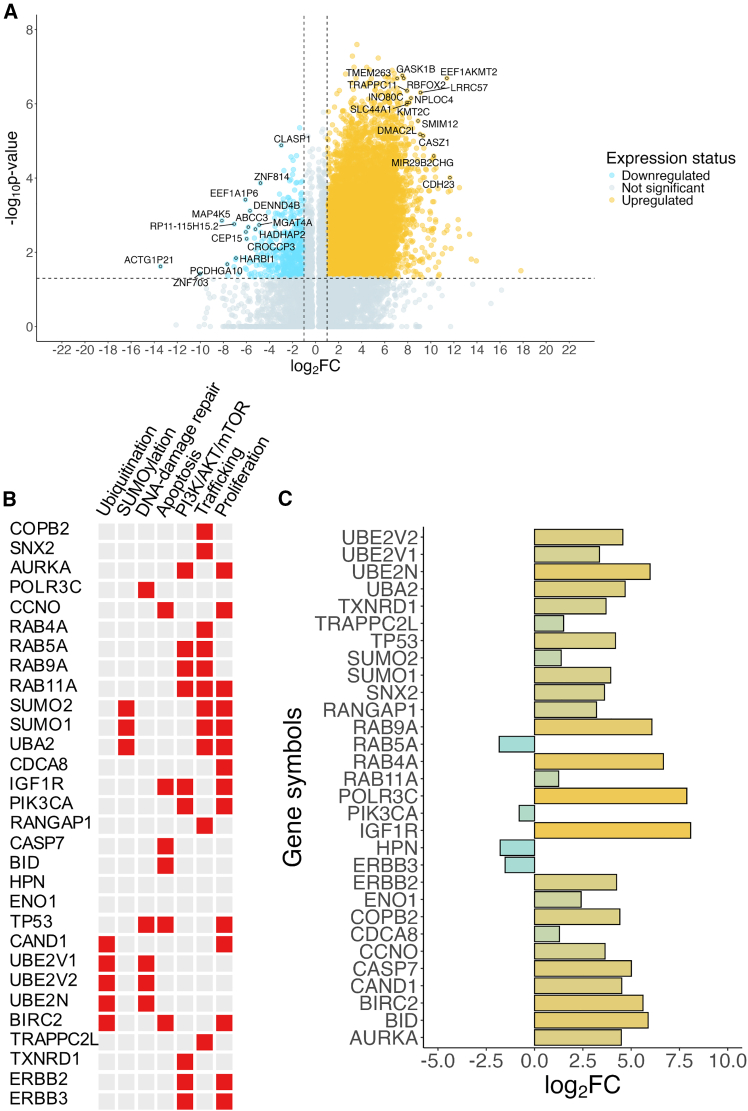 Figure 6
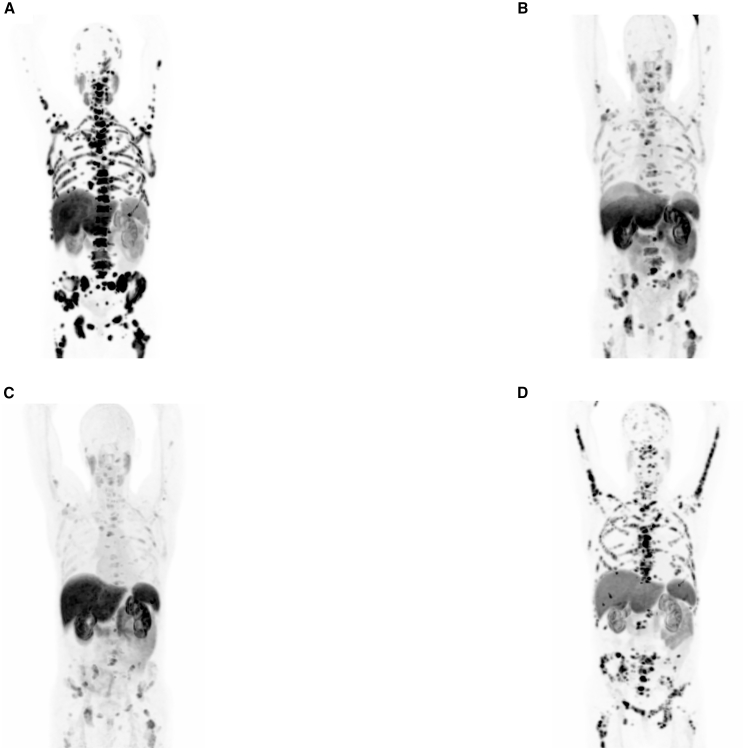 Figure 7
Peer Reviews
No public reviews on file for this paper yet. If you reviewed it on a platform where reviews are public (OpenReview, ICLR, NeurIPS, ICML), you can paste yours below so the community can read it here.
Videos
No videos yet. Explain this paper in a talk, walkthrough, or lecture? Add one.
Taxonomy
TopicsProstate Cancer Treatment and Research · Radiopharmaceutical Chemistry and Applications · Prostate Cancer Diagnosis and Treatment