Clinicopathological and functional evaluation of replication protein A in epithelial ovarian cancers: A target validation study
Mashael Algethami, Amera Sheha, Nehal Singhania, Shatha Alqahtani, Ahmed Shoqafi, Çağla Tosun, Jake Spicer, Michael S Toss, Adel Alblihy, Ayat Lashen, Jennie N Jeyapalan, Nigel P Mongan, Emad A Rakha, Srinivasan Madhusudan

TL;DR
This study shows that high levels of RPA in ovarian cancer are linked to aggressive disease and drug resistance, and reducing RPA makes cancer cells more sensitive to treatment.
Contribution
The study validates RPA as a potential therapeutic target in high-grade serous ovarian cancer.
Findings
High RPA1 and RPA2 levels correlate with advanced stage, platinum resistance, and worse survival in ovarian cancer.
Reducing RPA increases sensitivity to platinum and PARP inhibitors in preclinical models.
HAMNO, an RPA inhibitor, shows cytotoxic effects in both sensitive and resistant cancer cells.
Abstract
•Replication Protein A (RPA), a single-stranded DNA (ssDNA)-binding protein is critically involved in DNA replication, checkpoint regulation and DNA repair.•Comprehensive protein and transcriptomic evaluation show that RPA overexpression is linked with aggressive ovarian cancer and platinum resistance.•RPA depletion promoted platinum and PARP inhibitor sensitivity. Replication Protein A (RPA), a single-stranded DNA (ssDNA)-binding protein is critically involved in DNA replication, checkpoint regulation and DNA repair. Comprehensive protein and transcriptomic evaluation show that RPA overexpression is linked with aggressive ovarian cancer and platinum resistance. RPA depletion promoted platinum and PARP inhibitor sensitivity. Replication Protein A (RPA), a single-stranded DNA (ssDNA)-binding protein is critically involved in DNA replication, checkpoint regulation and DNA repair. We…
Genes, proteins, chemicals, diseases, species, mutations and cell lines named across the full text — each resolved to its canonical identifier and authoritative record.
Click any figure to enlarge with its caption.
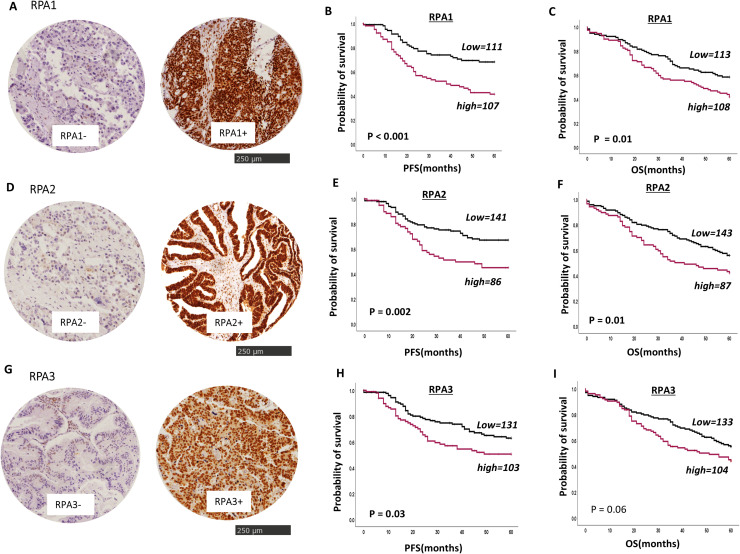 Figure 1
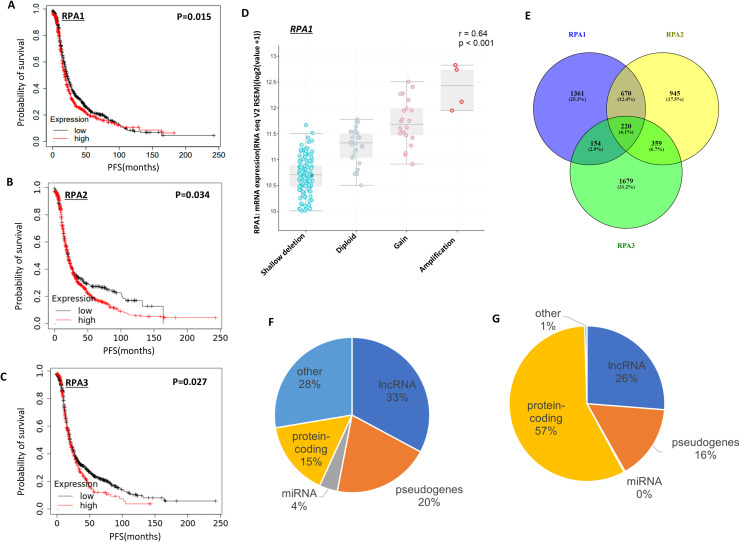 Figure 2
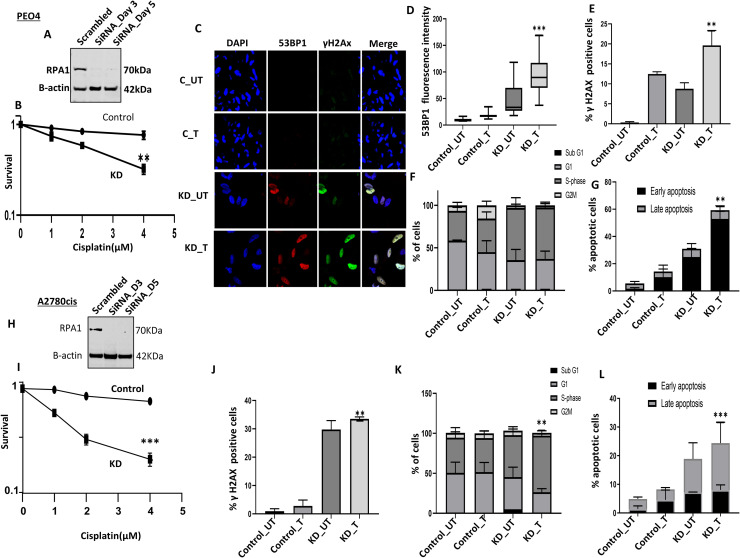 Figure 3
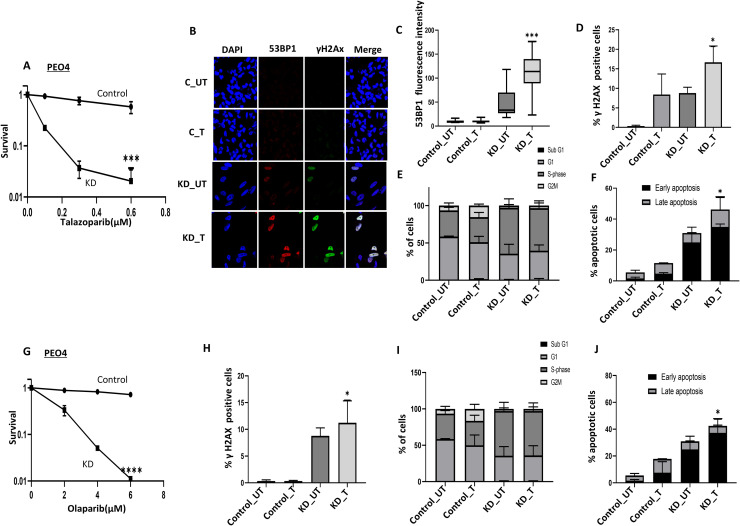 Figure 4
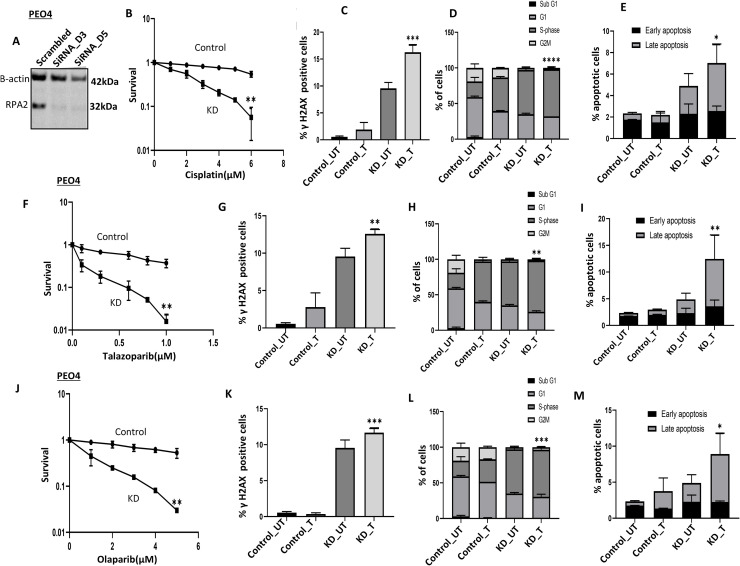 Figure 5
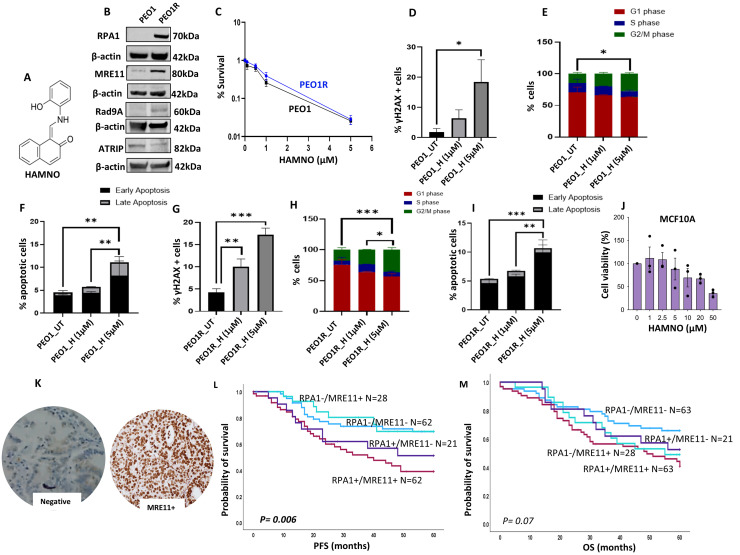 Figure 6
Peer Reviews
No public reviews on file for this paper yet. If you reviewed it on a platform where reviews are public (OpenReview, ICLR, NeurIPS, ICML), you can paste yours below so the community can read it here.
Videos
No videos yet. Explain this paper in a talk, walkthrough, or lecture? Add one.
Taxonomy
TopicsDNA Repair Mechanisms · PARP inhibition in cancer therapy · Genetic factors in colorectal cancer