Discovery of tissue-specific proteomic signatures in juvenile dermatomyositis highlights pathways reflecting persistent disease activity, clinical heterogeneity, and myositis-specific autoantibody subtype
Jessica Neely, Sara E. Sabbagh, Jeffrey Dvergsten, Chioma Madubata, Celine C. Berthier, Zilan Zheng, Christine Goudsmit, Sophia Matossian, Sean P. Ferris, Gabriela K. Fragiadakis, Marina Sirota, J. Michelle Kahlenberg, Hanna Kim, Jessica L. Turnier

TL;DR
This study identifies unique protein patterns in juvenile dermatomyositis patients, revealing immune and tissue-specific disease mechanisms linked to autoantibody subtypes.
Contribution
The study discovers proteomic signatures specific to tissues and autoantibody subtypes in juvenile dermatomyositis, offering new insights into disease mechanisms.
Findings
Persistent innate immune activation and redox signaling persist despite treatment in juvenile dermatomyositis.
Endothelial cell markers are overrepresented in disease activity and expressed in muscle and skin of JDM patients.
MSA subtypes correlate with distinct pathways, such as angiogenesis in NXP2+ and interferon signaling in MDA5+ cases.
Abstract
Juvenile dermatomyositis (JDM) is a heterogeneous autoimmune condition needing targeted treatment approaches and improved understanding of molecular mechanisms driving clinical phenotypes. We utilised exploratory proteomics from a longitudinal North American cohort of patients with new-onset JDM to identify biological pathways at disease onset and follow-up, tissue-specific disease activity, and myositis-specific autoantibody (MSA) status. We measured 3072 plasma proteins (Olink panel) in 56 patients with JDM within 12 weeks of starting treatment (from the Childhood Arthritis and Rheumatology Research Alliance Registry and 3 additional sites) and 8 paediatric controls. Twenty-four patients with JDM who had 6-month follow-up samples were assessed. We identified differentially expressed proteins (DEPs) between groups by fitting linear mixed effects models and associated DEPs with…
Genes, proteins, chemicals, diseases, species, mutations and cell lines named across the full text — each resolved to its canonical identifier and authoritative record.
Click any figure to enlarge with its caption.
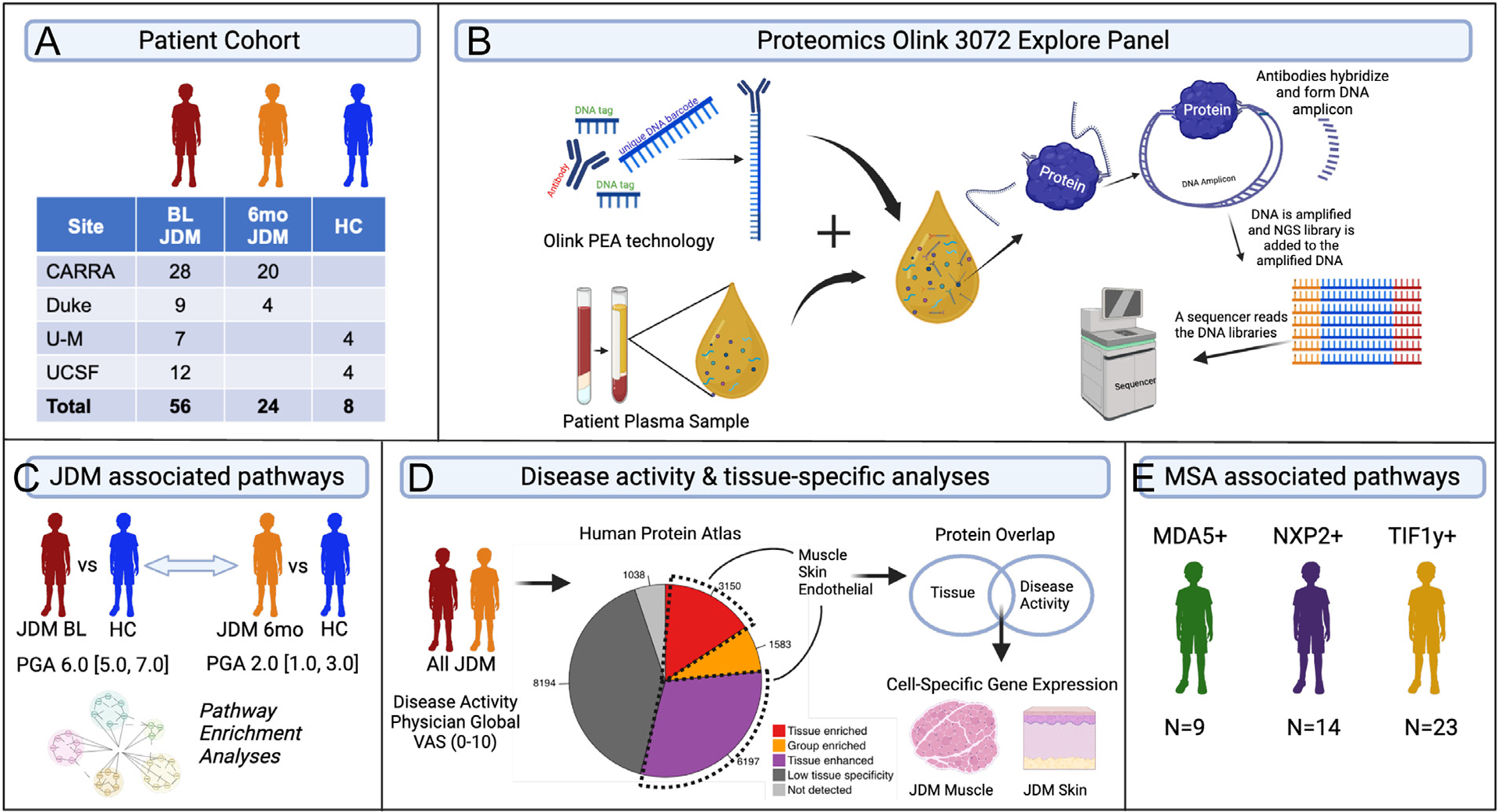 Figure 1
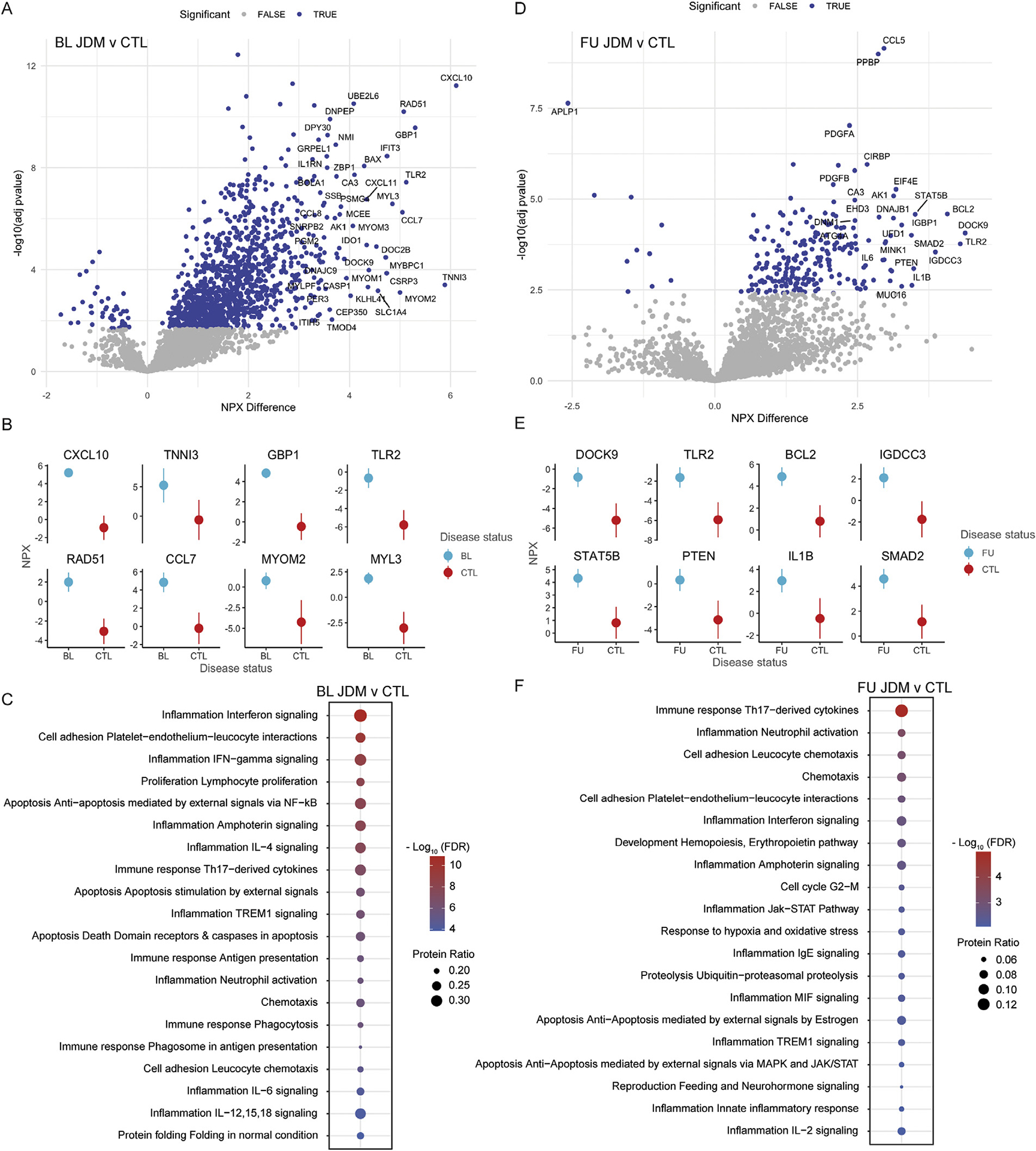 Figure 2
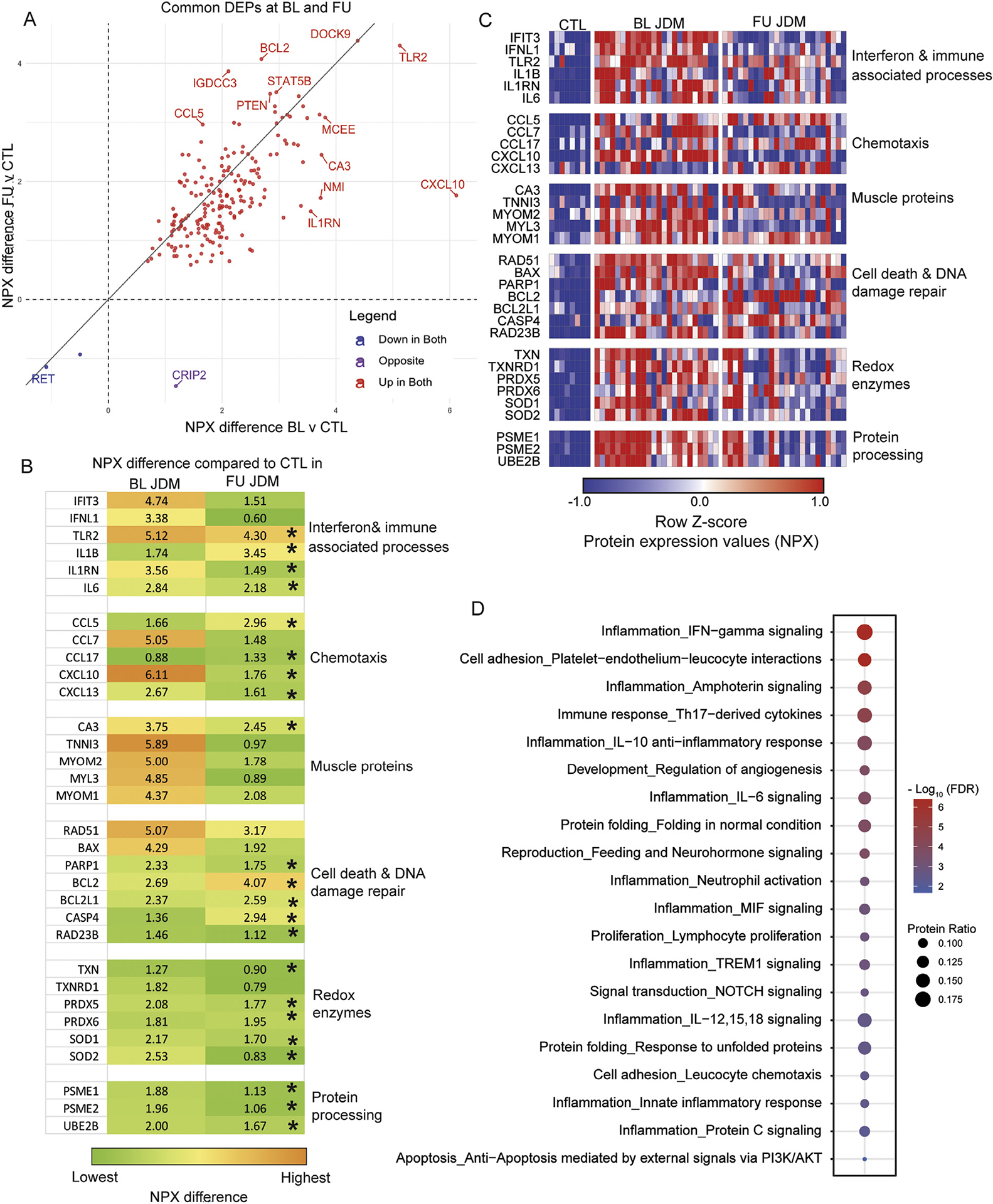 Figure 3
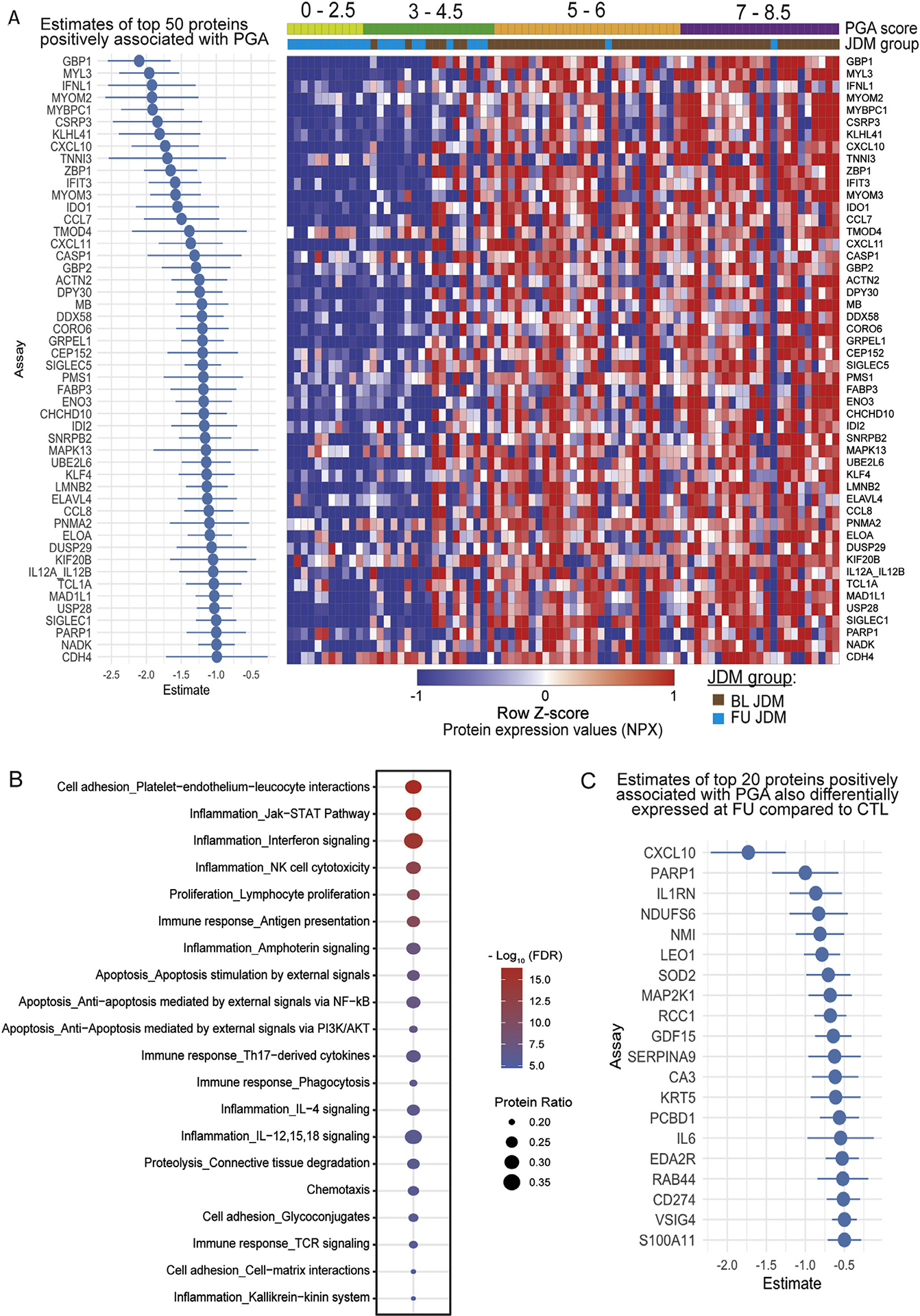 Figure 4
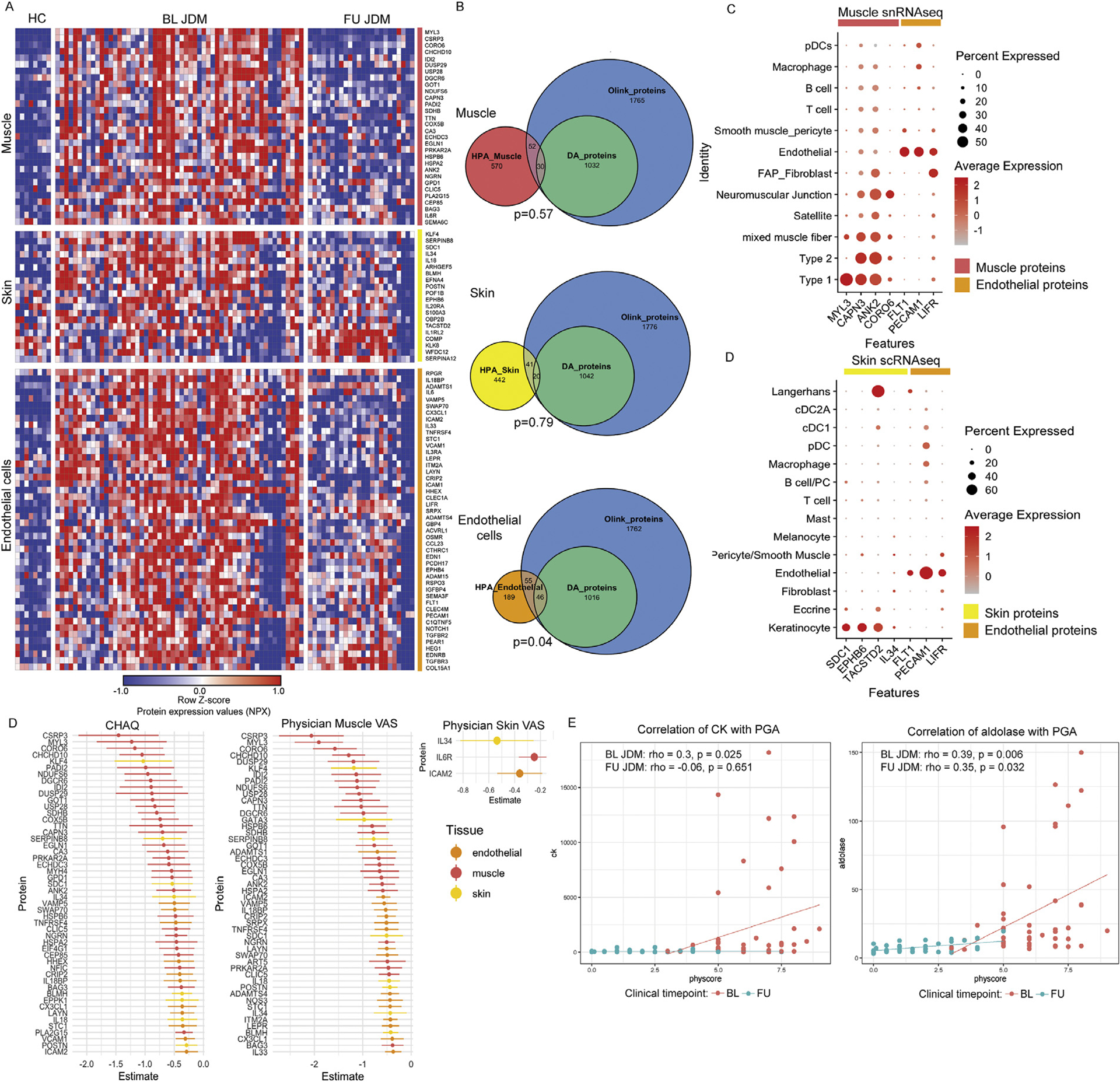 Figure 5
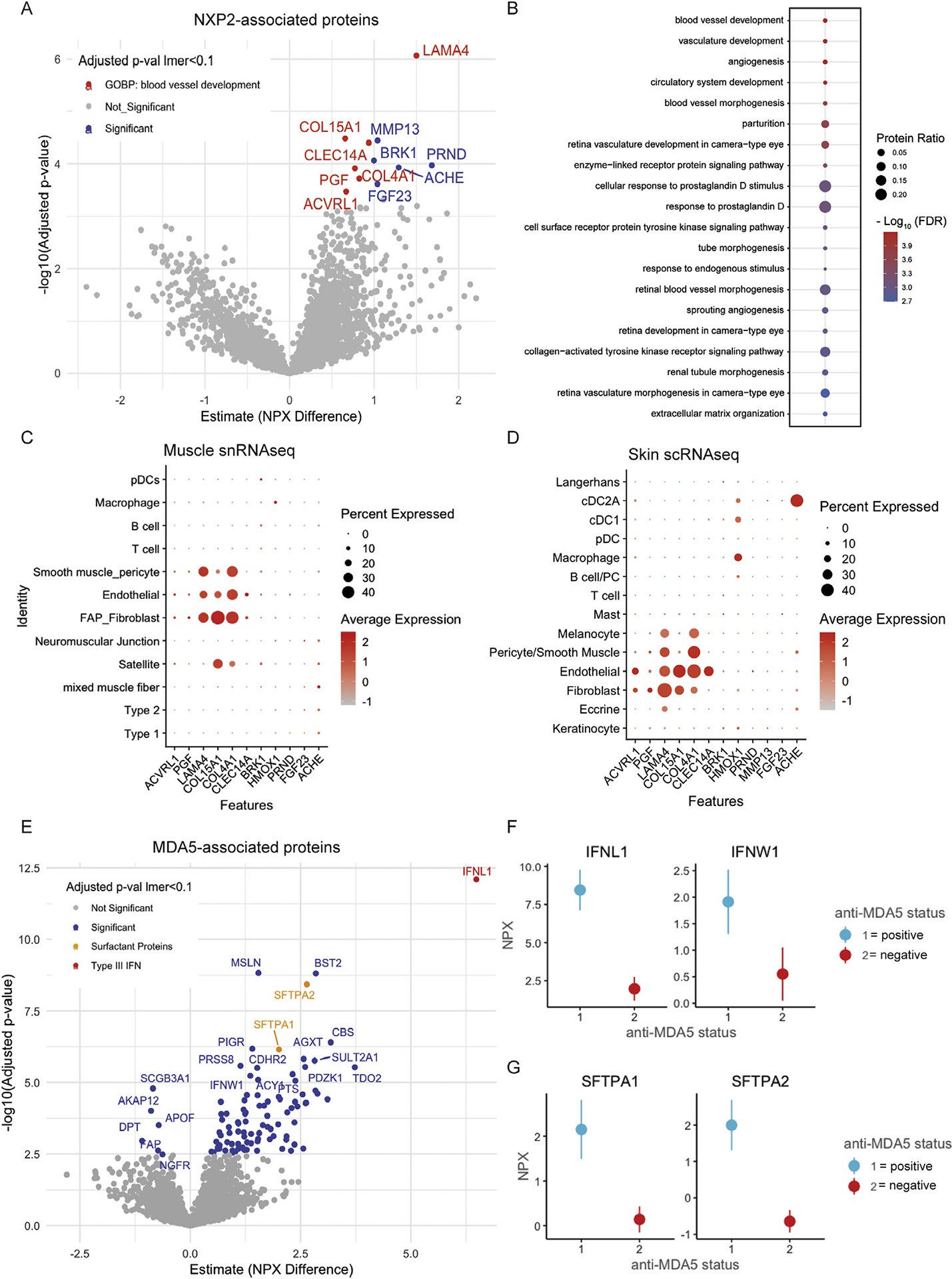 Figure 6
Peer Reviews
No public reviews on file for this paper yet. If you reviewed it on a platform where reviews are public (OpenReview, ICLR, NeurIPS, ICML), you can paste yours below so the community can read it here.
Videos
No videos yet. Explain this paper in a talk, walkthrough, or lecture? Add one.
Taxonomy
TopicsInflammatory Myopathies and Dermatomyositis · Muscle Physiology and Disorders · Skin and Cellular Biology Research