Spinal cord protection by epidural separation during vertebral cryoablation for metastatic spine disease: A proof-of-concept preclinical study
Takaaki Uto, Satoshi Kato, Noriaki Yokogawa, Takaki Shimizu, Motoya Kobayashi, Satoshi Nagatani, Masafumi Kawai, Yuji Ishino, Kazuhiro Nanpo, Megumu Kawai, Satoru Demura

TL;DR
This study explores how creating space between the spinal cord and a treatment area can reduce the risk of nerve damage during a procedure called cryoablation for spinal tumors.
Contribution
The study introduces a novel preclinical approach to assess the thermal and neurophysiological effects of epidural separation during vertebral cryoablation.
Findings
Greater epidural separation distance was associated with warmer temperatures near the spinal cord during cryoablation.
A 5-mm separation improved short-term nerve function recovery compared to a 2-mm separation.
In vitro experiments confirmed that increased separation leads to higher target-point temperatures.
Abstract
Cryoablation for spinal metastases is limited by the risk of cryogenic neural injury near the spinal cord. Physical separation between the vertebral body and dura may provide a thermal margin, but the distance–temperature relationship in the epidural space remains insufficiently defined. This exploratory study aimed to map the association between surgically created epidural separation distance and local thermal and neurophysiological changes during vertebral cryoablation in a canine model. In a non-randomized, unblinded, two-phase pilot study, we first performed in vitro phantom experiments (0-, 2-, and 5-mm air gaps). Subsequently, 12 beagle dogs were assigned to three groups (n = 4 each): 0-mm (control), 2-mm, or 5-mm epidural separation, followed by T13 vertebral cryoablation. Primary outcomes were the minimum epidural temperature at the ventral midline and 30-min compound muscle…
Genes, proteins, chemicals, diseases, species, mutations and cell lines named across the full text — each resolved to its canonical identifier and authoritative record.
Click any figure to enlarge with its caption.
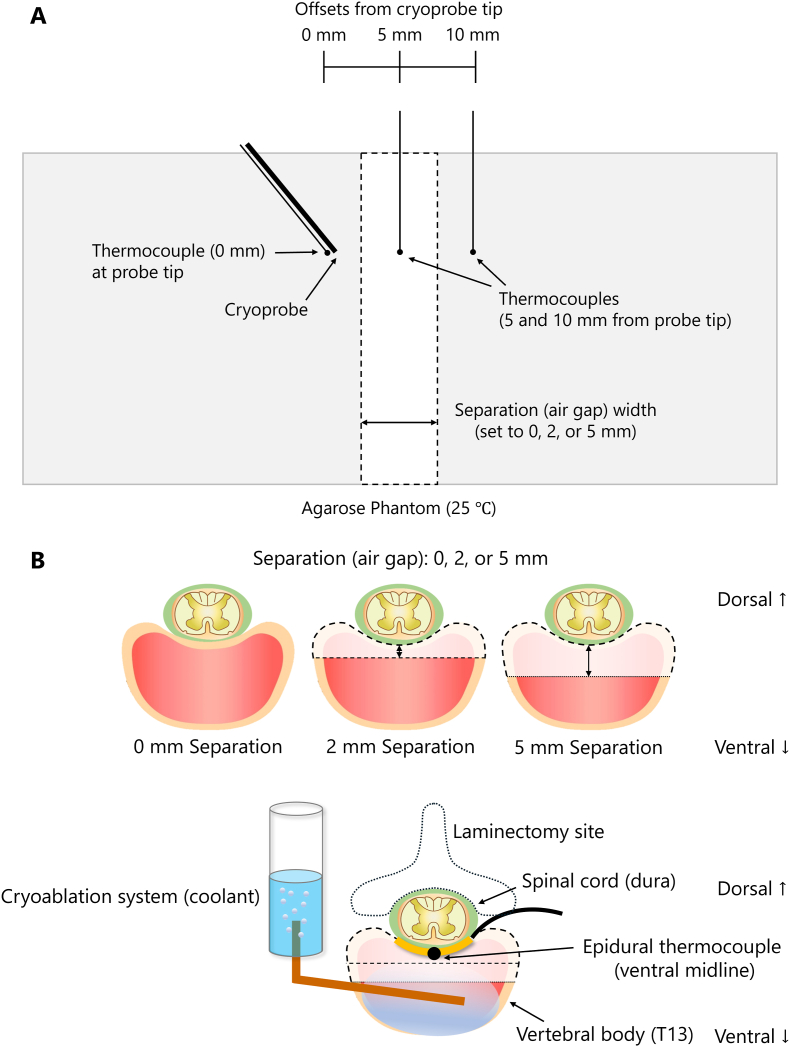 Figure 1
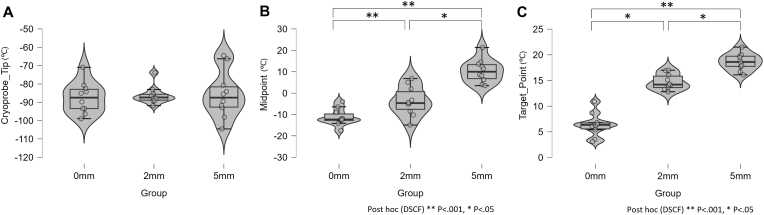 Figure 2
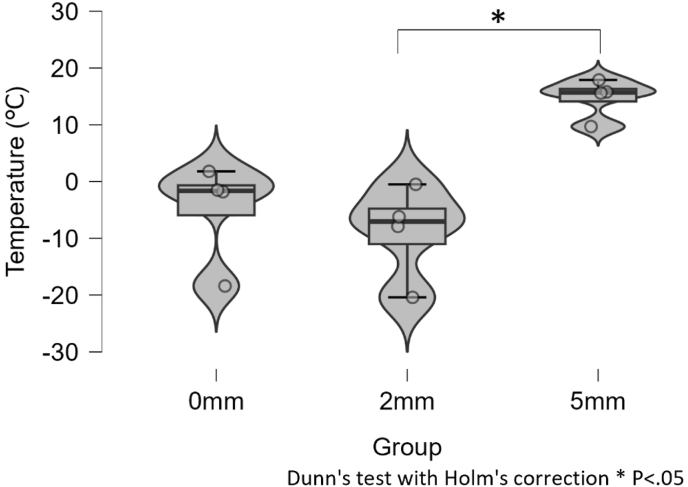 Figure 3
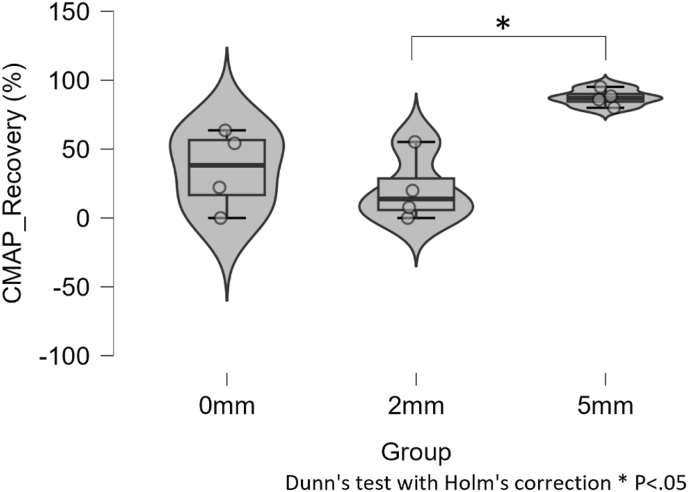 Figure 4
Peer Reviews
No public reviews on file for this paper yet. If you reviewed it on a platform where reviews are public (OpenReview, ICLR, NeurIPS, ICML), you can paste yours below so the community can read it here.
Videos
No videos yet. Explain this paper in a talk, walkthrough, or lecture? Add one.
Taxonomy
TopicsManagement of metastatic bone disease · Spine and Intervertebral Disc Pathology · Anesthesia and Pain Management