Modelling G protein-biased agonism using GLP-1 receptor C-terminal mutations
Hanh Duyen Tran, Yiming Zuo, Carissa Wong, Alice Pollard, Steve Bloom, Ben Jones

TL;DR
This study shows that modifying the GLP-1 receptor can mimic the effects of biased agonists, improving drug efficacy for diabetes and obesity.
Contribution
The study introduces a receptor-based approach to model G protein-biased agonism without altering ligands.
Findings
Phosphodeficient GLP-1R showed reduced internalisation and β-arrestin recruitment similar to G-biased ligands.
C-terminal phosphorylation sites have distinct roles in regulating β-arrestin and internalisation.
Modifying phosphorylation sites enhances Gαs activation and cAMP production.
Abstract
The glucagon-like peptide-1 receptor (GLP-1R) is a major therapeutic target for type 2 diabetes and obesity. Agonists showing bias in favour of G protein signalling over β-arrestin recruitment and GLP-1R internalisation, e.g. tirzepatide and orforglipron, have favourable clinical efficacy profiles. However, understanding of the effects of biased agonism has been hampered by differences in ligand properties such as affinity, efficacy, stability and pharmacokinetics. Here we used GLP-1R C-tail mutations that inhibit phosphorylation to mimic G protein-biased GLP-1R agonism without the need for ligand modifications. Serine doublet phosphorylation sites in the human and mouse GLP-1R C-tails were mutated to alanine. Wild-type and mutant GLP-1Rs were examined for β-arrestin recruitment, internalisation, Gαs activation, and signalling readouts in HEK293 cells and pancreatic β-cell models.…
Genes, proteins, chemicals, diseases, species, mutations and cell lines named across the full text — each resolved to its canonical identifier and authoritative record.
Click any figure to enlarge with its caption.
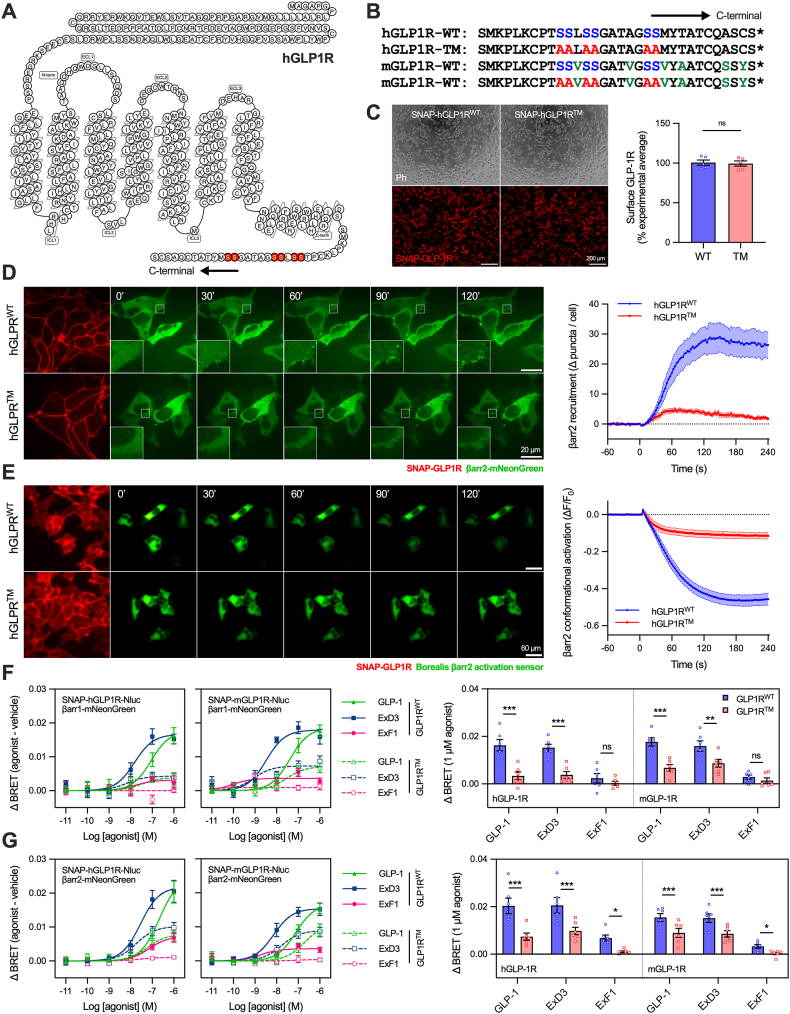 Figure 1
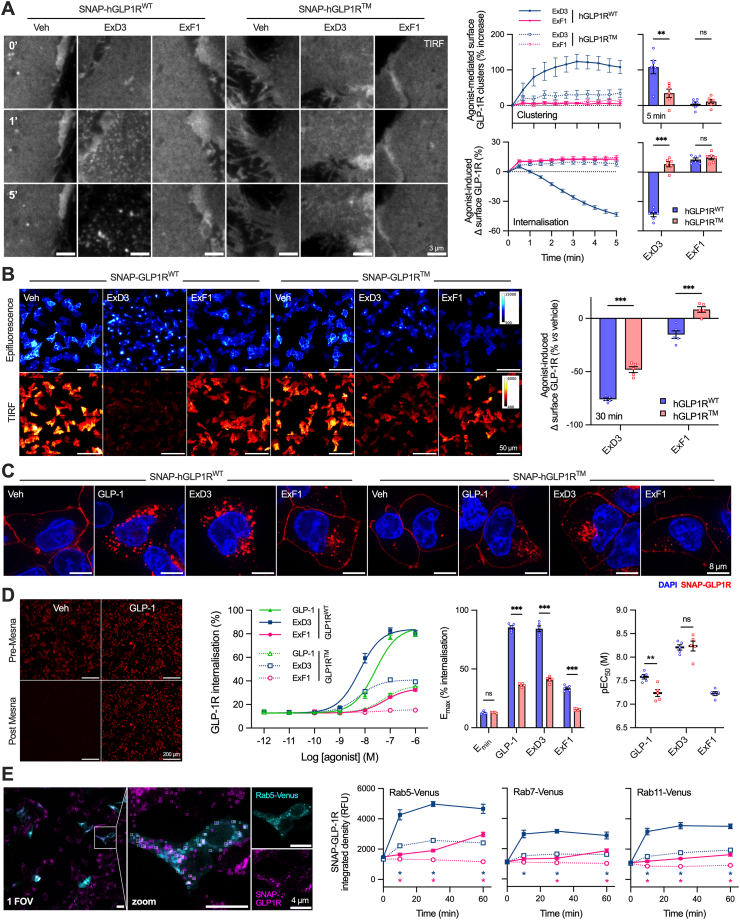 Figure 2
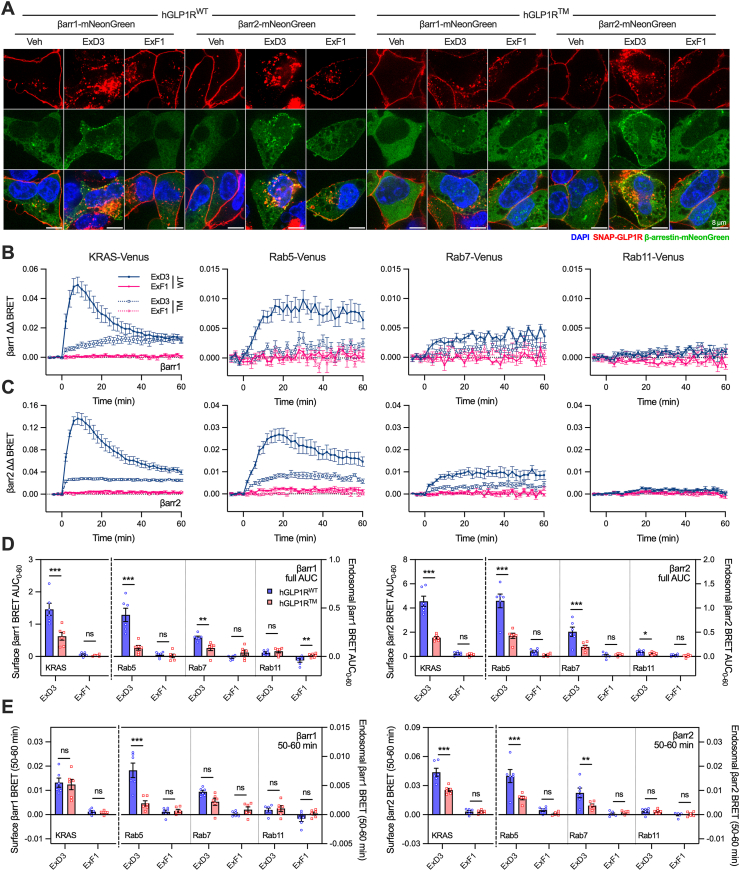 Figure 3
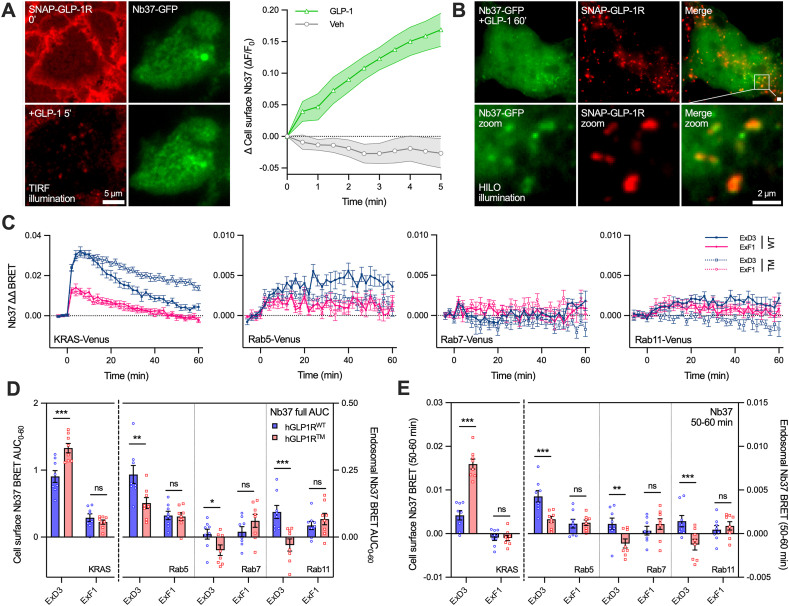 Figure 4
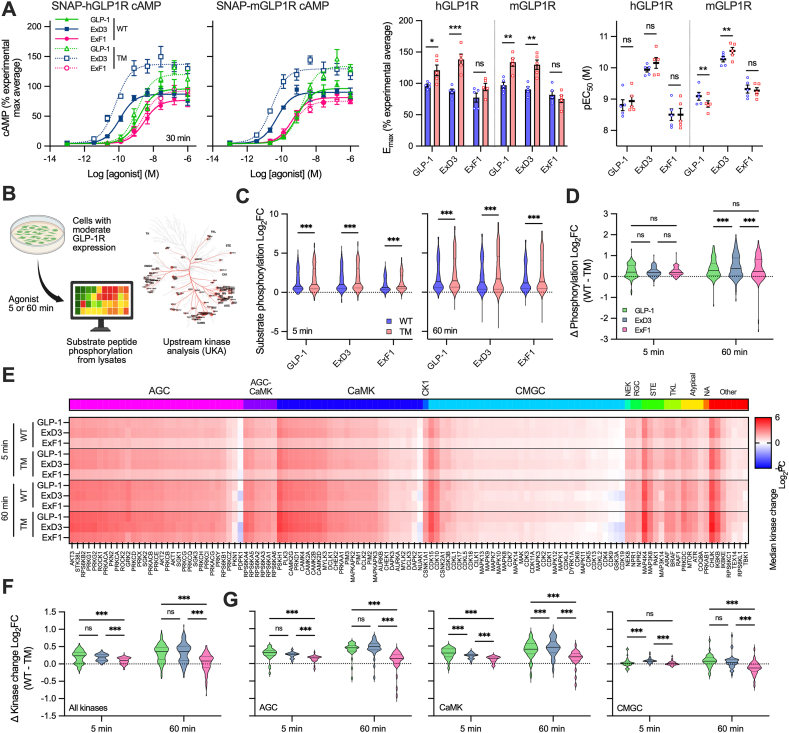 Figure 5
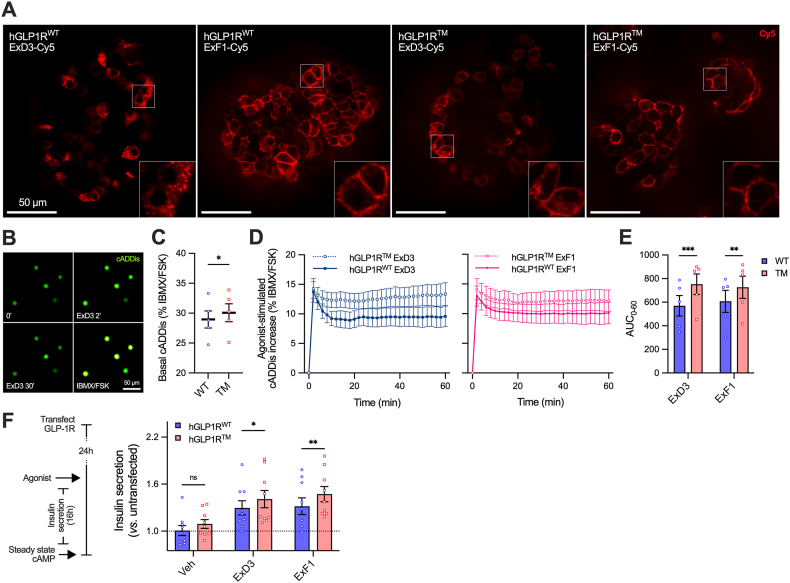 Figure 6
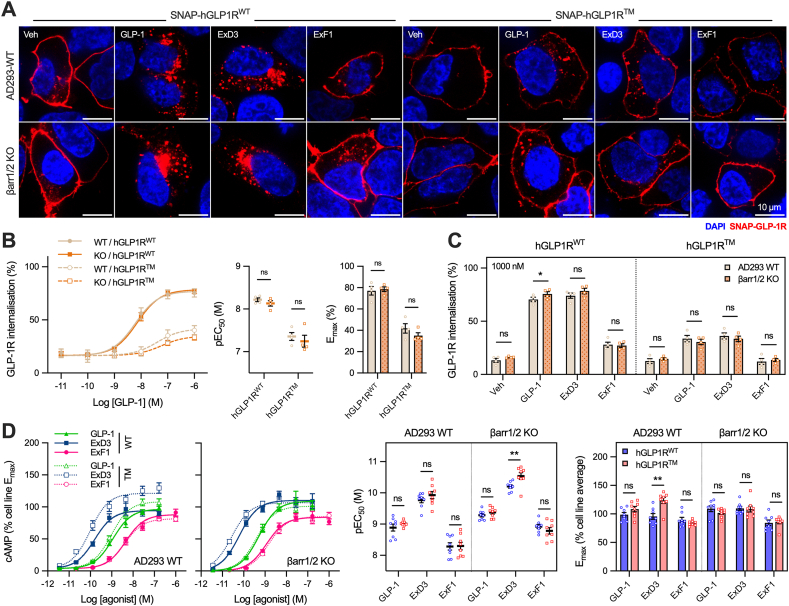 Figure 7
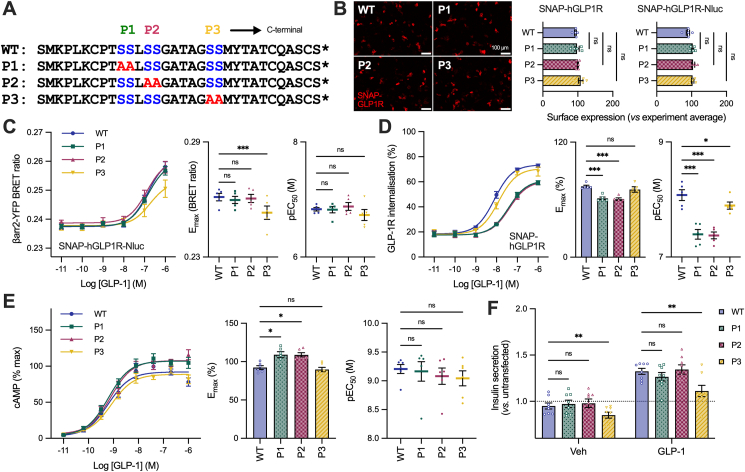 Figure 8
Peer Reviews
No public reviews on file for this paper yet. If you reviewed it on a platform where reviews are public (OpenReview, ICLR, NeurIPS, ICML), you can paste yours below so the community can read it here.
Videos
No videos yet. Explain this paper in a talk, walkthrough, or lecture? Add one.
Taxonomy
TopicsDiabetes Treatment and Management · Receptor Mechanisms and Signaling · Regulation of Appetite and Obesity