Outcomes After Repeat Alcohol Septal Ablation in Patients With Obstructive Hypertrophic Cardiomyopathy
Takashi Hiruma, Mitsunobu Kitamura, Itaru Takamisawa, Ryo Abe, Tosei Kawai, Takashi Funaki, Yuki Izumi, Ryosuke Higuchi, Junya Matsuda, Yukichi Tokita, Mamoru Nanasato, Nobuo Iguchi, Tomohiro Iwakura, Tomoki Shimokawa, Shuichiro Takanashi, Hiroo Takayama, Yuichi J. Shimada

TL;DR
This study examines the outcomes of repeat alcohol septal ablation in patients with obstructive hypertrophic cardiomyopathy, finding that success rates and long-term risks vary based on the location of the obstruction.
Contribution
The study provides new insights into the effectiveness and outcomes of repeat alcohol septal ablation based on the site of residual obstruction.
Findings
80.7% of patients achieved the primary endpoint of reduced symptoms or obstruction after repeat ASA.
Proximal obstruction was associated with better outcomes compared to distal obstruction.
Fatal arrhythmia and third interventions were more common in patients with distal obstruction.
Abstract
Alcohol septal ablation (ASA) may necessitate a repeat procedure if the obstructive myocardium is not sufficiently ablated; however, the outcomes after repeat ASA are not well studied. The objective of the study was to evaluate outcomes in patients with obstructive hypertrophic cardiomyopathy after repeat ASA. Of the 663 patients with obstructive hypertrophic cardiomyopathy who underwent ASA, 84 with repeat ASA were analyzed. Residual left ventricular (LV) obstruction was stratified according to proximal or distal obstruction. The primary outcome was the absence of symptomatic residual LV obstruction, defined as NYHA functional class I or LV gradient <50 mm Hg, or both at 12 months after repeat ASA. Factors associated with the primary outcome were assessed using logistic regression. Secondary outcomes included cardiovascular mortality, fatal arrhythmia, heart failure hospitalization,…
Genes, proteins, chemicals, diseases, species, mutations and cell lines named across the full text — each resolved to its canonical identifier and authoritative record.
Click any figure to enlarge with its caption.
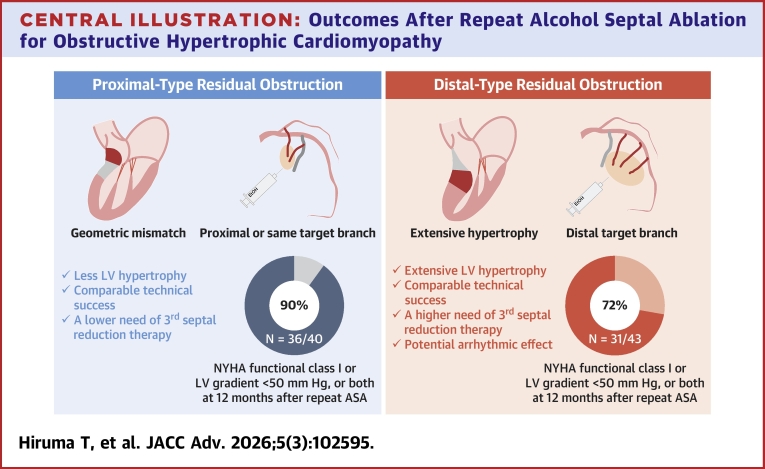 Figure 1
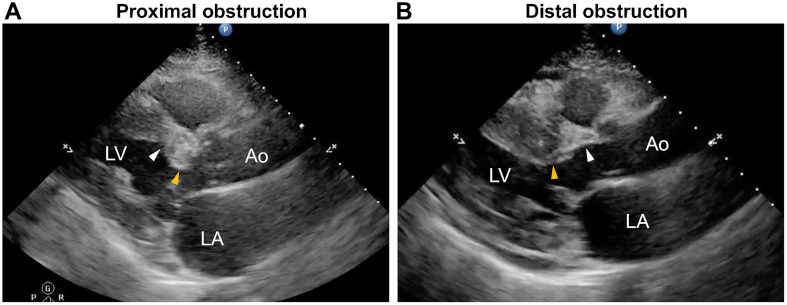 Figure 2
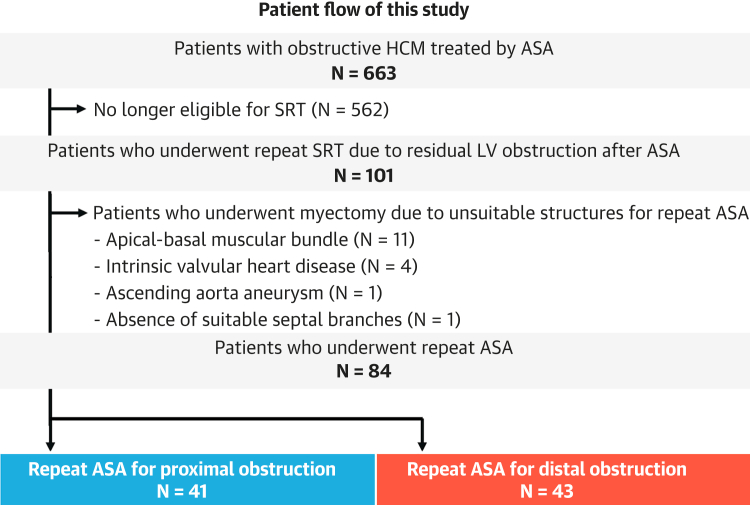 Figure 3
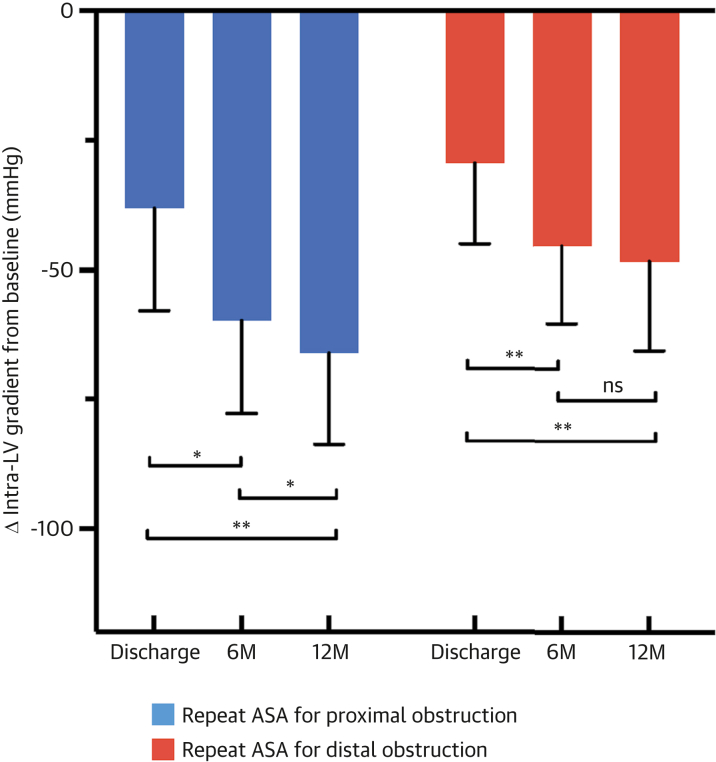 Figure 4
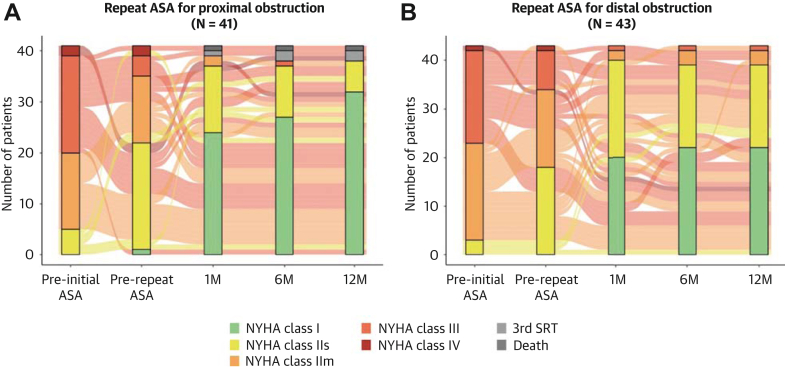 Figure 5
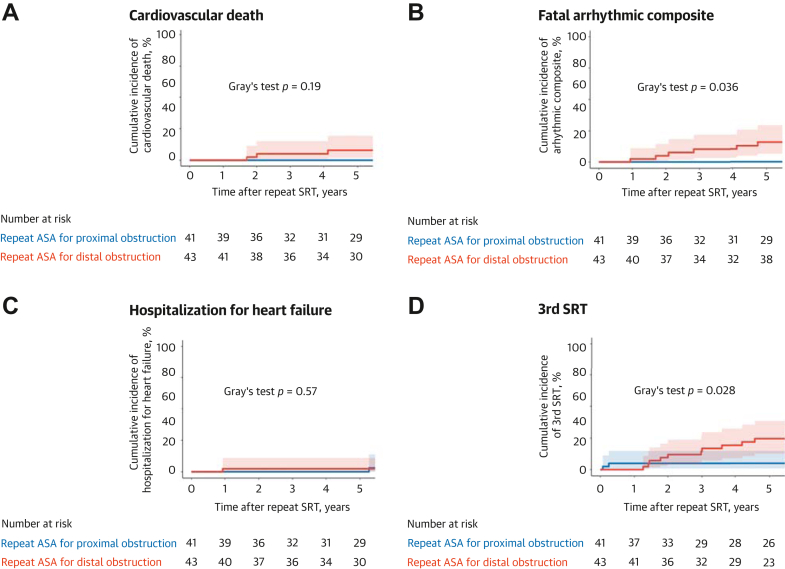 Figure 6
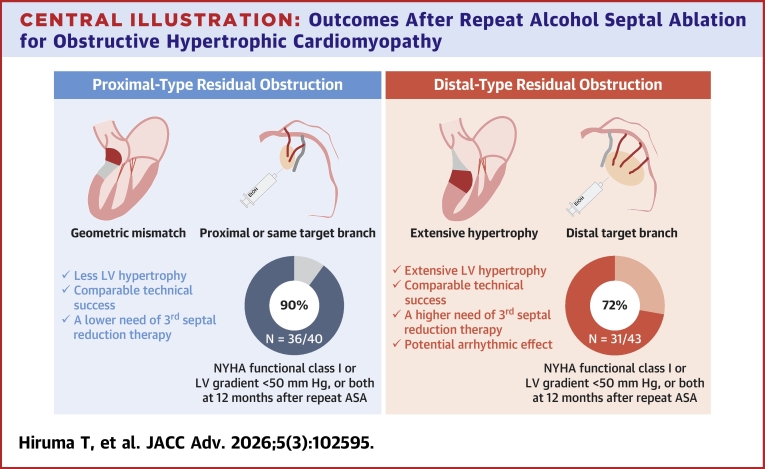 Figure 7
Peer Reviews
No public reviews on file for this paper yet. If you reviewed it on a platform where reviews are public (OpenReview, ICLR, NeurIPS, ICML), you can paste yours below so the community can read it here.
Videos
No videos yet. Explain this paper in a talk, walkthrough, or lecture? Add one.
Taxonomy
TopicsCardiomyopathy and Myosin Studies · Cardiovascular Function and Risk Factors · Cardiac Arrhythmias and Treatments