Evaluating the effectiveness of various treatment modalities in vulvar high-grade squamous intraepithelial lesions (vHSIL): a systematic review
Vera J.G.M. Vaessen, Katerina Sidera, Ralf L.O. van de Laar, Heleen J. van Beekhuizen

TL;DR
This systematic review compares the effectiveness of excision, laser ablation, and imiquimod for treating vulvar high-grade squamous intraepithelial lesions, highlighting the need for personalized treatment and better long-term data.
Contribution
A systematic review of treatment outcomes for vHSIL, emphasizing the lack of a superior modality and the need for individualized strategies.
Findings
Pooled complete response rates varied widely across excision, CO2 laser, and imiquimod treatments.
Imiquimod had the lowest recurrence in HPV-negative patients but caused local adverse effects.
High recurrence rates were observed across all treatment modalities, stressing the need for improved strategies.
Abstract
•Systematic review comparing treatments for vulvar intraepithelial neoplasia.•Evaluates excision, laser ablation, and topical imiquimod therapy.•Synthesizes global evidence to guide individualized treatment strategies.•Highlights need for standardized follow-up and long-term outcome reporting.•Identifies gaps for future research in vulvar precancer management. Systematic review comparing treatments for vulvar intraepithelial neoplasia. Evaluates excision, laser ablation, and topical imiquimod therapy. Synthesizes global evidence to guide individualized treatment strategies. Highlights need for standardized follow-up and long-term outcome reporting. Identifies gaps for future research in vulvar precancer management. Vulvar high-grade squamous intraepithelial lesion (vHSIL) is a premalignant condition caused by persistent infection with high-risk human papillomavirus (HPV), with…
Genes, proteins, chemicals, diseases, species, mutations and cell lines named across the full text — each resolved to its canonical identifier and authoritative record.
Click any figure to enlarge with its caption.
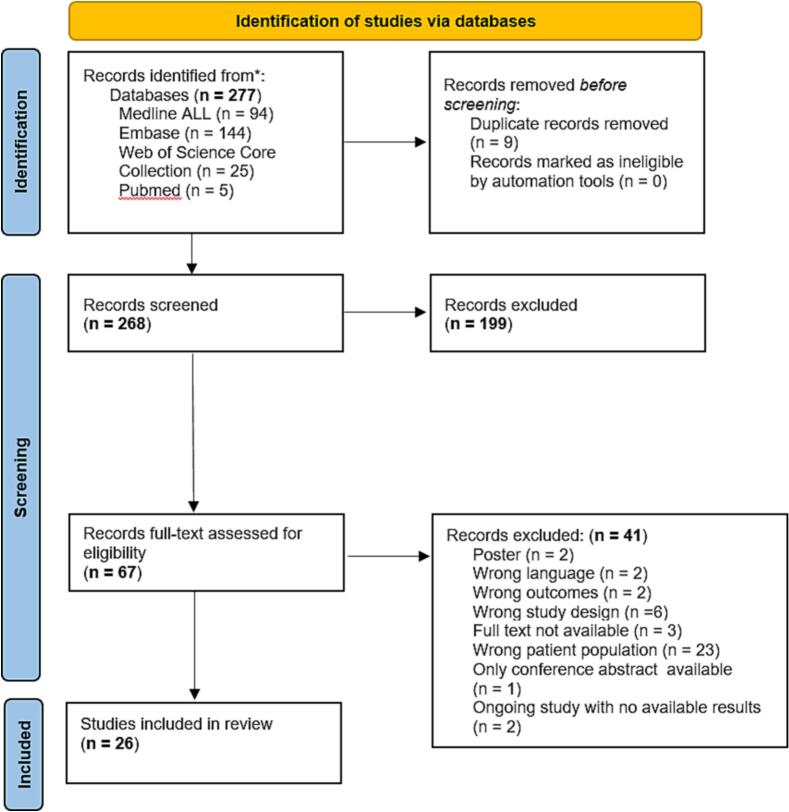 Figure 1
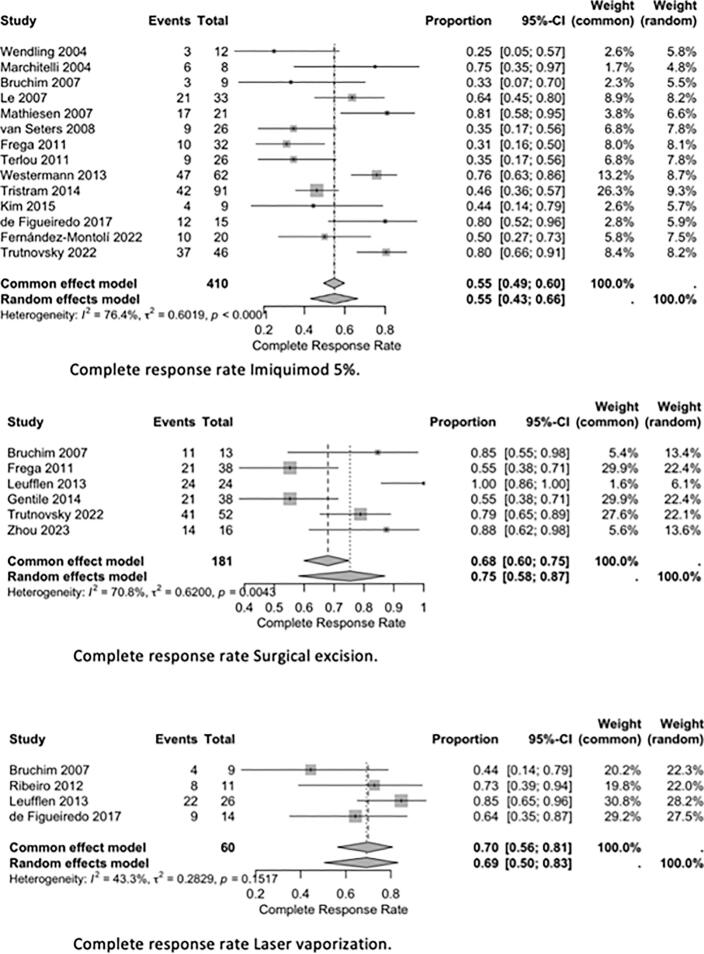 Figure 2
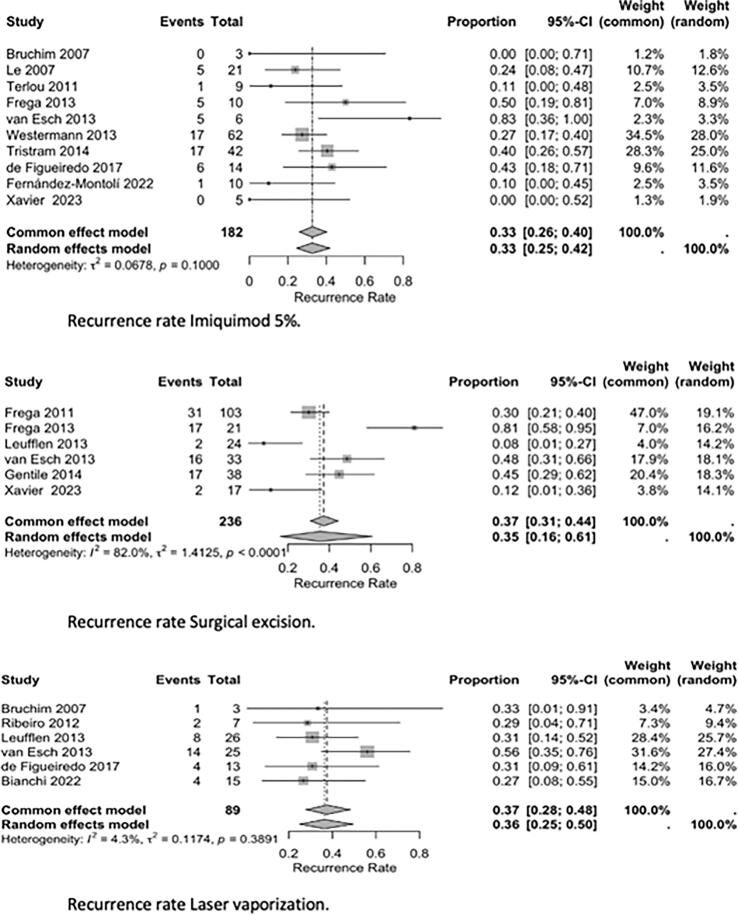 Figure 3
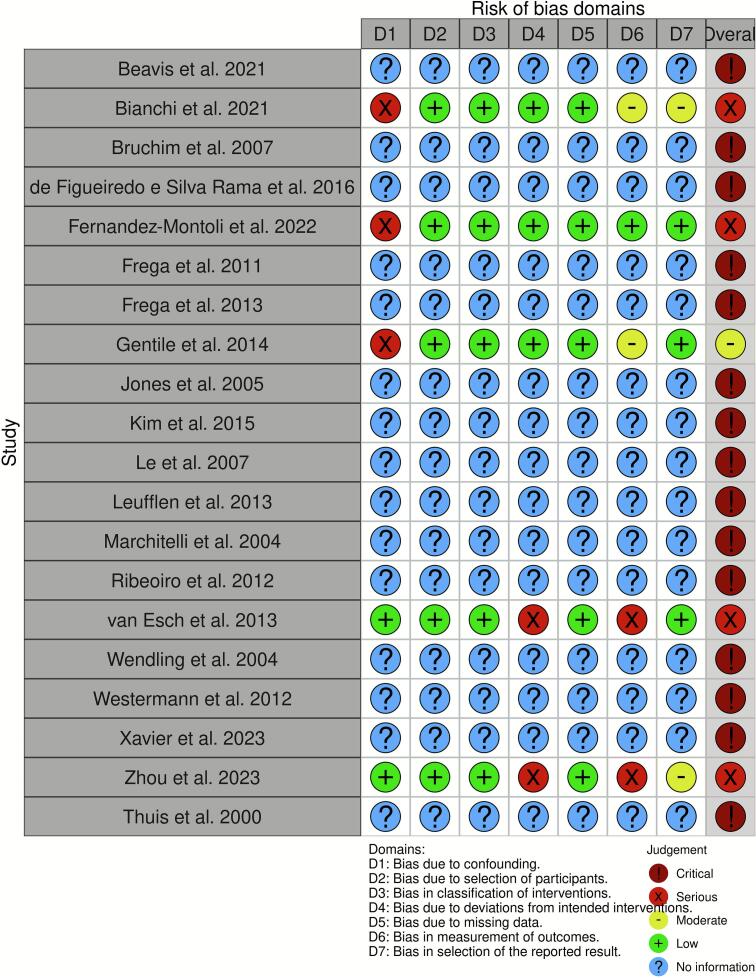 Figure 4
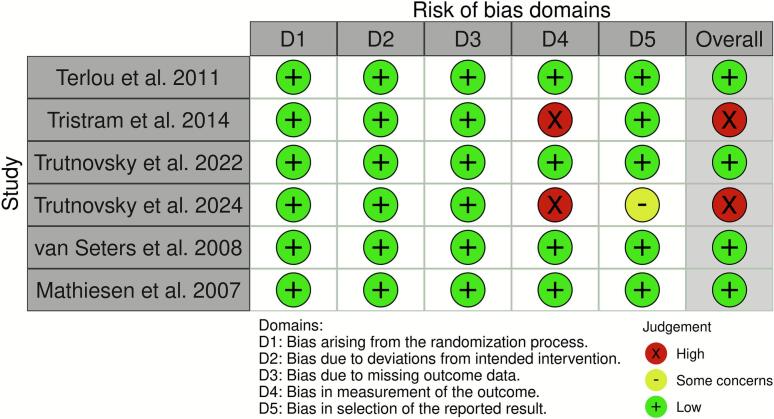 Figure 5
Peer Reviews
No public reviews on file for this paper yet. If you reviewed it on a platform where reviews are public (OpenReview, ICLR, NeurIPS, ICML), you can paste yours below so the community can read it here.
Videos
No videos yet. Explain this paper in a talk, walkthrough, or lecture? Add one.
Taxonomy
TopicsCervical Cancer and HPV Research · Genital Health and Disease · Endometrial and Cervical Cancer Treatments