Ultrasound-assisted and resin-based purification of bioactive polyphenols from peony (Paeonia ostii) pods: process optimization and α-glucosidase inhibitory activity
Xiaoai Zhu, Yuan Ru, Kebing Yan, Siqi Zhang, Yingjie Sun, Fengke Du, Yage Liu, Yiying Niu, Jun Xi, Kunlun Liu

TL;DR
This study develops an efficient green method to extract and purify polyphenols from peony pods, which can inhibit blood sugar-related enzymes and may be used in functional foods.
Contribution
An optimized ultrasound-resin process for extracting and purifying bioactive polyphenols from peony pods with α-glucosidase inhibition is introduced.
Findings
The optimal UAE conditions yielded 52.17 mg GAE/g DW of polyphenols from peony pods.
The purified PPP40 fraction showed strong α-glucosidase inhibition with an IC50 of 639.96 μg/mL.
The inhibition mechanism involves fluorescence quenching and enzyme conformational changes.
Abstract
From waste to bioactives: α-Glucosidase inhibition by polyphenols from peony pods through multimethod analysis. The valorization of agricultural by-products into high-value ingredients requires efficient and green extraction technologies. Ultrasonic-assisted extraction (UAE) has emerged as a promising technique for this purpose due to its efficiency and environmental benefits. In this study, an integrated green process was developed for recovering bioactive polyphenols from peony (Paeonia ostii) pods (PPP), an underutilized by-product, using combined UAE and macroporous resin purification. The ultrasonication process was systematically optimized via response surface methodology. The determined optimal conditions (46 % ethanol, 14 mL/g liquid–solid ratio, 60 min ultrasonication) achieved a yield of PPP of 52.17 ± 0.06 mg GAE/g DW. Subsequent purification employing D101 macroporous resin…
Genes, proteins, chemicals, diseases, species, mutations and cell lines named across the full text — each resolved to its canonical identifier and authoritative record.
Click any figure to enlarge with its caption.
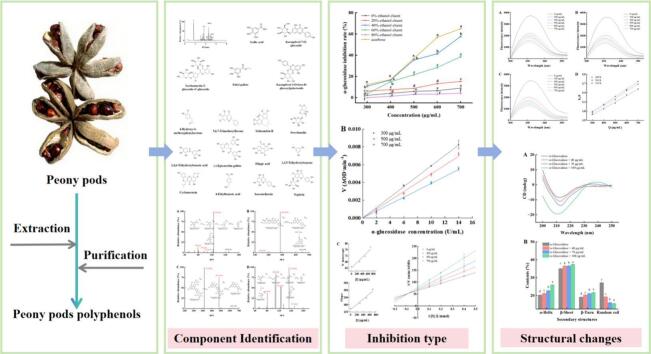 Figure 1
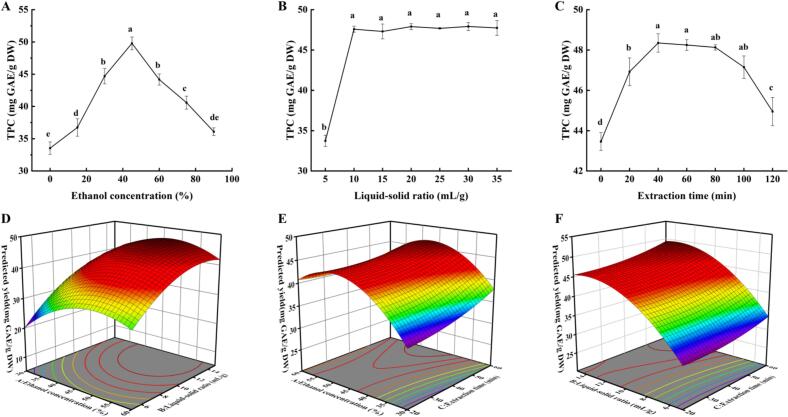 Figure 2
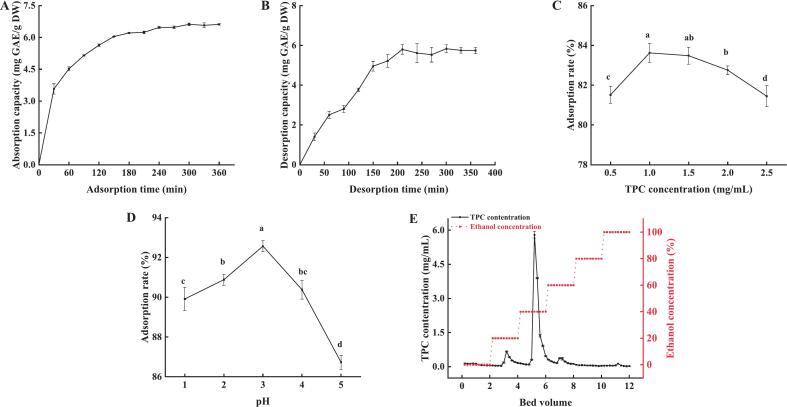 Figure 3
 Figure 4
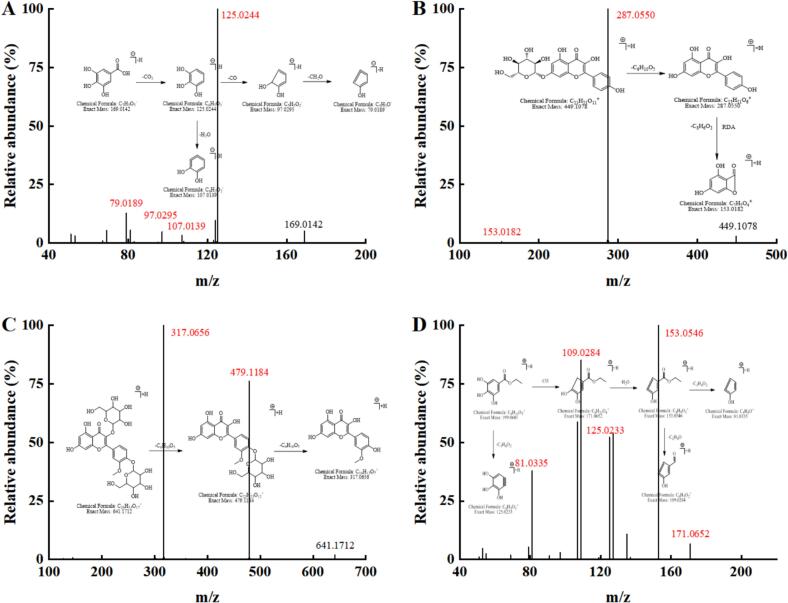 Figure 5
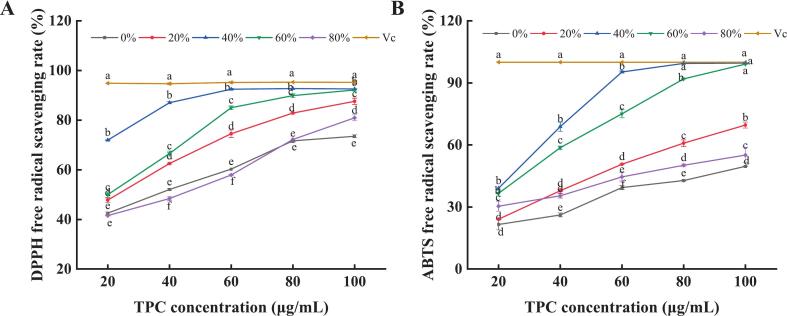 Figure 6
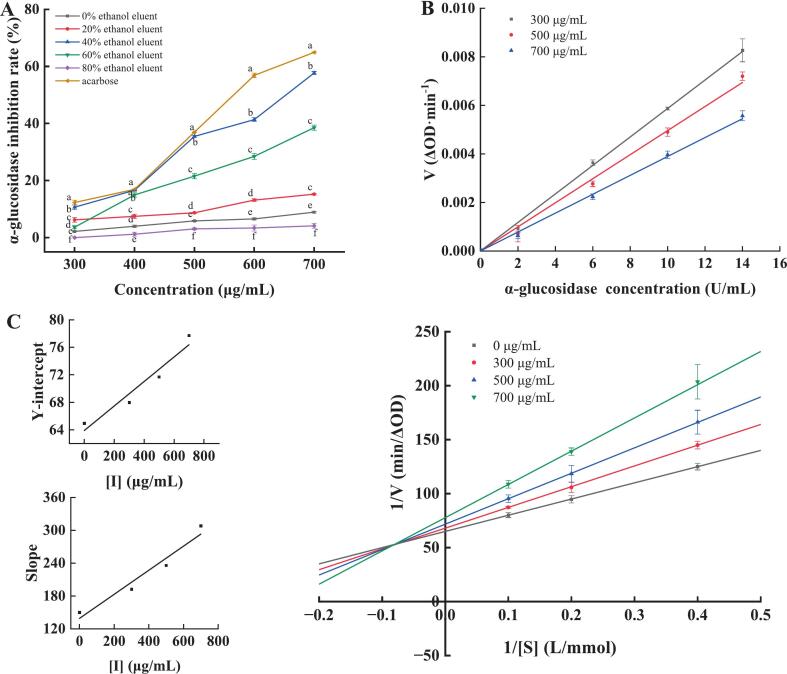 Figure 7
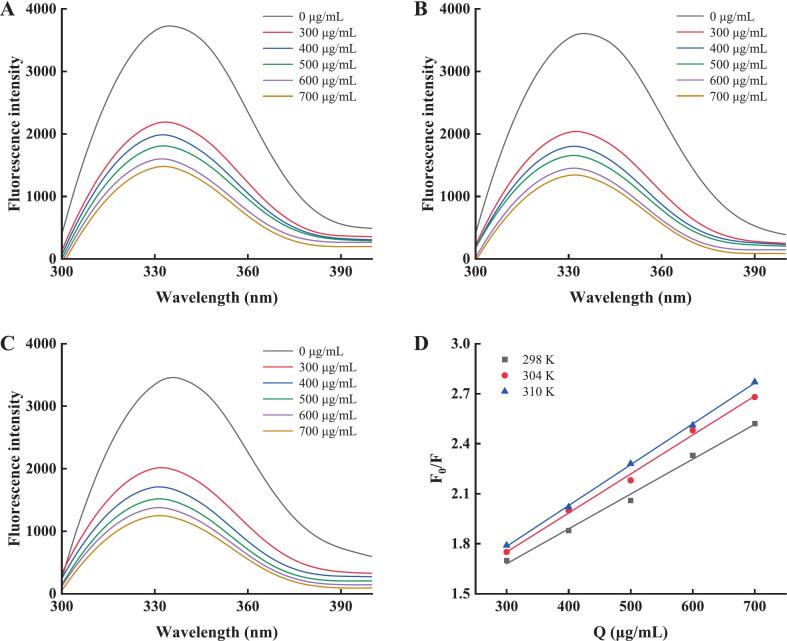 Figure 8
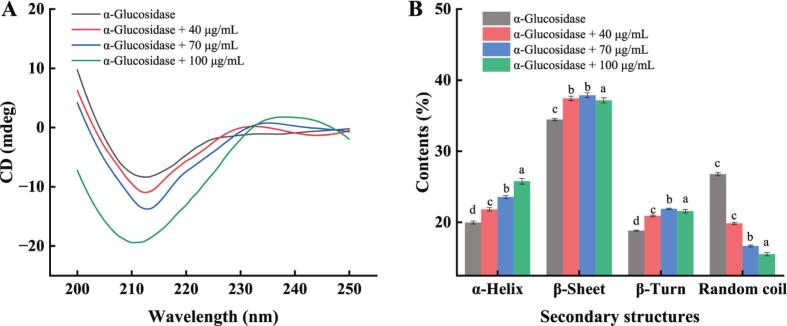 Figure 9
Peer Reviews
No public reviews on file for this paper yet. If you reviewed it on a platform where reviews are public (OpenReview, ICLR, NeurIPS, ICML), you can paste yours below so the community can read it here.
Videos
No videos yet. Explain this paper in a talk, walkthrough, or lecture? Add one.
Taxonomy
TopicsPhytochemicals and Antioxidant Activities · Traditional Chinese Medicine Analysis · Tea Polyphenols and Effects