Activated protein C drives β-arrestin-2- and c-Src-dependent phosphorylation of Cav1 and modulates Cav1 association with PAR1 and GRK5
Huaping Qin, Lennis B. Orduña-Castillo, Olivia Molinar-Inglis, Monica L. Gonzalez Ramirez, Miguel A. Lopez-Ramirez, Carolyne Bardeleben, JoAnn Trejo

TL;DR
This study shows how activated protein C influences signaling through a receptor called PAR1 by interacting with a protein called Cav1 in endothelial cells.
Contribution
The study reveals a new mechanism by which Cav1 modulates PAR1 and GRK5 interactions to enable β-arrestin-2 biased signaling.
Findings
APC activates PAR1 to induce Cav1 tyrosine phosphorylation via βarr2 and c-Src.
GRK5 interacts with Cav1 through an N-terminal motif, and this interaction is disrupted by APC.
Cav1 plays a structural and functional role in APC-induced βarr2 signaling.
Abstract
G-protein–coupled receptors (GPCRs) display bias toward either G proteins or GPCR kinase (GRK)–mediated β-arrestin (βarr) signaling depending on the agonist-stabilized receptor conformation. The cellular context and subcellular location of GPCRs can also influence biased signaling through mechanisms that are not well understood. The protease-activated receptor-1 (PAR1) exhibits signaling bias in response to thrombin and activated protein C (APC). APC-induced βarr2-biased signaling requires PAR1 compartmentalization in caveolae, a subtype of lipid rafts, whereas thrombin-activated PAR1 G protein signaling does not. Caveolin-1 (Cav1) is the principal structural component of caveolae and regulates protein–protein interactions. The mechanisms by which Cav1 contributes to APC–PAR1-induced βarr2-biased signaling are not known. Here, we report that a substantial population of endogenous PAR1…
Genes, proteins, chemicals, diseases, species, mutations and cell lines named across the full text — each resolved to its canonical identifier and authoritative record.
Click any figure to enlarge with its caption.
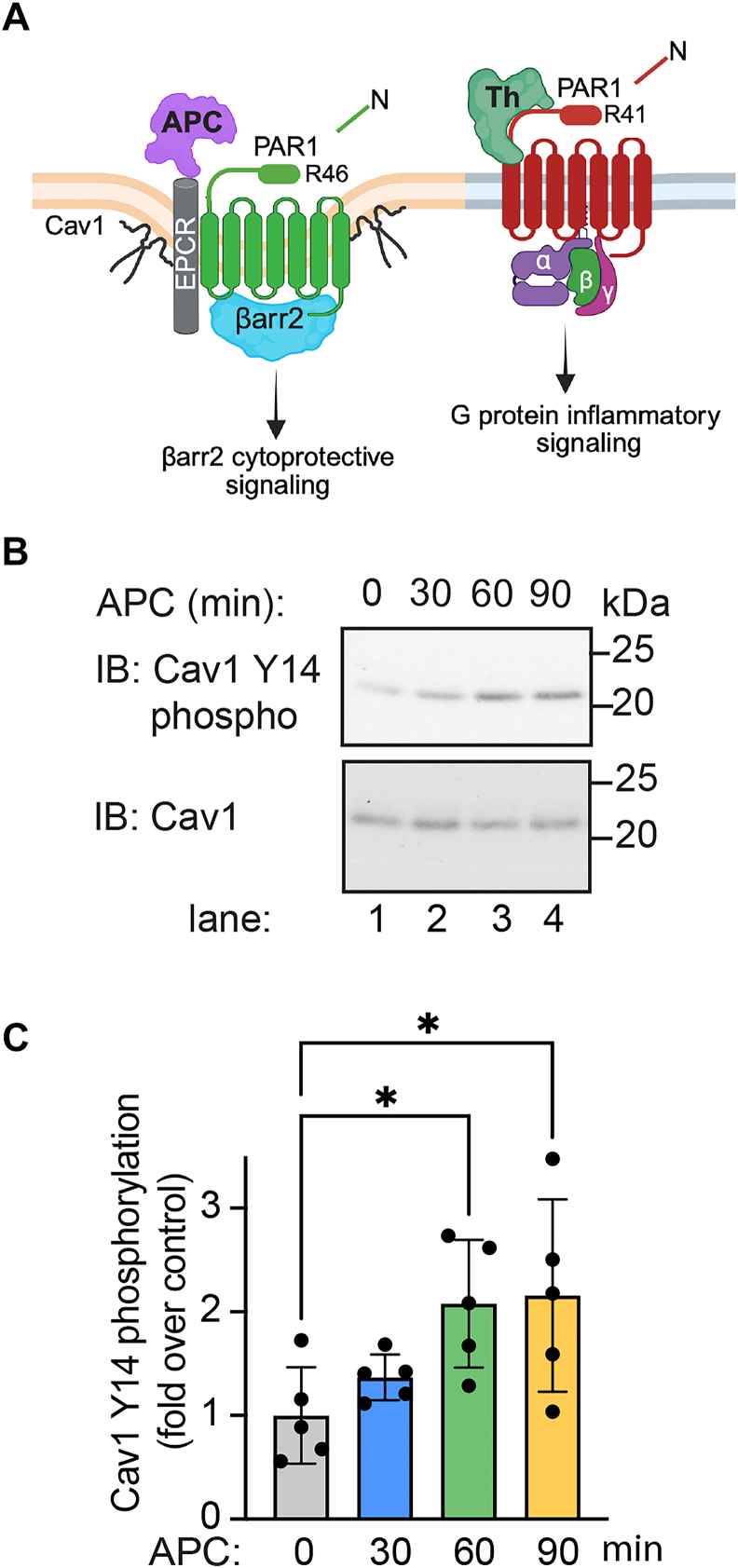 Figure 1
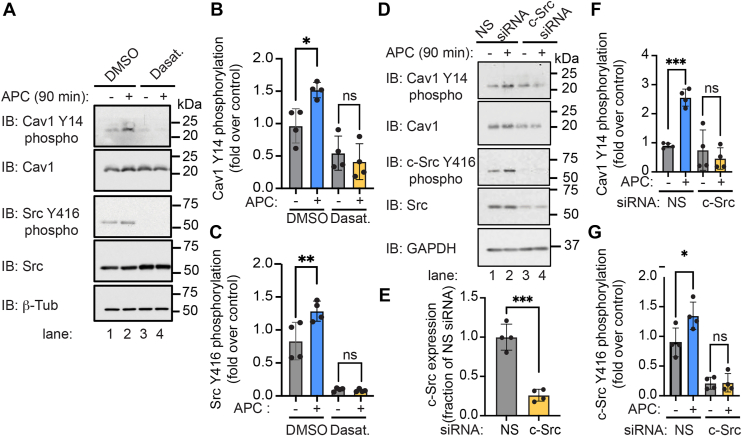 Figure 2
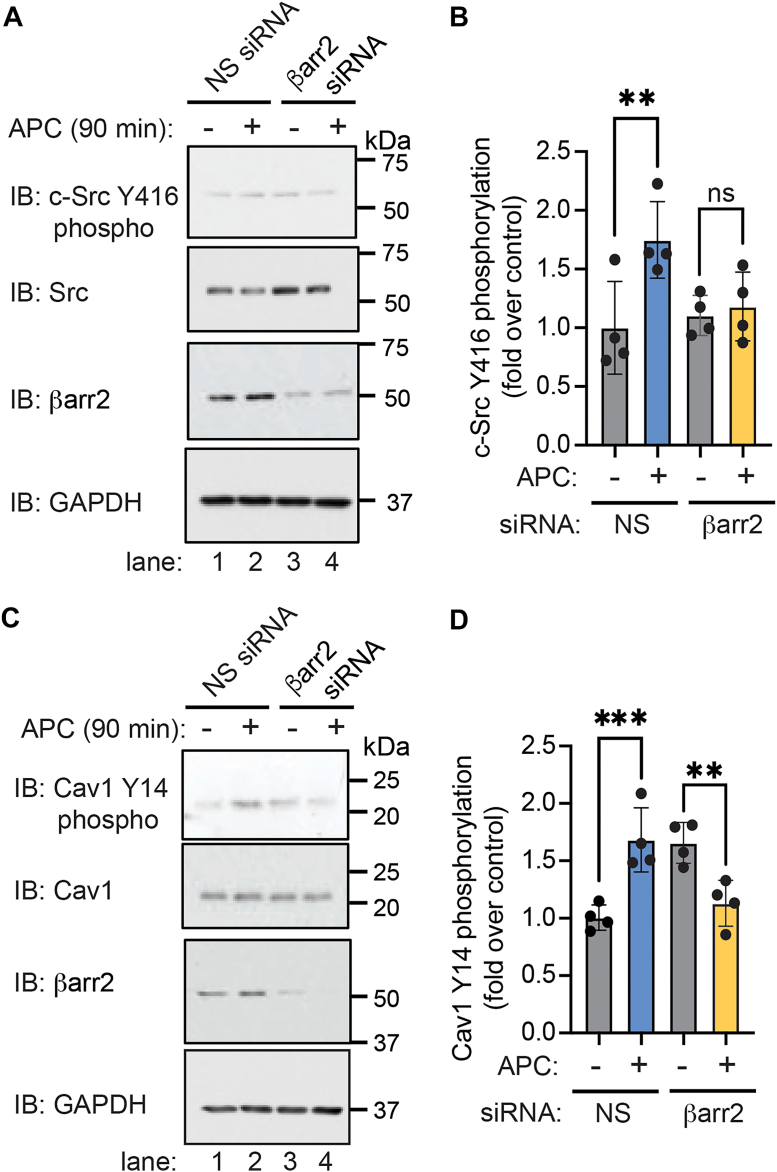 Figure 3
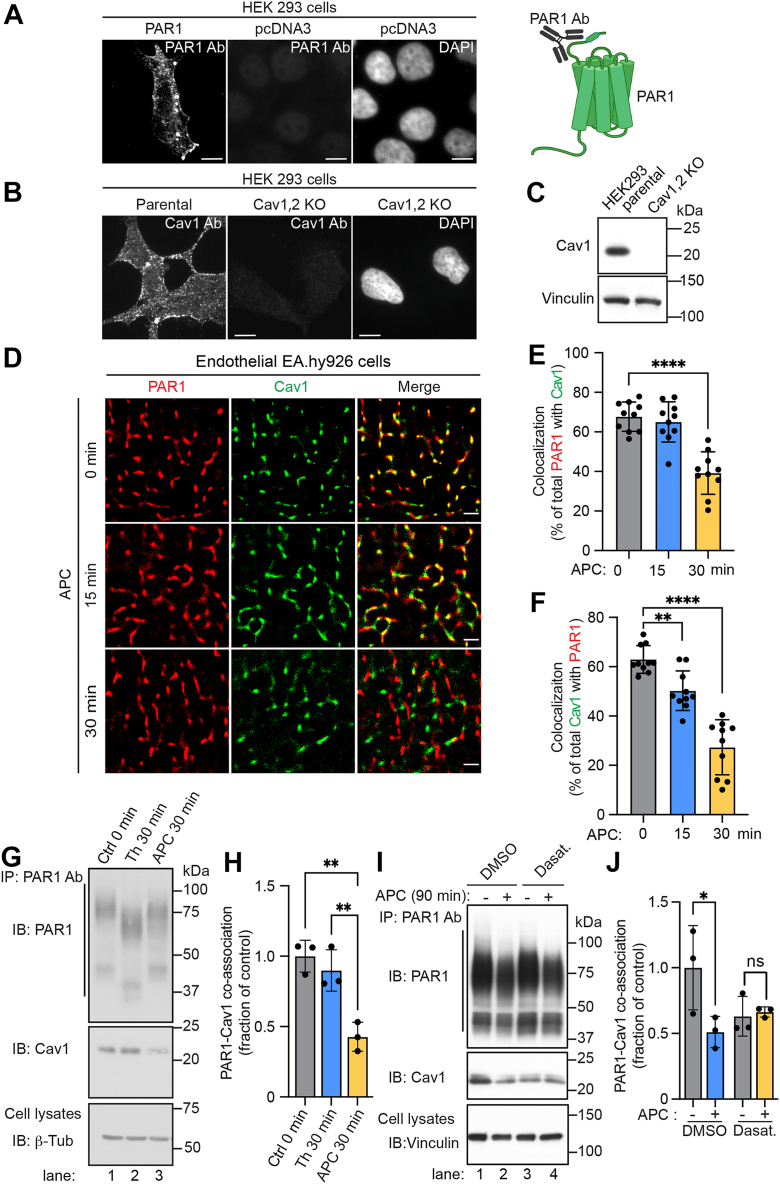 Figure 4
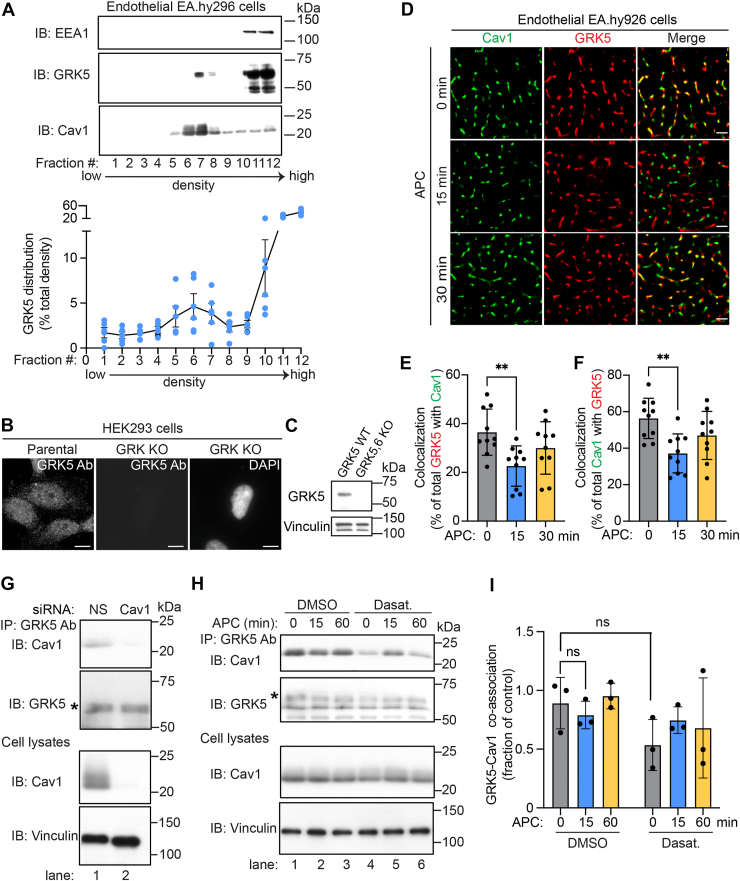 Figure 5
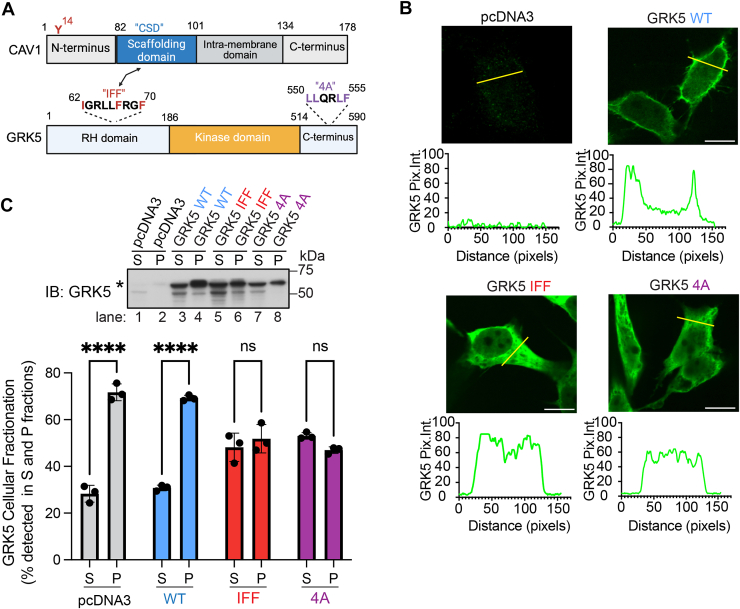 Figure 6
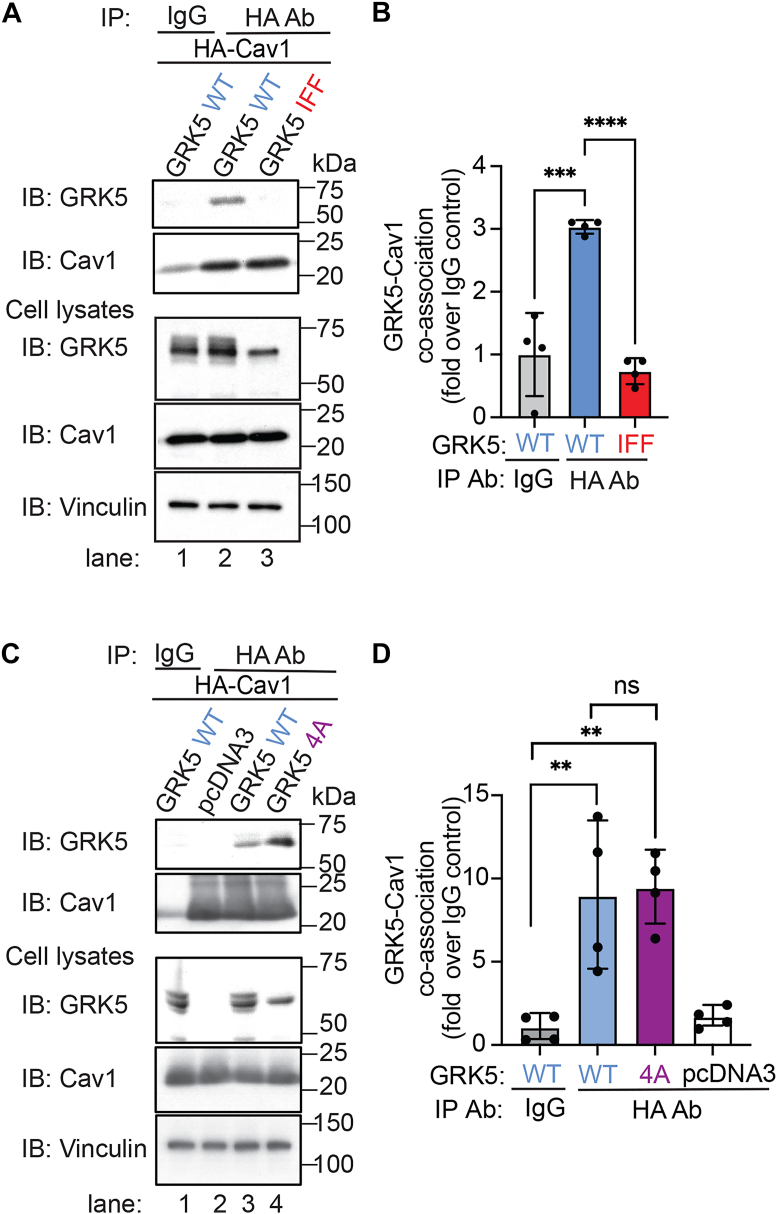 Figure 7
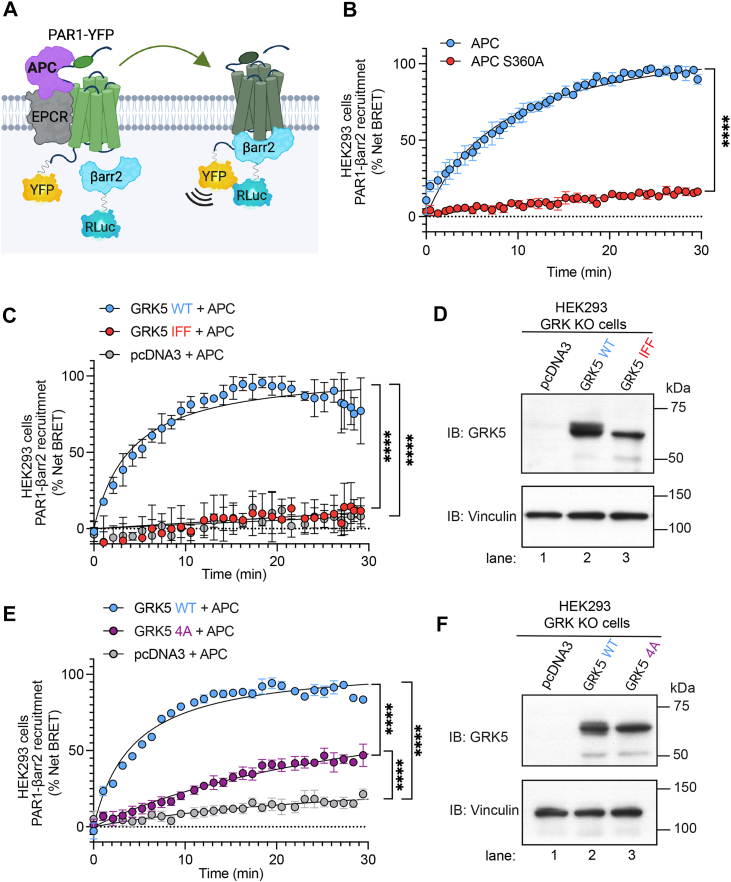 Figure 8
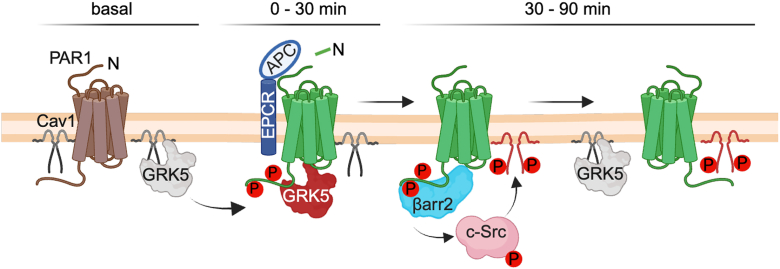 Figure 9
Peer Reviews
No public reviews on file for this paper yet. If you reviewed it on a platform where reviews are public (OpenReview, ICLR, NeurIPS, ICML), you can paste yours below so the community can read it here.
Videos
No videos yet. Explain this paper in a talk, walkthrough, or lecture? Add one.
Taxonomy
TopicsCaveolin-1 and cellular processes · Receptor Mechanisms and Signaling · Cell Adhesion Molecules Research