Carica papaya leaf and root extracts attenuate hyperglycemia-induced insulin resistance by modulating MAPK and PI3K/AKT signalling in hepatic and skeletal muscle cells
Mthokozisi Bongani Nxumalo, Rene Bernadette Khan, Nosipho Ntanzi, Fave Yohanna Tata, Hezekiel Mathambo Kumalo

TL;DR
Carica papaya leaf and root extracts help reduce insulin resistance and improve glucose uptake in liver and muscle cells by affecting key signaling pathways.
Contribution
The study reveals cell-specific mechanisms by which C. papaya extracts modulate insulin resistance in hyperglycemic conditions.
Findings
C. papaya extracts inhibited α-amylase activity, reducing glucose availability.
In HepG2 cells, MAPK signaling was suppressed, and AMPKα and IRS-1 were upregulated.
C2C12 myotubes showed enhanced insulin signaling with increased IRS-1 and glycogen synthase expression.
Abstract
Type 2 diabetes mellitus (T2DM) is characterised by impaired glucose homeostasis arising from insulin resistance and inadequate insulin action in peripheral tissues. Carica papaya has been reported to exert antidiabetic effects; however, its molecular mechanisms in hepatic and skeletal muscle cells under hyperglycemic conditions remain incompletely understood. This study investigated the effects of C. papaya leaf and root extracts on glucose uptake and insulin-related signalling pathways in HepG2 hepatocytes and C2C12 myotubes. Enzyme inhibition assays were used to assess α-amylase and α-glucosidase activity, while protein and gene expression of key components of the MAPK and PI3K/AKT pathways were evaluated using Western blotting and qPCR. C. papaya extracts significantly inhibited α-amylase activity (p < 0.05), with a non-significant inhibitory trend observed for α-glucosidase,…
Genes, proteins, chemicals, diseases, species, mutations and cell lines named across the full text — each resolved to its canonical identifier and authoritative record.
Click any figure to enlarge with its caption.
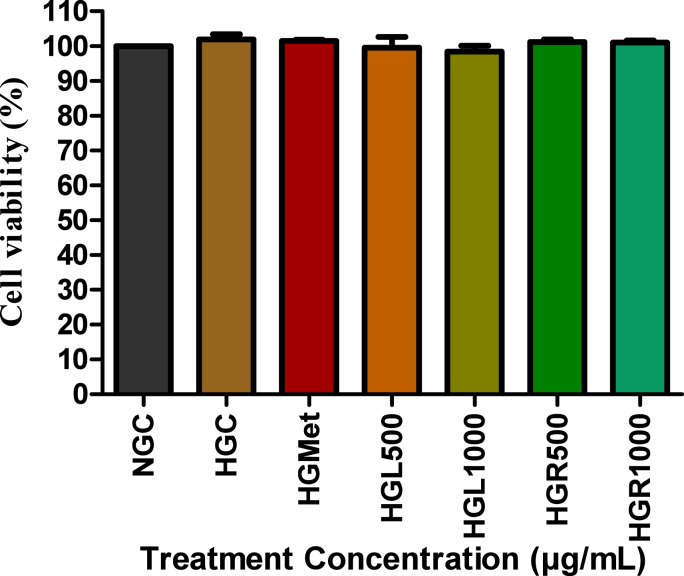 Figure 1
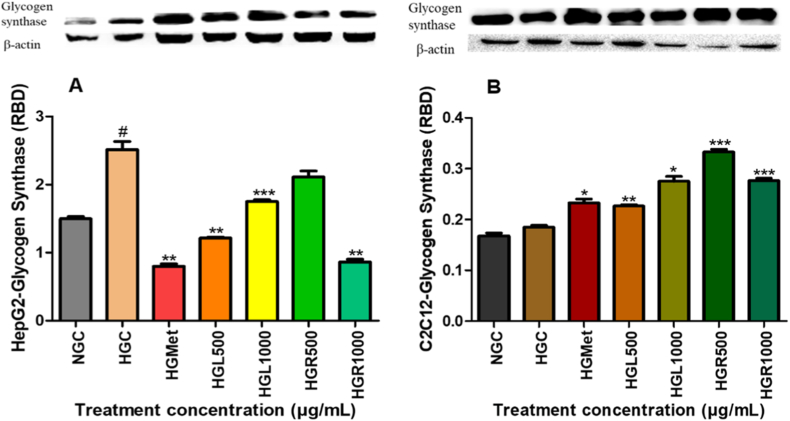 Figure 2
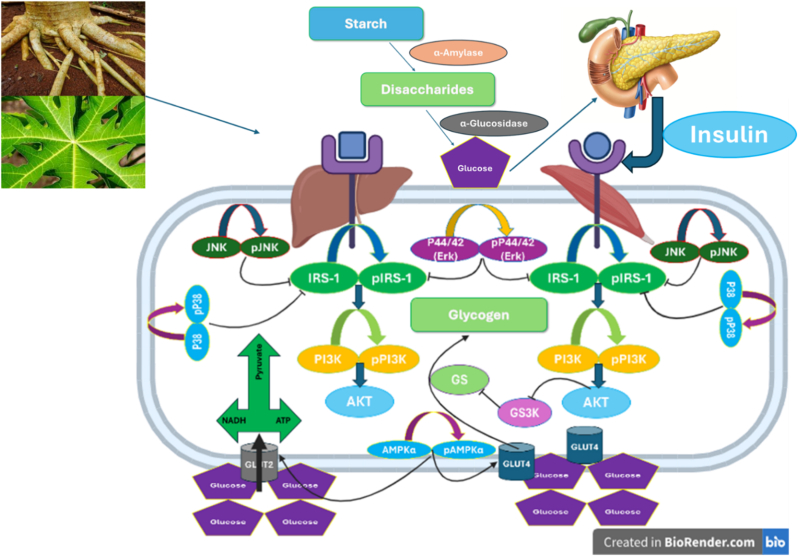 Figure 3
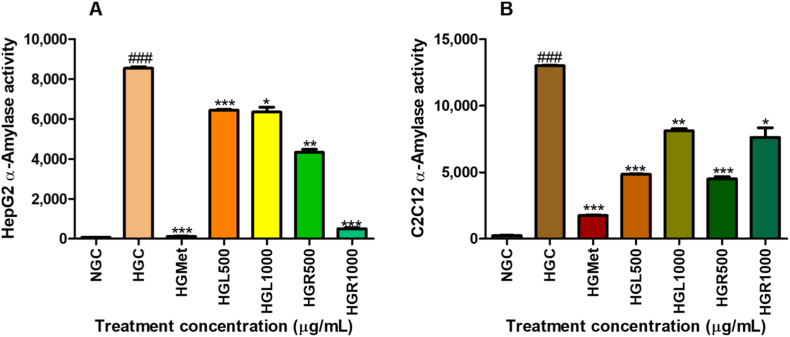 Figure 4
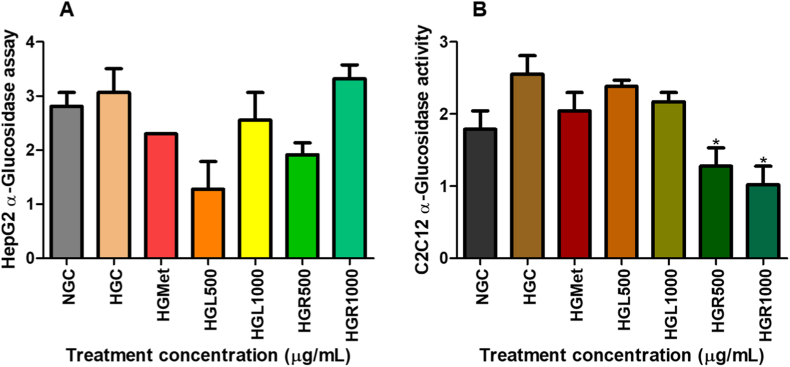 Figure 5
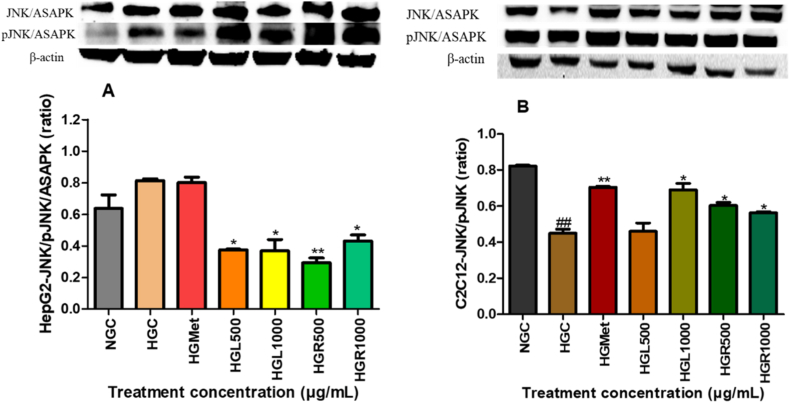 Figure 6
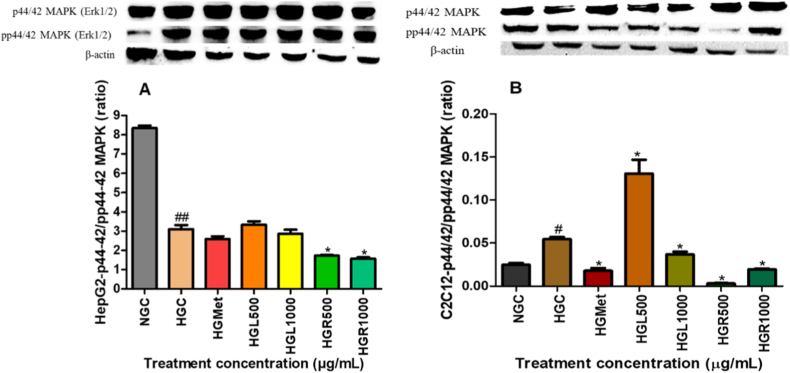 Figure 7
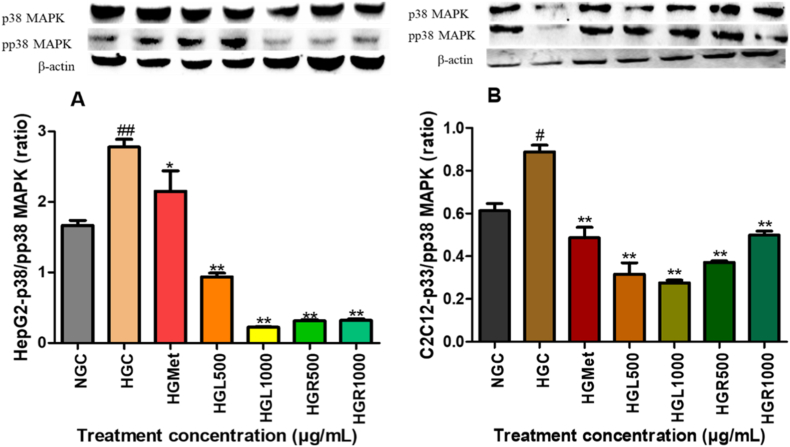 Figure 8
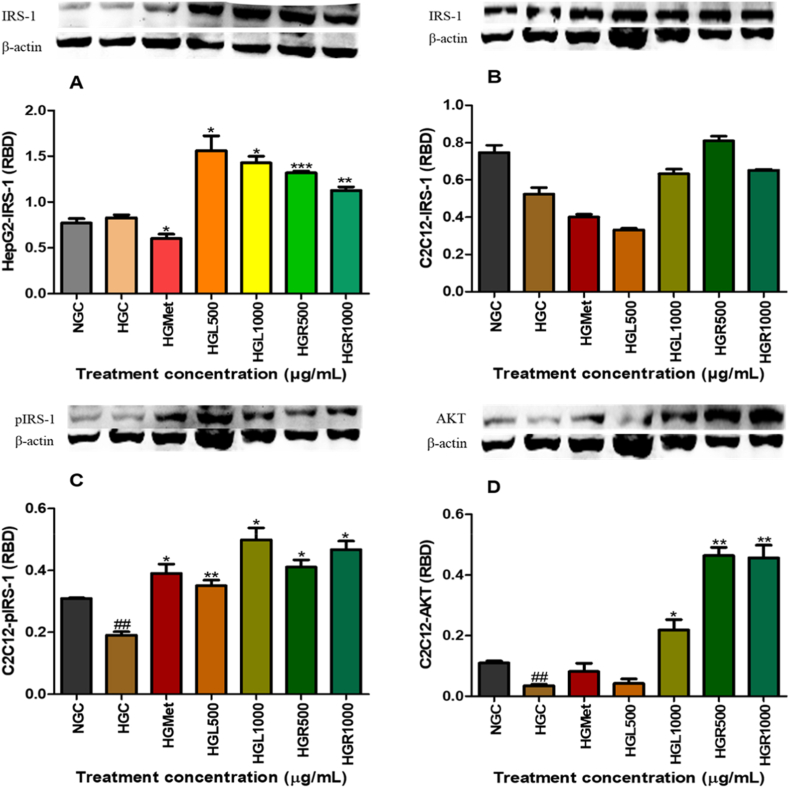 Figure 9
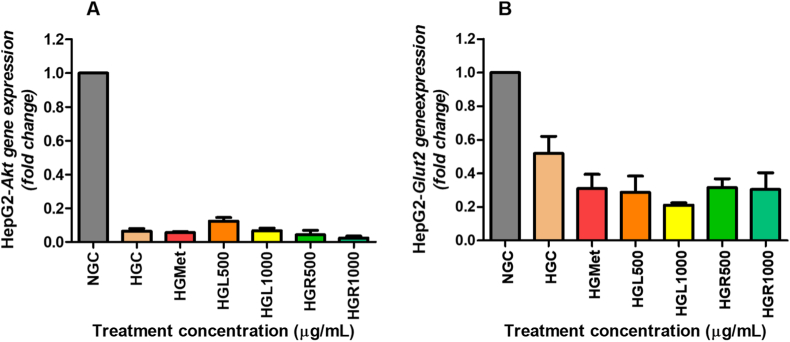 Figure 10
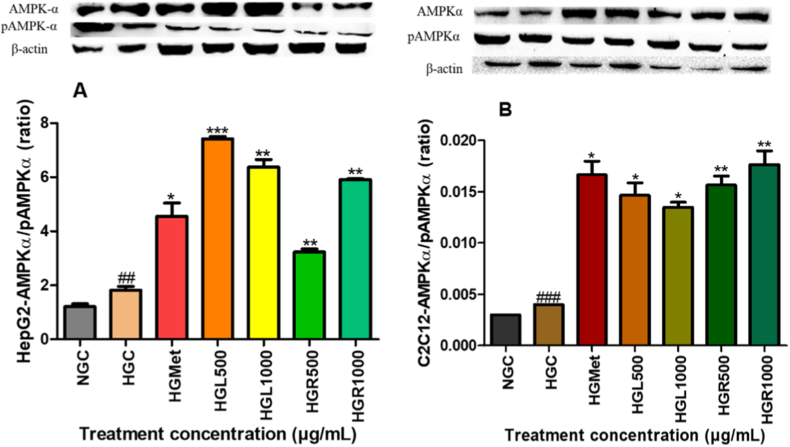 Figure 11
Peer Reviews
No public reviews on file for this paper yet. If you reviewed it on a platform where reviews are public (OpenReview, ICLR, NeurIPS, ICML), you can paste yours below so the community can read it here.
Videos
No videos yet. Explain this paper in a talk, walkthrough, or lecture? Add one.
Taxonomy
TopicsPapaya Research and Applications · Natural Antidiabetic Agents Studies · Metabolism, Diabetes, and Cancer