The efficacy of home-based virtual reality exposure therapy as an add-on to behavioral therapy for children with selective mutism: Protocol for a single-case experimental design
Wendy van Vlerken, Jeroen S. Legerstee, Robert G. Belleman, Samantha Bouwmeester, Lynn F. Meester, Annelot Roorda, Ramón J.L. Lindauer, Elisabeth M.W.J. Utens, Luuk Stapersma

TL;DR
This study explores using home-based virtual reality therapy to help children with selective mutism practice speaking in school-like settings, alongside traditional behavioral therapy.
Contribution
This is the first study to evaluate home-delivered virtual reality exposure therapy as an adjunct to behavioral treatment for selective mutism in children.
Findings
The study will assess the feasibility and preliminary effectiveness of home-based VRET combined with behavioral therapy for children with SM.
Each behavioral treatment step will be supported by corresponding VRET exercises to enhance skill generalization.
Qualitative data will be collected to evaluate the usability and acceptability of the home-based VRET protocol.
Abstract
Selective Mutism (SM) is a rare childhood anxiety disorder characterized by an inability to speak in specific social situations, despite speaking freely in others. School is typically the environment where the disorder manifests itself most clearly. Children with SM often have difficulty generalizing speaking across different social situations. Parents and teachers often struggle to practice speaking with the child outside of therapy due to practical reasons and time constraints. Virtual Reality Exposure Therapy (VRET) at home has potential to enhance the treatment of SM by providing an alternative and engaging method for delivering exercises that support behavioral treatment. This paper describes the development of the VRET application Speaking at School-VR and the methodology of the single case experimental design (SCED) to evaluate the feasibility and preliminary effects of the…
Genes, proteins, chemicals, diseases, species, mutations and cell lines named across the full text — each resolved to its canonical identifier and authoritative record.
Click any figure to enlarge with its caption.
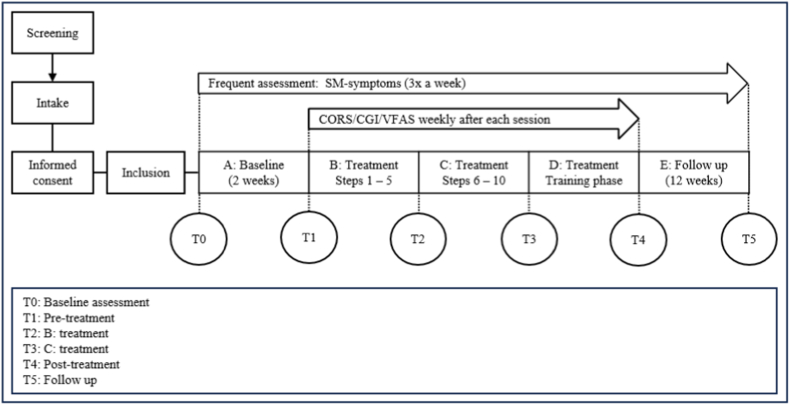 Figure 1
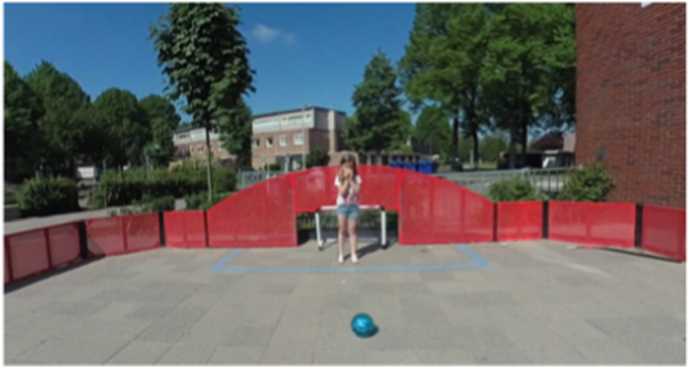 Figure 2
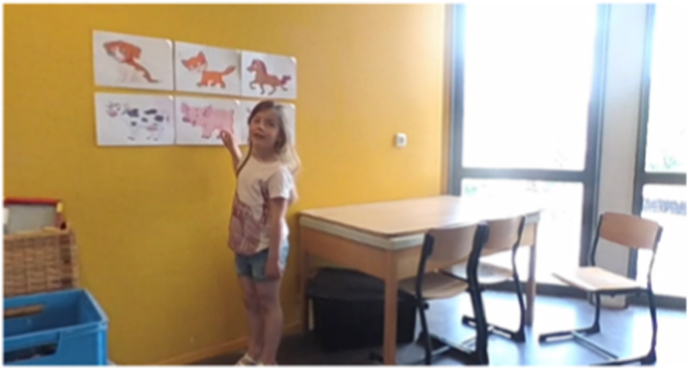 Figure 3
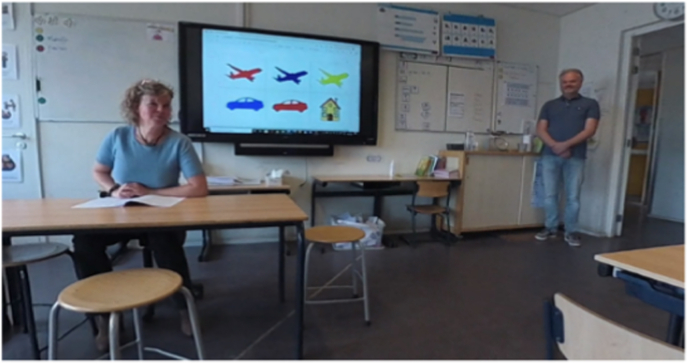 Figure 4
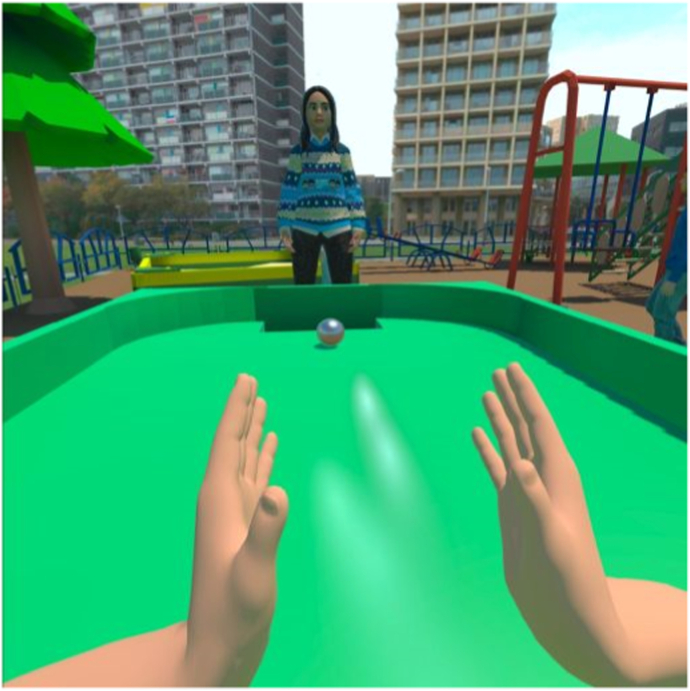 Figure 5
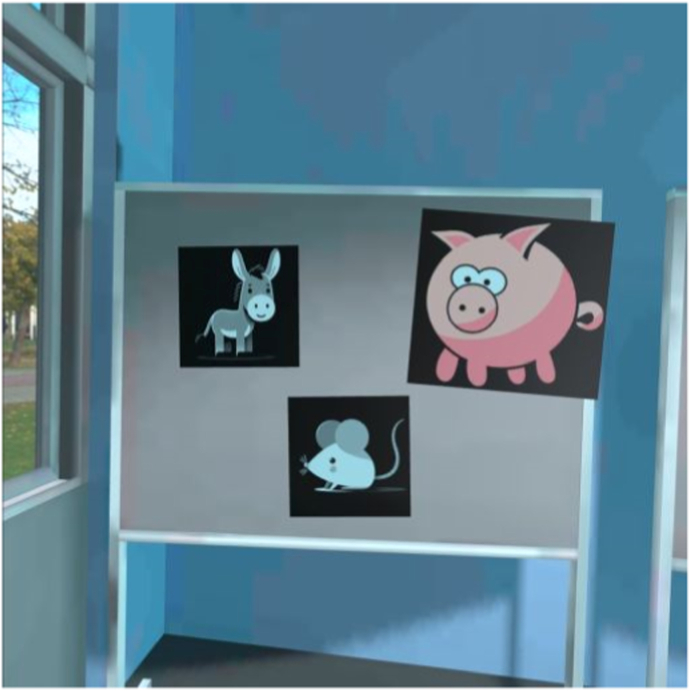 Figure 6
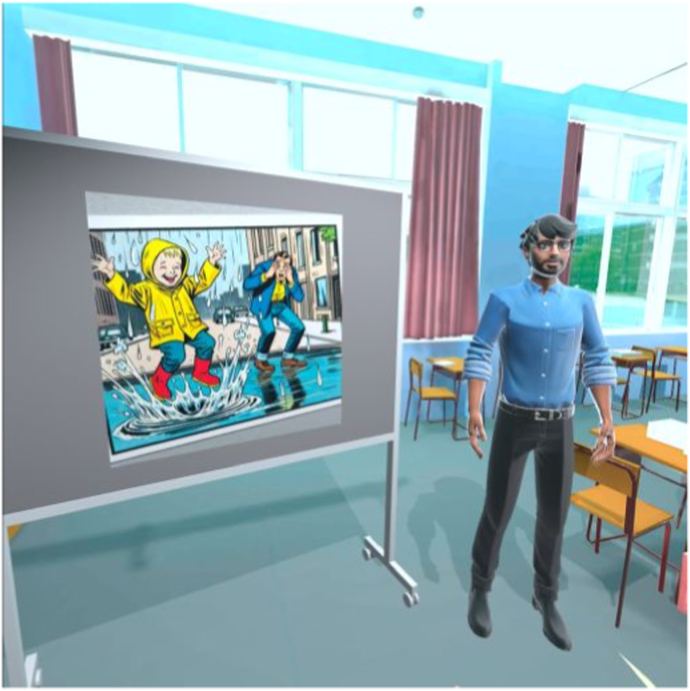 Figure 7
Peer Reviews
No public reviews on file for this paper yet. If you reviewed it on a platform where reviews are public (OpenReview, ICLR, NeurIPS, ICML), you can paste yours below so the community can read it here.
Videos
No videos yet. Explain this paper in a talk, walkthrough, or lecture? Add one.
Taxonomy
TopicsChild and Adolescent Psychosocial and Emotional Development · Digital Mental Health Interventions · Autism Spectrum Disorder Research