Assessment of Skin-Brain Interactions in Atopic Dermatitis Using Wearable EEG: An Exploratory Clinical Investigation
Maheshvari N Patel, Nayan Patel, Apeksha Merja

TL;DR
This study explores how wearable EEG can objectively measure brain responses to skin irritation in atopic dermatitis patients, showing promising results for neurosensory evaluation.
Contribution
The study introduces wearable EEG as a novel, non-invasive tool for assessing skin-brain interactions in atopic dermatitis.
Findings
Wearable EEG detected heightened sensory processing after lactic acid stimulation in AD patients.
Application of a topical product reduced neurosensory activity, suggesting soothing effects.
Dermatological assessments aligned with EEG findings, confirming physiological relevance.
Abstract
Background Atopic dermatitis (AD) is associated with heightened neurosensory perception, including itch and discomfort, which are traditionally assessed using subjective or clinical measures. Objective evaluation of central nervous system involvement in AD remains limited. Wearable electroencephalography (EEG) devices offer a non-invasive approach to capture neurosensory responses and may serve as objective tools for assessing skin-brain interactions in neurosensorial dermatology. Objective This exploratory clinical investigation aimed to validate the feasibility, reliability, and sensitivity of a wearable EEG headband for neurosensory evaluation in adults with mild to moderate AD following topical application of a marketed product compared with control (water). Correlation with dermatological evaluations was included as supportive evidence to contextualize EEG findings. Methodology…
Genes, proteins, chemicals, diseases, species, mutations and cell lines named across the full text — each resolved to its canonical identifier and authoritative record.
Click any figure to enlarge with its caption.
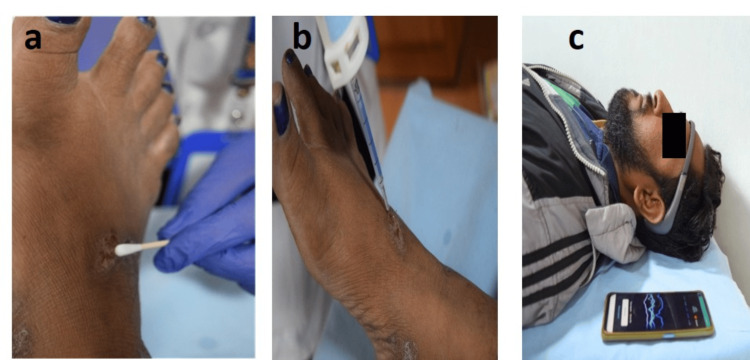 Figure 1
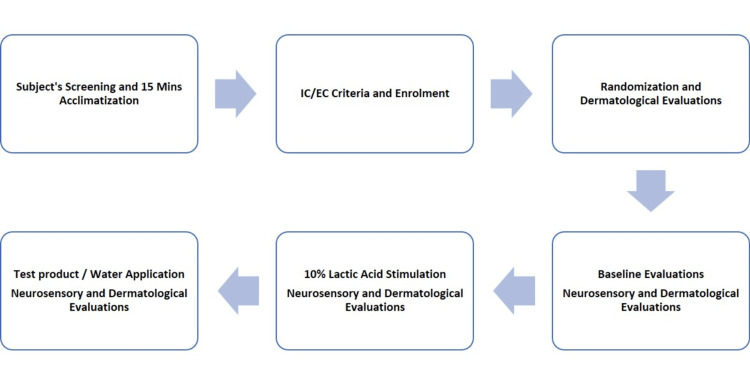 Figure 2
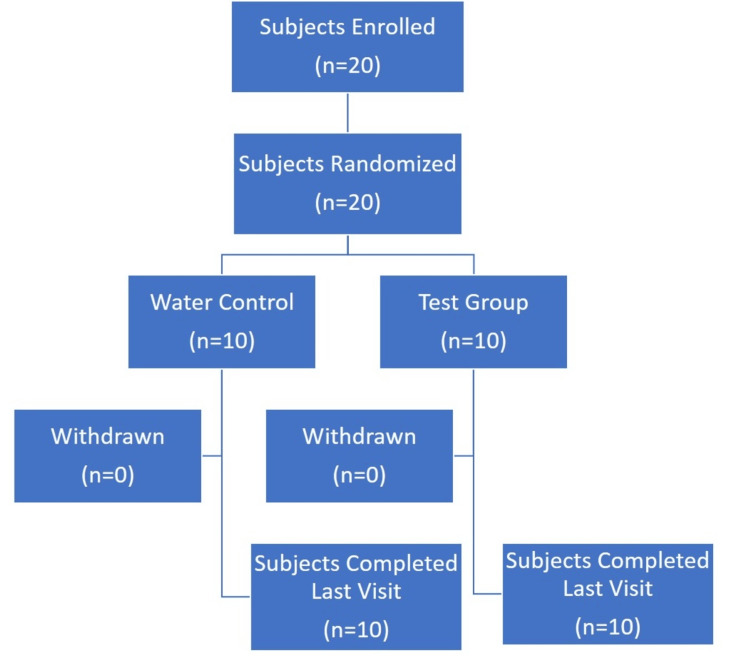 Figure 3
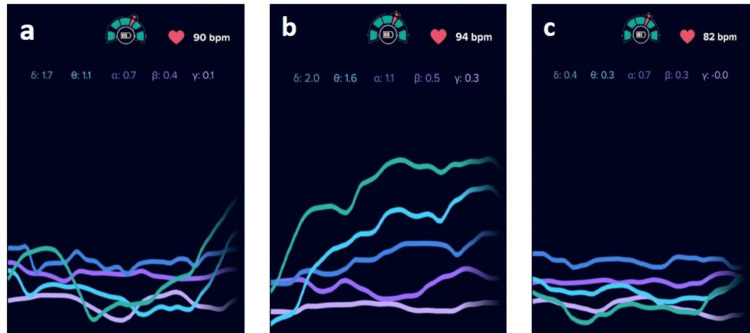 Figure 4
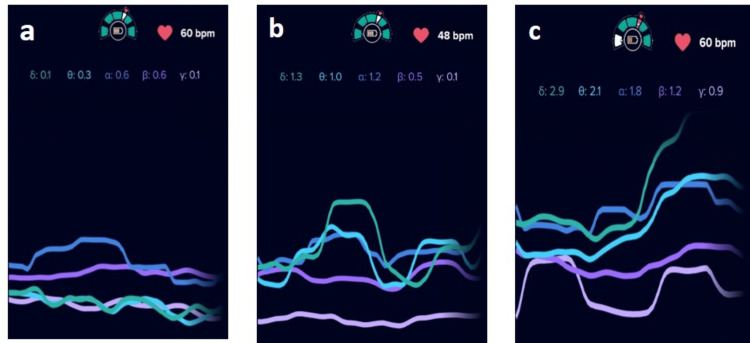 Figure 5
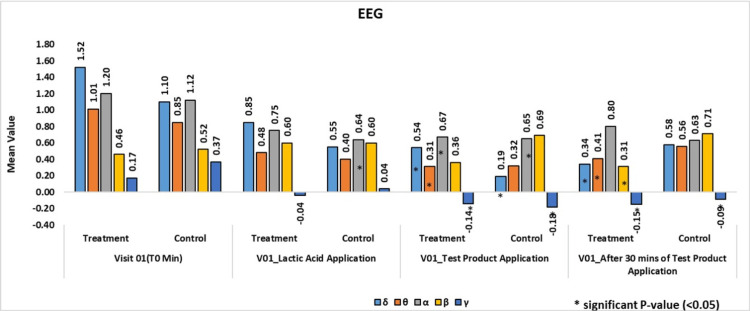 Figure 6
Peer Reviews
No public reviews on file for this paper yet. If you reviewed it on a platform where reviews are public (OpenReview, ICLR, NeurIPS, ICML), you can paste yours below so the community can read it here.
Videos
No videos yet. Explain this paper in a talk, walkthrough, or lecture? Add one.
Taxonomy
TopicsDermatology and Skin Diseases · Body Image and Dysmorphia Studies · Acne and Rosacea Treatments and Effects