Interactions between gut commensal bacteria and polysaccharides derived from algae and legumes: identification of metabolites produced and pathways involved
Paul Biscarrat, Frederic Pepke, Clémence Defois-Fraysse, Aya Jeaidi, Christelle Hennequet-Antier, Olivier Rué, Florence Castelli, Céline Chollet, Cassandre Bedu-Ferrari, Jean-Yves Berthon, Cyril Chaudemanche, Assia Dreux-Zigha, Philippe Langella, Claire Cherbuy

TL;DR
This study explores how gut bacteria break down fibers from chickpeas and algae, revealing which bacteria thrive and what health-related compounds they produce.
Contribution
The study identifies specific gut bacteria and metabolic pathways involved in processing fibers from chickpeas and algae, linking fiber structure to microbial functions.
Findings
Chickpea oligosaccharides are broadly utilized by gut commensal bacteria across multiple phyla.
Algal polysaccharides are metabolized mainly by specific Bacteroidota species.
Transcriptomic analysis shows coordinated gene activation for raffinose metabolism in Bacteroidota.
Abstract
•Chickpea oligosaccharides are broadly utilized by gut commensal bacteria.•Algal polysaccharide use is limited to specific Bacteroidota species.•Algae and chickpea fibers enhance short-chain faty acid production.•Transcriptomics reveal coordinated genes for raffinose metabolism. Chickpea oligosaccharides are broadly utilized by gut commensal bacteria. Algal polysaccharide use is limited to specific Bacteroidota species. Algae and chickpea fibers enhance short-chain faty acid production. Transcriptomics reveal coordinated genes for raffinose metabolism. Diet is a key driver of gut microbiome functions, largely via microbial fermentation of dietary fibers. We investigated how 15 human gut commensals from Bacteroidota, Bacillota, and Actinomycetota metabolize structurally distinct poly-/oligosaccharides from algae (Ulva lactuca, Saccharina latissima, Undaria pinnatifida) and chickpeas…
Genes, proteins, chemicals, diseases, species, mutations and cell lines named across the full text — each resolved to its canonical identifier and authoritative record.
Click any figure to enlarge with its caption.
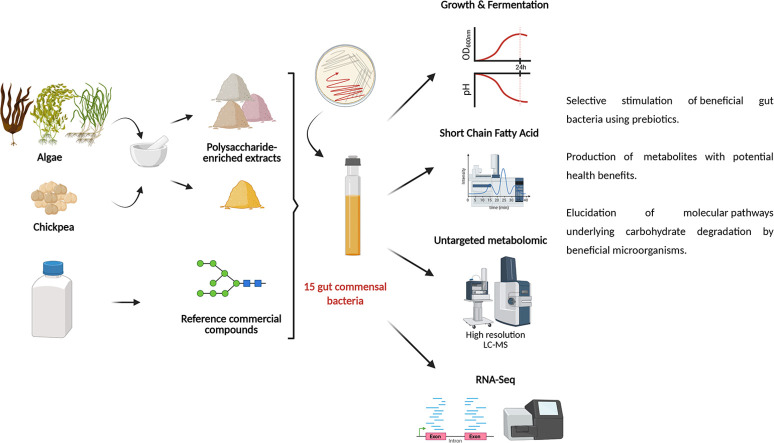 Figure 1
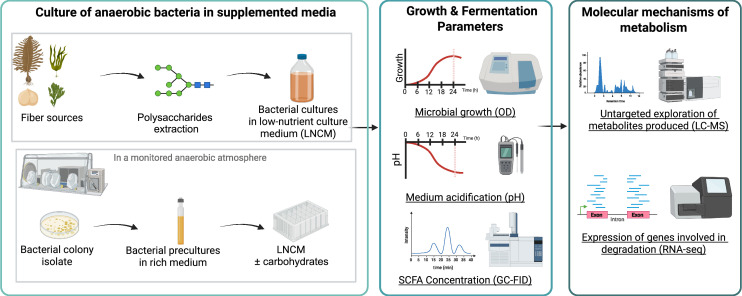 Figure 2
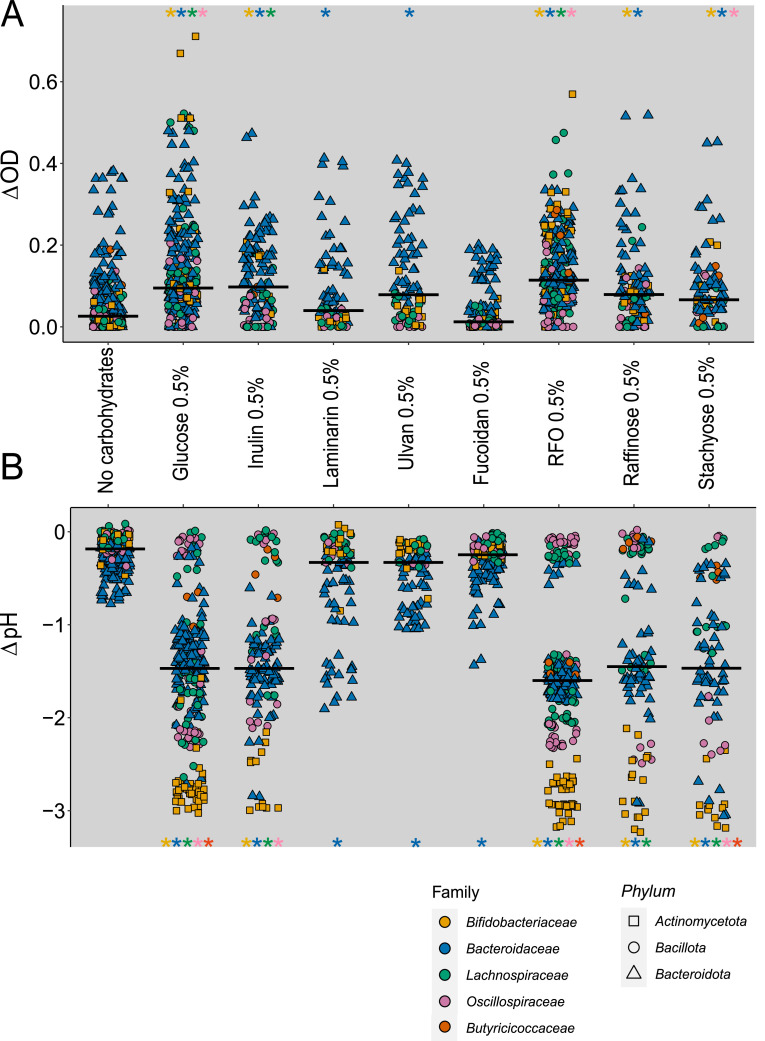 Figure 3
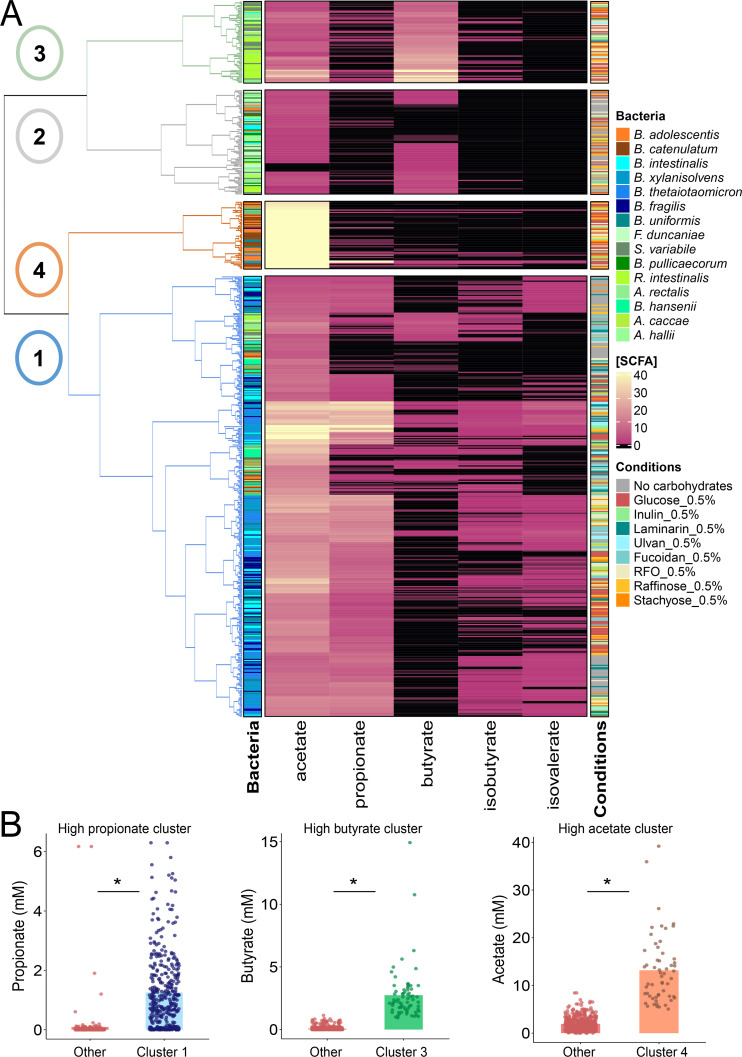 Figure 4
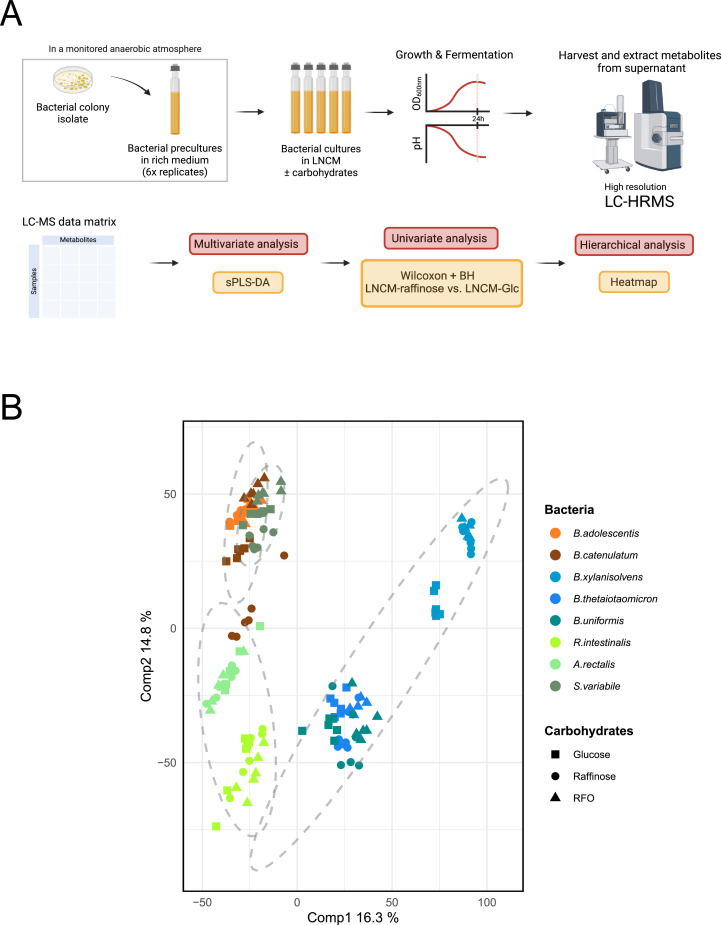 Figure 5
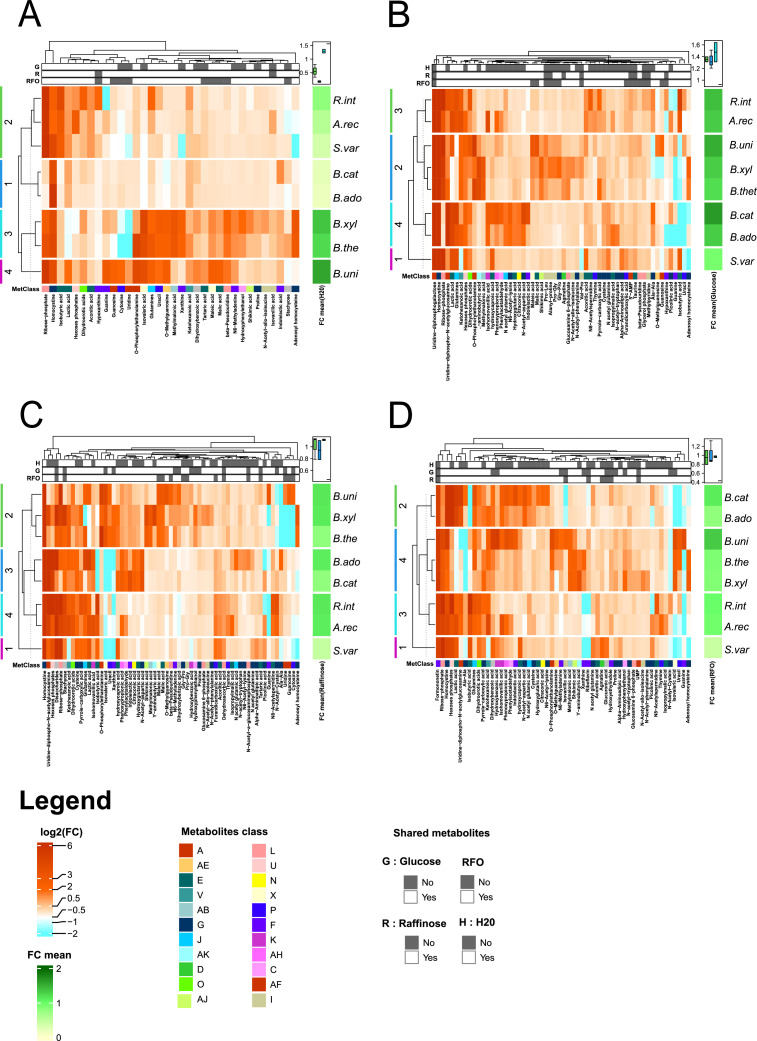 Figure 6
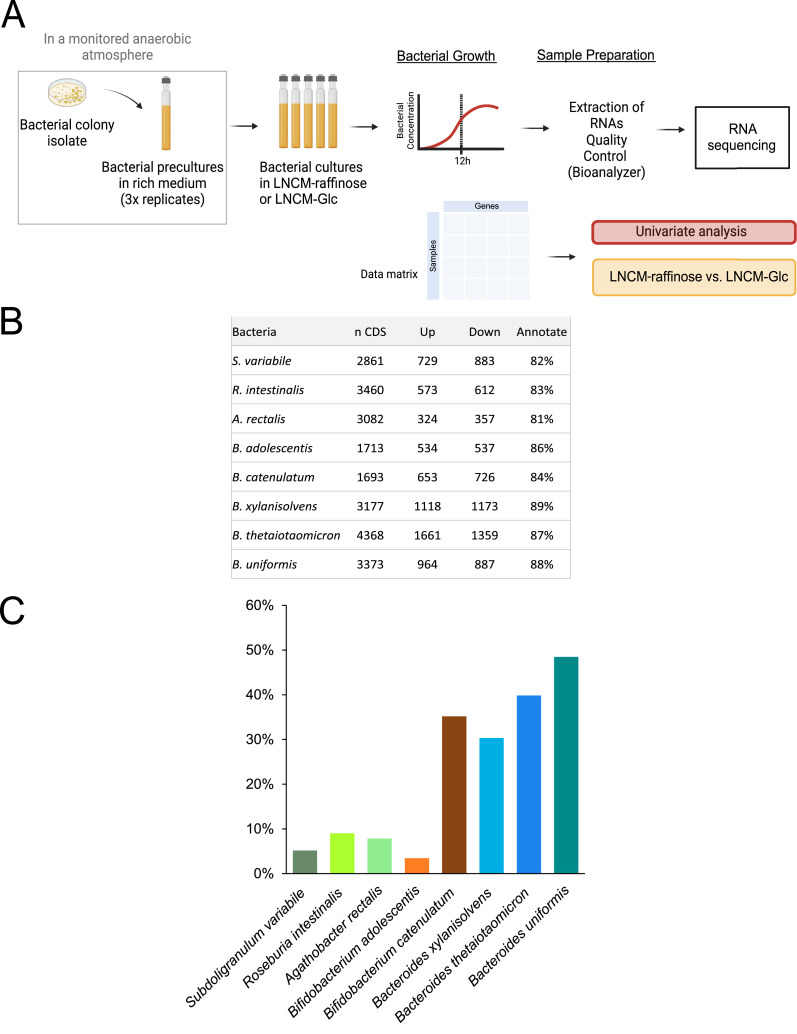 Figure 7
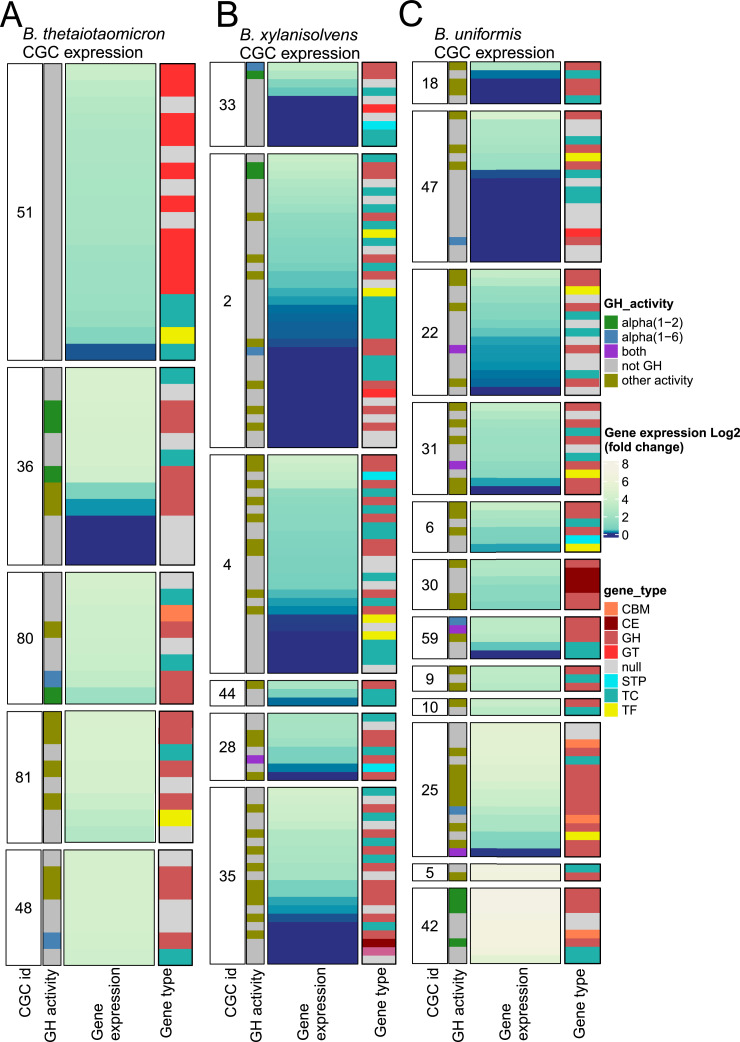 Figure 8
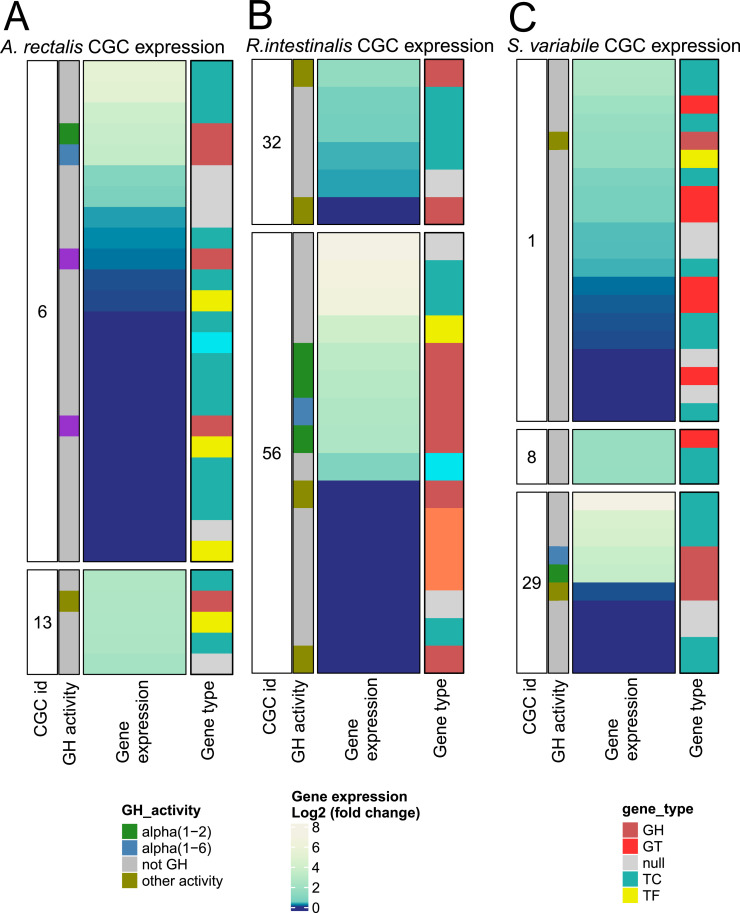 Figure 9
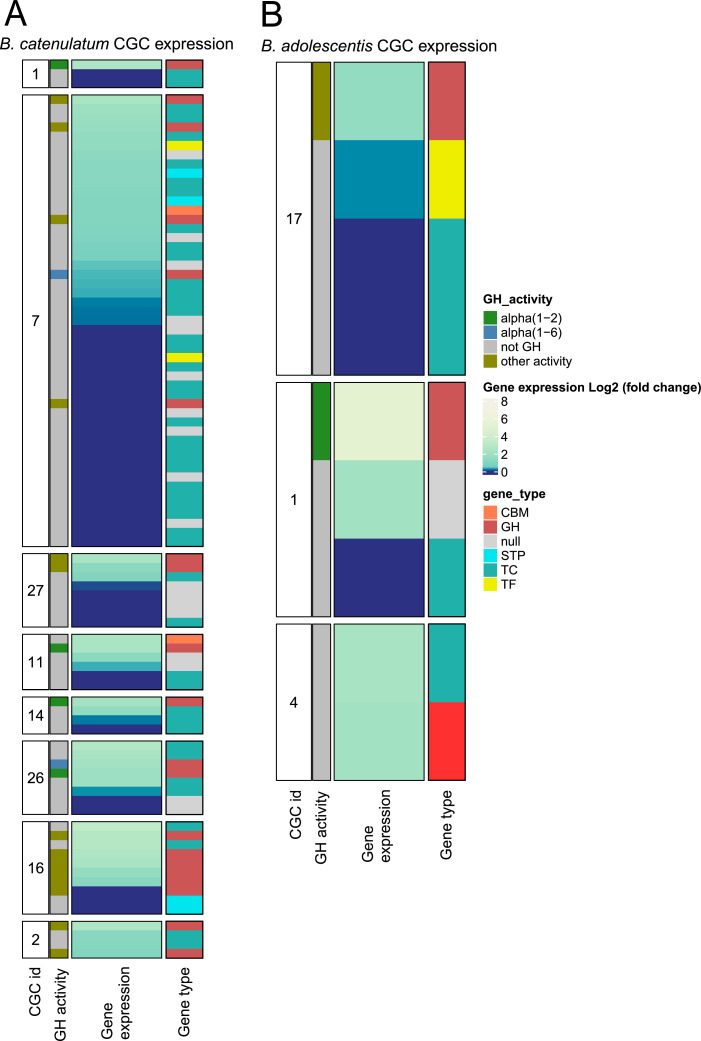 Figure 10
Peer Reviews
No public reviews on file for this paper yet. If you reviewed it on a platform where reviews are public (OpenReview, ICLR, NeurIPS, ICML), you can paste yours below so the community can read it here.
Videos
No videos yet. Explain this paper in a talk, walkthrough, or lecture? Add one.
Taxonomy
TopicsSeaweed-derived Bioactive Compounds · Polysaccharides and Plant Cell Walls · Polysaccharides Composition and Applications