Glycosaminoglycan-functionalized hydrogels for sustained delivery of tissue inhibitor of metalloproteinase-3 mediating matrix metalloprotease inhibition and extracellular matrix stabilization
Fabian Junker, Stefan Rupf, Paula Marie Schindler, Cedric Wilden, Mathias Hohl, Gloria Ruiz-Gómez, M. Teresa Pisabarro, Selina Wrublewsky, Caroline Bickelmann, Charlotte Berhorst, Dalia Alansary, Ben Wieland, Markus Bischoff, Poh Soo Lee, Stephanie Moeller, Albrecht Berg

TL;DR
This study develops a hydrogel that delivers TIMP-3 to reduce tissue damage by inhibiting harmful enzymes and stabilizing the extracellular matrix.
Contribution
A novel GAG-functionalized hydrogel system for sustained TIMP-3 delivery with controlled release and bioactivity is introduced.
Findings
sHAc-functionalized hydrogels sustained TIMP-3 release for 28 days and reduced ECM degradation.
TIMP-3 released from the hydrogels retained bioactivity and inhibited MMP-9 in vitro and ex vivo.
Murine models showed reduced inflammation and altered tissue signatures with sHAc-functionalized implants.
Abstract
Excessive protease activity and impaired tissue regeneration are hallmarks of many disease states. Elevated matrix metalloproteinase-9 (MMP-9) plays a key role in adverse tissue remodeling by excessively degrading extracellular matrix (ECM) components and growth factors. Tissue inhibitor of metalloproteinase-3 (TIMP-3) regulates ECM turnover, and its bioavailability is influenced by glycosaminoglycans (GAGs). This study aimed to develop a methacrylated gelatin (GelMA)-based hydrogel functionalized with acrylated sulfated hyaluronan (sHAc) as a TIMP-3 delivery system to decrease ECM degradation under pathophysiological conditions. sHAc incorporation enhanced hydrogel stiffness, reduced degradation rates and yielded sustained TIMP-3 release for up to 28 days. Molecular modeling and surface plasmon resonance demonstrated preferential binding of TIMP-3 to sHAc over hyaluronan methacrylates,…
Genes, proteins, chemicals, diseases, species, mutations and cell lines named across the full text — each resolved to its canonical identifier and authoritative record.
Click any figure to enlarge with its caption.
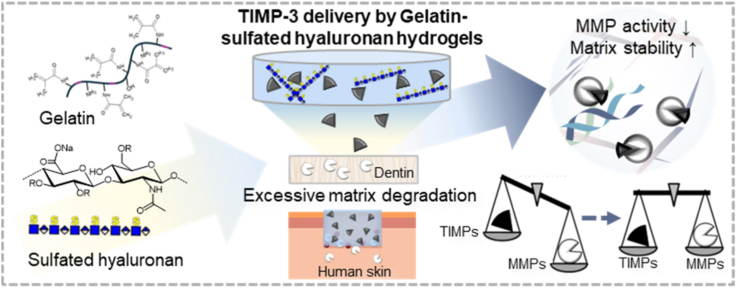 Figure 1
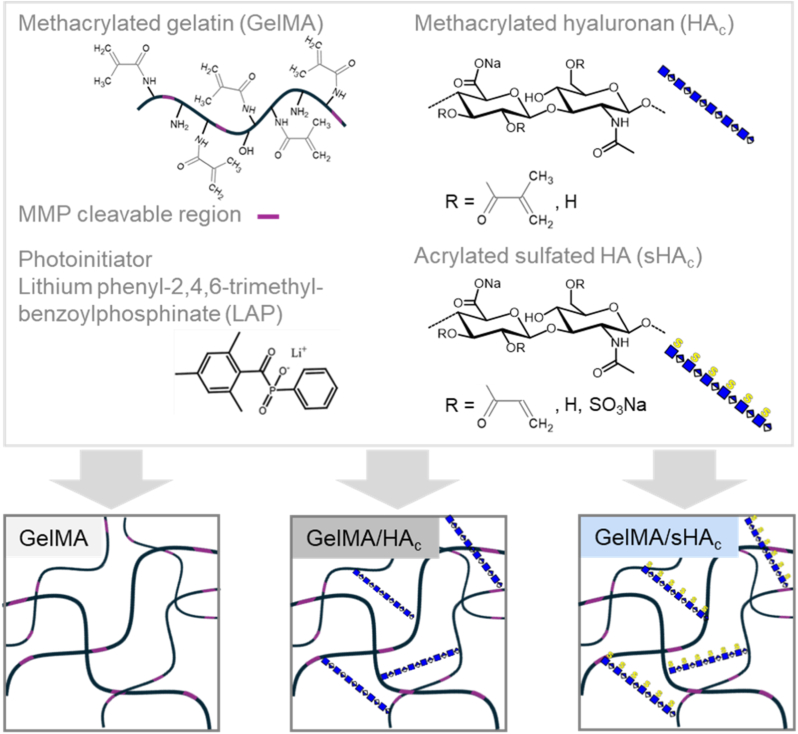 Figure 2
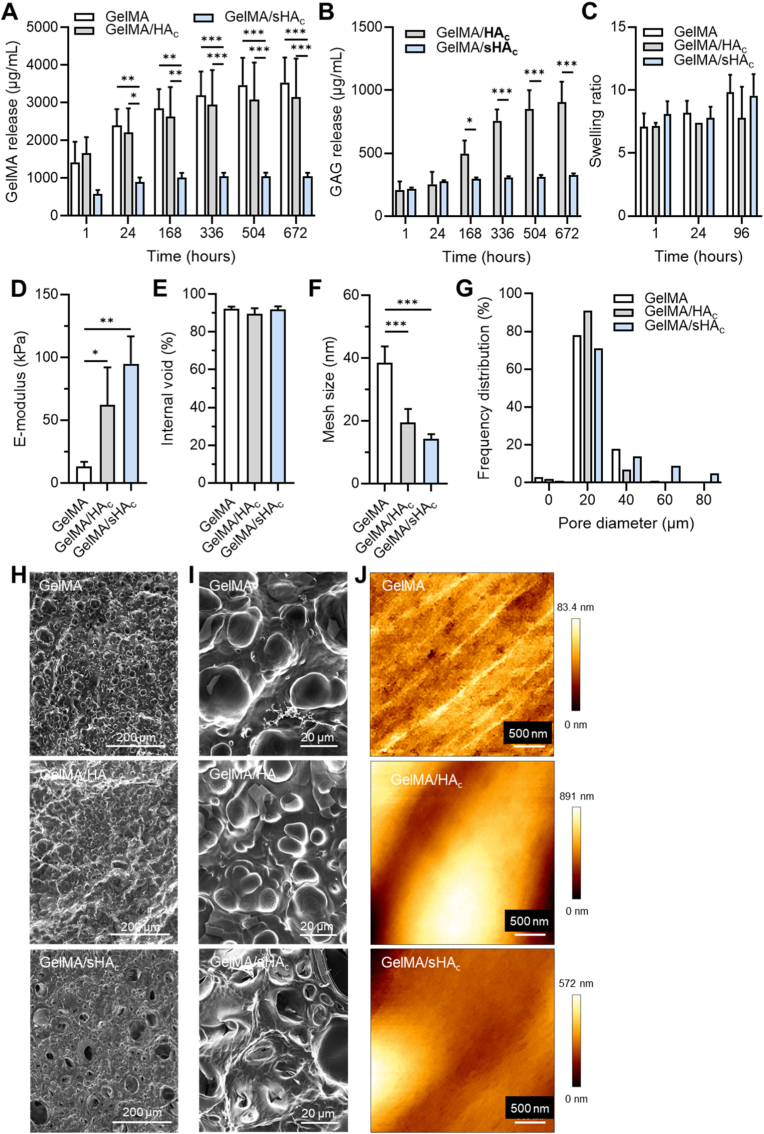 Figure 3
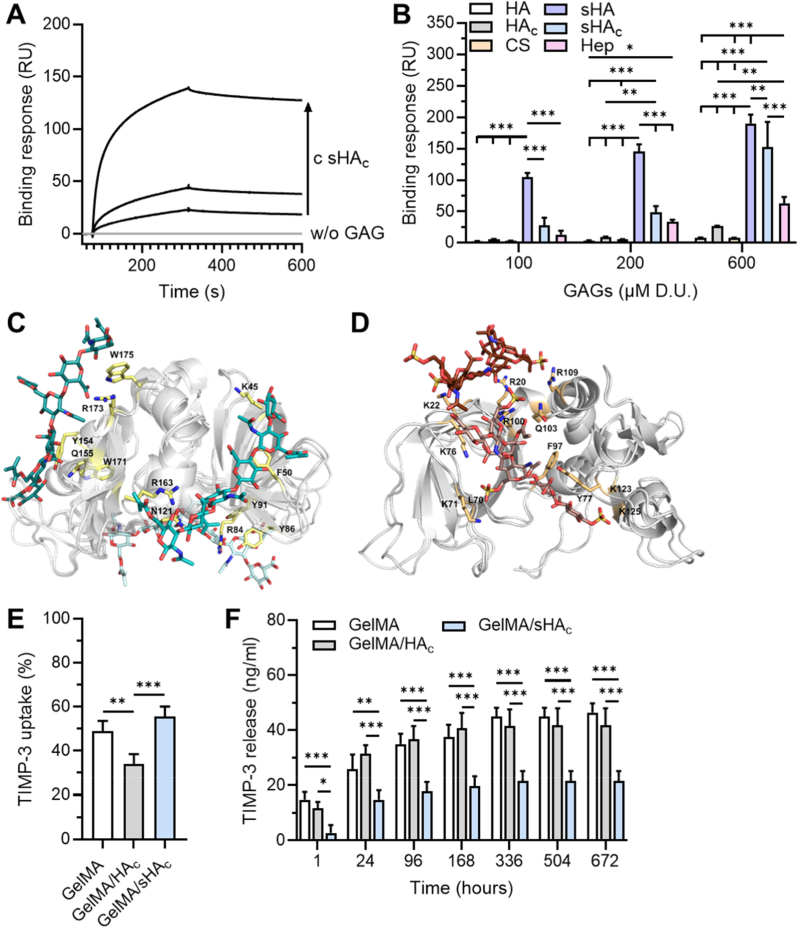 Figure 4
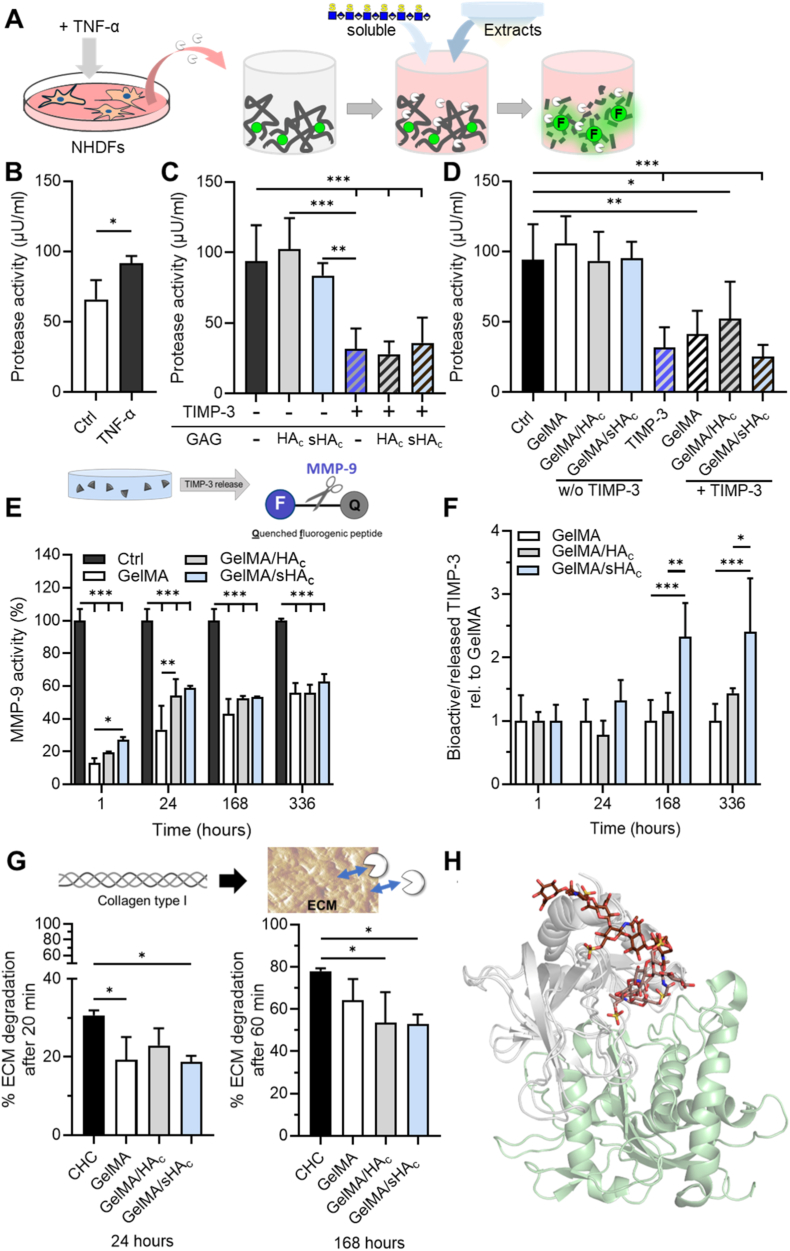 Figure 5
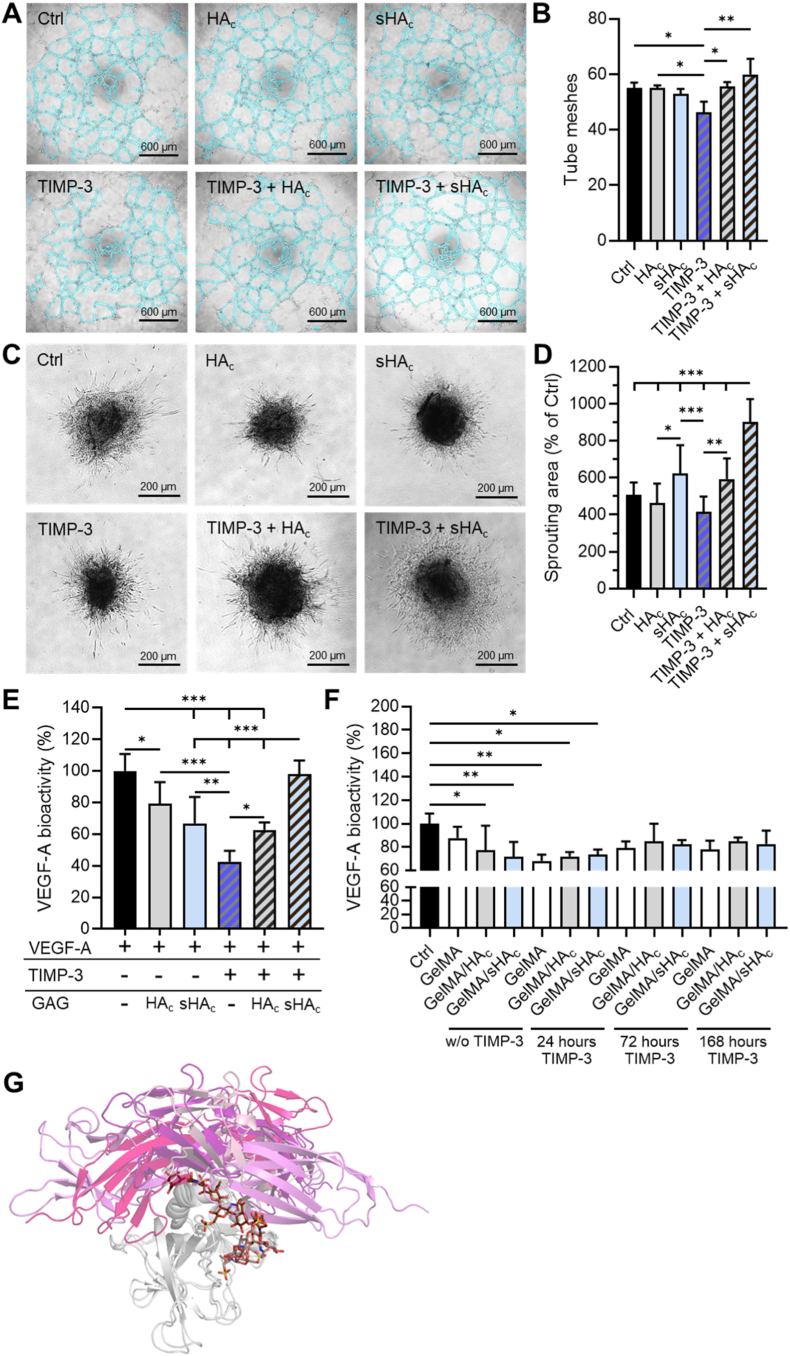 Figure 6
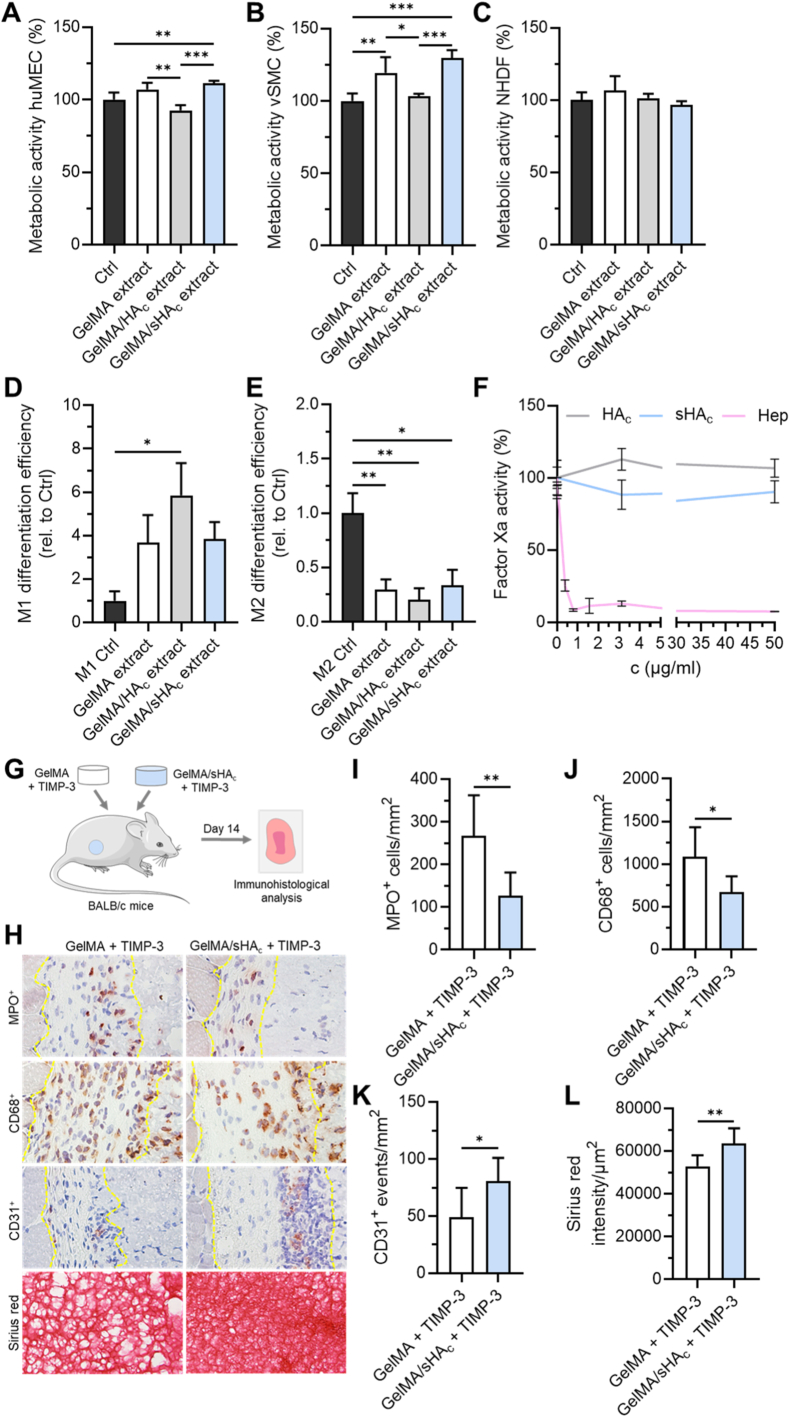 Figure 7
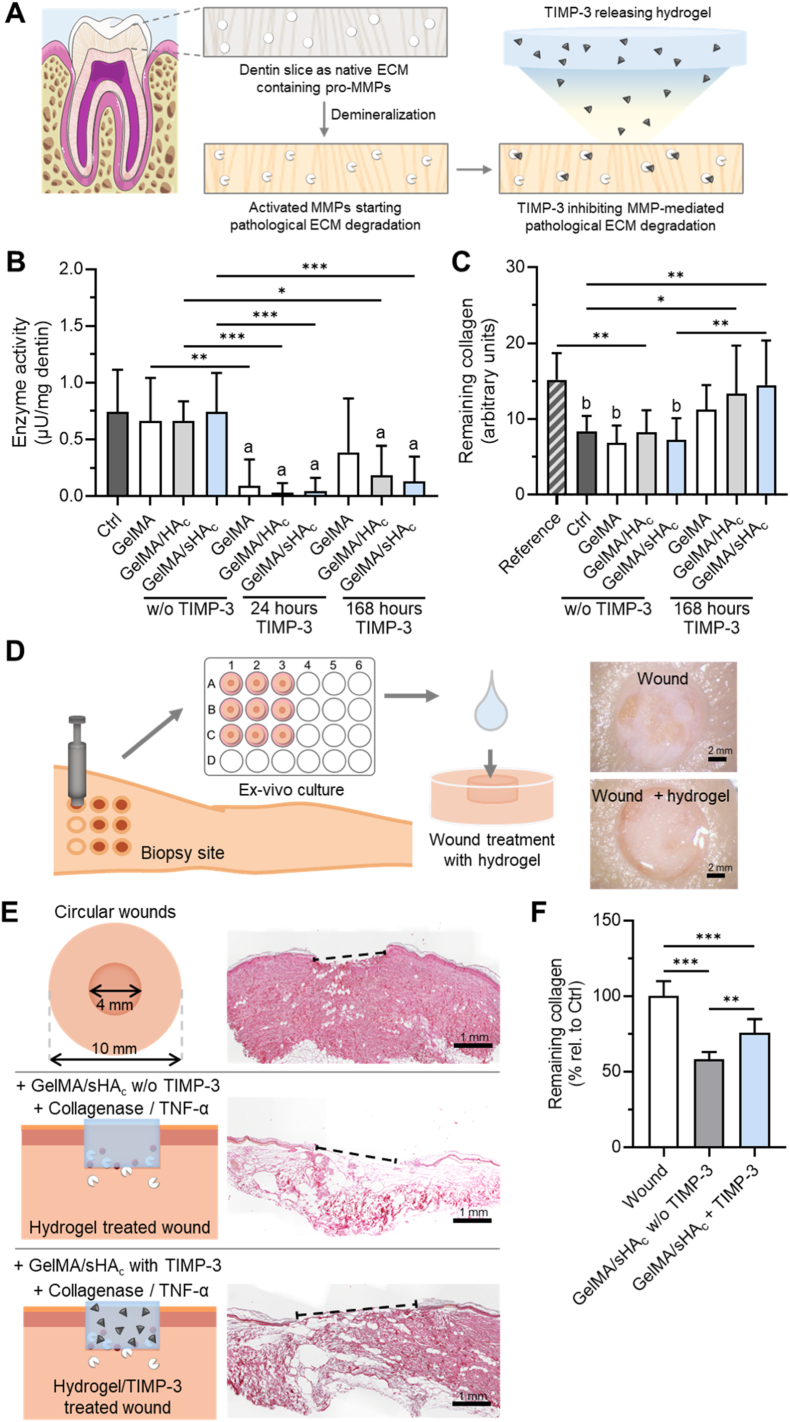 Figure 8
Peer Reviews
No public reviews on file for this paper yet. If you reviewed it on a platform where reviews are public (OpenReview, ICLR, NeurIPS, ICML), you can paste yours below so the community can read it here.
Videos
No videos yet. Explain this paper in a talk, walkthrough, or lecture? Add one.
Taxonomy
TopicsProtease and Inhibitor Mechanisms · Proteoglycans and glycosaminoglycans research · Hydrogels: synthesis, properties, applications