Taxonomic assessment of phlebotomine sand flies in Southeast Asia based on records from Cambodia
Didot Budi Prasetyo, Thibault Vallecillo, Eva Krupa, Julian Gratiaux, Alicia Vol, Mathieu Loyer, Jean-Philippe Martinet, Quentin Di Brasi, Khamsing Vongphayloth, Bruno Mathieu, Sébastien Boyer, Arezki Izri, Frédérick Gay, Jérôme Depaquit

TL;DR
This study identifies and analyzes sand fly species in Cambodia, revealing new insights into their diversity and potential role in disease transmission.
Contribution
The first comprehensive inventory of phlebotomine sand flies in Cambodia, identifying 10 species and highlighting potential new species within complexes.
Findings
A total of 10 sand fly species were identified across four genera in Cambodia.
Genetic and morphological analyses suggest the presence of previously undescribed species within the Sergentomyia barraudi and Se. iyengari complexes.
Grassomyia specimens showed morphological variation but genetic similarity to Gr. indica from other regions.
Abstract
Previously considered a leishmaniasis-free region, Southeast Asia has reported emerging cases over the past 20 years. This has renewed interest in the primary vectors, the phlebotomine sand flies. However, information on these vectors in Southeast Asia, particularly in Cambodia, remains scarce. To update distribution records and assess species diversity, CDC light traps were deployed to collect sand flies at 16 locations across several provinces of Cambodia in 2011 and 2014. A total of 940 sand flies were collected and identified both morphologically and molecularly using cytochrome b as a marker gene. Species identification revealed the presence of four genera and 10 species. The predominant species was Grassomyia sp. (21.9%), followed by Sergentomyia sylvatica (21.4%) and Sergentomyia iyengari Group (16.7%). Generally identified as Grassomyia indica, the Grassomyia specimens found in…
Genes, proteins, chemicals, diseases, species, mutations and cell lines named across the full text — each resolved to its canonical identifier and authoritative record.
Click any figure to enlarge with its caption.
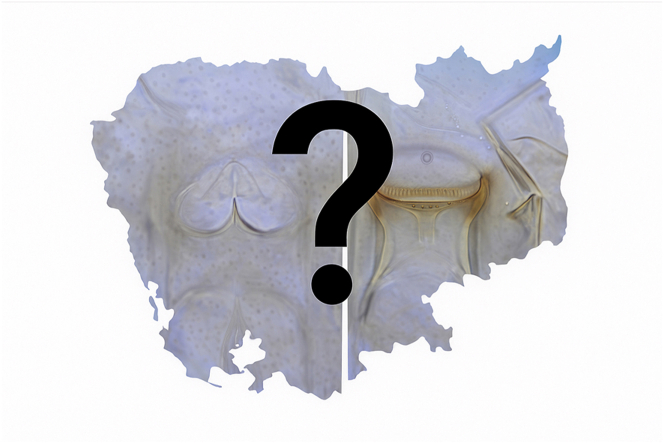 Figure 1
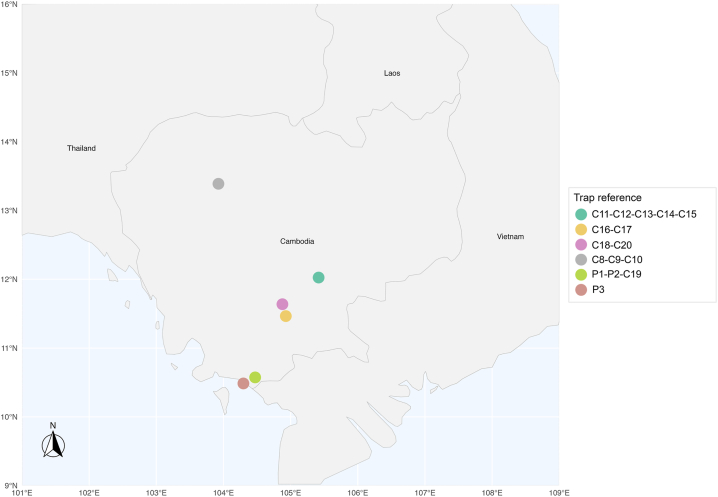 Figure 2
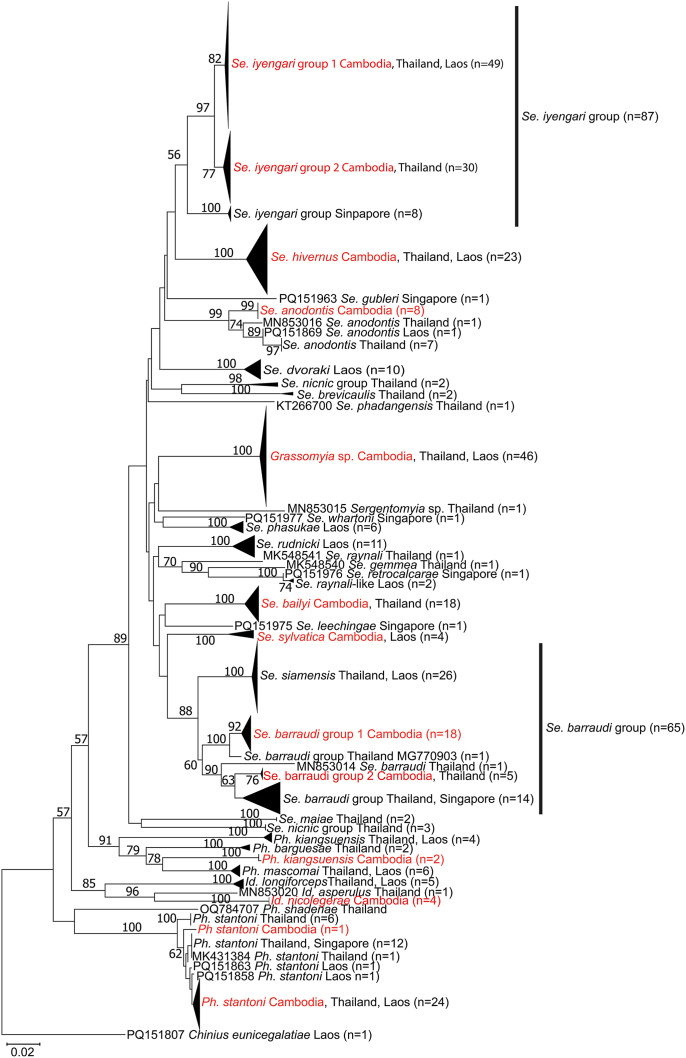 Figure 3
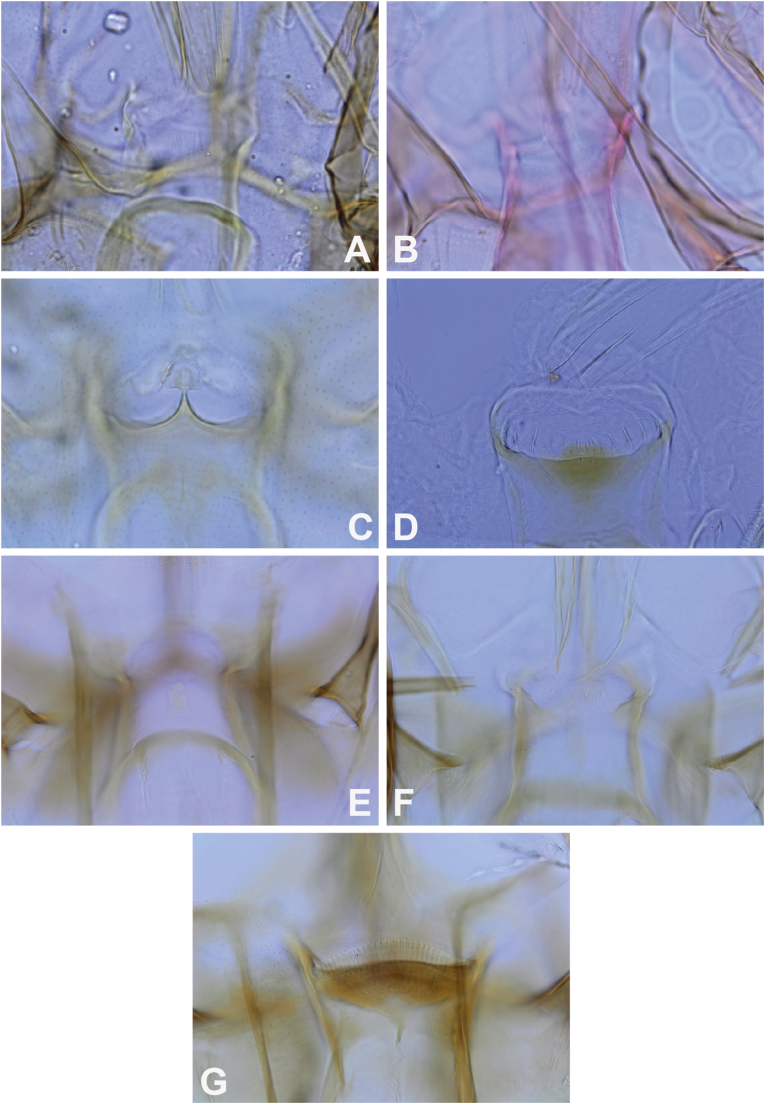 Figure 4
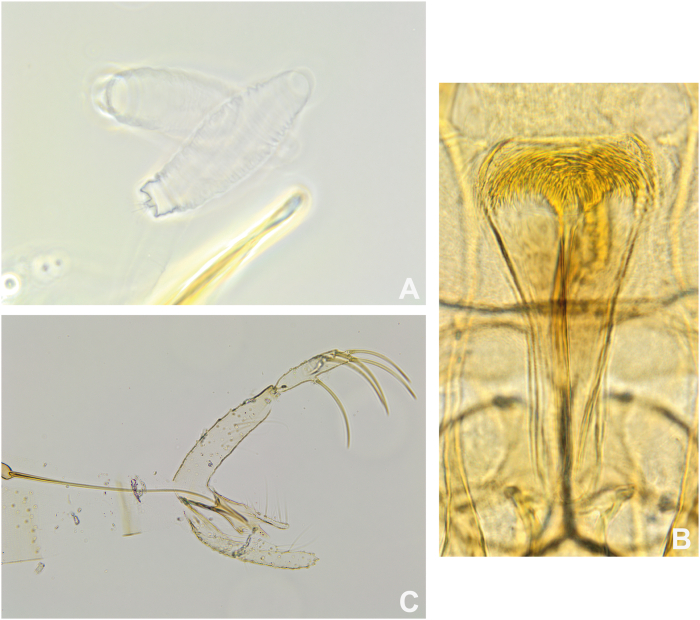 Figure 5
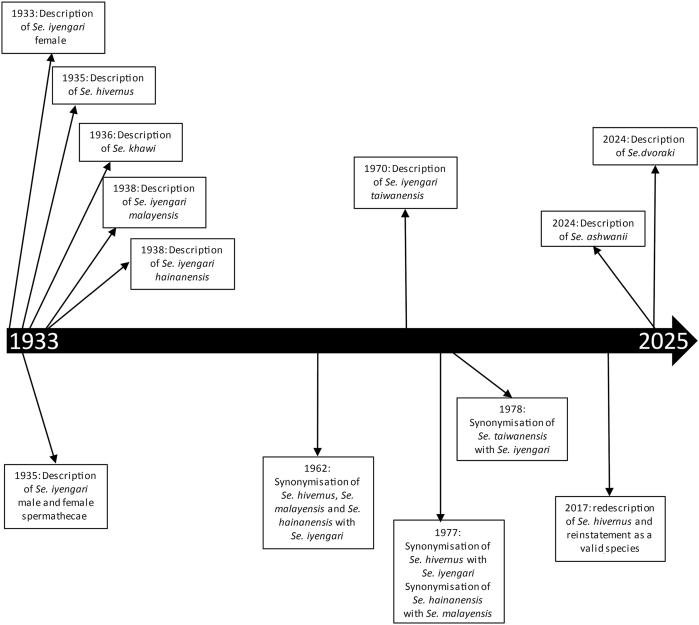 Figure 6
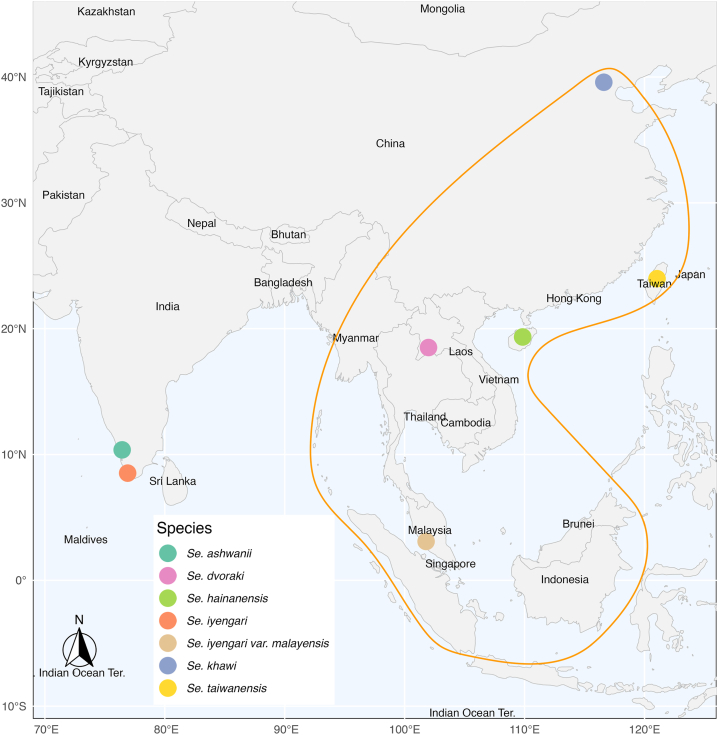 Figure 7
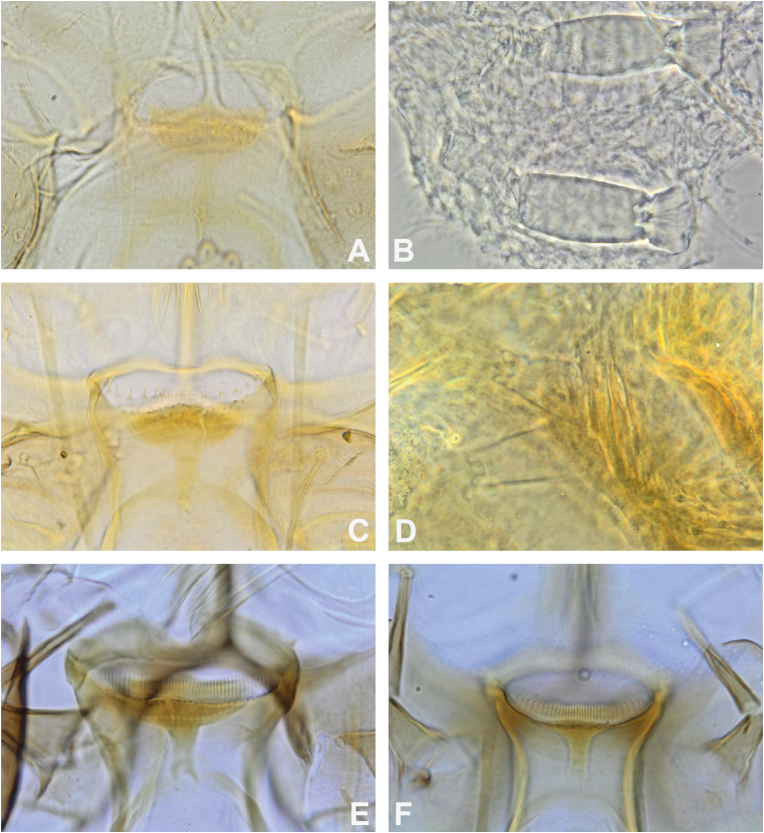 Figure 8
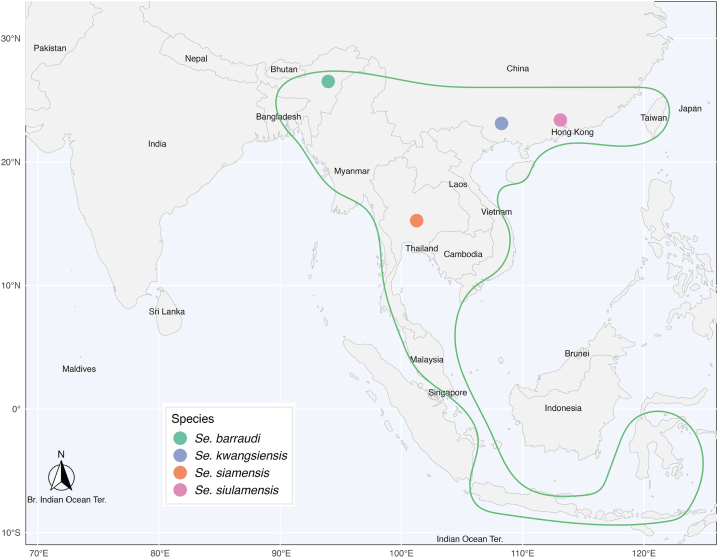 Figure 9
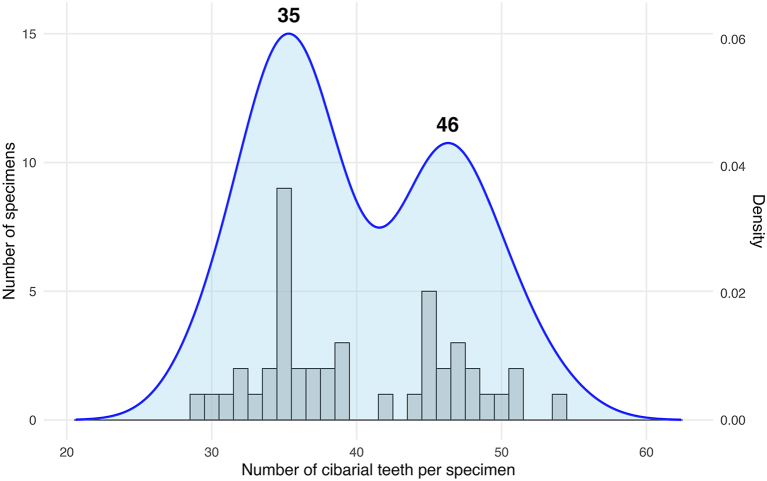 Figure 10
Peer Reviews
No public reviews on file for this paper yet. If you reviewed it on a platform where reviews are public (OpenReview, ICLR, NeurIPS, ICML), you can paste yours below so the community can read it here.
Videos
No videos yet. Explain this paper in a talk, walkthrough, or lecture? Add one.
Taxonomy
TopicsResearch on Leishmaniasis Studies · Tuberous Sclerosis Complex Research · Diptera species taxonomy and behavior