Absence of pesticide avoidance during chronic colony-level exposure modifies locomotor activity in bumble bees
Lívia Maria Negrini Ferreira, Gaetana Mazzeo, Maria Augusta Pereira Lima

TL;DR
Bumble bees did not avoid food contaminated with common pesticides, leading to harmful effects on their behavior and survival.
Contribution
The study reveals that bumble bees do not avoid pesticide-contaminated food, and that chronic exposure alters their locomotor activity.
Findings
Bumble bees did not avoid food contaminated with acetamiprid, glyphosate, or metalaxyl-M.
Pesticide exposure increased resting time and meandering while reducing movement and speed.
The biopesticide sweet orange essential oil reduced food consumption and survival in bees.
Abstract
Exposure to pesticides partly depends on the foraging behavior of bees, which may exhibit indifference, deterrence, or attraction to contaminated food. In the present study, we conducted laboratory experiments to test the foraging avoidance of Bombus terrestris for honey syrup contaminated with field-realistic concentrations of the neonicotinoid acetamiprid (ACE), herbicide glyphosate (GLY), and fungicide metalaxyl-M (MET). Tests were also conducted with the recommended field concentration of a biopesticide, the sweet orange essential oil (EOE). Bees’ behavior, and lethal and sublethal effects of the pesticides on bumble bees were assessed at the individual (isolated foragers) and colony (colony exposure) levels. Bees did not display any avoidance for contaminated or uncontaminated food at the individual or colony levels in the ACE, GLY, and MET treatments. However, the EOE treatment…
Genes, proteins, chemicals, diseases, species, mutations and cell lines named across the full text — each resolved to its canonical identifier and authoritative record.
Click any figure to enlarge with its caption.
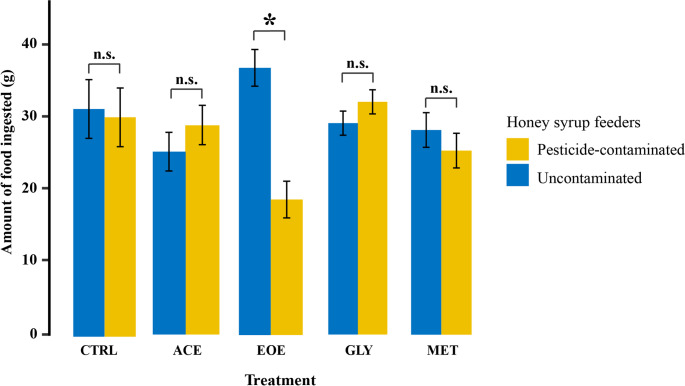 Figure 1
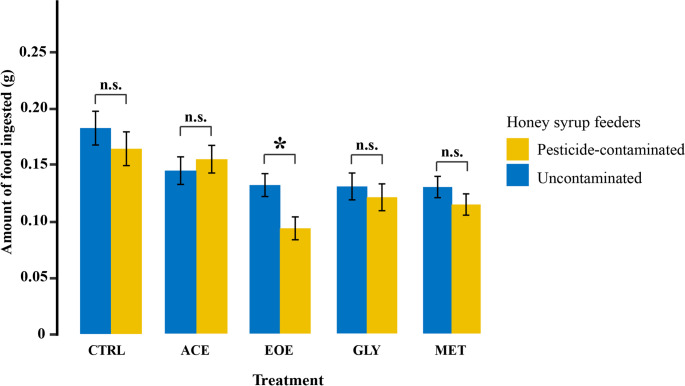 Figure 2
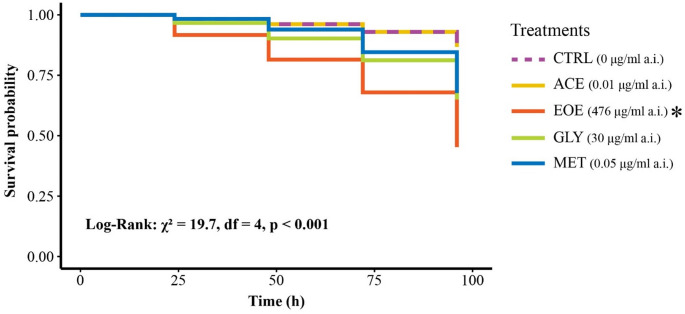 Figure 3
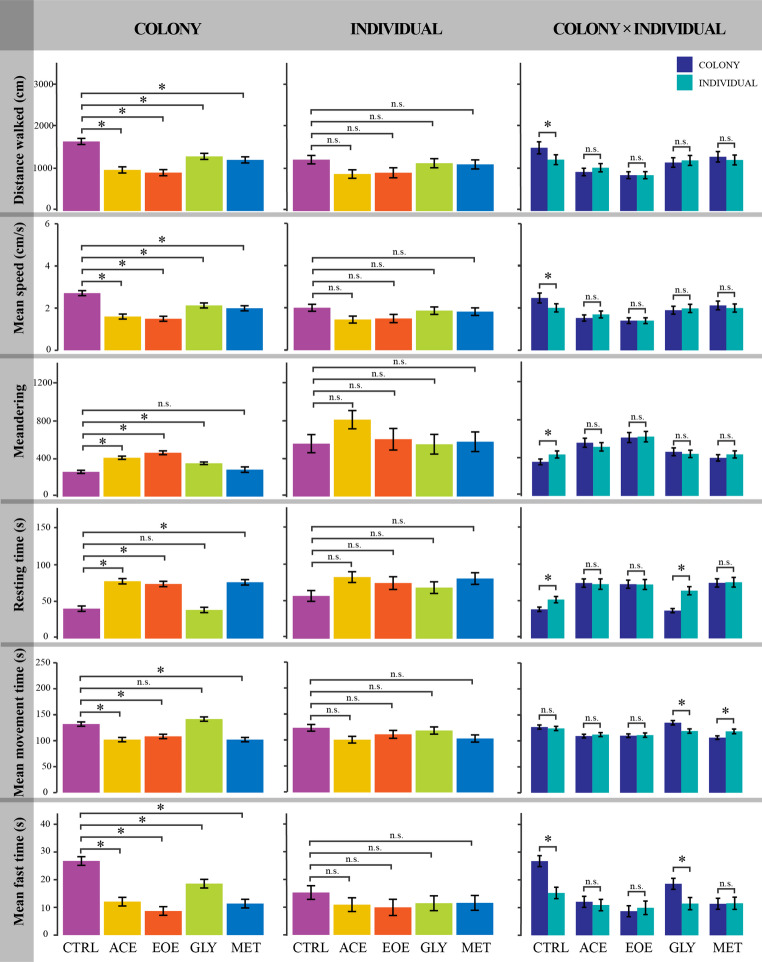 Figure 4
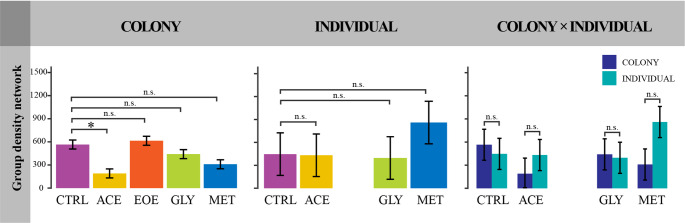 Figure 5
Peer Reviews
No public reviews on file for this paper yet. If you reviewed it on a platform where reviews are public (OpenReview, ICLR, NeurIPS, ICML), you can paste yours below so the community can read it here.
Videos
No videos yet. Explain this paper in a talk, walkthrough, or lecture? Add one.
Taxonomy
TopicsInsect and Pesticide Research · Insect and Arachnid Ecology and Behavior · Environmental Toxicology and Ecotoxicology