Transcranial Photobiomodulation Modulates Oxidative Stress Biomarkers and Complex IV Activity in Anhedonic-Like Behavior
Luciana Bortoluzzi, Rafael Colombo, Karoline Borges da Motta Pinto, Lucas Henriques Viscardi, Ricardo Missiaggia, Douglas Jean Turella, Lisandra Schwantess, Mirian Salvador, Catia Santos Branco, Marina Rigotti, Ellen Scotton, Tainá Schons, Silene Bazi Ribeiro

TL;DR
This study shows that transcranial light therapy improves depression-like symptoms in rats by reducing oxidative stress and boosting mitochondrial function.
Contribution
The study demonstrates that red and infrared transcranial photobiomodulation improves oxidative stress and mitochondrial activity in a depression model.
Findings
tPBM increased sucrose consumption in susceptible rats compared to sham treatment.
Red tPBM reduced lipid damage in blood, similar to non-stressed controls.
Infrared tPBM enhanced hippocampal nitric oxide and prefrontal mitochondrial activity.
Abstract
Major depressive disorder (MDD) is a prevalent and complex condition with limited treatment success in many patients. Photobiomodulation (PBM), particularly transcranial PBM (tPBM) using red to near-infrared light, has emerged as a promising non-invasive intervention. However, optimal parameters and precise mechanisms remain unclear. This research aimed to analyze the effects of transcranial photobiomodulation (red and infrared) on behavioral and biological parameters related to MDD in a chronic mild stress (CMS) model. Male Wistar rats were exposed to CMS for five weeks and subsequently categorized into two groups—resilient (CMS-R) and susceptible (CMS-S)—based on their performance in the sucrose consumption test (SCT). The CMS-S group was further divided into three subgroups: (1) sham treatment, (2) tPBM red (600 nm), and (3) tPBM infrared (840 nm). A control group of non-stressed…
Genes, proteins, chemicals, diseases, species, mutations and cell lines named across the full text — each resolved to its canonical identifier and authoritative record.
Click any figure to enlarge with its caption.
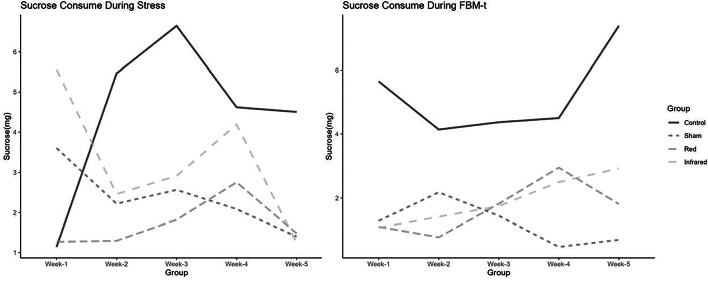 Figure 1
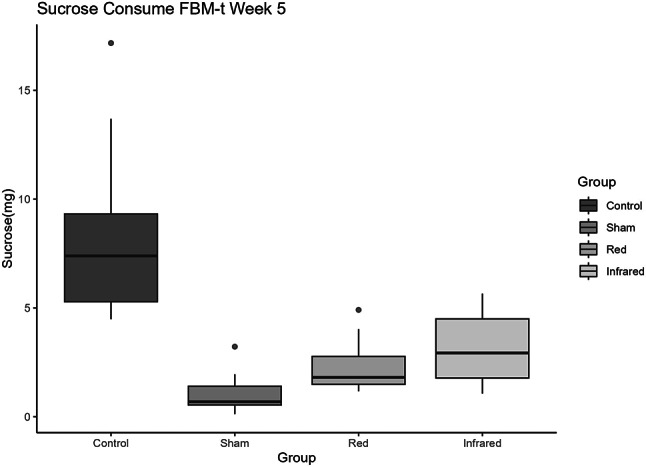 Figure 2
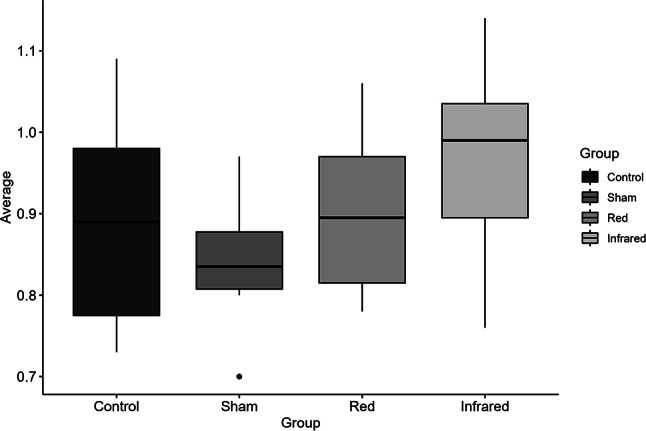 Figure 3
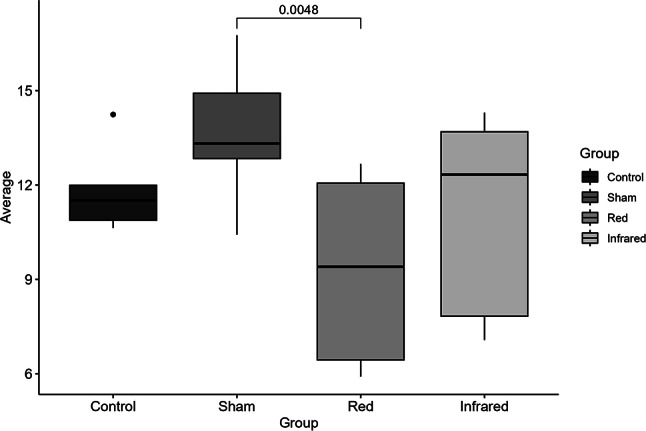 Figure 4
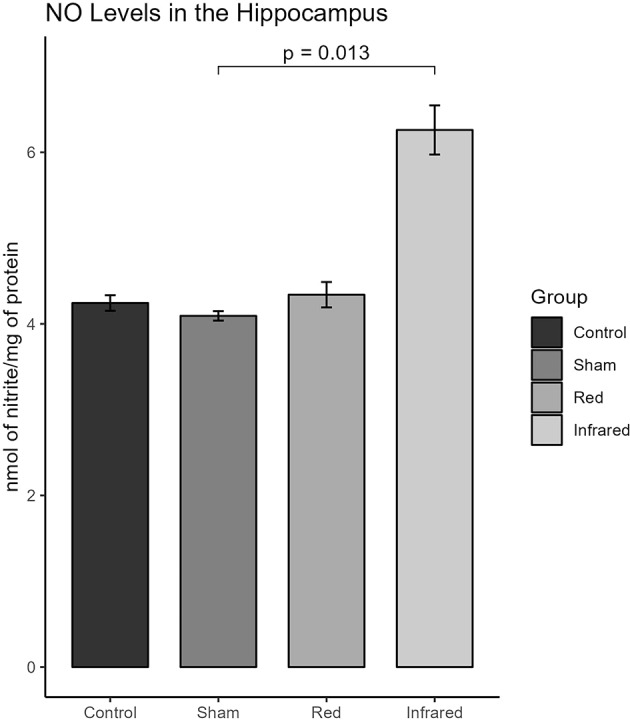 Figure 5
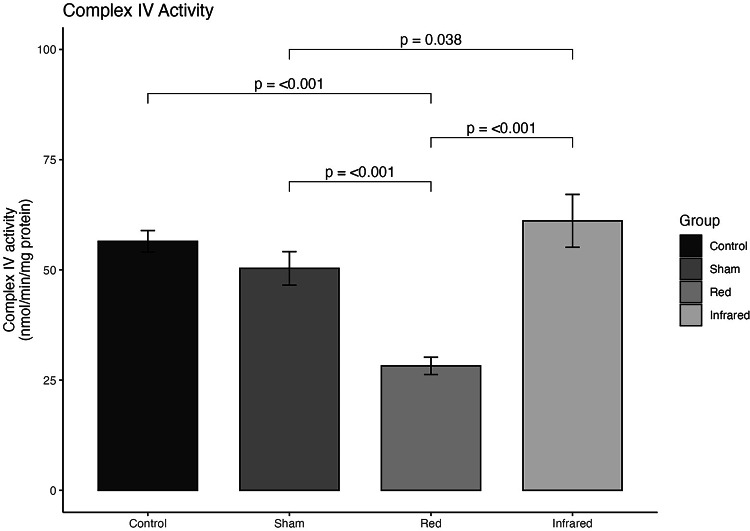 Figure 6
Peer Reviews
No public reviews on file for this paper yet. If you reviewed it on a platform where reviews are public (OpenReview, ICLR, NeurIPS, ICML), you can paste yours below so the community can read it here.
Videos
No videos yet. Explain this paper in a talk, walkthrough, or lecture? Add one.
Taxonomy
TopicsLaser Applications in Dentistry and Medicine · Photoreceptor and optogenetics research · Medical and Biological Ozone Research