Molecular insights into HER2/ERBB2 amplification and carcinogenesis in gallbladder cancer associated with pancreaticobiliary maljunction
Ming Zhu, Daisuke Douchi, Keigo Murakami, Taito Itoh, Shusuke Migita, Naoki Rikiyama, Shuichiro Hayashi, Takashi Kokumai, Hideaki Sato, Shingo Yoshimachi, Akiko Kusaka, Mitsuhiro Shimura, Shun Nakayama, Shuichi Aoki, Masahiro Iseki, Takayuki Miura, Shimpei Maeda, Masaharu Ishida

TL;DR
This study explores how a genetic change called HER2/ERBB2 amplification contributes to gallbladder cancer in patients with a condition called pancreaticobiliary maljunction.
Contribution
The study is the first to evaluate HER2/ERBB2 expression in gallbladder cancer with pancreaticobiliary maljunction using multiple advanced techniques.
Findings
ERBB2 amplification was detected in 50% of gallbladder cancer patients with pancreaticobiliary maljunction.
HER2 protein expression was significantly higher in gallbladder cancer with pancreaticobiliary maljunction compared to other groups.
The study highlights a potential molecular link between gallbladder cancer and pancreaticobiliary maljunction that could guide targeted therapies.
Abstract
Pancreaticobiliary maljunction (PBM) contributes to epithelial hyperplasia and, ultimately, the development of gallbladder cancer (GBC). Despite its clinical significance, the molecular and cellular mechanisms driving carcinogenesis in GBC with PBM remain poorly elucidated. This study investigated the oncogenic mechanisms, biomarkers, and performance associated with Erb-b2 receptor tyrosine kinase 2 (ERBB2)-targeted therapies in GBC with PBM. Overall, 127 surgically treated patients were stratified as follows: Group A, normal gallbladder; Group B, PBM; Group C, GBC without PBM; and Group D, GBC with PBM. We performed whole-exome sequencing (WES) for Group D and human epidermal growth factor receptor 2 immunohistochemistry (HercepTest) for the entire cohort. Fluorescence in situ hybridization (FISH) was used to clarify human epidermal growth factor receptor 2 (HER2) expression in cases…
Genes, proteins, chemicals, diseases, species, mutations and cell lines named across the full text — each resolved to its canonical identifier and authoritative record.
Click any figure to enlarge with its caption.
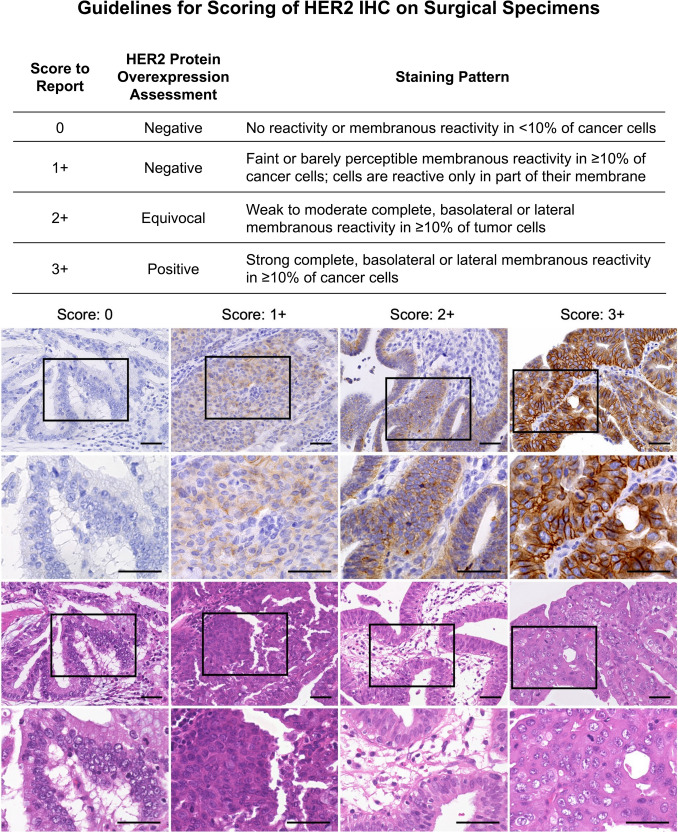 Figure 1
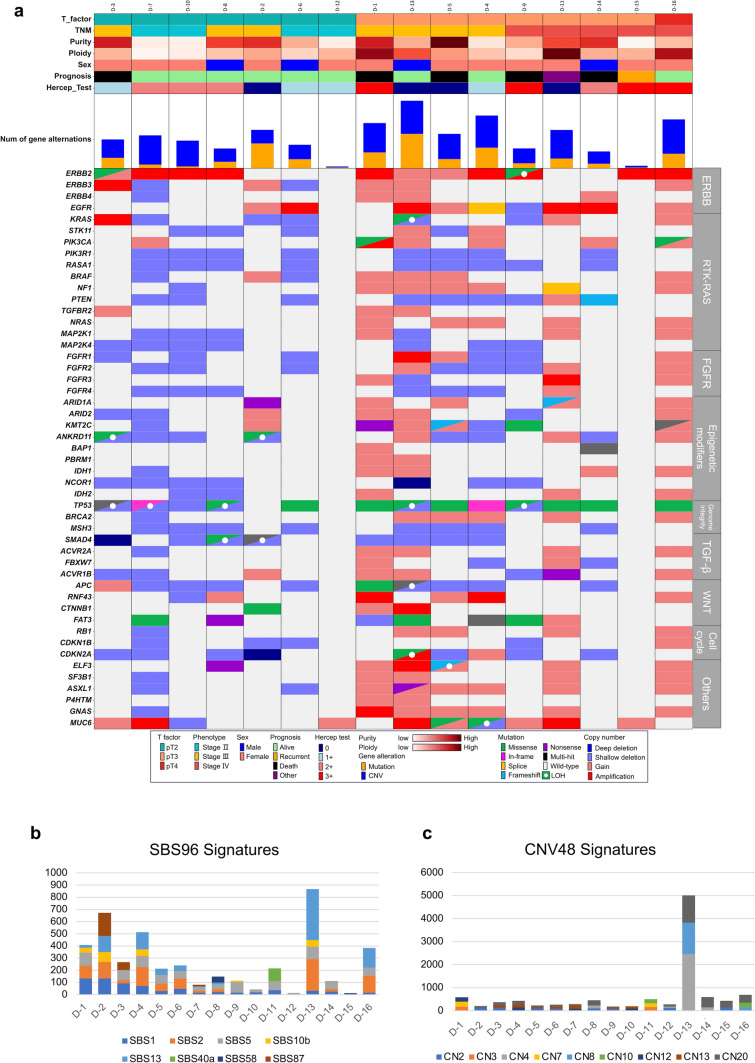 Figure 2
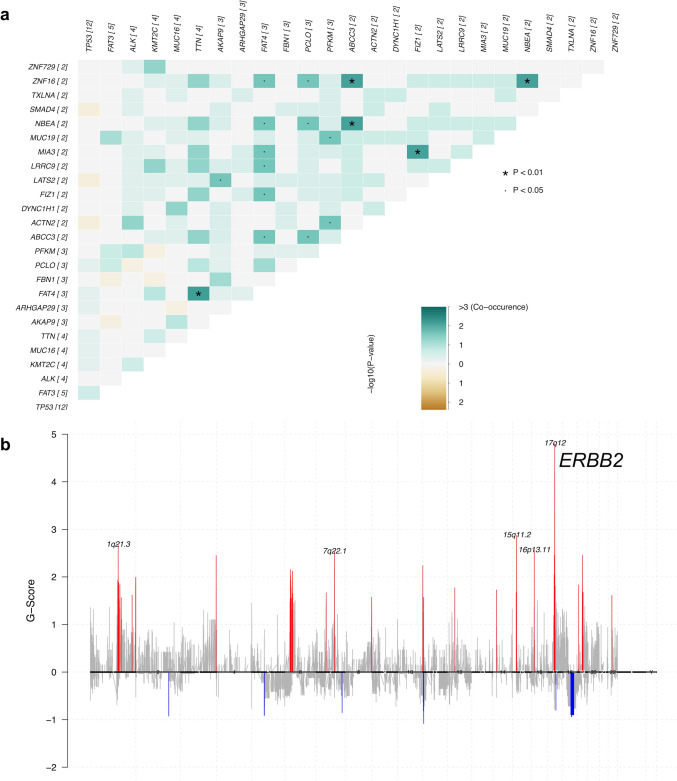 Figure 3
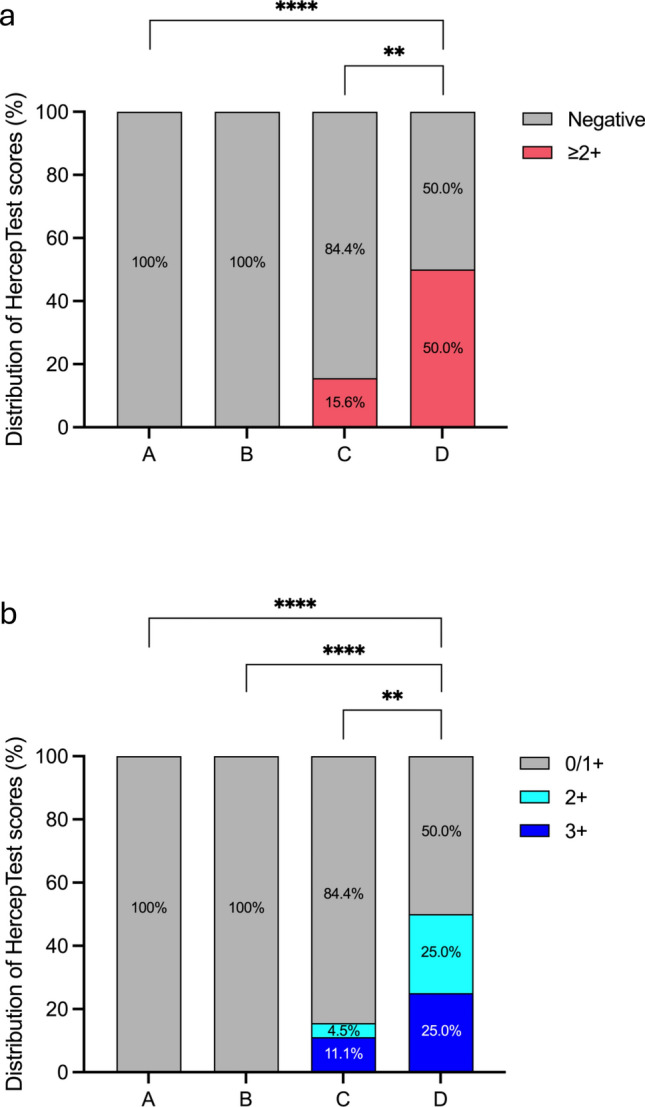 Figure 4
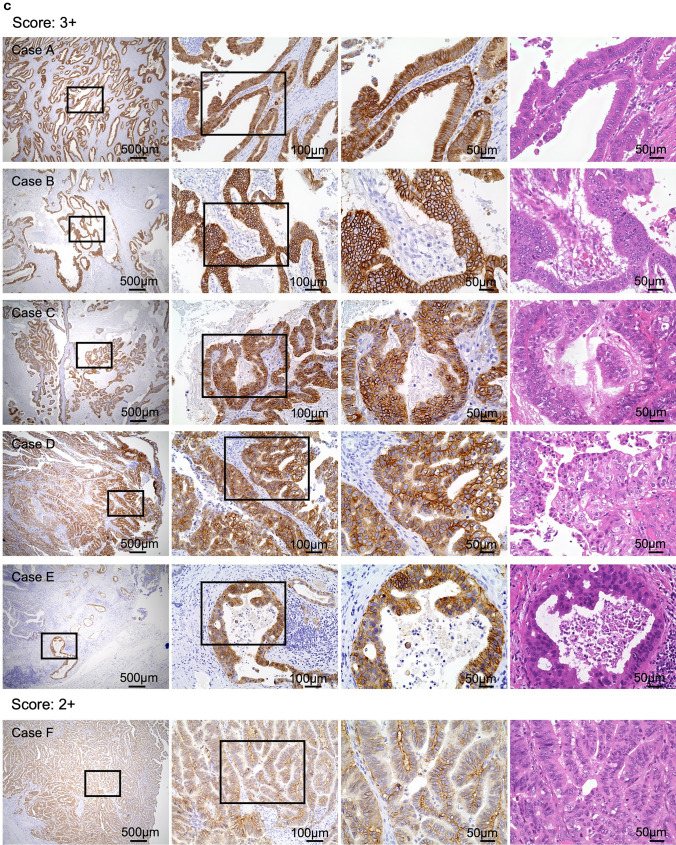 Figure 4
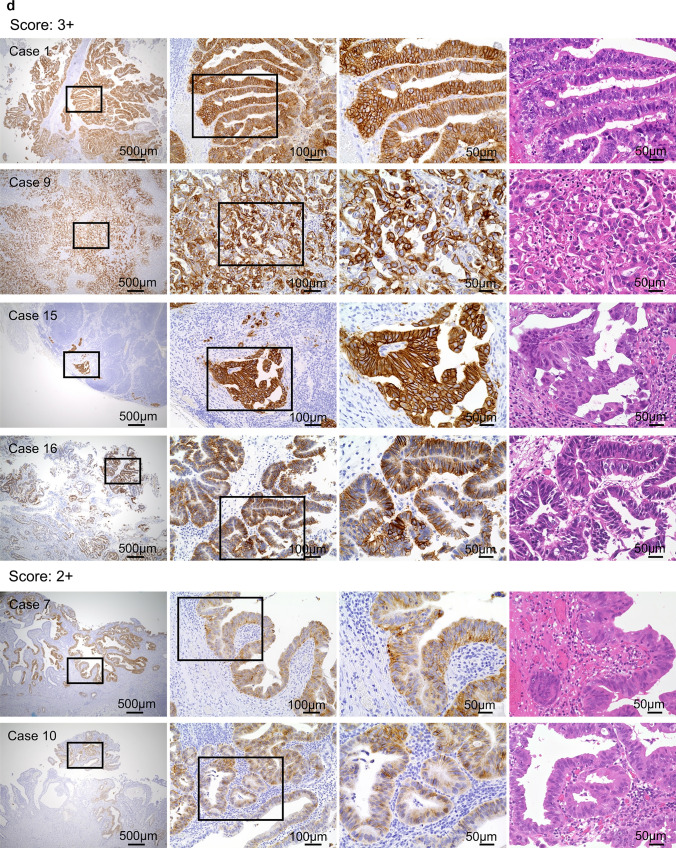 Figure 4
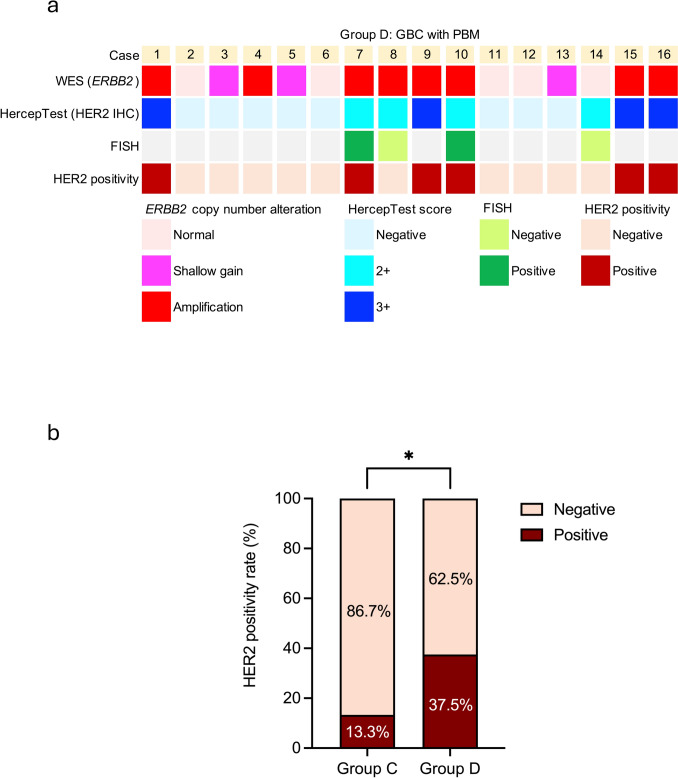 Figure 5
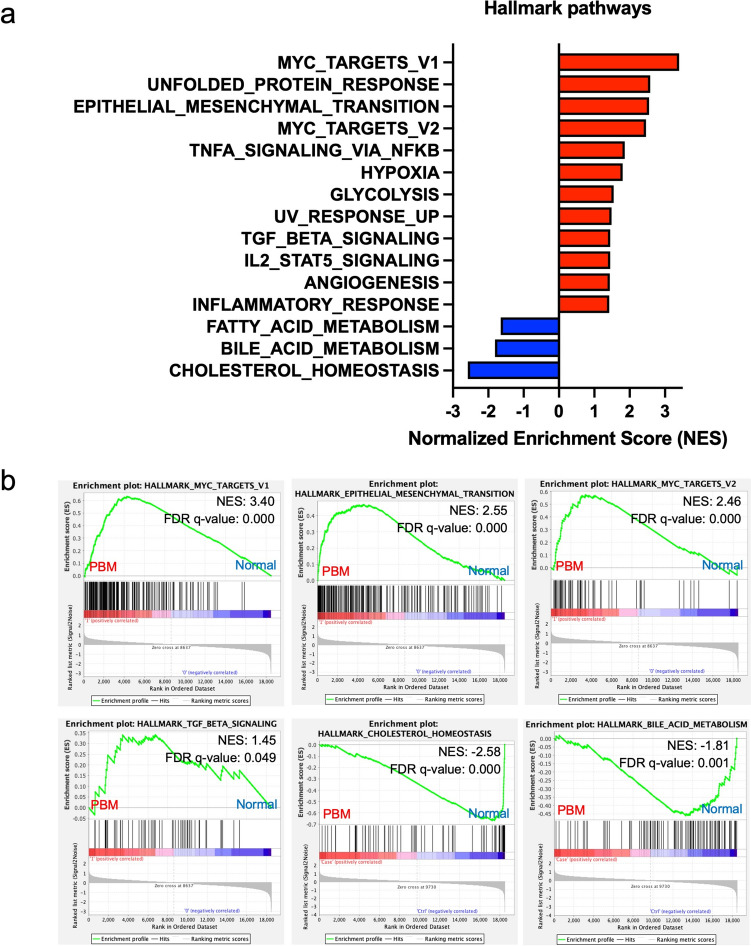 Figure 6
Peer Reviews
No public reviews on file for this paper yet. If you reviewed it on a platform where reviews are public (OpenReview, ICLR, NeurIPS, ICML), you can paste yours below so the community can read it here.
Videos
No videos yet. Explain this paper in a talk, walkthrough, or lecture? Add one.
Taxonomy
TopicsPancreatic and Hepatic Oncology Research · Pediatric Hepatobiliary Diseases and Treatments · Neuroendocrine Tumor Research Advances