Evolutionary History and Diversification of M35 Metalloproteases in Dothideomycetes: A Phylogenomic Overview and Case Study in Corynespora cassiicola
Vinicius D. Rocha, Thaís C. S. Dal’Sasso, Maximiller D. B. L. Costa, Luiz Orlando de Oliveira

TL;DR
This study explores the evolution of M35 metalloprotease genes in fungi, focusing on their role in plant-pathogen interactions and specialization in cotton infections.
Contribution
The study provides a phylogenomic analysis of M35 metalloproteases in Dothideomycetes fungi and identifies sub-clades with distinct evolutionary patterns in Corynespora cassiicola.
Findings
M35 gene family size varies across Dothideomycetes, with plant-pathogenic species having the largest repertoires.
Phylogenetic analysis of C. cassiicola M35 genes reveals four sub-clades with distinct evolutionary patterns.
Putative effector M35s in Cc_M35_2.2 are associated with cotton-infecting isolates, suggesting a specialized role.
Abstract
Deuterolysin metalloproteases (M35s), a family of zinc-dependent proteolytic enzymes, function as key virulence factors in bacteria and fungi. In plant-pathogenic fungi, these proteins induce host cell death and suppress plant chitinases, thereby protecting fungal cell walls from degradation and preventing the release of chitin oligomers that trigger plant immune responses. Here, we investigated the evolutionary history of the M35 gene family across Dothideomycetes fungi using genomic data from 79 Dothideomycetes species and 61 Corynespora cassiicola isolates. Predicted M35 proteins were classified as putative effectors or putative non-effectors based on bioinformatic criteria, with putative effectors defined as secreted proteins capable of manipulating host immunity. Across Dothideomycetes, we identified 146 M35 genes, of which 107 were putative effectors and 39 putative non-effectors.…
Genes, proteins, chemicals, diseases, species, mutations and cell lines named across the full text — each resolved to its canonical identifier and authoritative record.
Click any figure to enlarge with its caption.
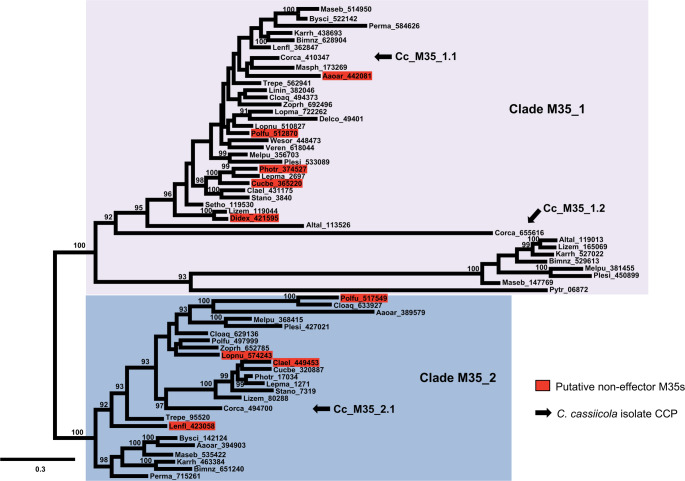 Figure 1
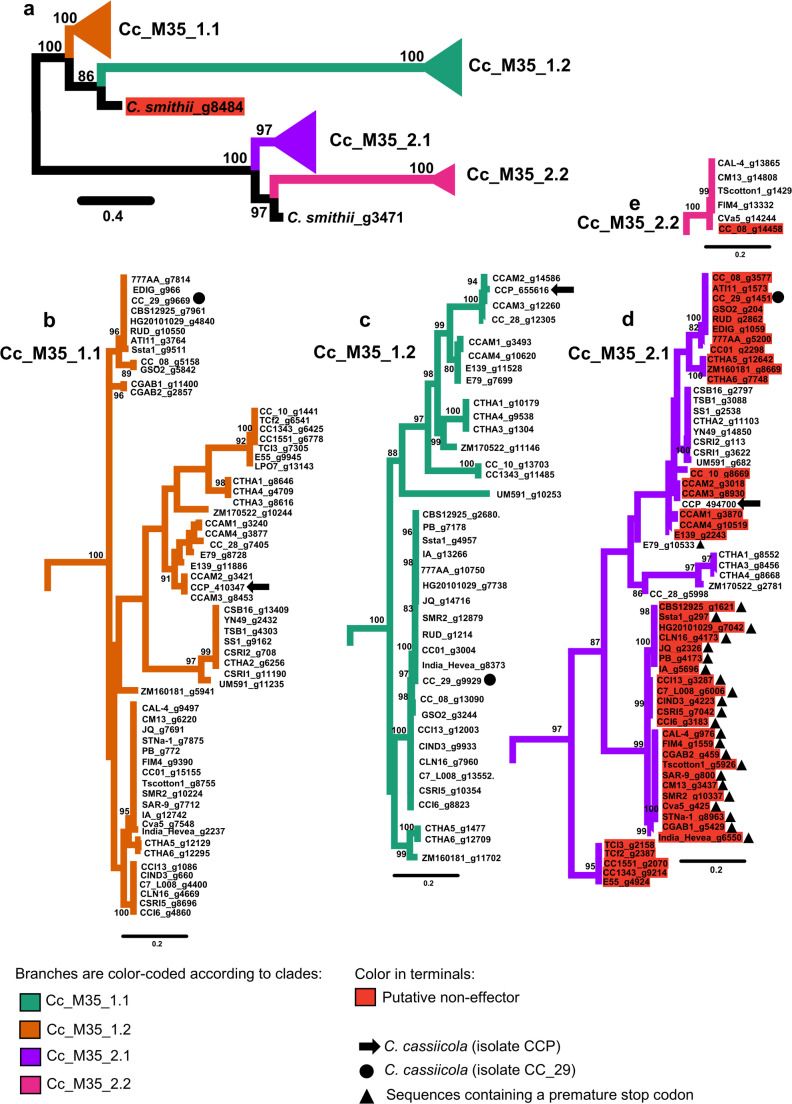 Figure 2
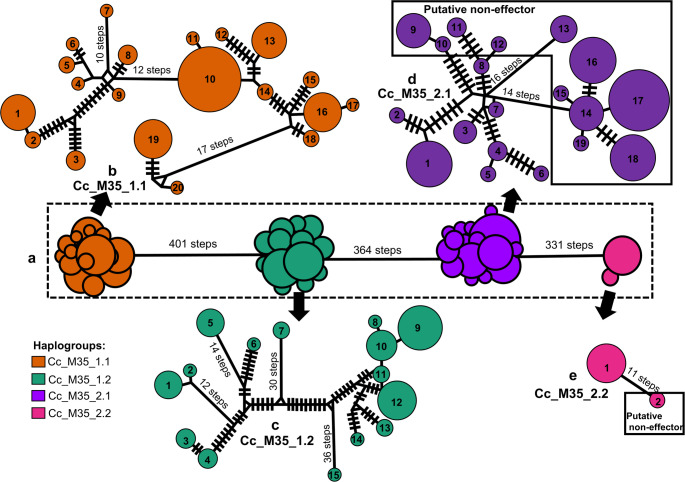 Figure 3
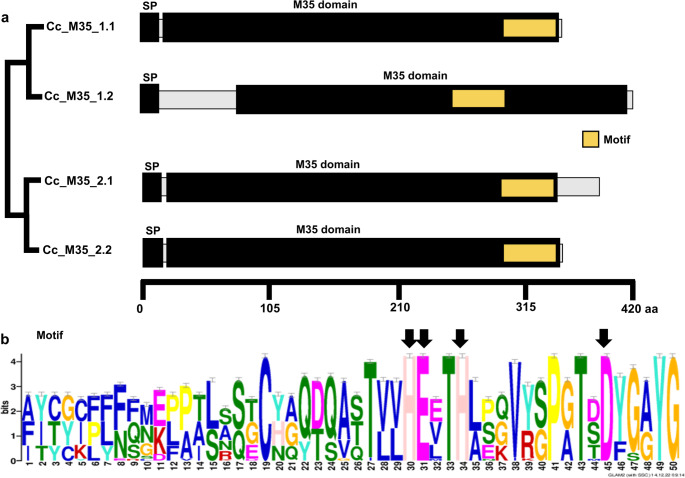 Figure 4
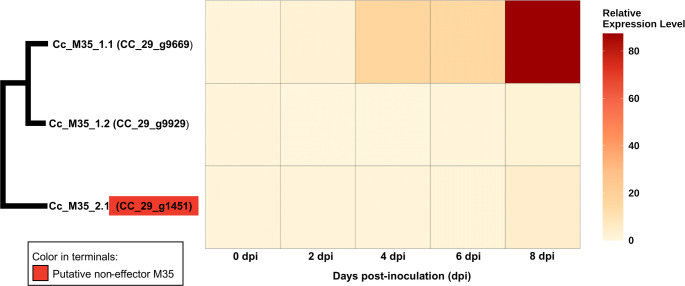 Figure 5
Peer Reviews
No public reviews on file for this paper yet. If you reviewed it on a platform where reviews are public (OpenReview, ICLR, NeurIPS, ICML), you can paste yours below so the community can read it here.
Videos
No videos yet. Explain this paper in a talk, walkthrough, or lecture? Add one.
Taxonomy
TopicsPlant-Microbe Interactions and Immunity · Fungal and yeast genetics research · Antifungal resistance and susceptibility