Autocatalytic cores in the diluted regime: classification and properties
Praneet Nandan, Philippe Nghe, Jérémie Unterberger

TL;DR
The paper shows that minimal autocatalytic networks behave similarly under different definitions of autocatalysis, with some exceptions.
Contribution
It proves that minimal autocatalytic networks in the diluted regime follow the same classification as stoichiometric autocatalytic cores.
Findings
Minimal autocatalytic networks in the diluted regime follow the same classification as stoichiometric autocatalytic cores.
Stationary regimes of autocatalytic cores are unique except for type II with three or more catalytic loops.
Stationary points are robust under perturbation at low concentrations.
Abstract
Autocatalysis underlies the ability of chemical and biochemical systems to replicate. Autocatalysis was recently defined stoichiometrically for reaction networks; five types of minimal autocatalytic networks, termed autocatalytic cores were identified. A necessary and sufficient stoichiometric criterion was later established for dynamical autocatalysis in diluted regimes, ensuring a positive growth rate of autocatalytic species starting from infinitesimal concentrations, given that degradation rates are sufficiently low. Here, we show that minimal autocatalytic networks in the dynamical sense, in the diluted regime, follow the same classification as autocatalytic cores in the stoichiometric sense. We further prove the uniqueness of the stationary regimes of autocatalytic cores, with and without degradation, for all types, except types II with three catalytic loops or more, for which the…
Genes, proteins, chemicals, diseases, species, mutations and cell lines named across the full text — each resolved to its canonical identifier and authoritative record.
Click any figure to enlarge with its caption.
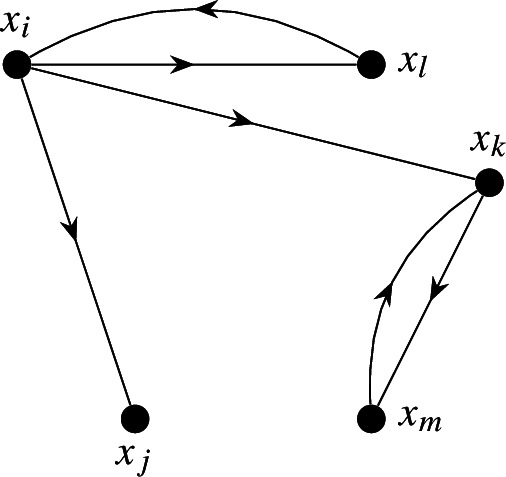 Figure 1
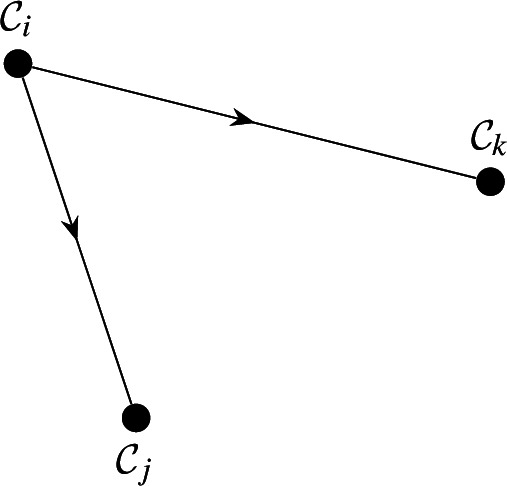 Figure 2
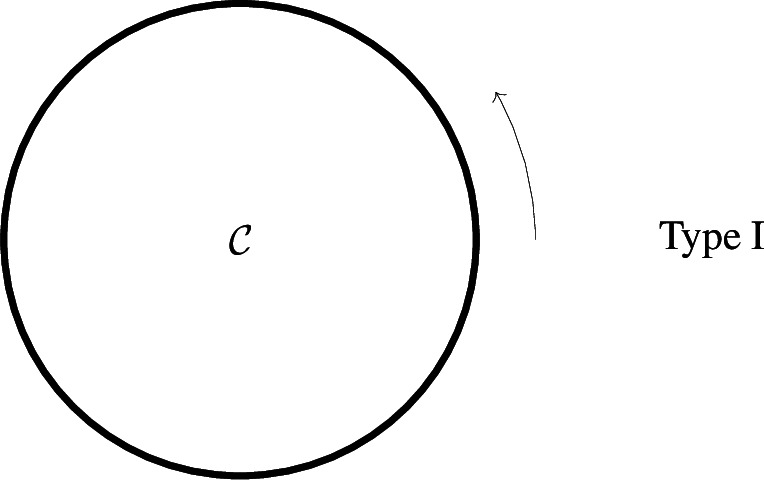 Figure 3
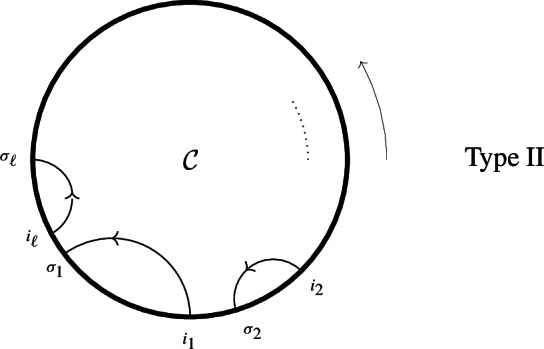 Figure 4
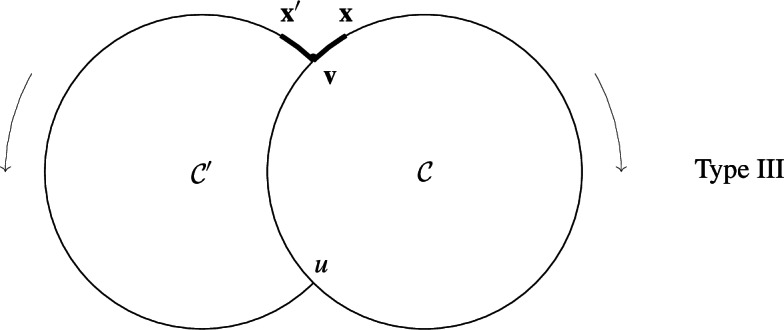 Figure 5
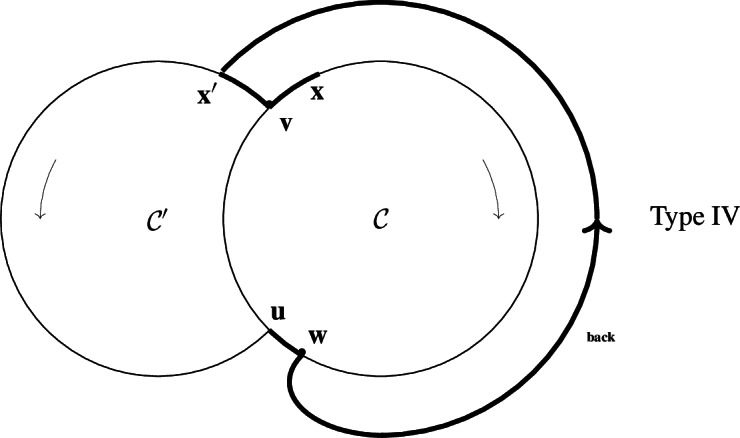 Figure 6
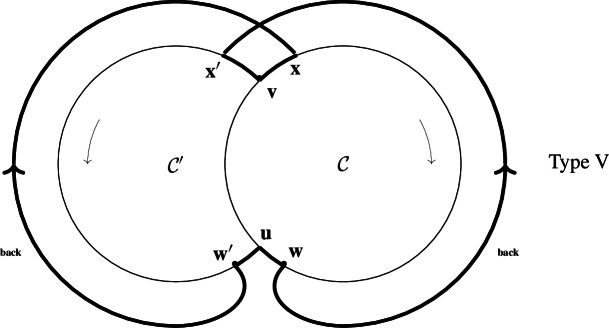 Figure 7
 Figure 8
 Figure 9
 Figure 10
 Figure 11
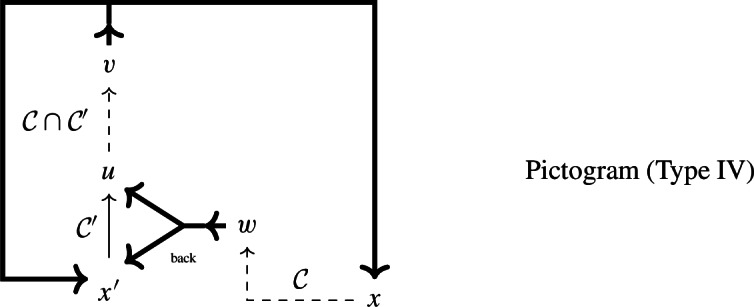 Figure 12
 Figure 13
 Figure 14
Peer Reviews
No public reviews on file for this paper yet. If you reviewed it on a platform where reviews are public (OpenReview, ICLR, NeurIPS, ICML), you can paste yours below so the community can read it here.
Videos
No videos yet. Explain this paper in a talk, walkthrough, or lecture? Add one.
Taxonomy
TopicsOrigins and Evolution of Life · Nonlinear Dynamics and Pattern Formation · Gene Regulatory Network Analysis