Imaging-derived neuromuscular ultrasound phenotypes are associated with functional status in amyotrophic lateral sclerosis
Ying Wang, Hao Zhang, Tianhua Yang, Jialei Luo, Ting Lin, Xinyi Yan, Junlin Ding, Yuxuan Qiu, Min Zhao, Gaoyi Yang

TL;DR
This study shows that neuromuscular ultrasound can identify two distinct groups of ALS patients based on muscle and nerve features, which correlate with their functional abilities.
Contribution
The study introduces a novel method for stratifying ALS patients using NMUS features combined with clinical data.
Findings
Two reproducible NMUS-based subgroups were identified: a Mild cluster and a Severe cluster.
The Severe cluster showed reduced muscle thickness and higher echogenicity, along with lower ALSFRS-R scores.
Cluster membership correlated with muscle strength and electrophysiological measures, confirming functional validity.
Abstract
Amyotrophic lateral sclerosis (ALS) presents with marked clinical heterogeneity, complicating diagnosis and management. Neuromuscular ultrasound (NMUS) provides a non-invasive means to visualize peripheral nerve and muscle integrity, but its potential to delineate ALS subtypes has not been systematically explored. To identify clinically meaningful ALS subgroups through unsupervised clustering of NMUS features integrated with clinical and electrophysiological data. A total of 454 ALS patients (August 2024–December 2025) underwent standardized NMUS assessment, including muscle thickness, echogenicity, and nerve cross-sectional area, alongside ALSFRS-R, manual muscle testing (MMT), and compound muscle action potentials (CMAPs). K-means clustering was applied to standardized NMUS variables, with cluster stability assessed using silhouette coefficients, sensitivity analyses (k = 2–5), and…
Genes, proteins, chemicals, diseases, species, mutations and cell lines named across the full text — each resolved to its canonical identifier and authoritative record.
Click any figure to enlarge with its caption.
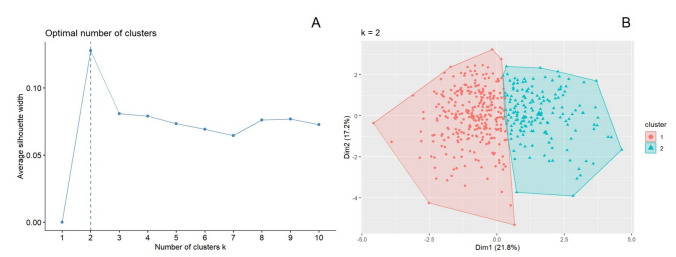 Figure 1
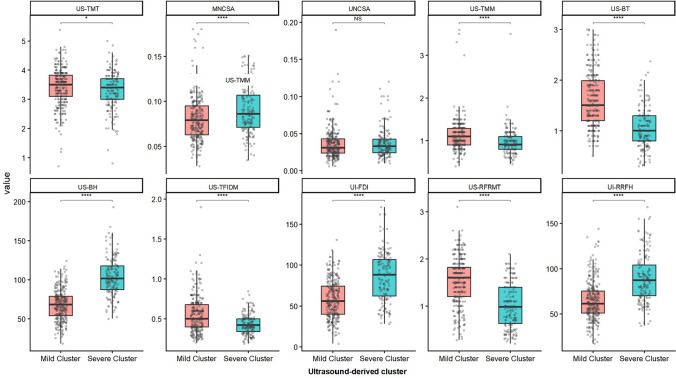 Figure 2
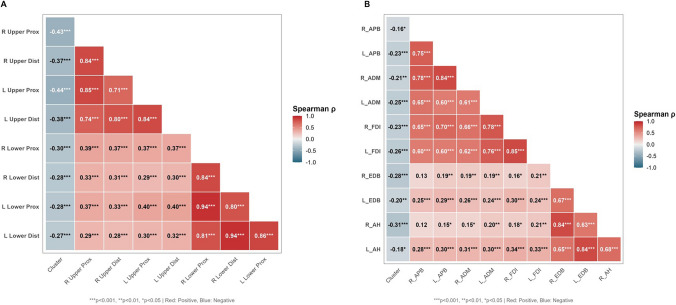 Figure 3
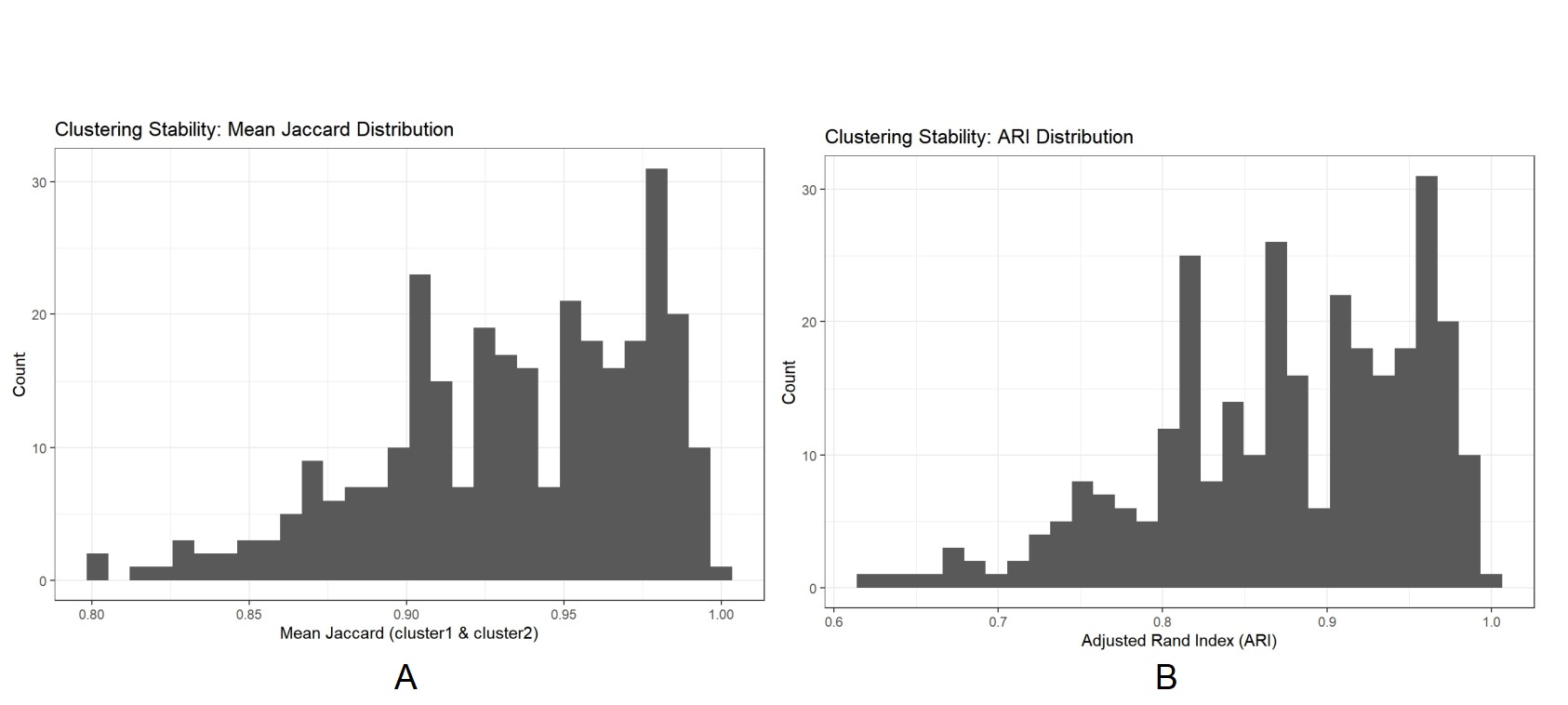 Figure 4
Peer Reviews
No public reviews on file for this paper yet. If you reviewed it on a platform where reviews are public (OpenReview, ICLR, NeurIPS, ICML), you can paste yours below so the community can read it here.
Videos
No videos yet. Explain this paper in a talk, walkthrough, or lecture? Add one.
Taxonomy
TopicsAmyotrophic Lateral Sclerosis Research · Peripheral Neuropathies and Disorders · Hereditary Neurological Disorders