Biomimetic 3D-Bioprinted organoids of thymic epithelial tumors for translational drug screening and biomarker identification
Beibei Liu, Huiyan Cheng, Keke Yu, Wen Xu, Xiaoting Tian, Yuhan Xu, Yanbin Kuang, Jun Lu, Rong Li, Xiao Zhang, Min Tang, Jianxin Xue, Yuqing Lou

TL;DR
Researchers created 3D-printed tumor models of thymic epithelial tumors to test drugs and identify biomarkers for better treatment.
Contribution
The first 3D bioprinted organoid model of thymic epithelial tumors using proteomic data to guide biomaterial design.
Findings
3D-bioprinted organoids better replicate tumor properties than traditional Matrigel models.
Lurbinectedin was identified as a potent therapeutic candidate for thymic epithelial tumors.
PBX3, REPS2, and CXCR4 are potential biomarkers for treatment efficacy.
Abstract
Thymic epithelial tumors (TETs), including thymic carcinoma and thymoma, are rare malignancies lacking both effective therapies and validated biomarkers to guide treatment. Here, we report the first 3D (three-dimensional) bioprinted organoid model of TETs, established through a proteomic data-driven biomaterial design strategy. Patient tumor tissues were first decellularized and analyzed by proteomics to determine their extracellular matrix (ECM) composition. The results revealed distributions of ECM proteins which guided the formulation of photocurable bioinks. The resulting 3D-bioprinted organoids supported primary TET cell proliferation, and more faithfully replicated the biophysical properties and molecular characteristics of native tumors than traditional Matrigel-cultured organoids. Leveraging this biomimetic platform, we conducted high-throughput drug screening and identified…
Genes, proteins, chemicals, diseases, species, mutations and cell lines named across the full text — each resolved to its canonical identifier and authoritative record.
Click any figure to enlarge with its caption.
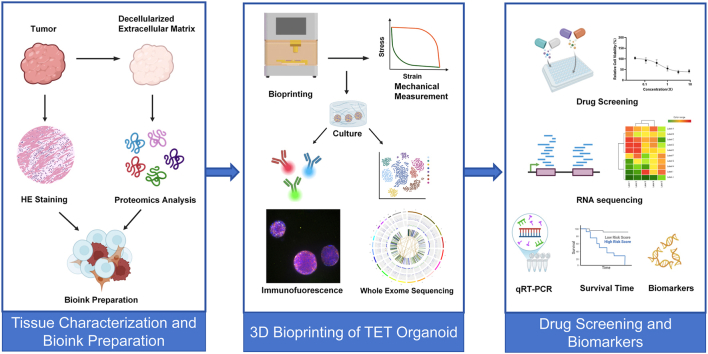 Figure 1
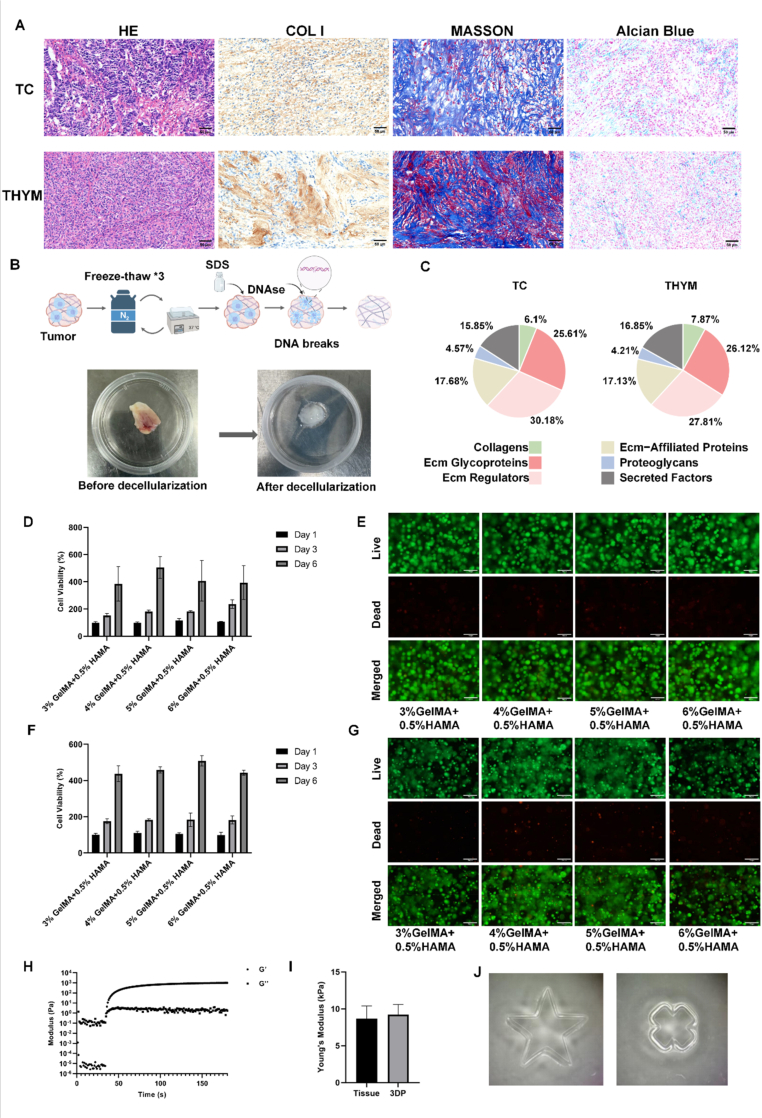 Figure 2
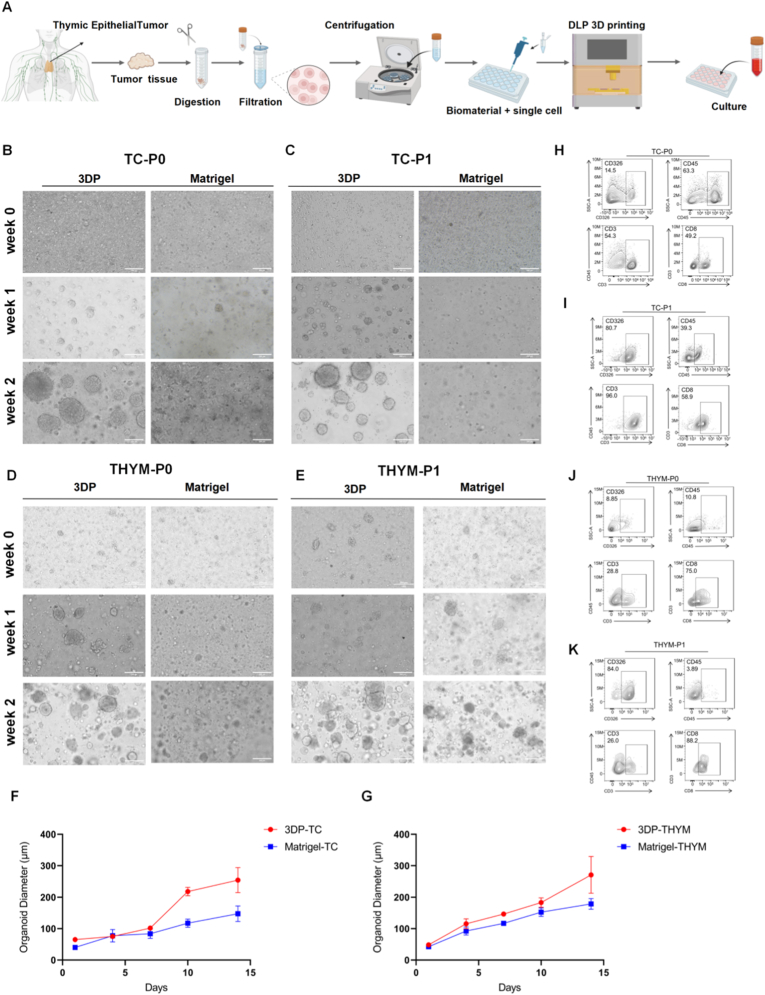 Figure 3
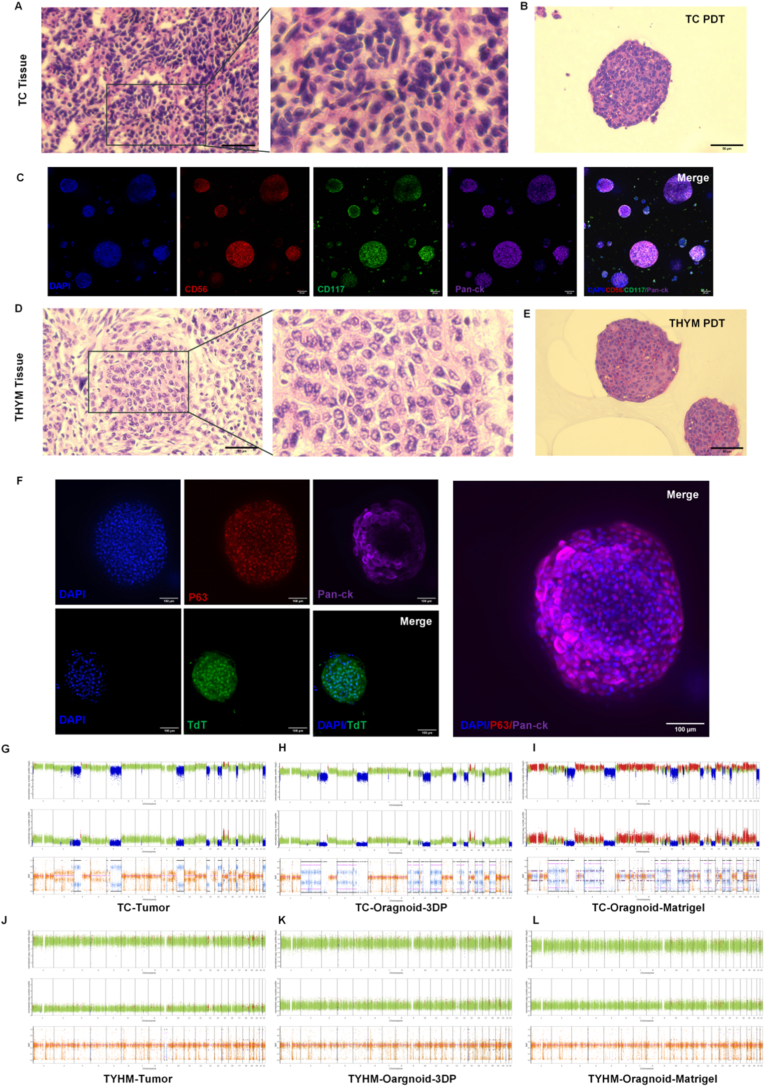 Figure 4
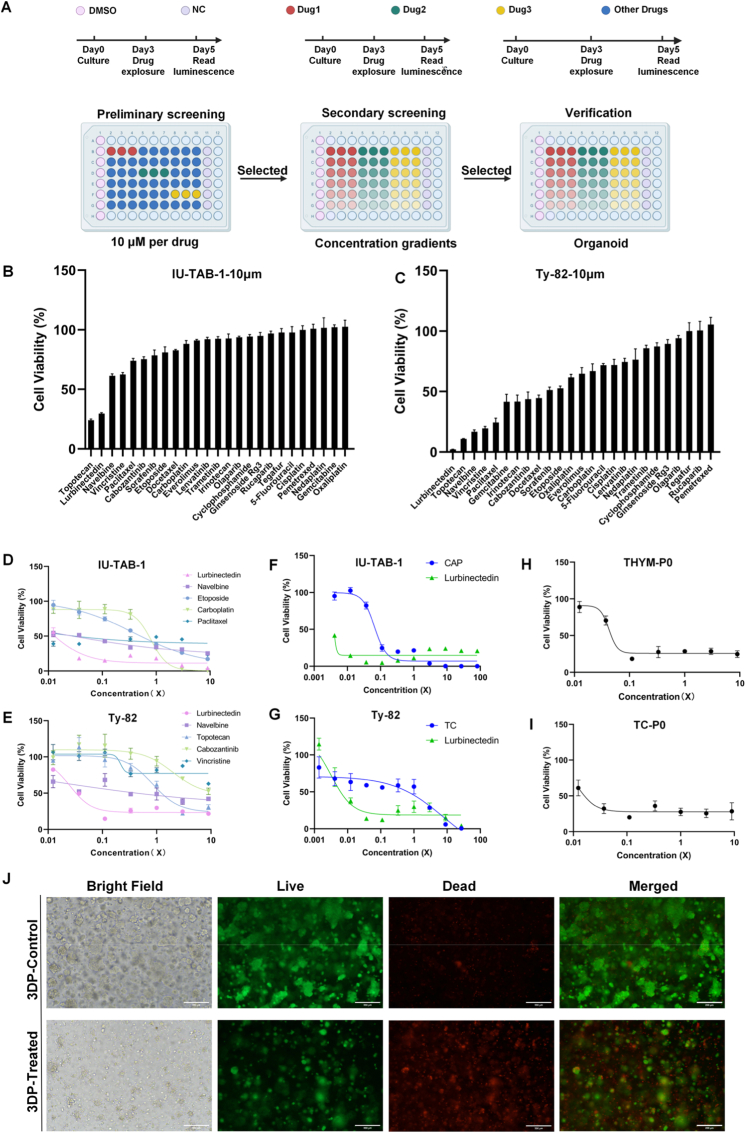 Figure 5
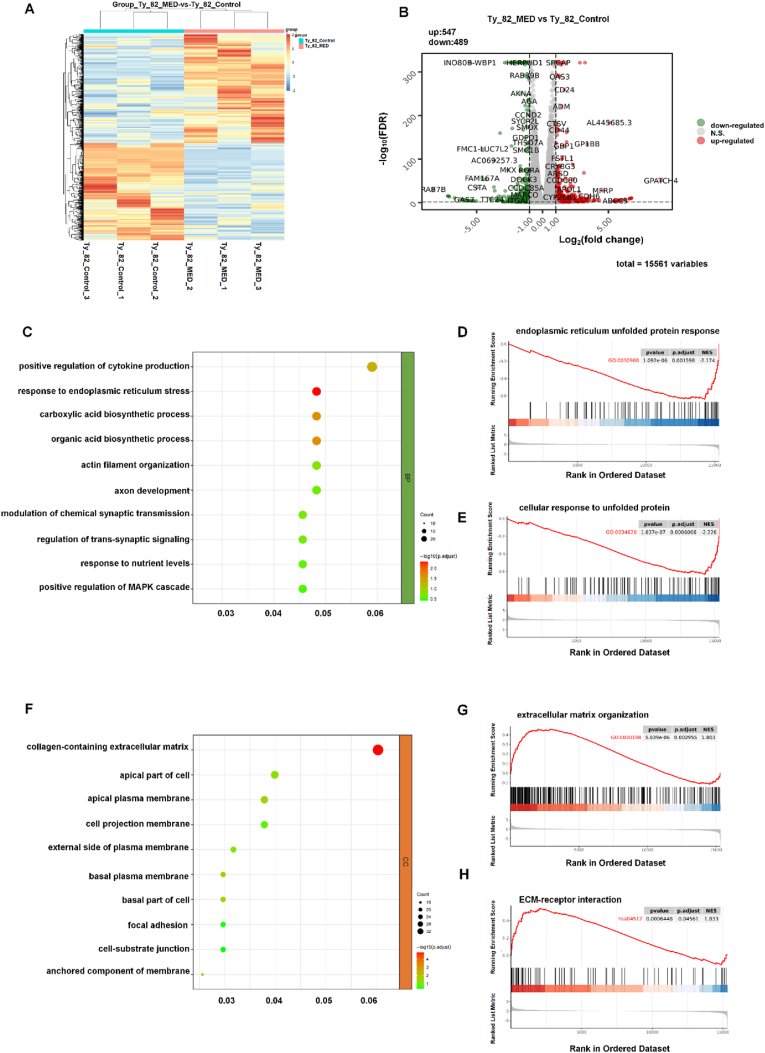 Figure 6
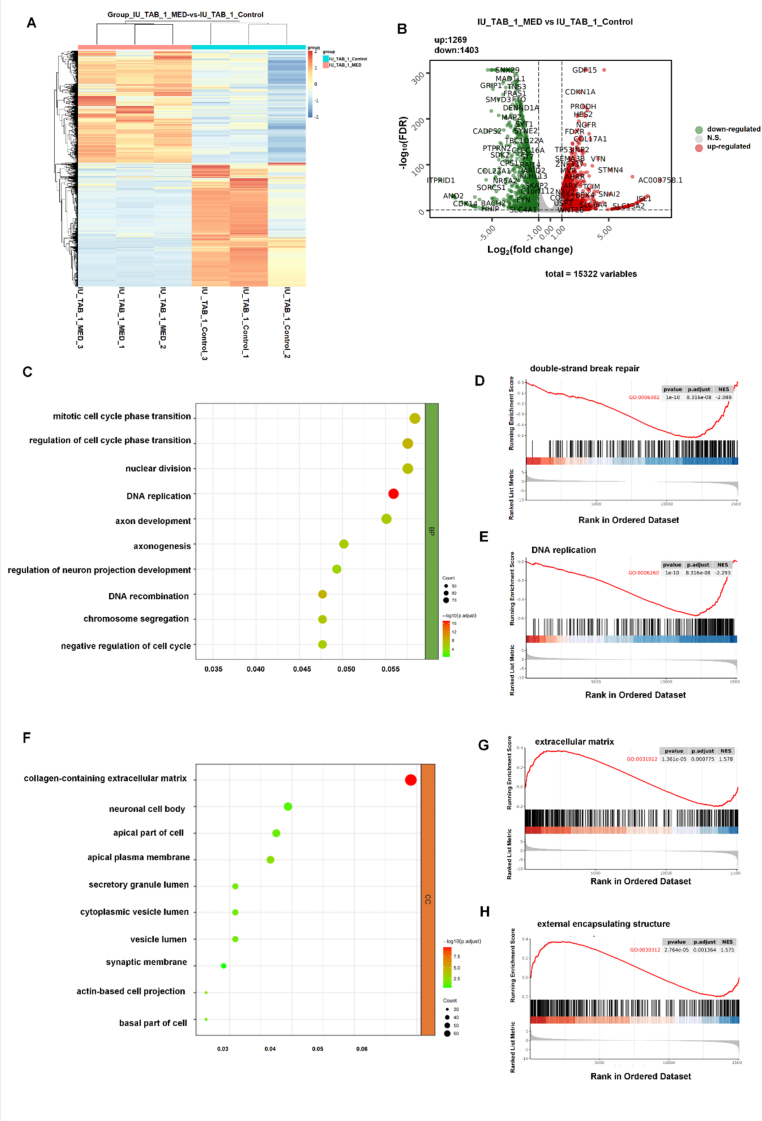 Figure 7
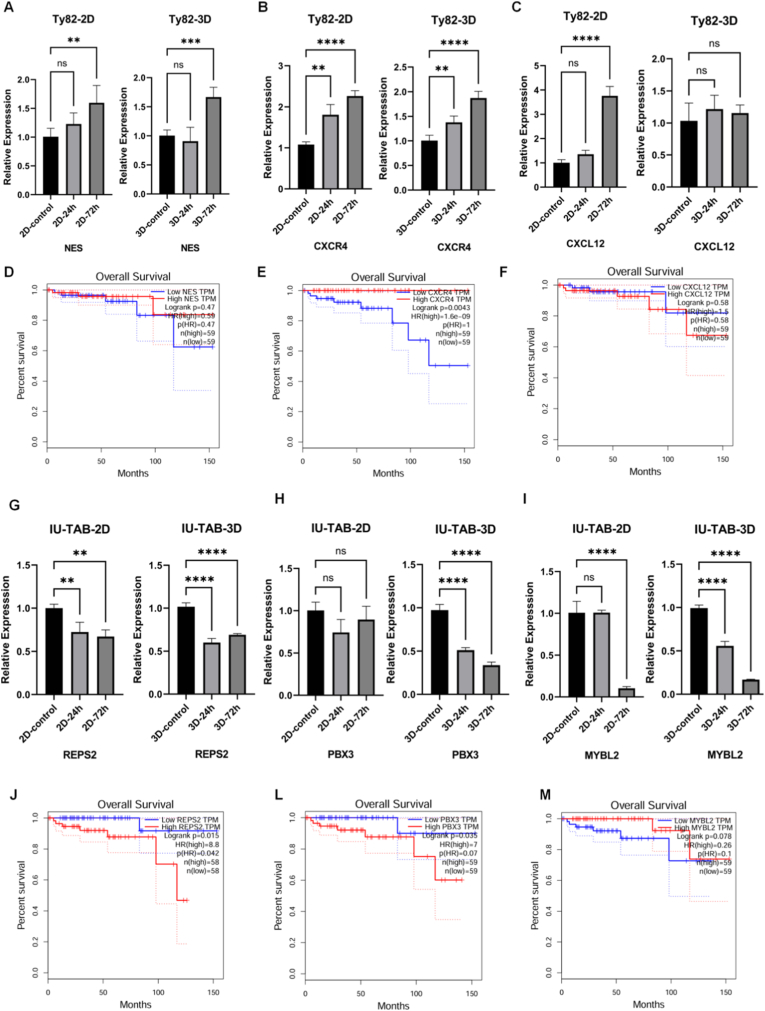 Figure 8
Peer Reviews
No public reviews on file for this paper yet. If you reviewed it on a platform where reviews are public (OpenReview, ICLR, NeurIPS, ICML), you can paste yours below so the community can read it here.
Videos
No videos yet. Explain this paper in a talk, walkthrough, or lecture? Add one.
Taxonomy
Topics3D Printing in Biomedical Research · Myasthenia Gravis and Thymoma · Cellular Mechanics and Interactions