Tethered Cord Syndrome in Pediatric and Adult Populations: A Retrospective Analysis of Outcomes and Associated Spinal Dysraphisms
Ahtesham Khizar, Faiqa I Khan, Haseeb Mehmood Qadri, Hassaan Zahid, Ammad Abid, Omer B Adnan, Maryem Tanweer, Haysum Khan, Muhammad Fawad Ul Hassan, Sundas Irshad, Asif Bashir

TL;DR
This study examines surgical outcomes for tethered cord syndrome in children and adults in Pakistan, finding neurological improvements with few complications.
Contribution
The study provides insights into the clinical outcomes of surgical detethering for TCS in a Pakistani population, comparing pediatric and adult cases.
Findings
Neurological improvement was observed in 75% of pediatric patients and 55.55% of adults after surgery.
Lipomyelomeningocele was the most common spinal dysraphism in children, while thickened filum terminale was most common in adults.
Surgical detethering was performed in 91.66% of children and 100% of adults with acceptable safety profiles.
Abstract
Background and objective Tethered cord syndrome (TCS) is an amalgam of neurologic, urologic, orthopedic, and dermatologic dysfunctions with concurrent spinal dysraphism and deformities. Data from Pakistan regarding the surgical management of TCS remain limited. This study aimed to evaluate the clinical and functional outcomes of surgical detethering in patients with TCS and spinal dysraphism. Materials and methods This retrospective study was conducted at the Punjab Institute of Neurosciences (PINS), Lahore, Pakistan. We analyzed the outcomes of 21 patients (12 pediatric and nine adults) with TCS who were operated on between January 2020 and June 2025. Patient records were reviewed using the institution’s Picture Archiving and Communication System (PACS), operative notes, and medical charts. Results of the treatment were summarized and analyzed using descriptive statistical analysis.…
Genes, proteins, chemicals, diseases, species, mutations and cell lines named across the full text — each resolved to its canonical identifier and authoritative record.
Click any figure to enlarge with its caption.
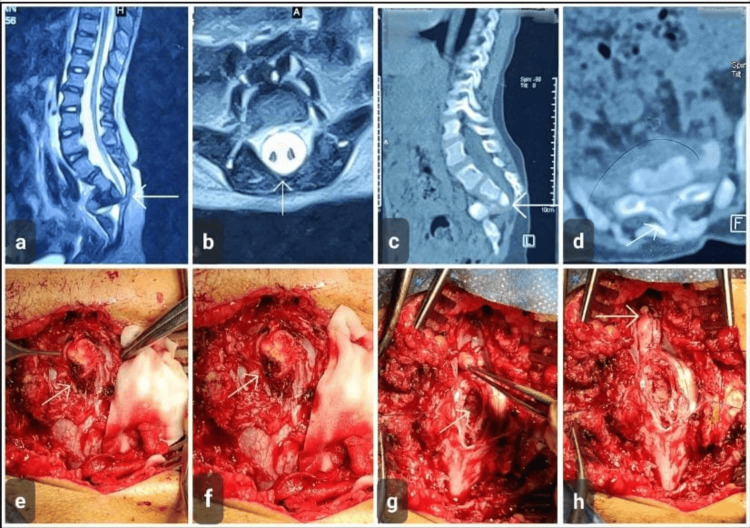 Figure 1
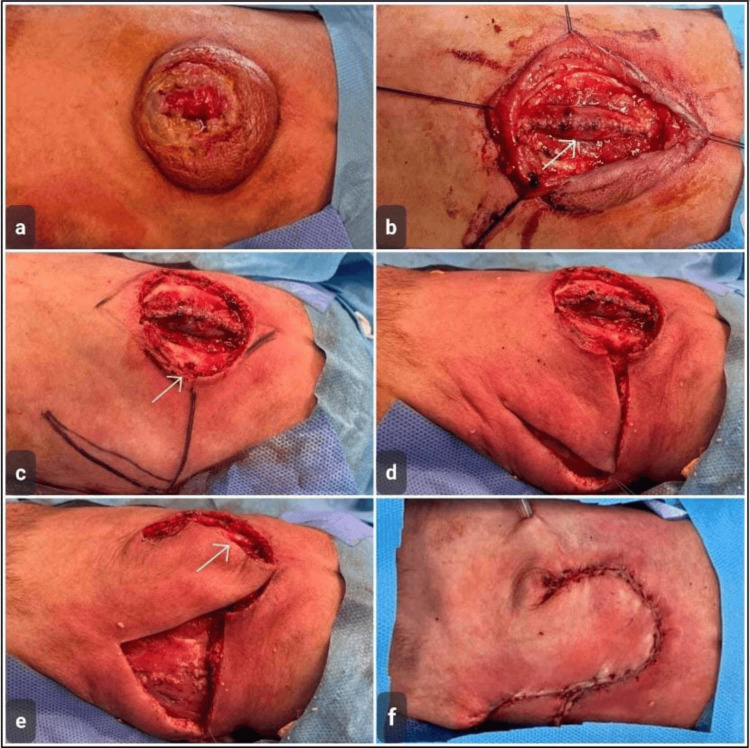 Figure 2
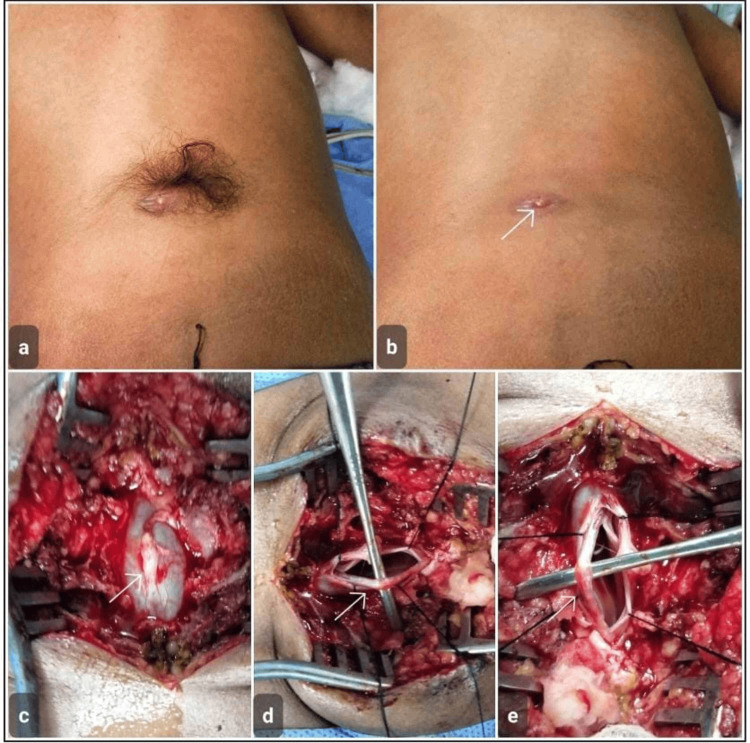 Figure 3
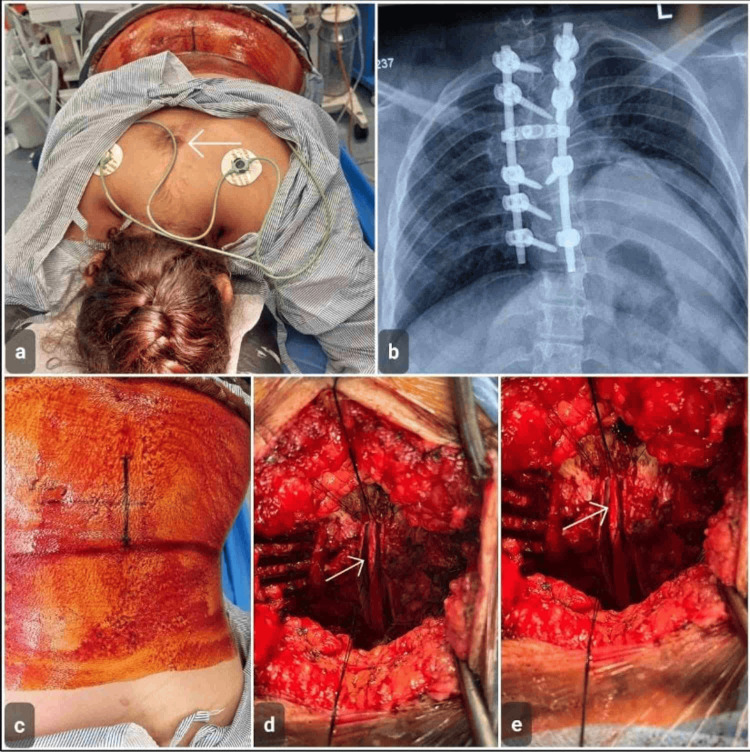 Figure 4
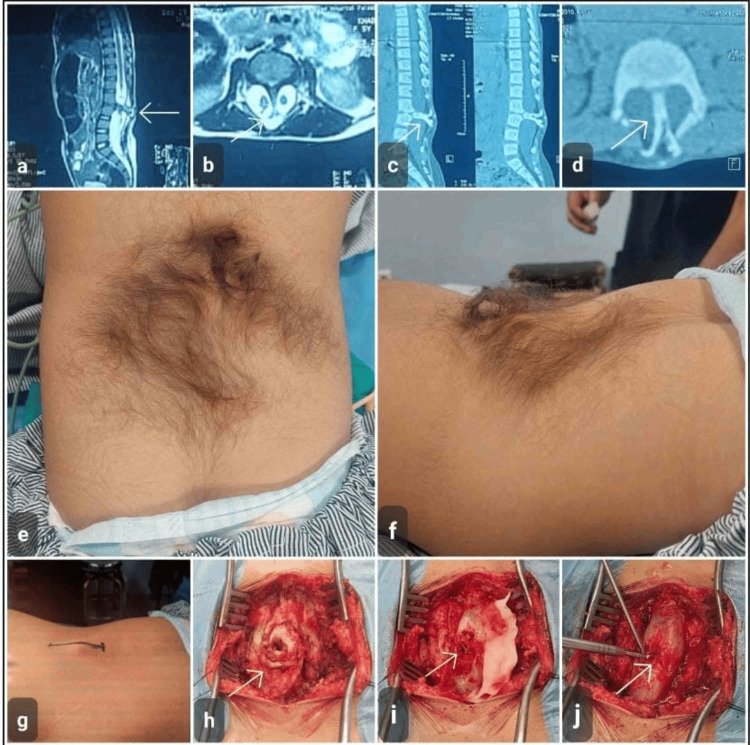 Figure 5
Peer Reviews
No public reviews on file for this paper yet. If you reviewed it on a platform where reviews are public (OpenReview, ICLR, NeurIPS, ICML), you can paste yours below so the community can read it here.
Videos
No videos yet. Explain this paper in a talk, walkthrough, or lecture? Add one.
Taxonomy
TopicsSpinal Dysraphism and Malformations · Infectious Diseases and Tuberculosis · Scoliosis diagnosis and treatment