Assessing surrogate heterogeneity in real world data using meta-learners
Rebecca Knowlton, Layla Parast

TL;DR
This paper introduces a framework to assess surrogate marker heterogeneity in non-randomized data using machine learning methods.
Contribution
The novel framework allows evaluating surrogate heterogeneity in observational data while accounting for confounding.
Findings
The framework identifies covariate profiles where a surrogate is valid for the primary outcome.
Simulation studies and real-world application demonstrate the framework's effectiveness.
Hemoglobin A1c's surrogacy for fasting plasma glucose is examined for heterogeneity.
Abstract
Surrogate markers are most commonly studied within the context of randomized clinical trials. However, the need for alternative outcomes also extends to real-world public health and social science research, where randomized trials are often impractical. While standard methods for evaluating surrogate markers largely rely on the assumption of randomized treatment, there is a significant gap in applying these techniques to observational data, where the central challenge shifts to managing confounding. The few methods that do allow for non-randomized treatment/exposure do not offer a way to examine surrogate heterogeneity with respect to patient characteristics. In this paper, we propose a framework to assess surrogate heterogeneity in non-randomized data and implement this framework using meta-learners. Our approach allows us to quantify heterogeneity in surrogate strength with respect to…
Genes, proteins, chemicals, diseases, species, mutations and cell lines named across the full text — each resolved to its canonical identifier and authoritative record.
Click any figure to enlarge with its caption.
 Figure 1
 Figure 2
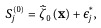 Figure 3
 Figure 4
 Figure 5
 Figure 6
 Figure 7
 Figure 8
 Figure 9
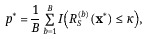 Figure 10
 Figure 11
 Figure 12
 Figure 13
 Figure 14
 Figure 15
 Figure 16
 Figure 17
 Figure 18
 Figure 19
 Figure 20
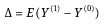 Figure 21
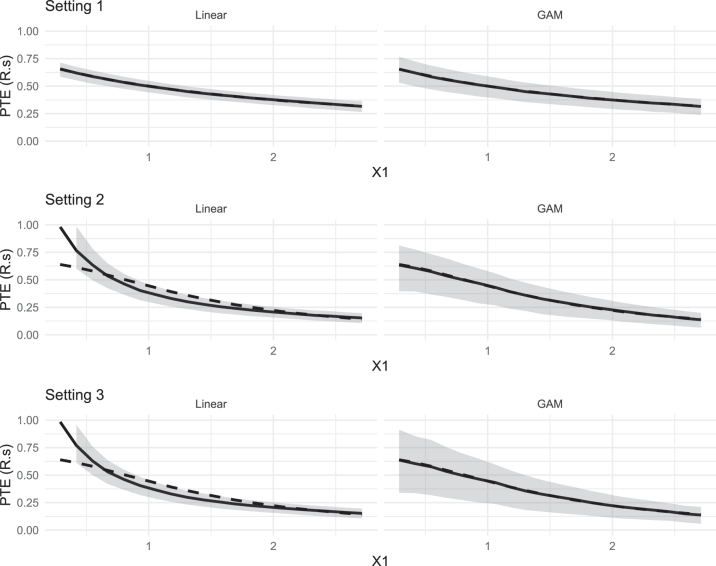 Figure 1
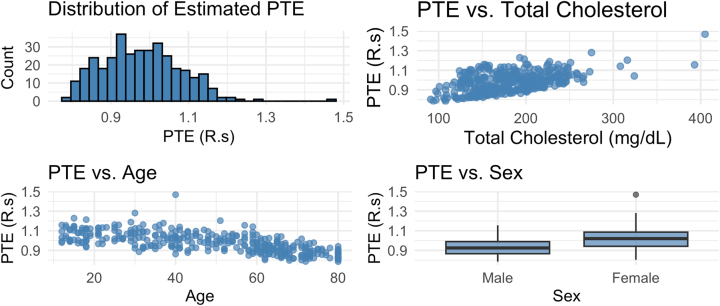 Figure 2
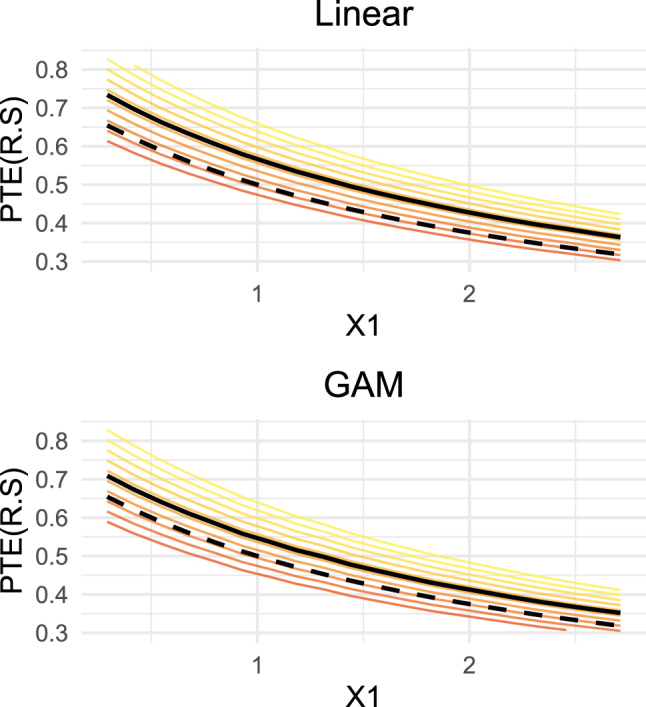 Figure 3
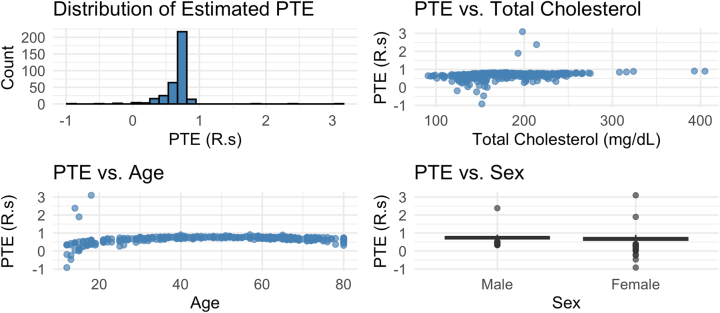 Figure 4
 Figure 26
 Figure 27
 Figure 28
 Figure 29
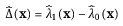 Figure 30
 Figure 31
 Figure 32
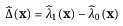 Figure 33
 Figure 34
 Figure 35
 Figure 36
 Figure 37
 Figure 38
 Figure 39
 Figure 40
 Figure 41
 Figure 42
 Figure 43
 Figure 44
 Figure 45
 Figure 46
 Figure 47
 Figure 48
 Figure 49
 Figure 50
Peer Reviews
No public reviews on file for this paper yet. If you reviewed it on a platform where reviews are public (OpenReview, ICLR, NeurIPS, ICML), you can paste yours below so the community can read it here.
Videos
No videos yet. Explain this paper in a talk, walkthrough, or lecture? Add one.
Taxonomy
TopicsAdvanced Causal Inference Techniques · Statistical Methods and Bayesian Inference · Statistical Methods in Clinical Trials