Loss of Parkinson Disease Protein 7 (PARK7) upregulates ROS and cell migration and is associated with recurrent pregnancy loss
Zhiqi Yang, Emily Hellwich, Nisha Mohd Rafiq, Alvin Joselin, Doo Soon Im, Gaurav Kaushik, Yogesh Singh, Biserka Mulac-Jericevic, Huanhuan Jiang, Irene Gonzalez-Menendez, Leticia Quintanilla-Martinez, Sara Y. Brucker, Tilman E. Schäffer, Madhuri S. Salker

TL;DR
This study shows that the protein DJ-1, known for its role in Parkinson's disease, also plays a key role in early pregnancy by regulating cell movement and antioxidants, and its loss is linked to pregnancy loss.
Contribution
The study reveals a novel role for DJ-1 in endometrial function and pregnancy, specifically through its regulation of the cytoskeleton and redox balance.
Findings
Loss of DJ-1 increases ROS levels and cell migration in endometrial cells.
DJ-1 expression is highest during the implantation window and its absence is linked to pregnancy loss in humans and mice.
Manipulating downstream targets like Palladin and GPX3 can reverse some effects of DJ-1 loss.
Abstract
Successful implantation is dependent on a synchronous dialogue between several proteins that act to control cellular dynamics including actin and microtubule reorganisation and cell motility. An impaired crosstalk can lead to complications including recurrent pregnancy loss (RPL) though the precise mechanisms remain unclear. Parkinson disease protein 7 (PARK7; encoding DJ-1), characterised for its participation in neurodegeneration, has emerged as a novel cytoskeletal and antioxidant regulator however, the role of DJ-1 in early pregnancy is unknown. We employed systems biology approaches and functional studies in both human and murine models to examine the expression and role of DJ-1 during the window of implantation. LC–MS/MS proteomics analysis was conducted to identify proteins with differential expression between decidualized endometrial stromal cells (EnSC) with and without DJ-1…
Genes, proteins, chemicals, diseases, species, mutations and cell lines named across the full text — each resolved to its canonical identifier and authoritative record.
Click any figure to enlarge with its caption.
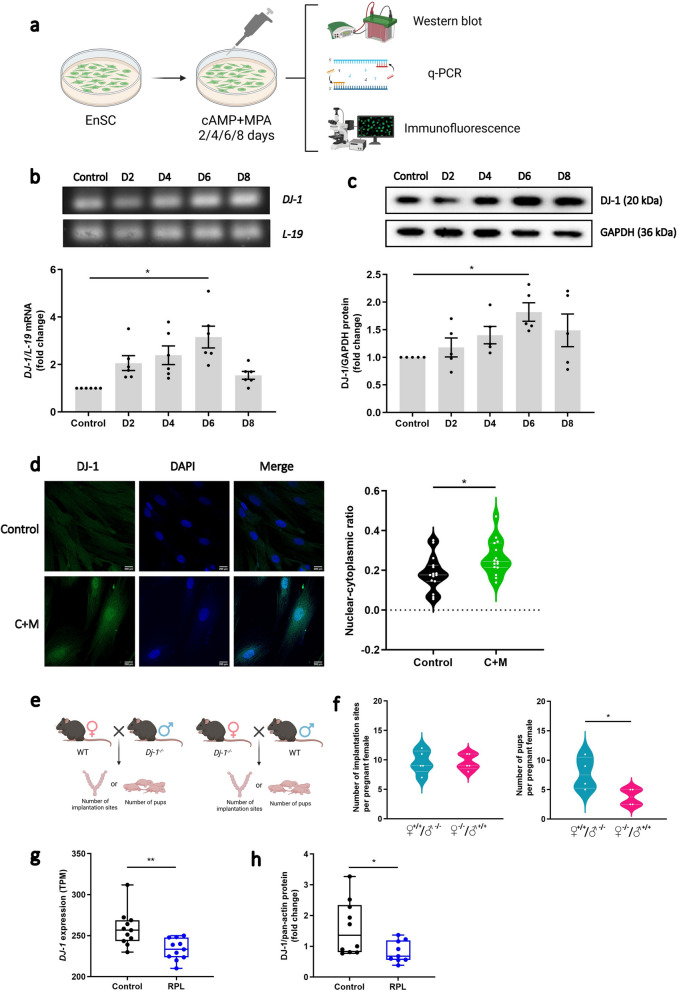 Figure 1
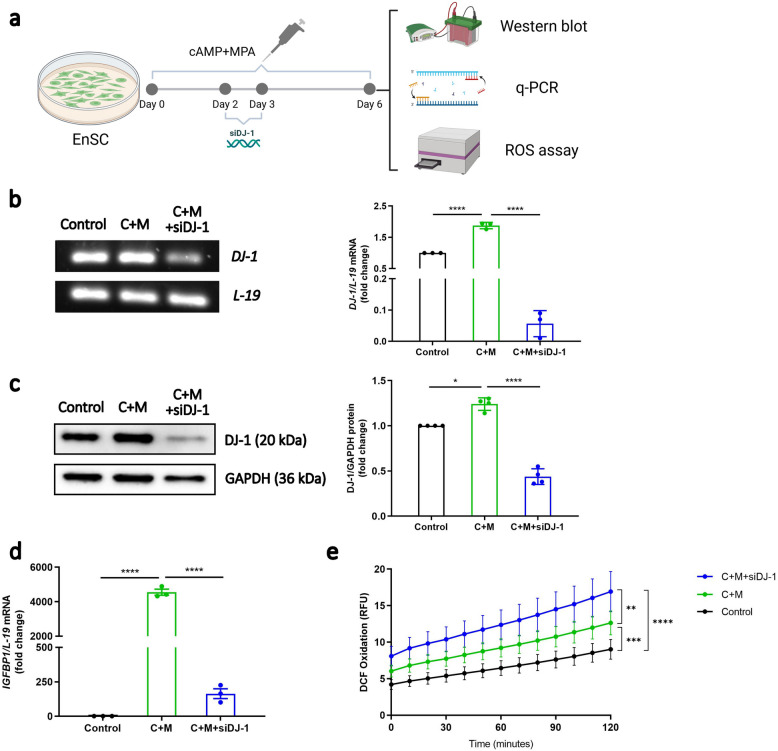 Figure 2
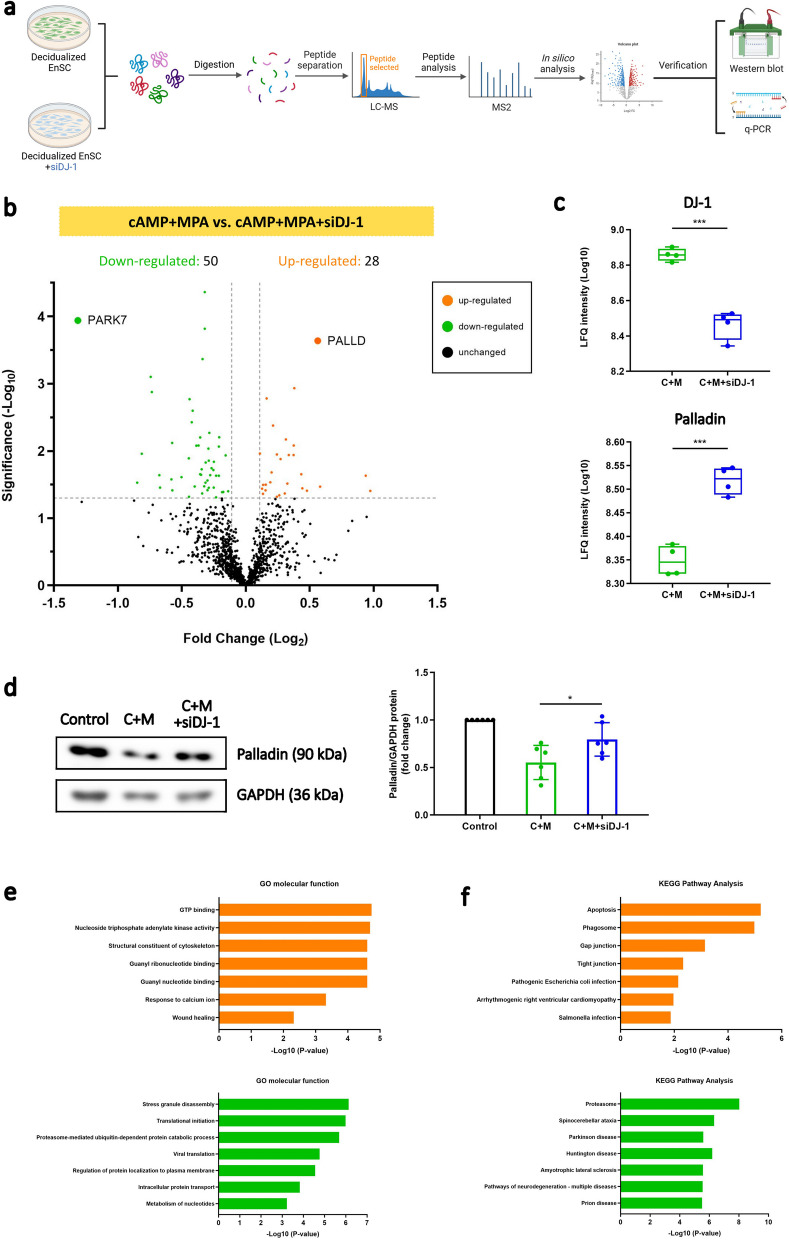 Figure 3
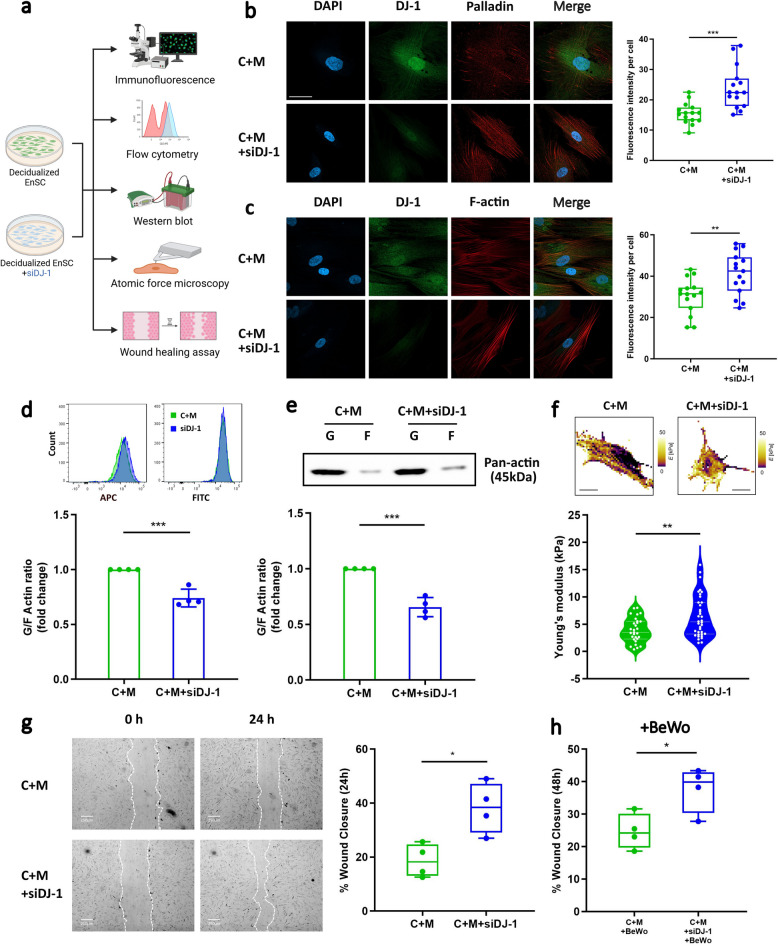 Figure 4
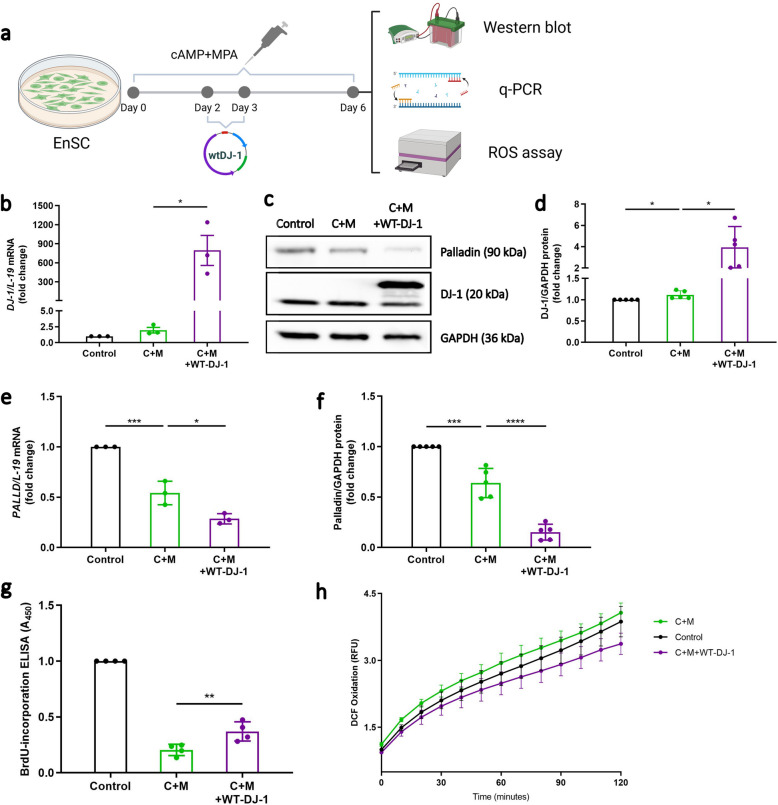 Figure 5
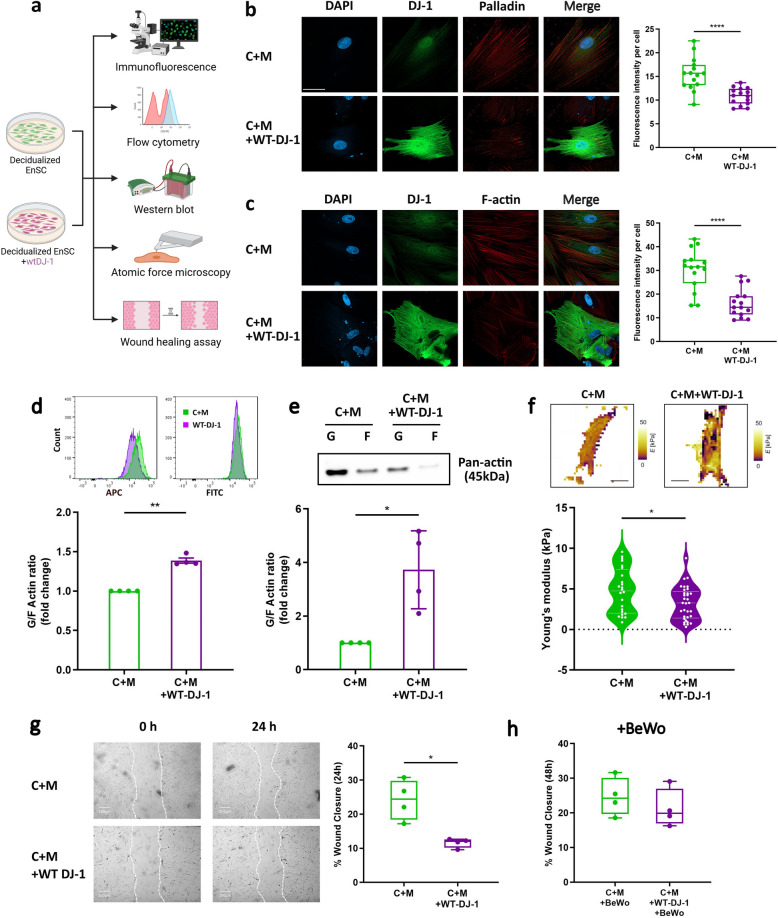 Figure 6
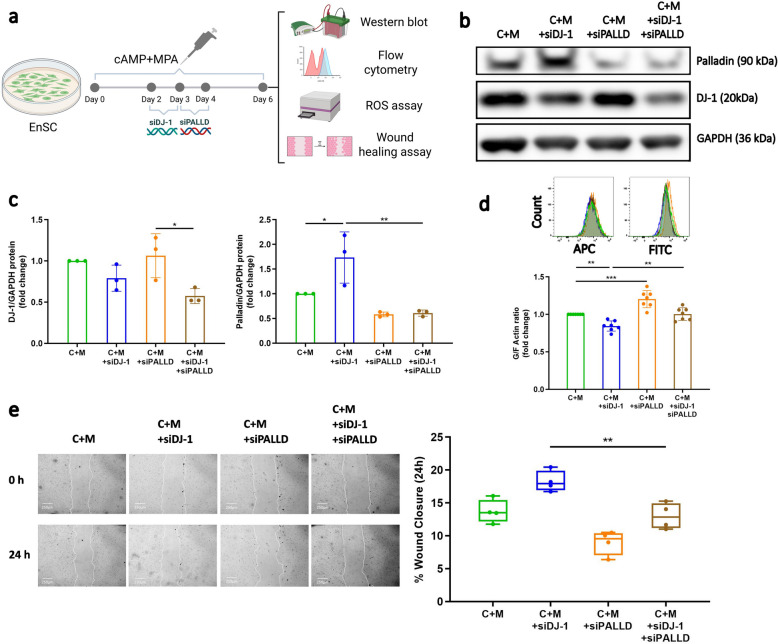 Figure 7
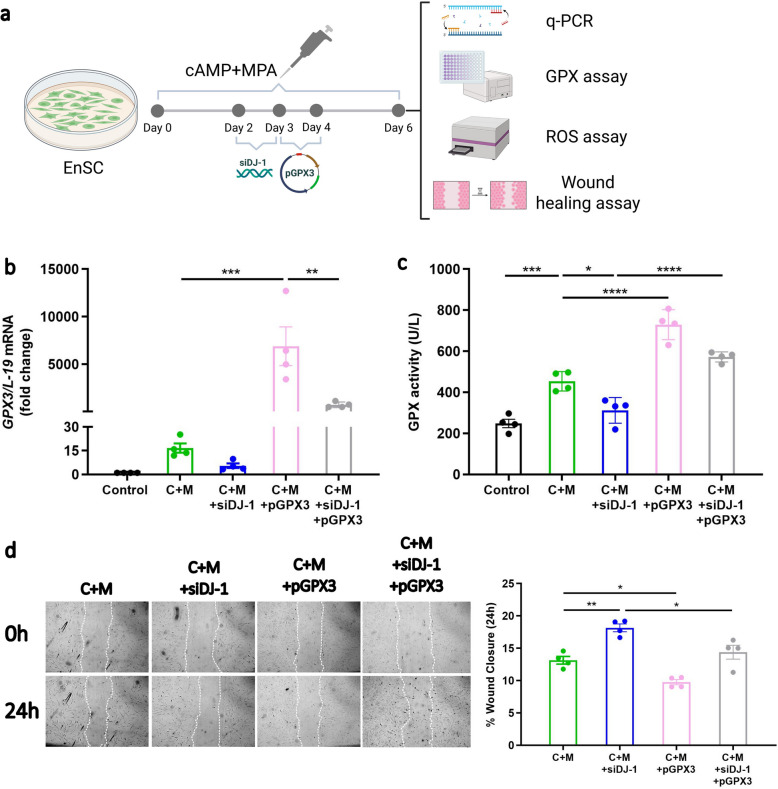 Figure 8
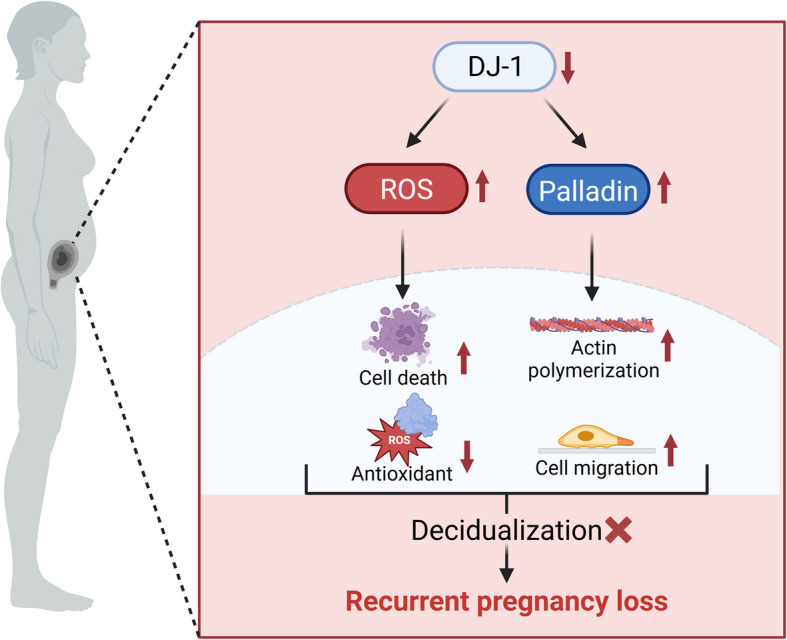 Figure 9
Peer Reviews
No public reviews on file for this paper yet. If you reviewed it on a platform where reviews are public (OpenReview, ICLR, NeurIPS, ICML), you can paste yours below so the community can read it here.
Videos
No videos yet. Explain this paper in a talk, walkthrough, or lecture? Add one.
Taxonomy
TopicsReproductive System and Pregnancy · Parkinson's Disease Mechanisms and Treatments · Nuclear Receptors and Signaling