Dual-layer spectral detector computed tomography multiparameter machine learning model for prediction of lymph node metastases in esophageal squamous cell carcinoma
Junjie Zhang, Ligang Hao, Peiyi Ma, Qiuxu Zhang, Linyi Jia, Fengxiao Gao

TL;DR
This study uses machine learning with CT scan data to predict lymph node metastasis in esophageal cancer patients, offering a non-invasive diagnostic tool.
Contribution
A novel machine learning model combining dual-layer spectral CT parameters and lymph node features for predicting metastasis in ESCC.
Findings
The logistic regression model achieved ROC-AUC values of 0.885 in training and 0.827 in testing.
Key predictors included LAD, SAD, CTV−40keV, NICV, ED, ECVV, and Nct.
The model showed strong diagnostic value with Brier scores of 0.135 and 0.172 in training and testing.
Abstract
Accurate assessment of lymph node metastasis (LNM) is essential for the staging, treatment, and prognosis of esophageal squamous cell carcinoma (ESCC). This study investigates the potential of dual-layer spectral detector computed tomography (SDCT) quantitative parameters in predicting LNM in ESCC. The study included 158 patients with pathologically confirmed ESCC, comprising 92 patients without LNM and 66 patients with LNM. The chi-square test or Fisher’s exact test was utilized to analyze the basic clinical data and lymph node morphological features of the patients. To evaluate the differences in various SDCT quantitative parameters between the LNM and non-LNM groups, the Mann-Whitney U-test and independent sample t-test were applied. Patients were randomly assigned to training and test groups in a 7:3 ratio. The area under the receiver operating characteristic (ROC) curve (AUC) was…
Genes, proteins, chemicals, diseases, species, mutations and cell lines named across the full text — each resolved to its canonical identifier and authoritative record.
Click any figure to enlarge with its caption.
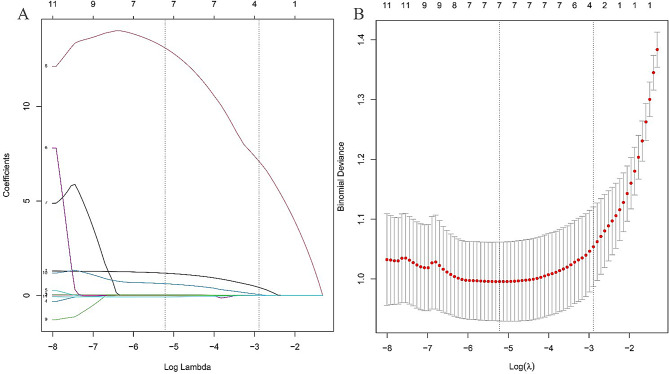 Figure 1
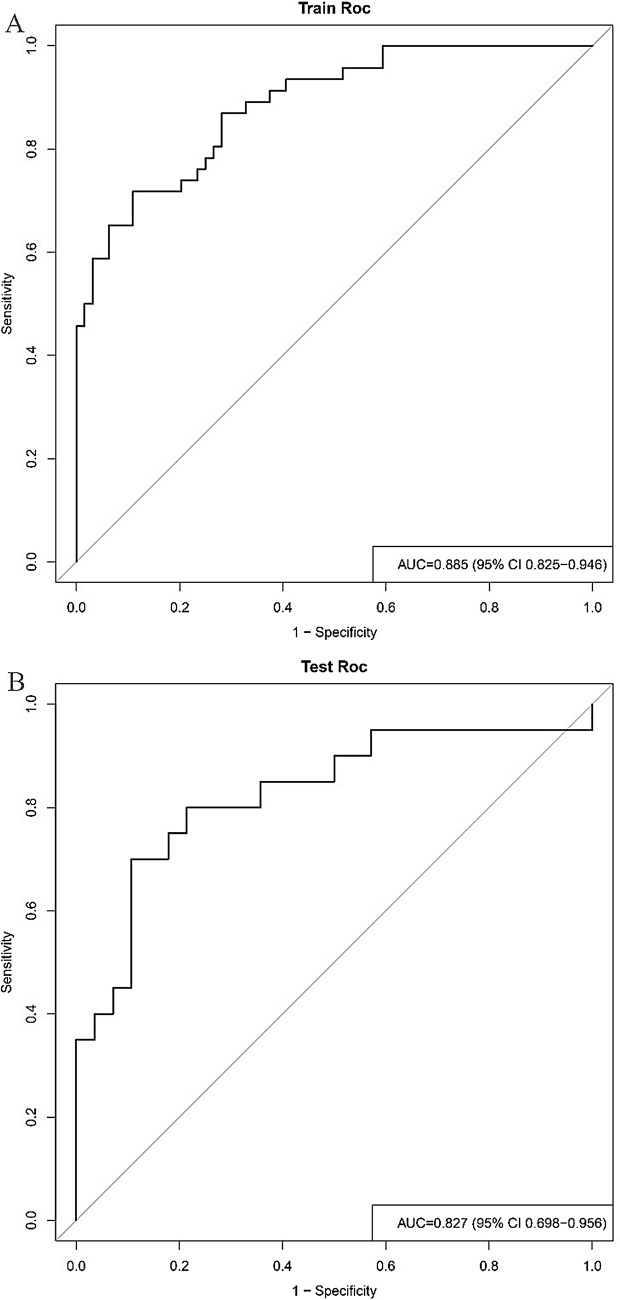 Figure 2
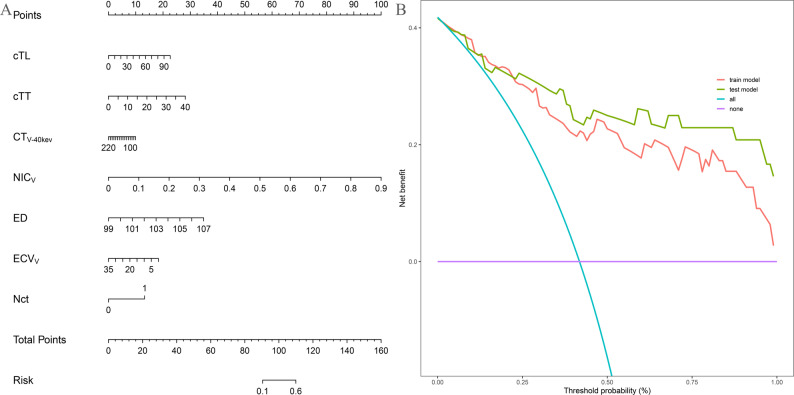 Figure 3
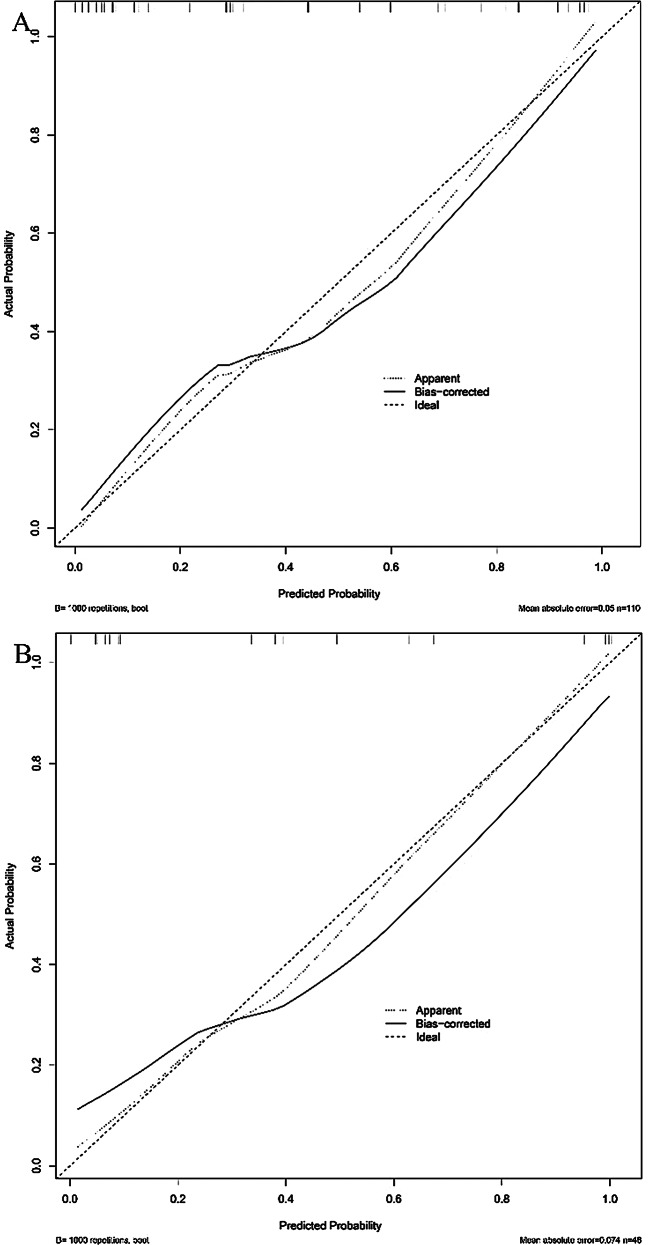 Figure 4
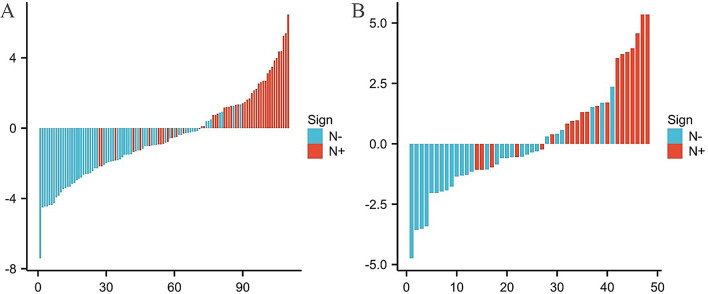 Figure 5
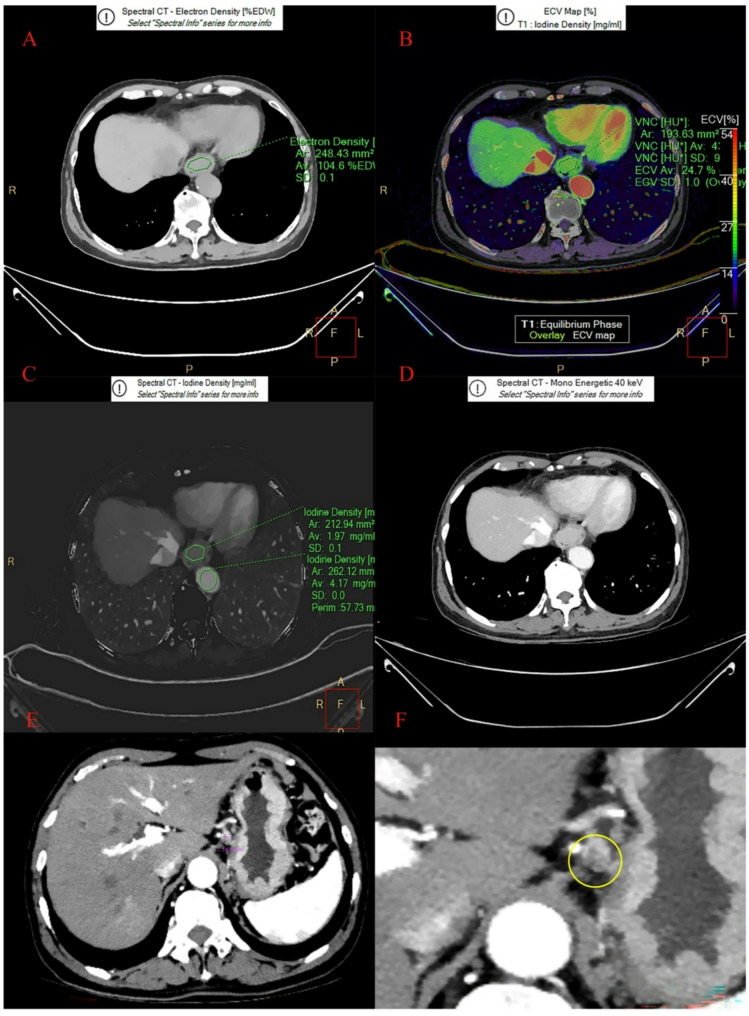 Figure 6
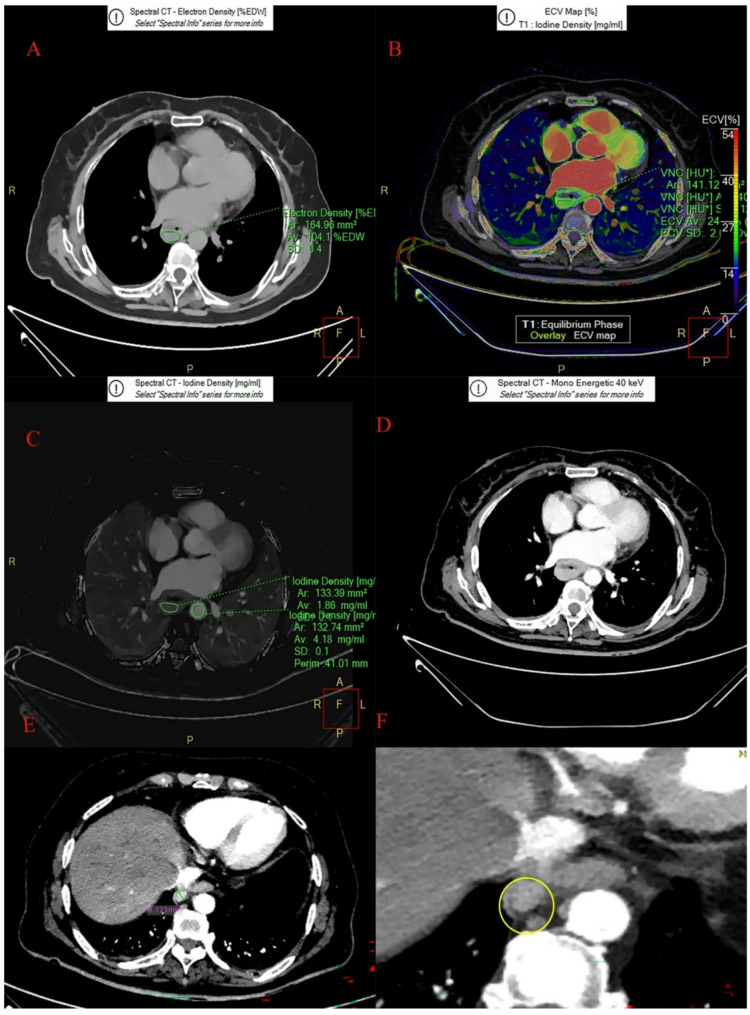 Figure 7
Peer Reviews
No public reviews on file for this paper yet. If you reviewed it on a platform where reviews are public (OpenReview, ICLR, NeurIPS, ICML), you can paste yours below so the community can read it here.
Videos
No videos yet. Explain this paper in a talk, walkthrough, or lecture? Add one.
Taxonomy
TopicsEsophageal Cancer Research and Treatment · AI in cancer detection · Radiomics and Machine Learning in Medical Imaging