Characterization of Culex pipiens cell lines: virus infection and RNAi response
Sarah Gothe, Swati Jagtap, Philipp Böhmer, Melinda Reuter, Svea Frank, Vattipally B. Sreenu, Lesley Bell-Sakyi, Andres Merits, Mine Altinli, Esther Schnettler

TL;DR
This paper introduces new Culex pipiens cell lines that can be used to study arboviruses, which are transmitted by mosquitoes and pose a global health threat.
Contribution
The study characterizes two new Culex pipiens cell lines for virus susceptibility and RNAi response, addressing a research gap in Culex-borne arbovirus studies.
Findings
Both CPE/LULS50 and CPL/LULS56 cell lines support replication of arboviruses from Flaviviridae, Peribunyaviridae, and Togaviridae families.
Small RNA profiling showed virus-specific siRNA production in both cell lines for all tested viruses.
Virus-specific piRNA was detected only for Peribunyaviridae in the cell lines.
Abstract
Arboviruses transmitted by mosquitoes pose a global health threat, causing diseases ranging from mild fevers to severe encephalitis and hemorrhagic fevers. Despite their growing impact, arbovirus research is hindered by biosafety constraints and the need of specialized BSL-3 insectariums. To circumvent these challenges, mosquito-derived cell lines have become indispensable tools for investigating virus-vector interactions. However, most available cell lines originate from Aedes and Anopheles spp., creating a critical research gap for other key vectors such as Culex spp. Although a few cell lines were previously established, they did not represent primary transmitters of West Nile virus (WNV) and other emerging arboviruses in Europe, such as Culex pipiens. To address this gap, the current study aimed to characterize two recently established Culex pipiens cell lines: CPE/LULS50 (Culex…
Genes, proteins, chemicals, diseases, species, mutations and cell lines named across the full text — each resolved to its canonical identifier and authoritative record.
Click any figure to enlarge with its caption.
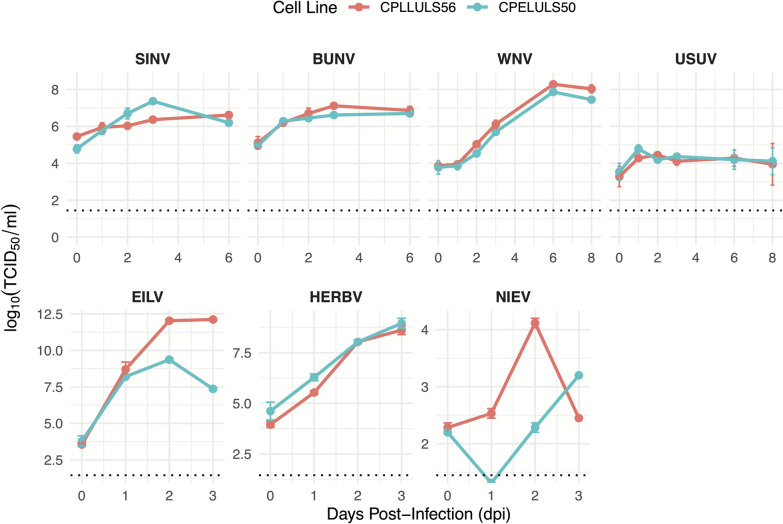 Figure 1
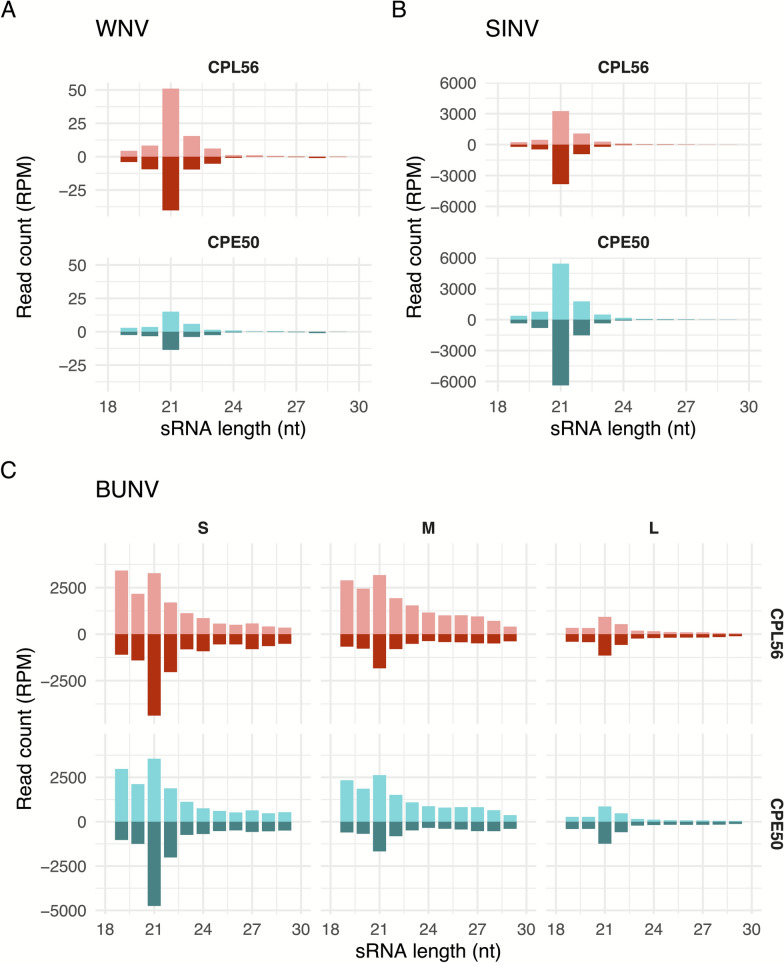 Figure 2
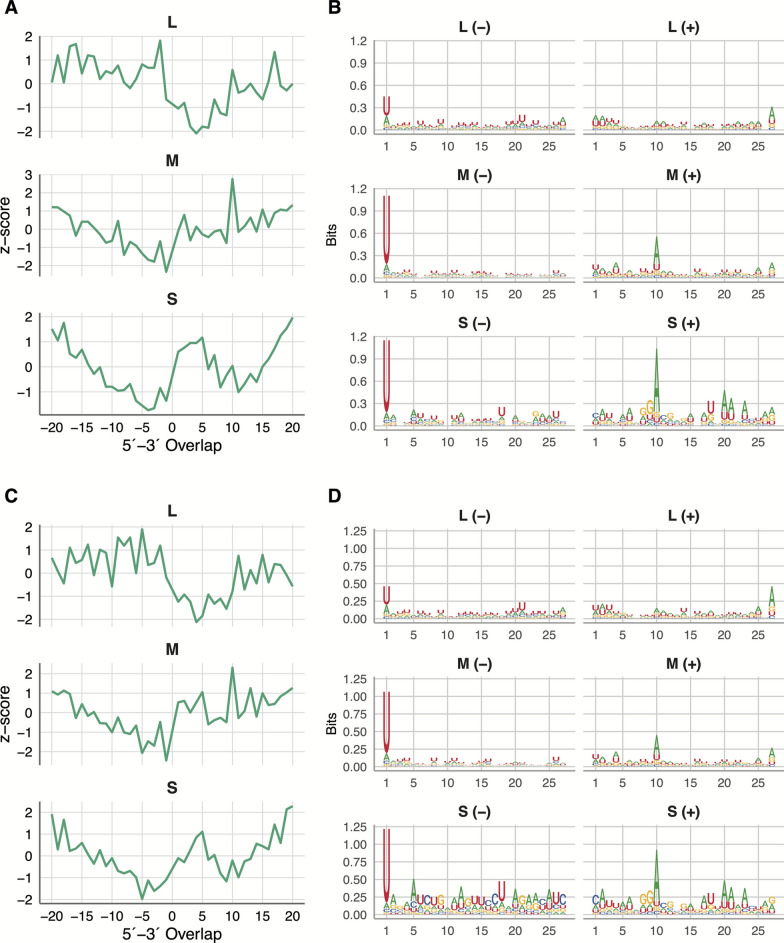 Figure 3
 Figure 4
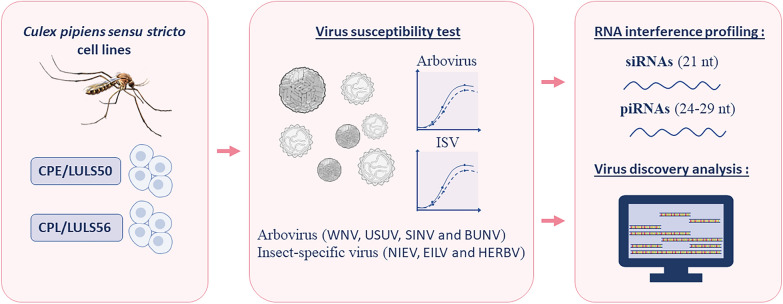 Figure 5
Peer Reviews
No public reviews on file for this paper yet. If you reviewed it on a platform where reviews are public (OpenReview, ICLR, NeurIPS, ICML), you can paste yours below so the community can read it here.
Videos
No videos yet. Explain this paper in a talk, walkthrough, or lecture? Add one.
Taxonomy
TopicsMosquito-borne diseases and control · Malaria Research and Control · Viral Infectious Diseases and Gene Expression in Insects