Procalcitonin/albumin to urea nitrogen ratio: a novel prognostic indicator for severe fever with thrombocytopenia syndrome
Song Li, Bing Gao, Lei Tian, Qing Tang, Xu Xiang

TL;DR
This study identifies a new blood test (PAU ratio) that can predict survival in patients with a severe tick-borne disease called SFTS.
Contribution
The study introduces the procalcitonin/albumin to urea nitrogen ratio (PAU) as a novel prognostic biomarker for SFTS.
Findings
PAU was an independent predictor of adverse outcomes in SFTS patients with strong discriminative performance (AUC 0.810).
Combining PAU with age, viral load, and altered mental status improved predictive accuracy (AUC 0.897).
High PAU levels correlated with worse prognosis and distinct longitudinal trends in non-survivors versus survivors.
Abstract
Severe fever with thrombocytopenia syndrome (SFTS), caused by the novel Bunyavirus (NBV), is a tick-borne infectious disease associated with high morbidity and mortality. Currently, no effective treatment or vaccine exists for SFTS. Early identification of prognostic factors is crucial for clinical management. This study aimed to evaluate the prognostic value of the procalcitonin/albumin to urea nitrogen ratio (PAU) in SFTS patients. This retrospective observational study enrolled 259 consecutive patients with SFTS admitted to Tongji Hospital from April 2023 to November 2024. Patients were stratified into survival (n = 172) and death (n = 87) groups based on clinical outcomes. Multivariable logistic regression identified advanced age, altered mental status (AMS), elevated PAU and high viral load as independent predictors of adverse outcome in SFTS. PAU exhibited strong discriminative…
Genes, proteins, chemicals, diseases, species, mutations and cell lines named across the full text — each resolved to its canonical identifier and authoritative record.
Click any figure to enlarge with its caption.
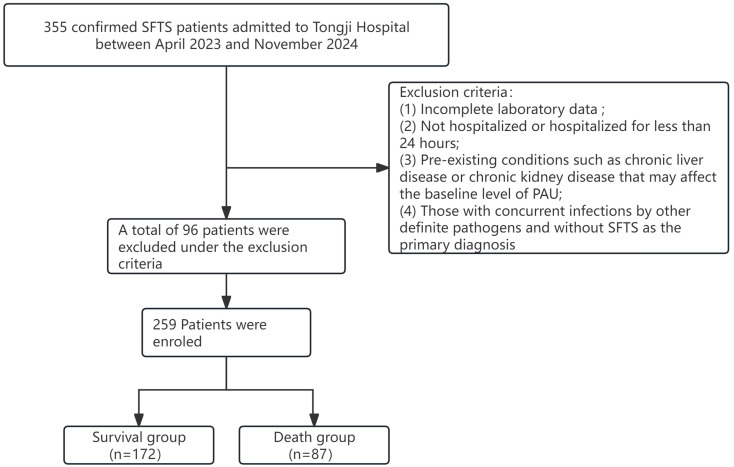 Figure 1
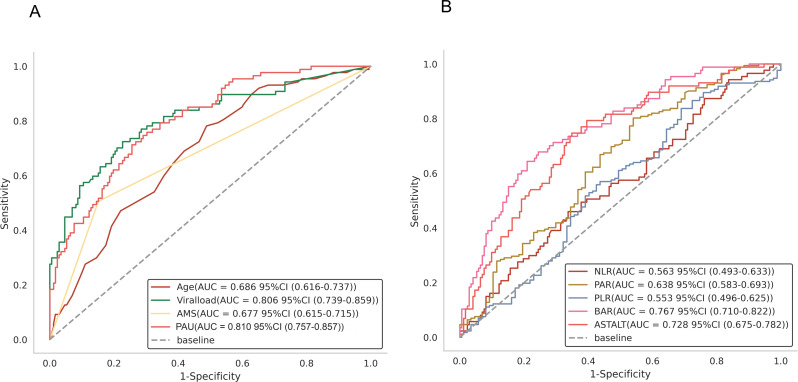 Figure 2
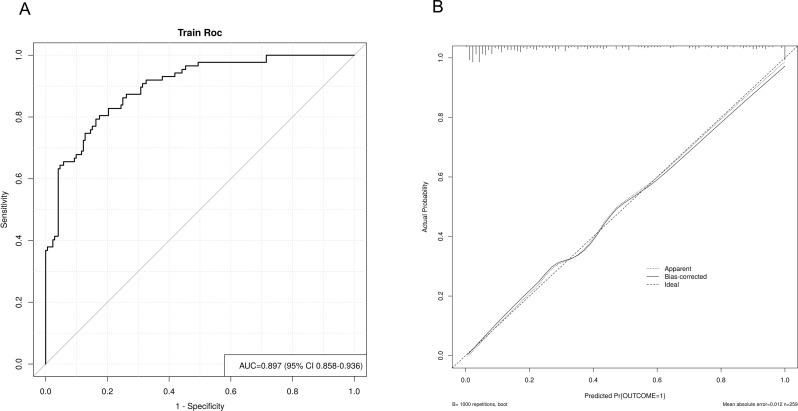 Figure 3
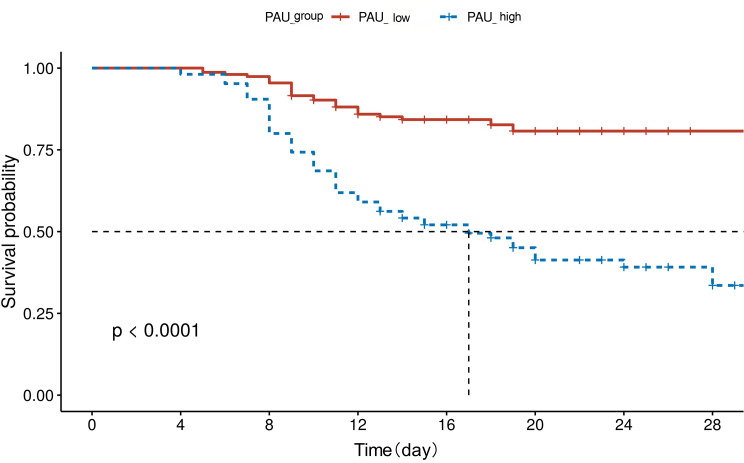 Figure 4
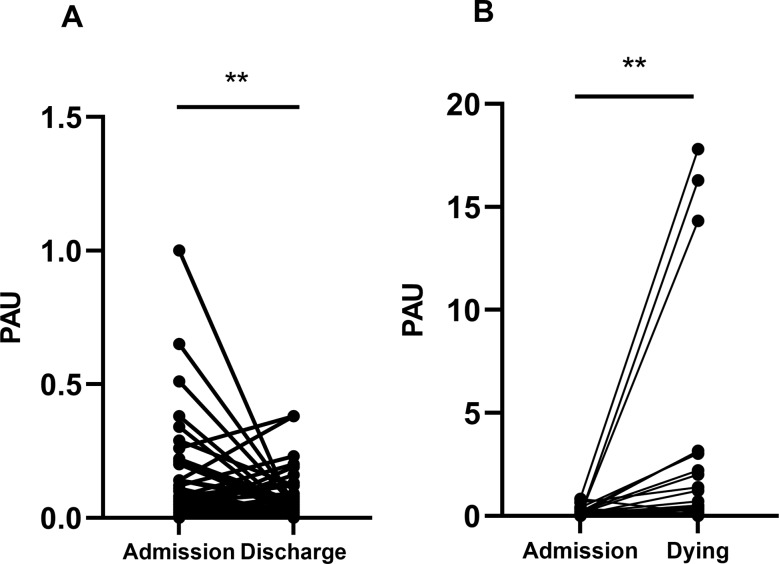 Figure 5
Peer Reviews
No public reviews on file for this paper yet. If you reviewed it on a platform where reviews are public (OpenReview, ICLR, NeurIPS, ICML), you can paste yours below so the community can read it here.
Videos
No videos yet. Explain this paper in a talk, walkthrough, or lecture? Add one.
Taxonomy
TopicsViral Infections and Vectors · Vector-borne infectious diseases · Mosquito-borne diseases and control