Proliferation of activated hepatic stellate cells requires REST
Vladimir S Shavva, L. Tarnawski, W. Dai, N. Moruzzi, A.-S. Haller, F. Borg, S. Hansson, Q. Guo, M. Cai, E. Fekete, J.J. Vacquié, A. Maestri, T. Liu, R.S. Vimaladithan, S.G. Malin, P. Saliba-Gustafsson, P.-O. Berggren, C.E. Hagberg, O. Ahmed, Peder S. Olofsson

TL;DR
The study shows that the REST protein is crucial for the activation and growth of liver cells linked to liver diseases and cancer.
Contribution
The paper identifies REST as a key regulator of hepatic stellate cell activation through its control of the PI3K/AKT/mTORC1 pathway.
Findings
REST knockdown in hepatic stellate cells reduced proliferation and mitochondrial metabolism.
REST regulates the PI3K/AKT/mTORC1 pathway during HSC activation.
Loss of REST promotes lipid accumulation and autophagy in activated hepatic stellate cells.
Abstract
Activation of hepatic stellate cells (HSCs) is key in liver regeneration and the pathogenesis of chronic liver diseases, such as metabolic dysfunction-associated steatohepatitis (MASH). Activated HSCs promote liver inflammation and fibrosis which can lead to the development of liver cancer. Targeted removal of activated HSCs has shown promise in preventing liver fibrosis and liver cancer in mouse models. HSC activation is characterized by increased mitochondrial metabolism and upregulation of pro-fibrotic genes, but the underlying regulatory mechanisms remain incompletely understood. Since RE1-silencing transcription factor (REST) is known to regulate cell fate and metabolism, we investigated its involvement in HSC activation. REST-dependent mechanisms of HSC activation were studied using siRNA-mediated REST knock down in primary human HSCs and human HSC-like LX2 cells. Knock down of…
Genes, proteins, chemicals, diseases, species, mutations and cell lines named across the full text — each resolved to its canonical identifier and authoritative record.
Click any figure to enlarge with its caption.
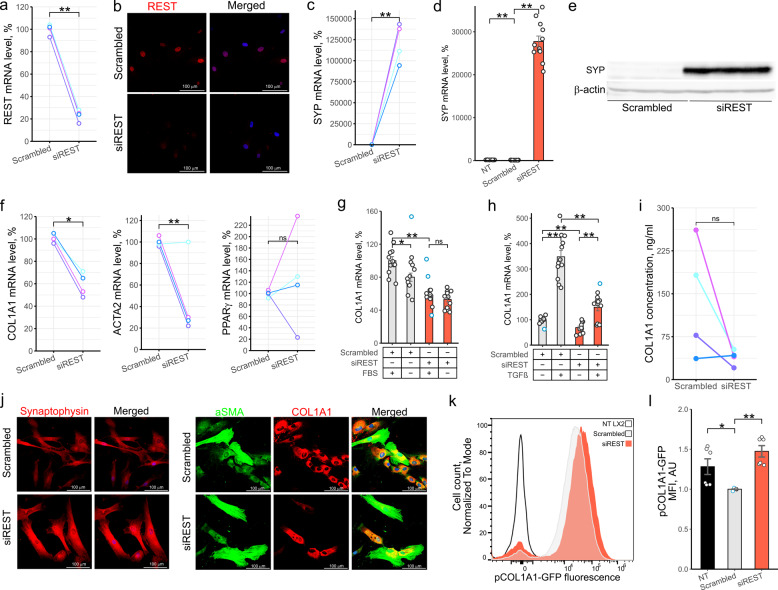 Figure 1
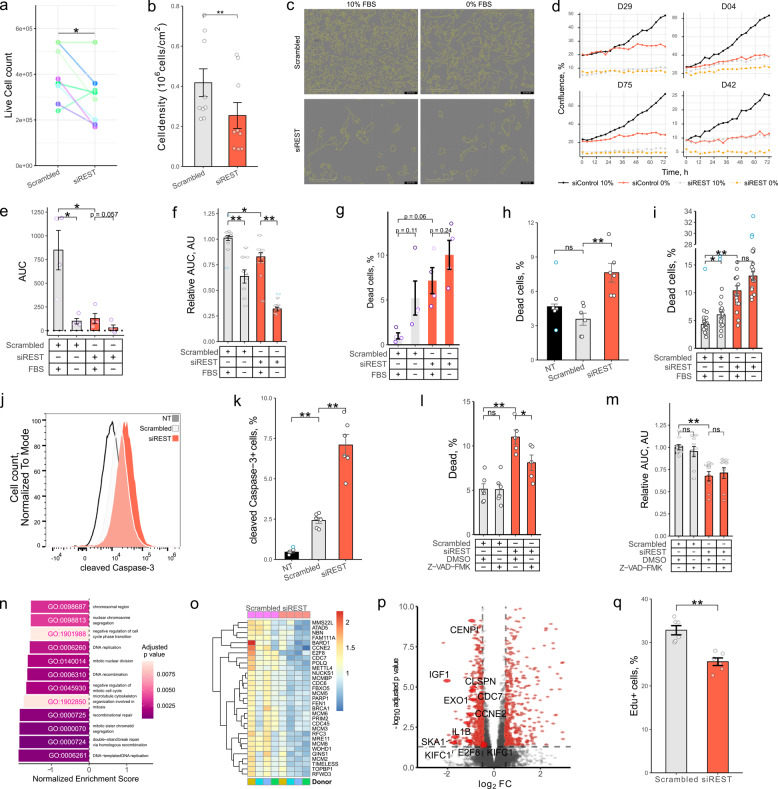 Figure 2
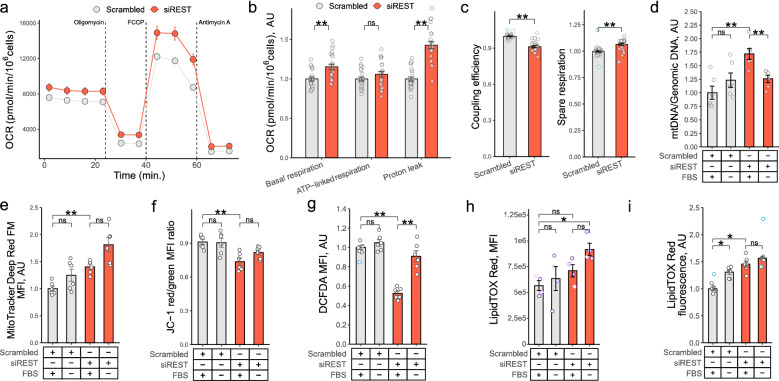 Figure 3
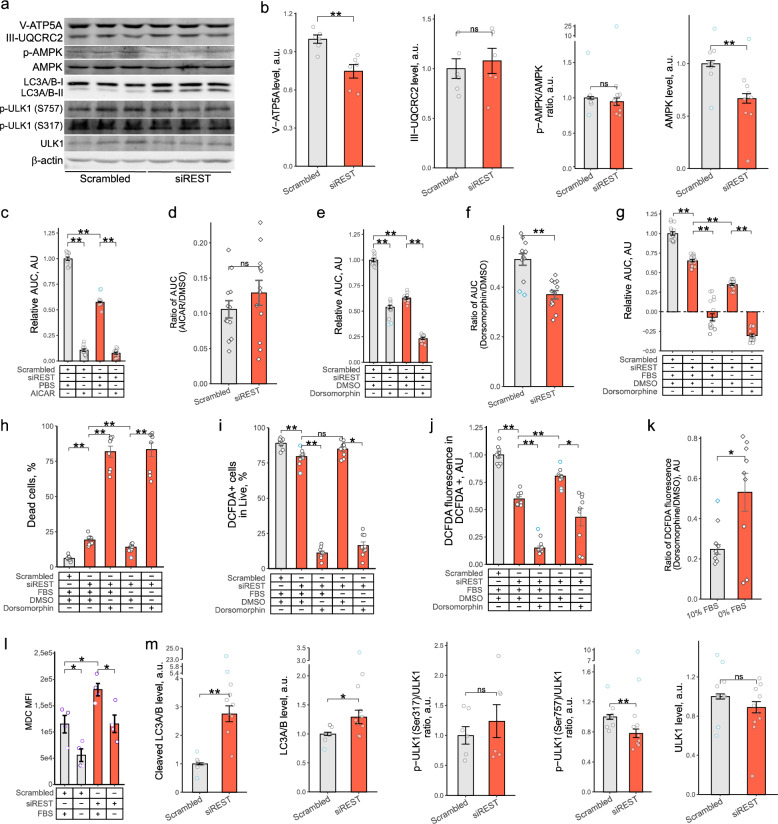 Figure 4
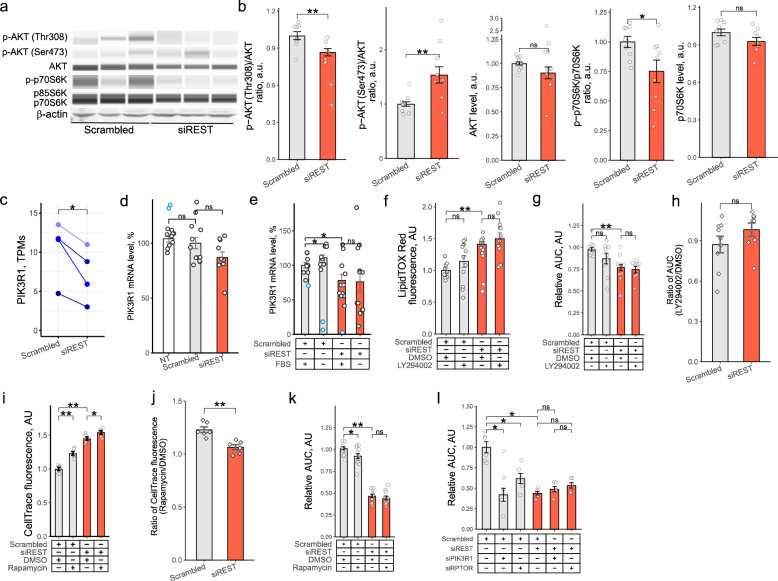 Figure 5
Peer Reviews
No public reviews on file for this paper yet. If you reviewed it on a platform where reviews are public (OpenReview, ICLR, NeurIPS, ICML), you can paste yours below so the community can read it here.
Videos
No videos yet. Explain this paper in a talk, walkthrough, or lecture? Add one.
Taxonomy
TopicsLiver physiology and pathology · Genomics and Chromatin Dynamics · FOXO transcription factor regulation