Development and internal validation of an interpretable machine learning model to predict coagulopathy following extracorporeal membrane oxygenation: a retrospective multicenter study
Zhen Chen, Zhenhua Zeng, Genglong Liu, Yongpeng Su, Changzhi Liu, Yiqi Zhong, Jiamin Li, Liuer Zuo

TL;DR
Researchers developed and validated a machine learning model to predict coagulopathy in ECMO patients, identifying key factors like platelet levels and lactate for better clinical management.
Contribution
An optimized, interpretable machine learning model (ECMO-IC index) was developed and internally validated for predicting ECMO-induced coagulopathy.
Findings
The ECMO-IC index achieved strong diagnostic performance with an AUC of 0.815 in derivation and validation cohorts.
SHAP analysis highlighted the importance of platelet count, lactate, potassium, and APACHE II in predicting ECMO-IC.
Nonlinear relationships and threshold effects were identified for key variables using RCS regression and threshold analysis.
Abstract
Extracorporeal membrane oxygenation-induced coagulopathy (ECMO-IC) represents a frequent and severe complication, contributing to oxygenator replacement and unfavorable outcomes. Currently, no reliable machine learning (ML) model exists for early identification. This study comprehensively assesses routine clinical characteristics to develop a reliable, accurate, and explainable ML model for estimating ECMO-IC risk and to identify modifiable factors. This study included two center cohorts with 266 patients undergoing ECMO from 2015 to 2024. Feature selection utilized the Boruta algorithm, followed by the implementation of a distinctive ML framework incorporating 12 ML algorithms to establish a consensus prediction model (ECMO-IC index). Model and feature variable assessment employed multiple analytical methods: Bootstrapping and fivefold cross-validation, subgroup and interaction…
Genes, proteins, chemicals, diseases, species, mutations and cell lines named across the full text — each resolved to its canonical identifier and authoritative record.
Click any figure to enlarge with its caption.
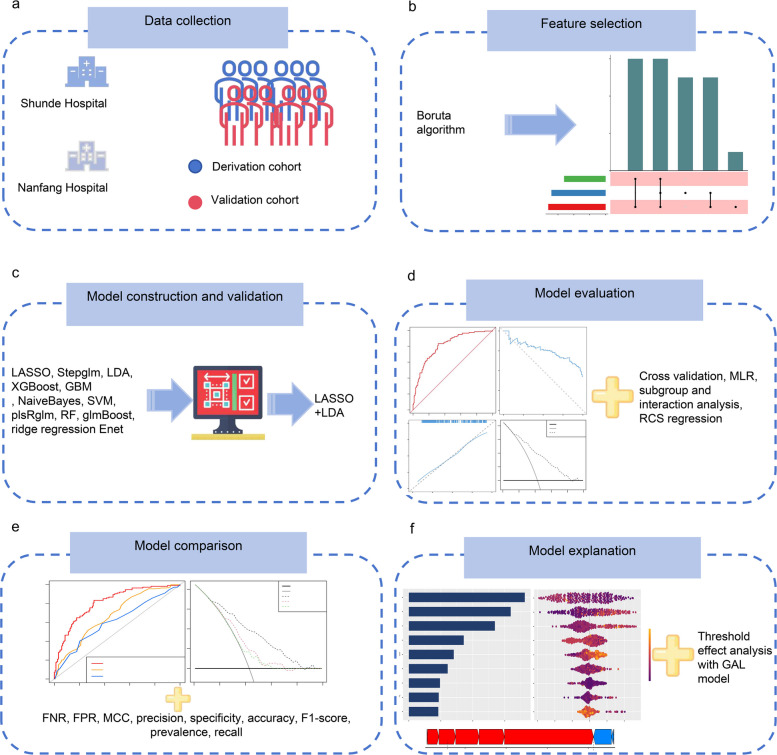 Figure 1
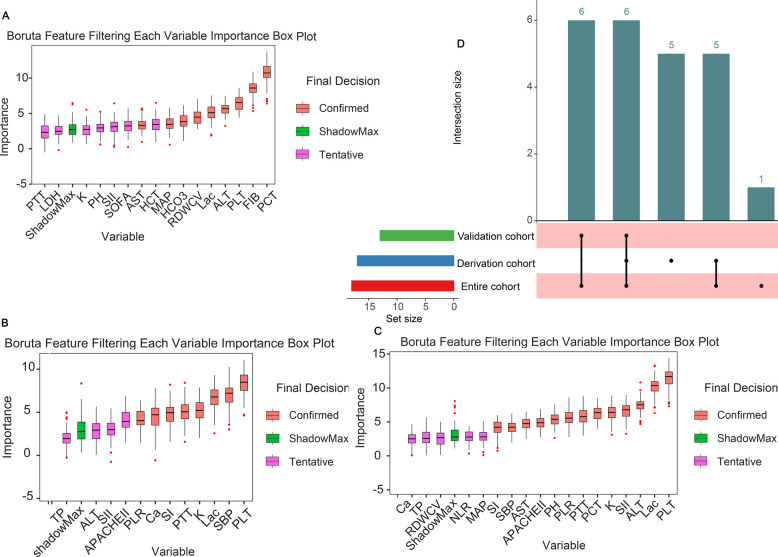 Figure 2
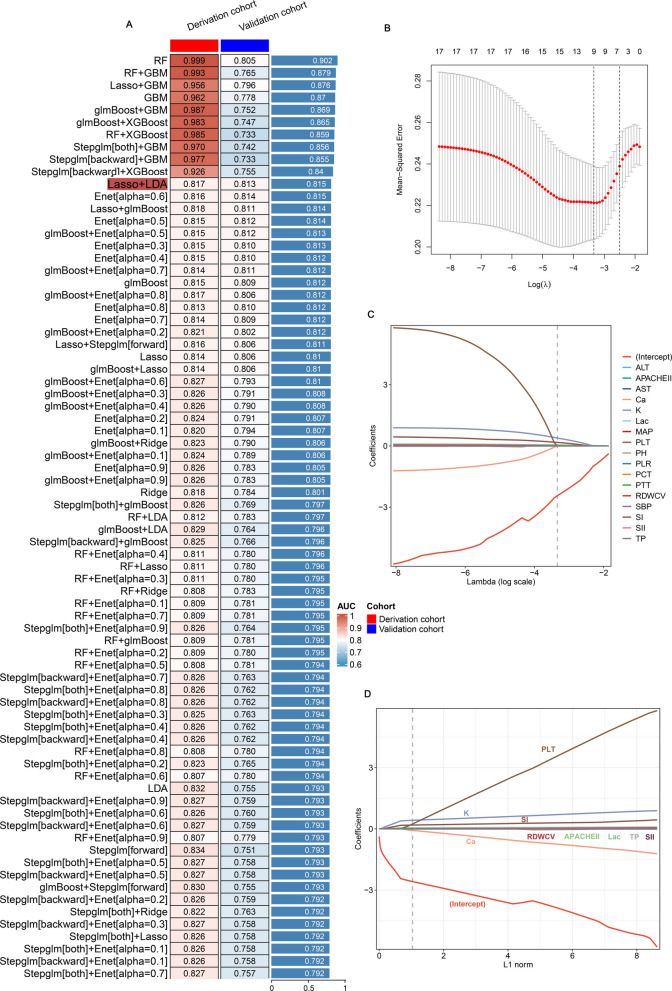 Figure 3
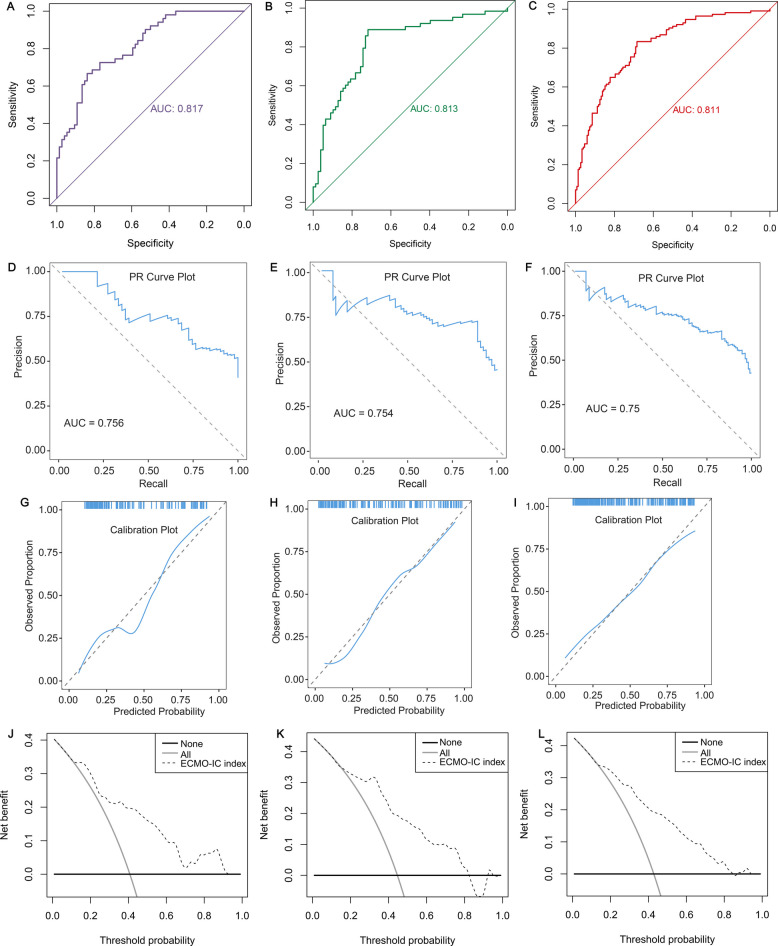 Figure 4
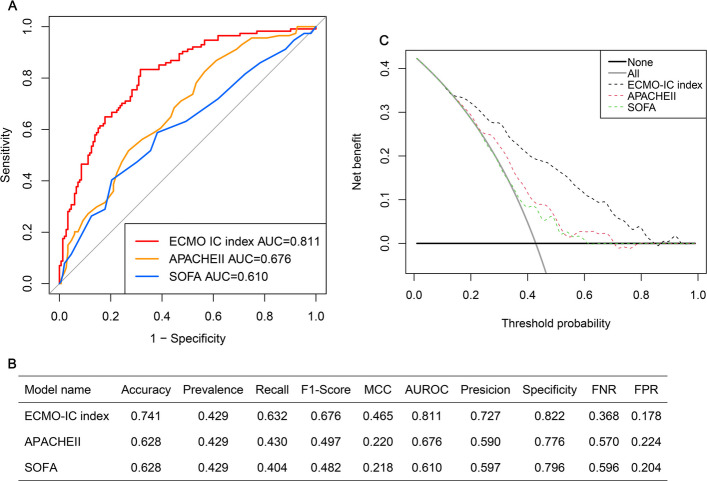 Figure 5
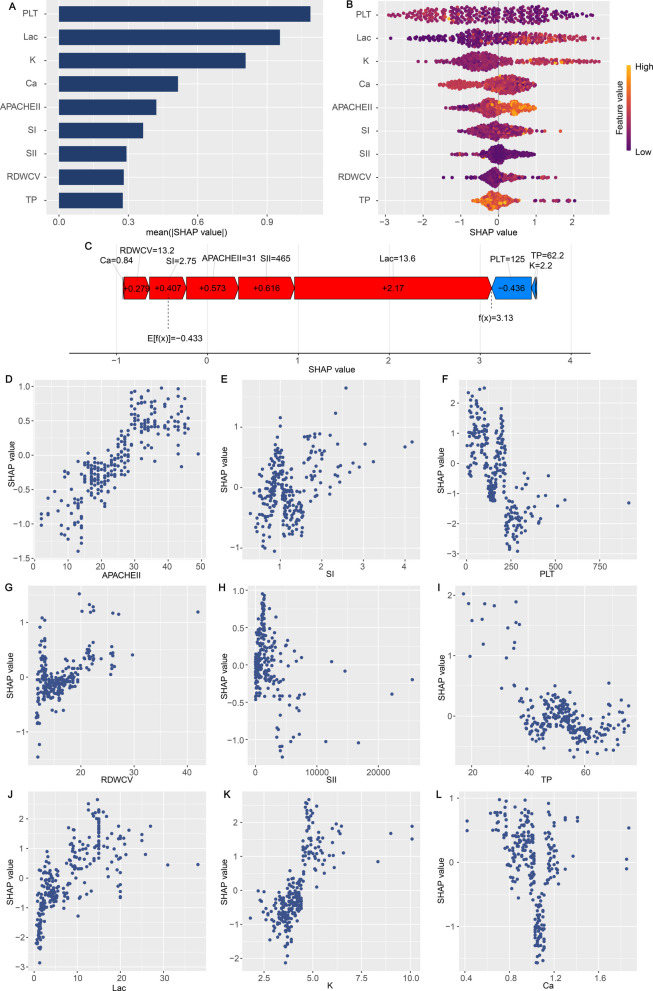 Figure 6
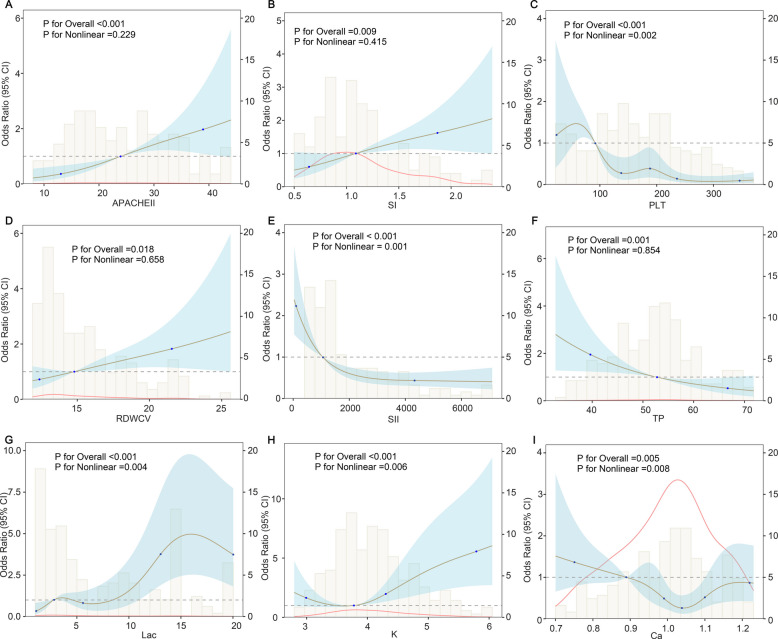 Figure 7
Peer Reviews
No public reviews on file for this paper yet. If you reviewed it on a platform where reviews are public (OpenReview, ICLR, NeurIPS, ICML), you can paste yours below so the community can read it here.
Videos
No videos yet. Explain this paper in a talk, walkthrough, or lecture? Add one.
Taxonomy
TopicsMechanical Circulatory Support Devices · Sepsis Diagnosis and Treatment · Cardiac and Coronary Surgery Techniques