Energy metabolism and adaptation to hypoxia in the non-photosynthetic green alga Leontynka
Pia Corre, Jana Pilátová, Tomáš Bílý, Eliška Zadrobílková, Ivan Čepička, Marie Vancová, Martin Lohr, Oliver D. Caspari, Marek Eliáš, Tomáš Pánek

TL;DR
This study explores how the non-photosynthetic green alga Leontynka adapts to low-oxygen environments by analyzing its energy metabolism and evolutionary traits.
Contribution
The study provides the first comprehensive analysis of microaerophilic Chlamydomonadales algae and their adaptation to hypoxia.
Findings
Leontynka retains ancestral enzymes of anaerobic energy metabolism and uses oxidative phosphorylation in mitochondria.
The plastid of Leontynka may synthesize ATP independently of oxygen, similar to hydrogenosomes.
Metabolic interactions with microaerophilic and anaerobic bacteria may support Leontynka's hypoxia adaptation.
Abstract
Leontynka is a non-photosynthetic lineage of the order Chlamydomonadales (Chlorophyta). Although many Chlamydomonadales members encode components of the anaerobic energy metabolism, studies focused on Chlamydomonadales algae thriving in hypoxia and not prospering in oxic conditions are missing. Using a combination of experimental approaches, comparative genomics, and advanced in silico protein localization analyses, we employed Leontynka as a model to investigate the evolution of anaerobiosis in Chlamydomonadales. Leontynka spp. accumulate a wide range of storage forms, enabling them to cope with nutritional stresses. Their mitochondria contain well-developed cristae mediating a conventional aerobic energy metabolism. Moreover, colocalization of a Raman signal for cytochromes with the position of mitochondria in the cell indicates that oxidative phosphorylation is an important route of…
Genes, proteins, chemicals, diseases, species, mutations and cell lines named across the full text — each resolved to its canonical identifier and authoritative record.
Click any figure to enlarge with its caption.
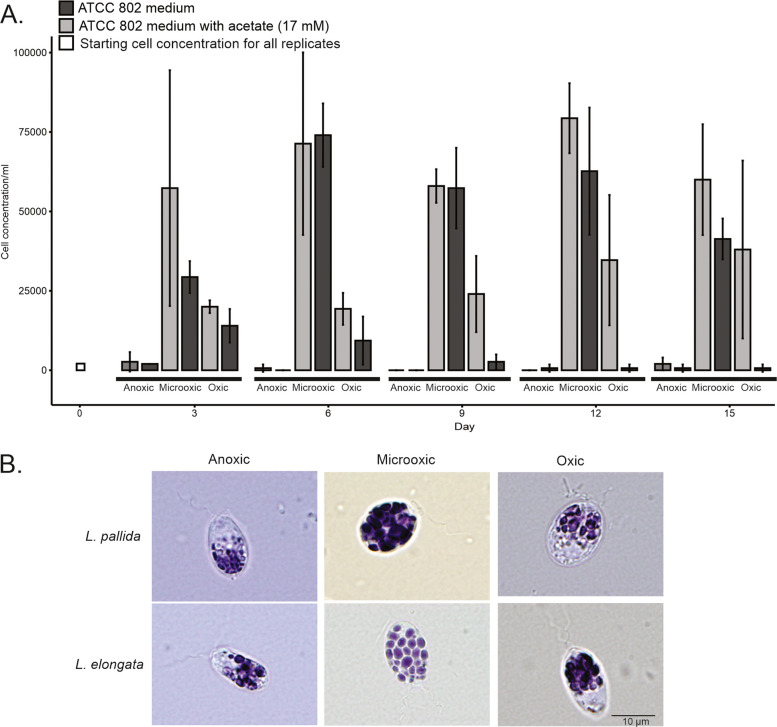 Figure 1
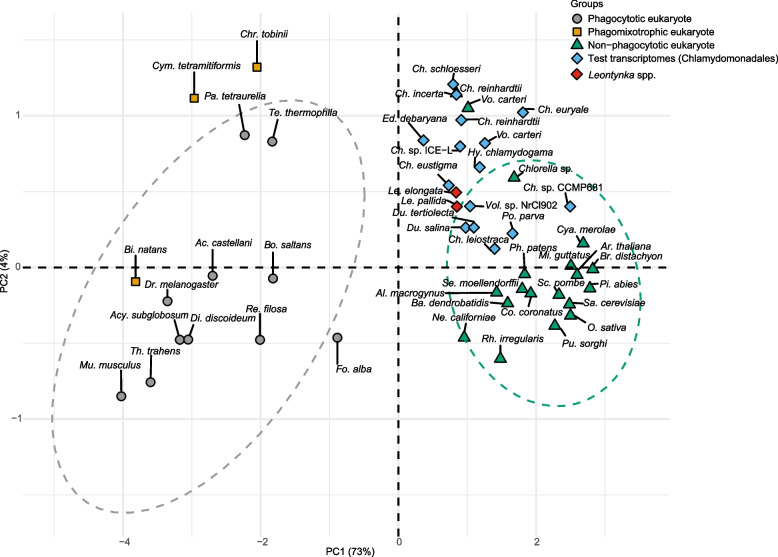 Figure 2
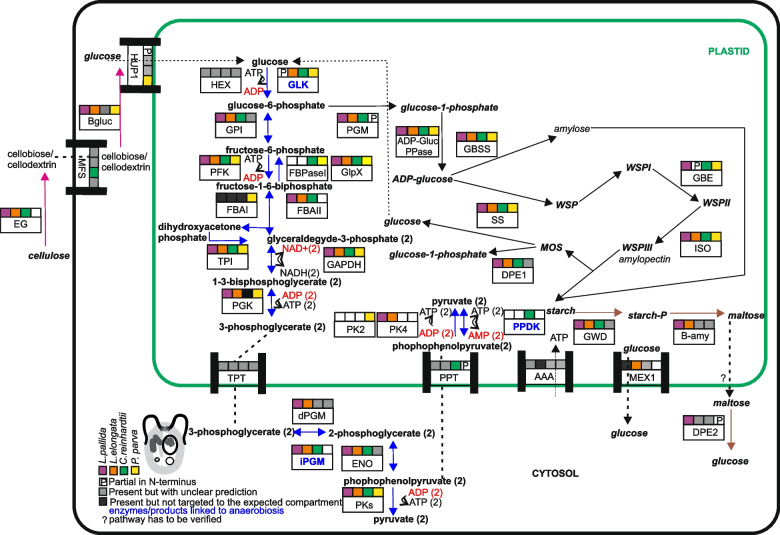 Figure 3
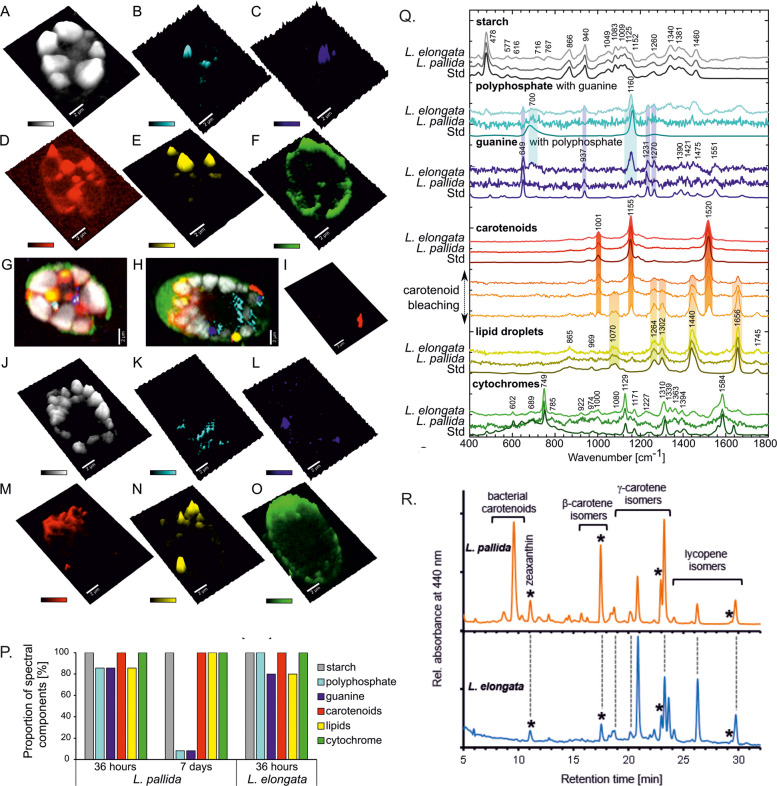 Figure 4
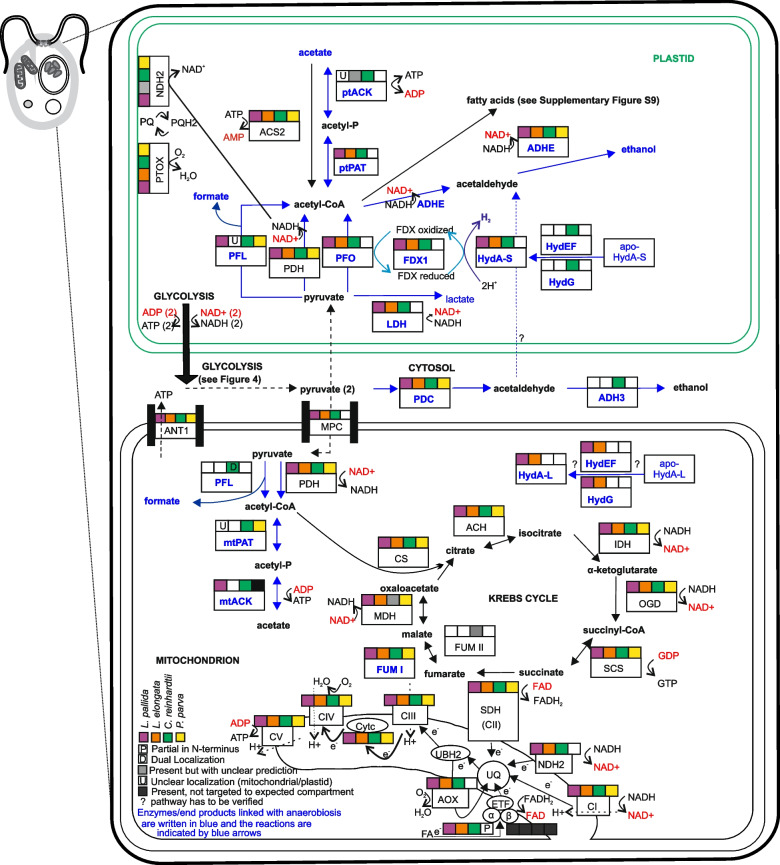 Figure 5
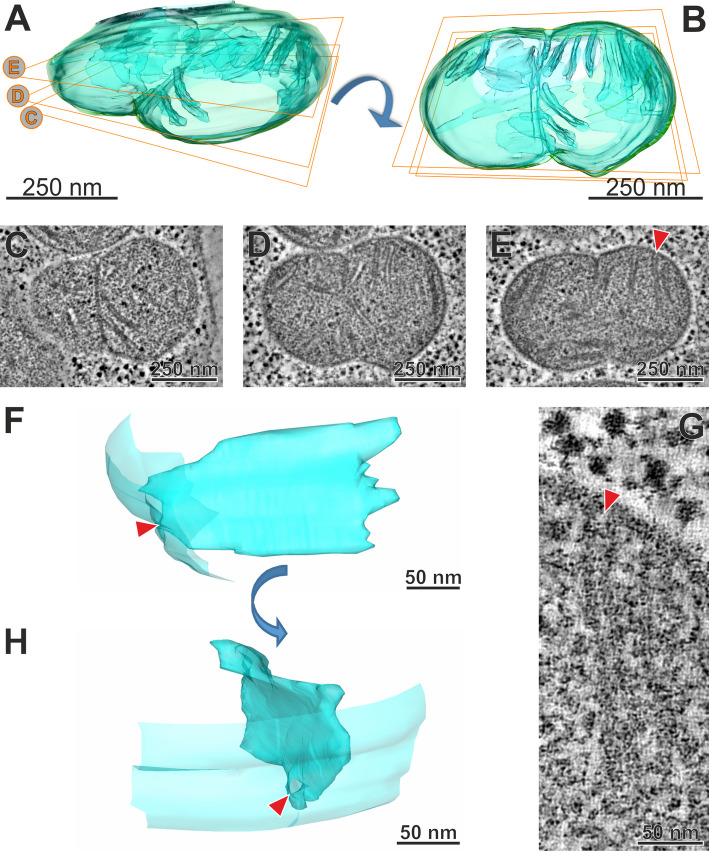 Figure 6
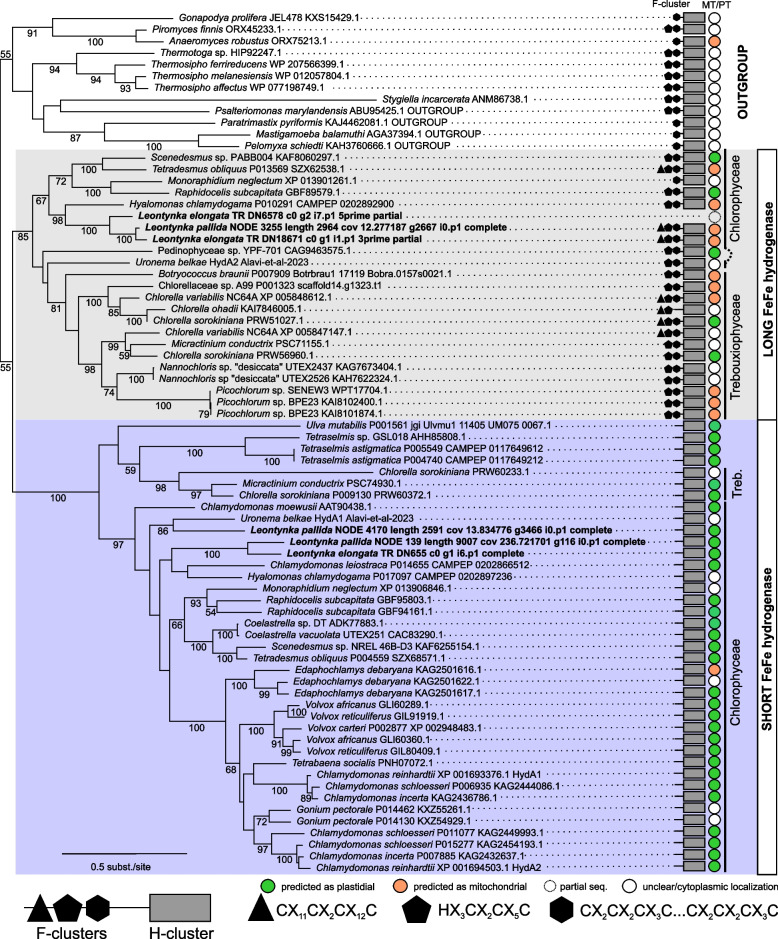 Figure 7
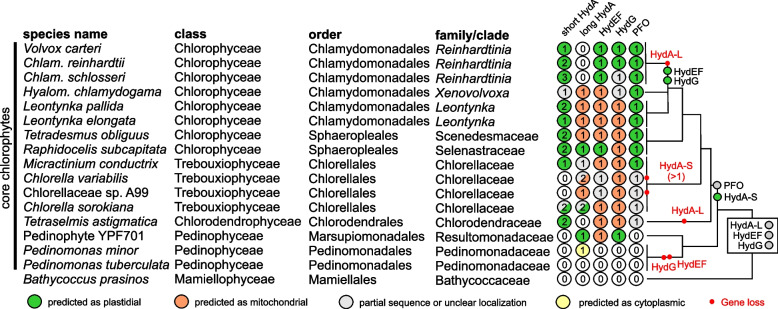 Figure 8
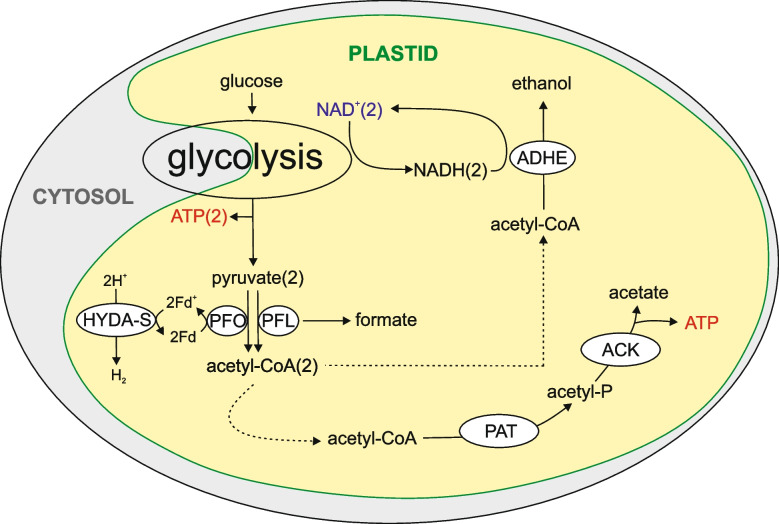 Figure 9
Peer Reviews
No public reviews on file for this paper yet. If you reviewed it on a platform where reviews are public (OpenReview, ICLR, NeurIPS, ICML), you can paste yours below so the community can read it here.
Videos
No videos yet. Explain this paper in a talk, walkthrough, or lecture? Add one.
Taxonomy
TopicsPhotosynthetic Processes and Mechanisms · Algal biology and biofuel production · Protist diversity and phylogeny