Impaired mitochondrial morphology and respiratory dysfunction in human induced pluripotent stem cells with mitochondrial tRNA mutations (m.3243A>G and m.14739G>A)
Fibi Meshrkey, Kelly M. Scheulin, Bibhuti Saikia, Joshua Stabach, Raj R. Rao, Franklin D. West, Shilpa Iyer

TL;DR
This study shows that mitochondrial tRNA mutations in human stem cells lead to abnormal mitochondrial shape and reduced energy function, which could affect tissue development and disease modeling.
Contribution
The study introduces a novel use of patient-derived hiPSCs to model mitochondrial tRNA mutations and their effects on mitochondrial morphology and bioenergetics.
Findings
hiPSCs with tRNA mutations showed hyperfused mitochondrial structures.
Mitochondrial respiratory dysfunction was severe in hiPSCs with tRNA mutations.
hiPSCs retained normal karyotypes and expressed pluripotency markers despite mutations.
Abstract
Mitochondrial DNA (mtDNA) mutations contribute to respiratory dysfunction and cause mitochondrial diseases. The pathologies of these multisystemic inherited diseases are poorly understood. Mutations in the mitochondrial tRNA gene are one of the most frequent mtDNA mutations and are associated with various clinical symptoms such as diabetes mellitus, hearing loss, cardiomyopathy, exercise intolerance, and found in patients with mitochondrial disorders. Human induced pluripotent stem cells (hiPSCs), generated by reprogramming patient-specific somatic cells are recognized as useful tools for disease modeling and serve to better understand the multisystemic pathologies associated with mitochondrial tRNA mutations. hiPSCs were generated from control BJ and two fibroblast lines with mitochondrial tRNA mutations using non-modified reprogramming and immune evasion mRNAs and microRNAs.…
Genes, proteins, chemicals, diseases, species, mutations and cell lines named across the full text — each resolved to its canonical identifier and authoritative record.
Click any figure to enlarge with its caption.
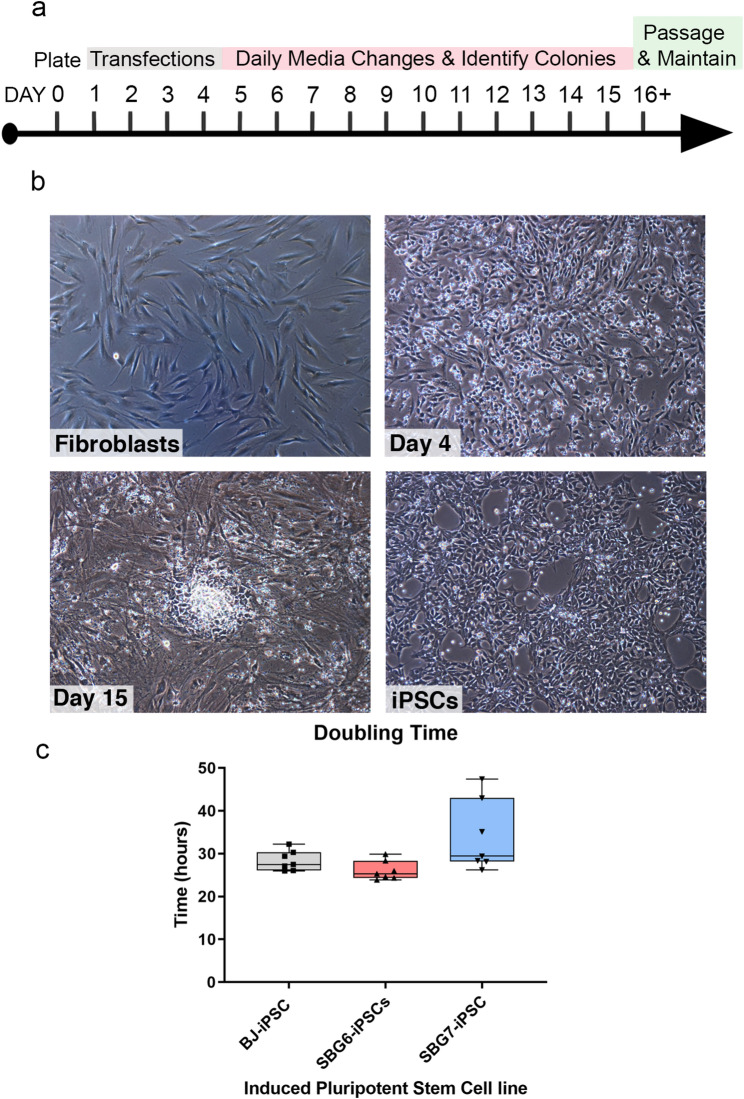 Figure 1
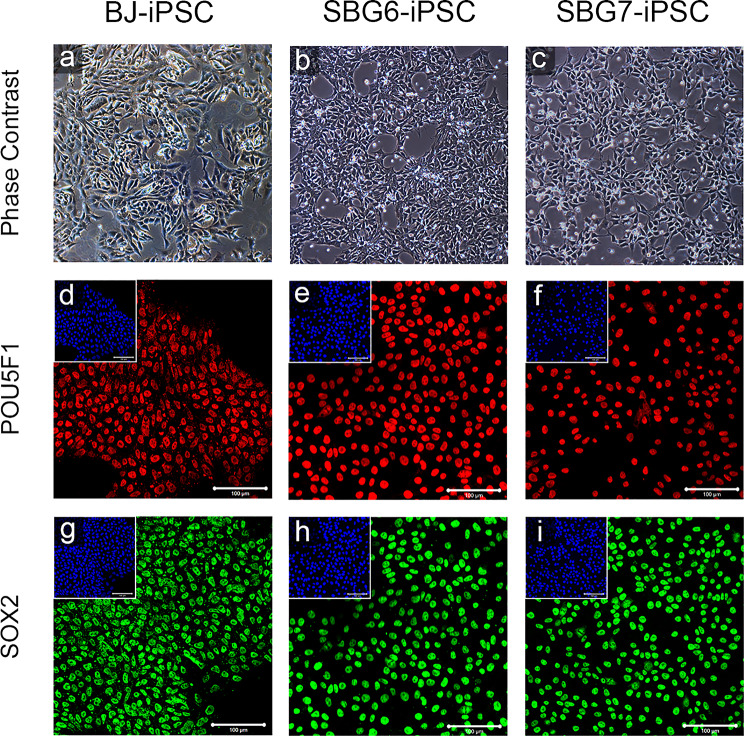 Figure 2
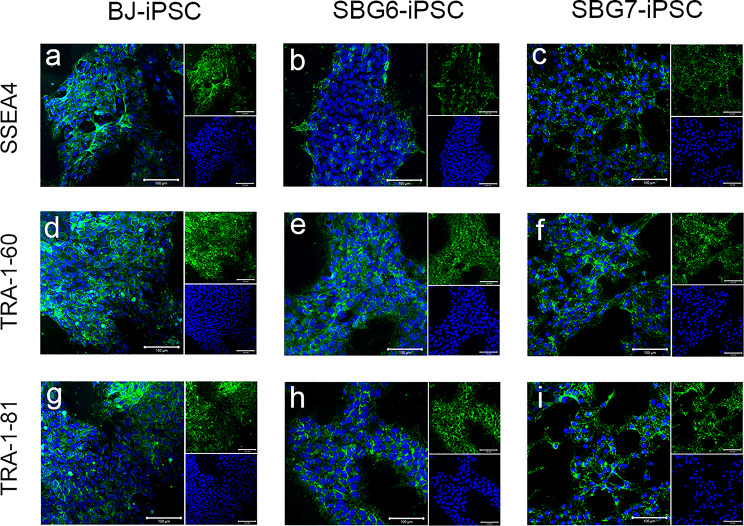 Figure 3
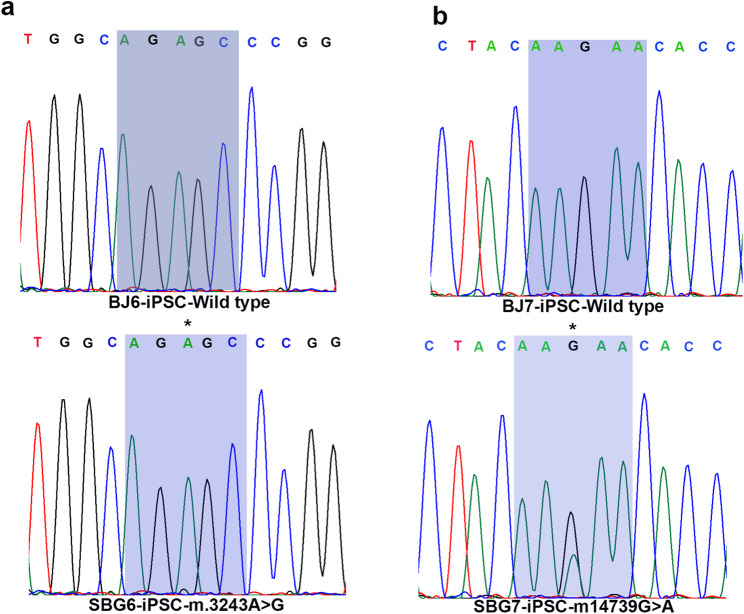 Figure 4
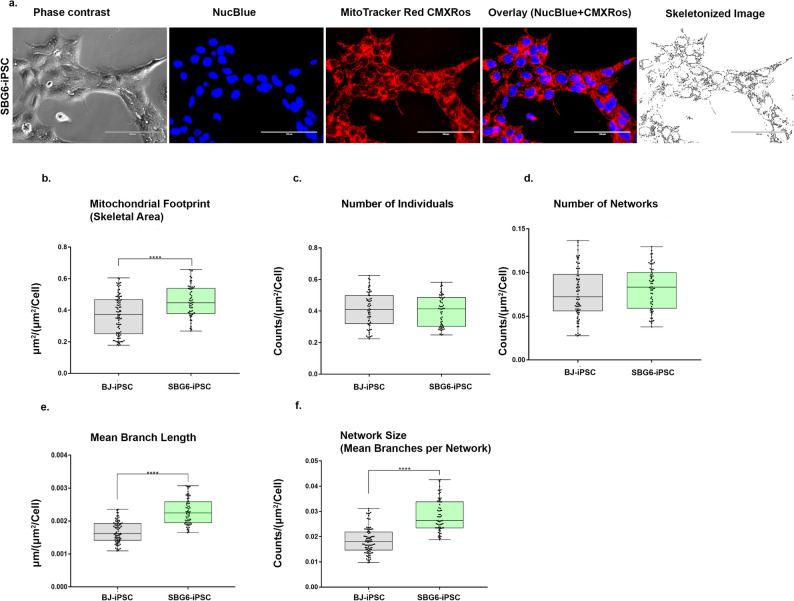 Figure 5
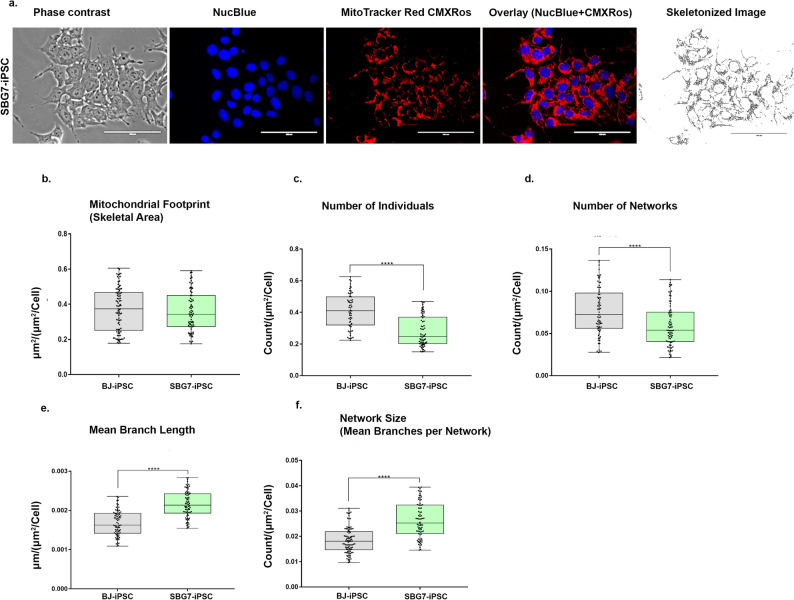 Figure 6
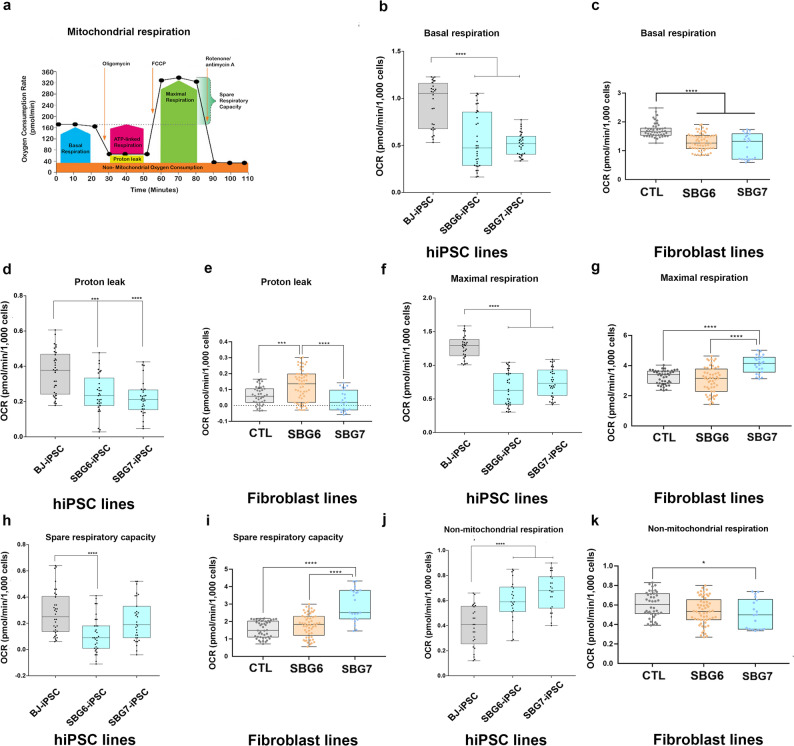 Figure 7
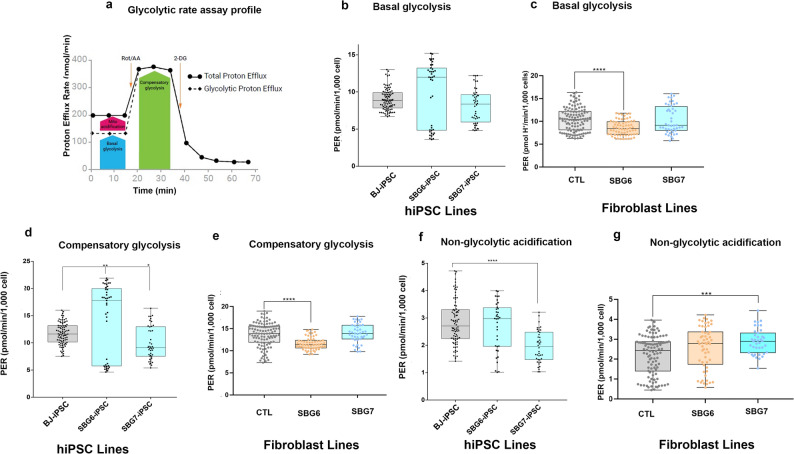 Figure 8
Peer Reviews
No public reviews on file for this paper yet. If you reviewed it on a platform where reviews are public (OpenReview, ICLR, NeurIPS, ICML), you can paste yours below so the community can read it here.
Videos
No videos yet. Explain this paper in a talk, walkthrough, or lecture? Add one.
Taxonomy
TopicsMitochondrial Function and Pathology · GDF15 and Related Biomarkers · Genomics and Rare Diseases