Reduced bioefficacy of used LLINs against natural populations of Anopheles gambiae sensu lato in the centre and east regions of Cameroon
Belinda Claire Kiam, Aline Gaelle Bouopda-Tuedom, Jean Arthur Mbida Mbida, Ibrahima Ibrahima, Charlène Tina Nanssong-Vomo, Luc Abate, Lionel Brice Feufack-Donfack, Brigitte Tumamo Fotso, Sandrine Eveline Nsango

TL;DR
Used insecticide-treated mosquito nets in Cameroon show reduced effectiveness against local mosquitoes, highlighting the need for better maintenance and new net technologies.
Contribution
The study provides empirical evidence on the reduced bioefficacy of used LLINs in real-world settings with insecticide-resistant mosquitoes.
Findings
LLINs in Bertoua showed higher usage but more damage compared to Eyang.
Olyset Plus nets were more effective against local mosquitoes than other brands.
Nets with pyrethroid + PBO showed better performance against resistant mosquitoes.
Abstract
Long-lasting insecticidal nets (LLINs) are crucial for malaria prevention in Cameroon, yet their operational performance may be compromised because of deterioration of the physical integrity and bioefficacy of nets. This study evaluated LLINs, physical integrity, and bioefficacy following mass distribution campaigns in two regions in Cameroon: East (Bertoua) and Centre (Eyang). Household surveys were conducted to assess ITN ownership, usage patterns, and maintenance practices. Net condition was measured using the proportionate hole index (pHI), and bio-efficacy was assessed using WHO cone bioassays against Anopheles gambiae (s.s.) (Kisumu strain) and local field mosquitoes. A total of 55 LLINs from Bertoua and 30 from Eyang were sampled. LLIN ownership was comparable between sites (66.7% in Bertoua vs. 67.9% in Eyang), with a higher usage rate in Bertoua (73.3%) compared to 58.2% in…
Genes, proteins, chemicals, diseases, species, mutations and cell lines named across the full text — each resolved to its canonical identifier and authoritative record.
Click any figure to enlarge with its caption.
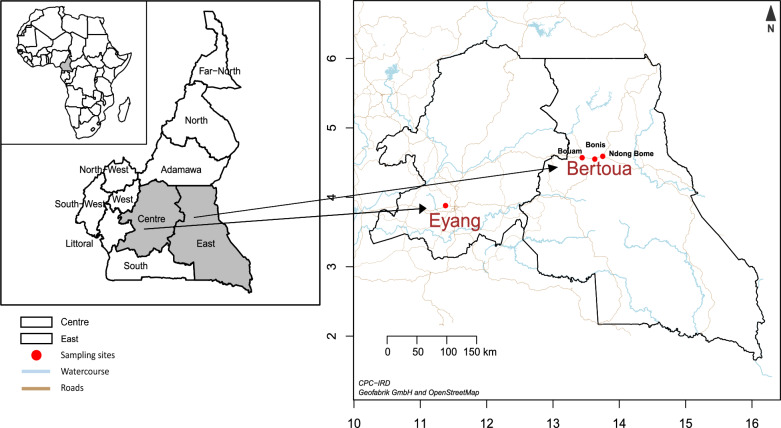 Figure 1
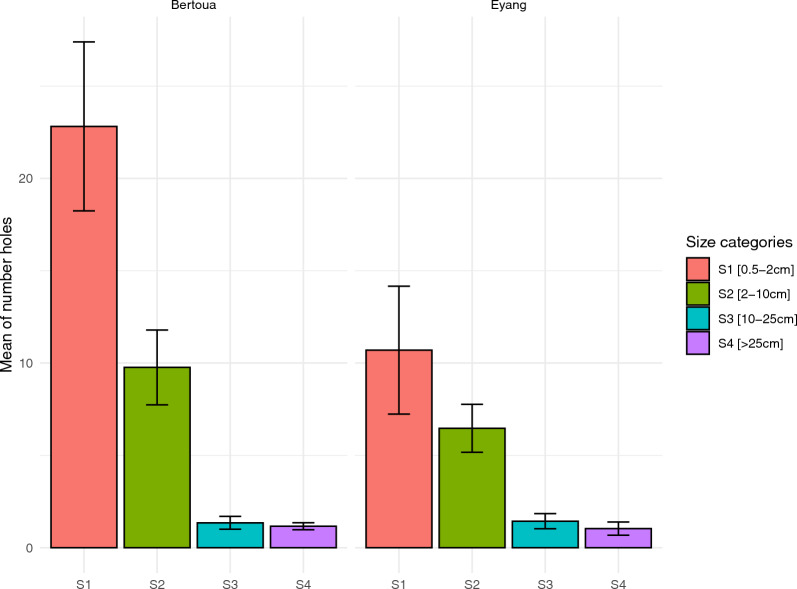 Figure 2
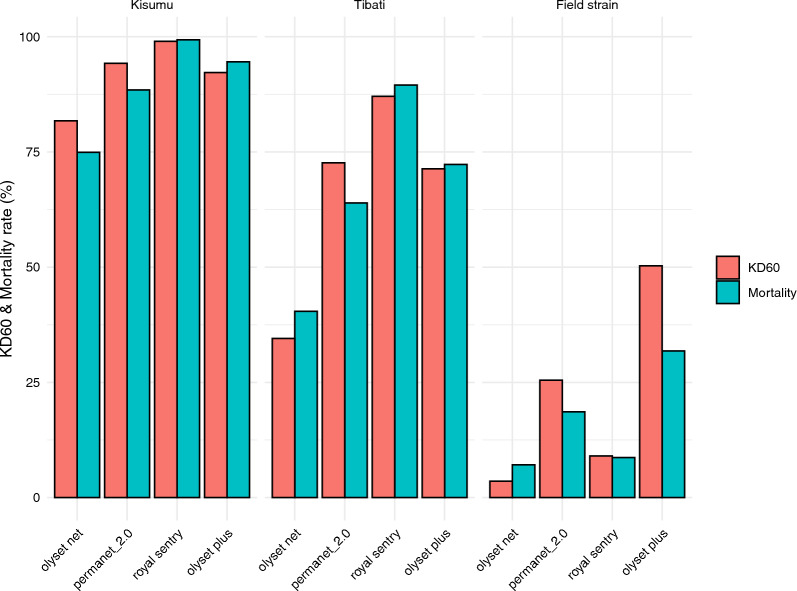 Figure 3
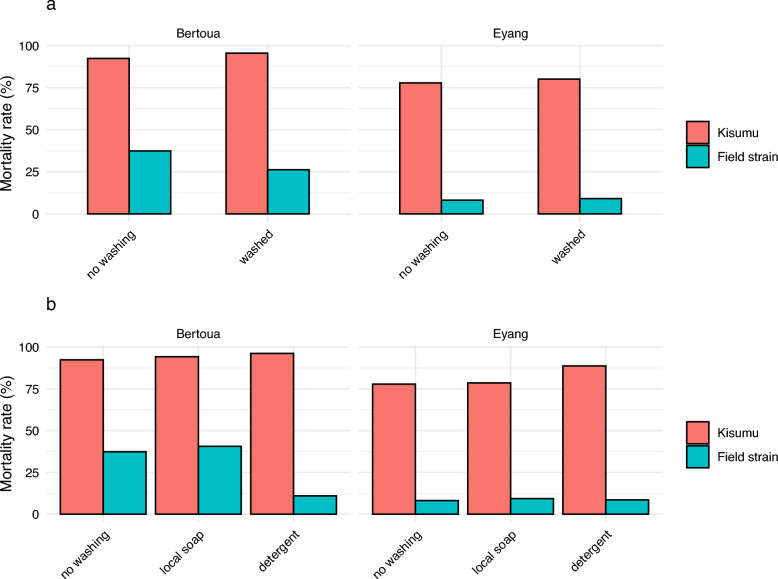 Figure 4
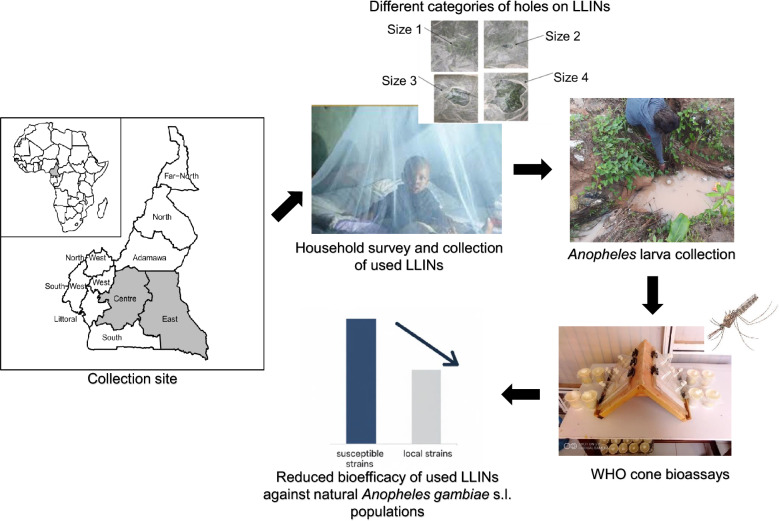 Figure 5
Peer Reviews
No public reviews on file for this paper yet. If you reviewed it on a platform where reviews are public (OpenReview, ICLR, NeurIPS, ICML), you can paste yours below so the community can read it here.
Videos
No videos yet. Explain this paper in a talk, walkthrough, or lecture? Add one.
Taxonomy
TopicsMalaria Research and Control · Mosquito-borne diseases and control · Parasitic Diseases Research and Treatment