Identification and comparative genomic analysis of prophage sequences and CRISPR‒Cas immunity in Methylococcus genomes: insights into industrial methane bioconversion
Irina Nizovtseva, Alexey Rezaykin, Aleksandra Korenskaia, Maksim Zakhartsev, Alina Chigireva, Ilya Starodumov, Dmitrii Chernushkin

TL;DR
This study explores phage threats to Methylococcus bacteria used in methane-based industrial processes and identifies genetic elements that could help prevent phage infections.
Contribution
The study provides a comprehensive analysis of prophage diversity and CRISPR-Cas systems in Methylococcus genomes for industrial risk mitigation.
Findings
Eleven prophage sequences were identified in nine Methylococcus genomes, with nine potentially functional.
Phylogenetic analysis showed prophages cluster with γ-proteobacteria phages, indicating diverse origins.
CRISPR-Cas systems were annotated, offering insights into phage-bacteria interactions and immunity mechanisms.
Abstract
Methylococcus species utilize methane as the sole carbon and energy source, converting it into biomass and other metabolic end products. Owing to this metabolic capacity, they hold particular promise in industrial C1 biotechnology, especially for the production of protein-rich feed. However, the industrial cultivation of Methylococcus-based consortia on methane is inherently nonsterile, exposing the process to potential biological risks that may compromise the stability, duration and productivity of cultivation. One of the most critical threats is bacteriophage infection, whose triggers for rapid phage-mediated lysis and resulting economic losses remain incompletely understood. Elucidating these processes is paramount for devising strategies to mitigate or prevent detrimental outcomes. In this investigation, nine publicly accessible genomes of Methylococcus species were examined,…
Genes, proteins, chemicals, diseases, species, mutations and cell lines named across the full text — each resolved to its canonical identifier and authoritative record.
Click any figure to enlarge with its caption.
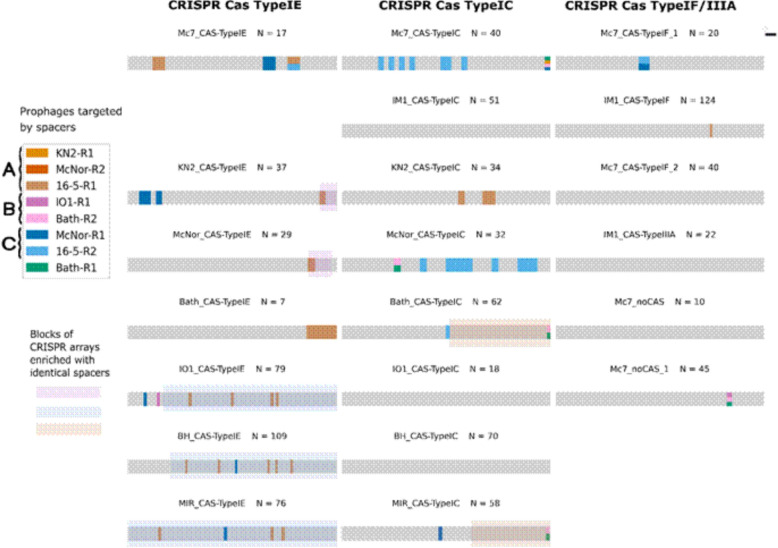 Figure 10
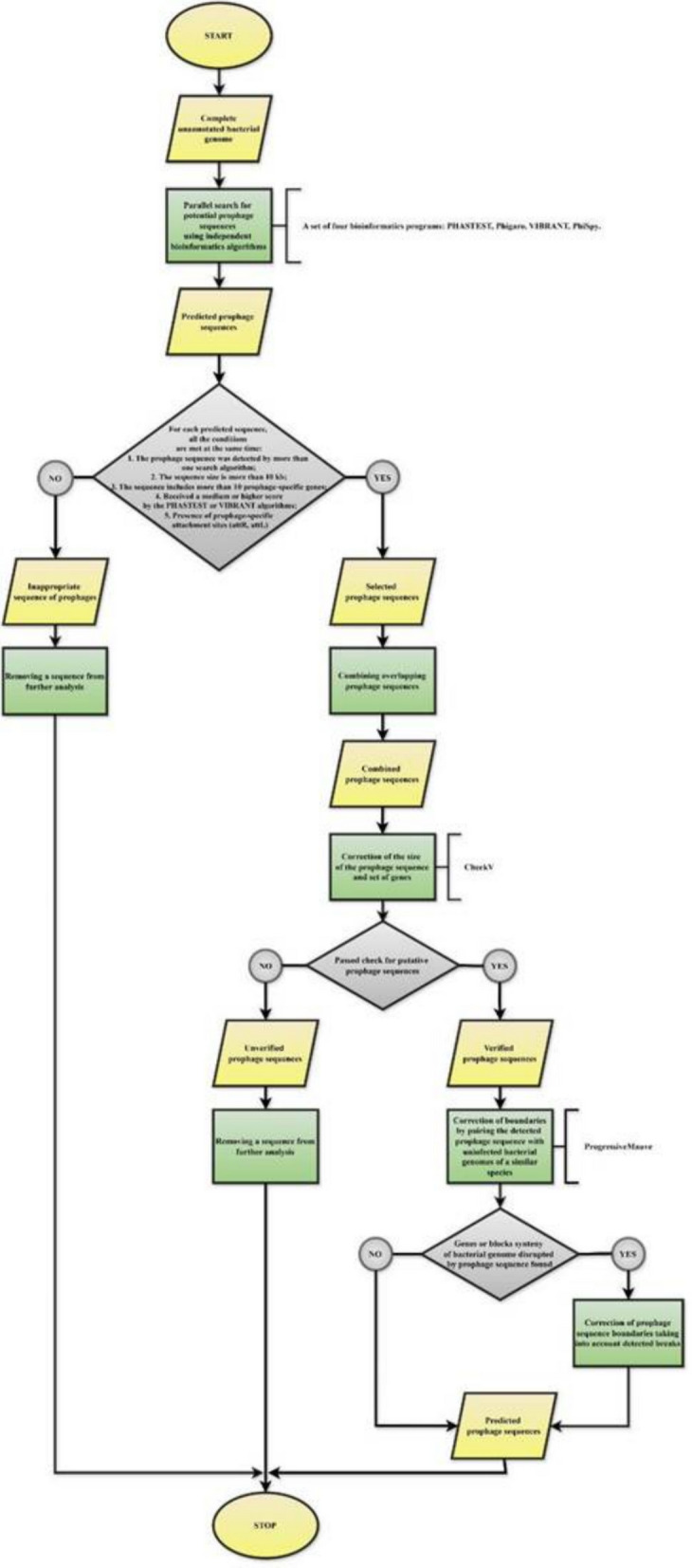 Figure 11
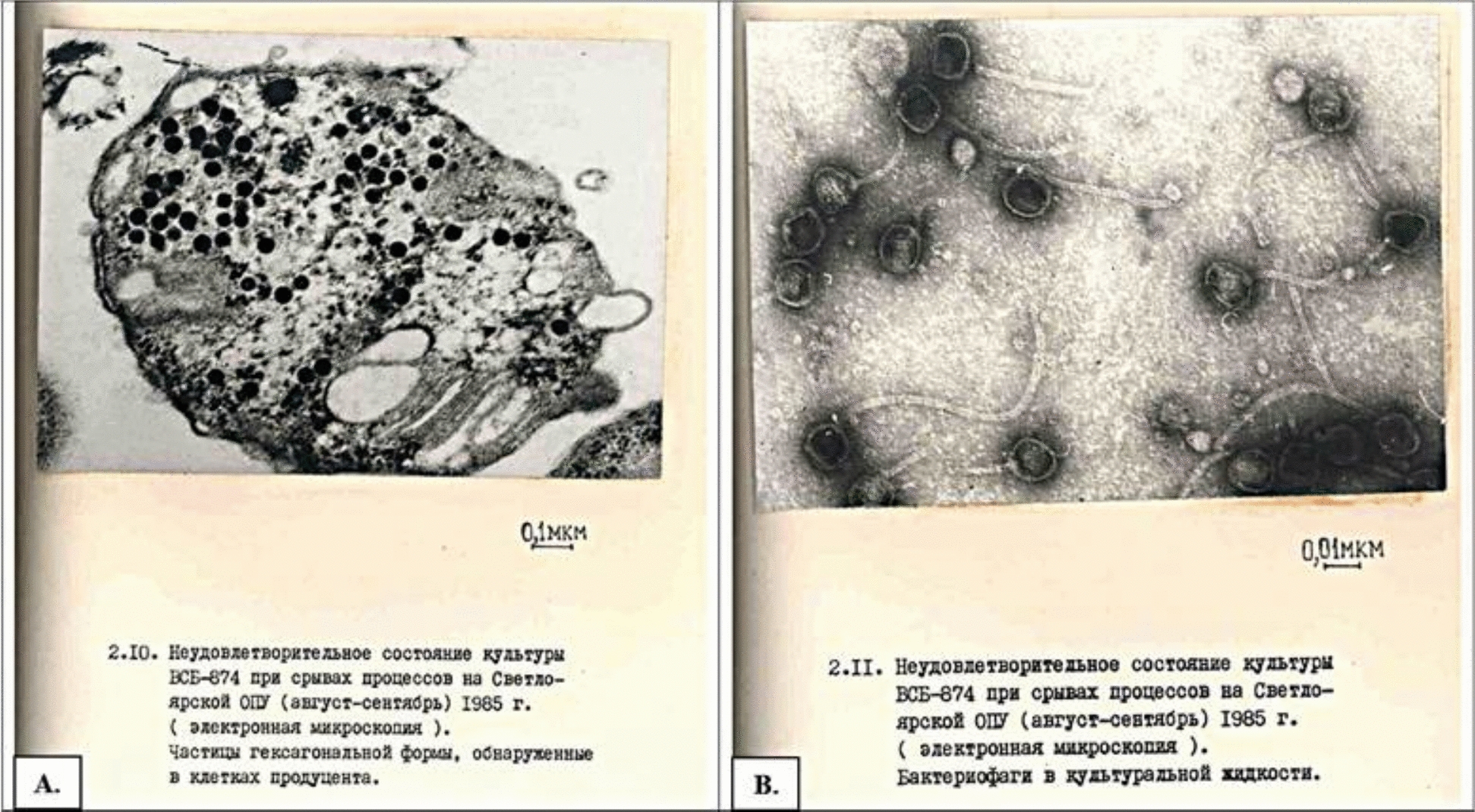 Figure 1
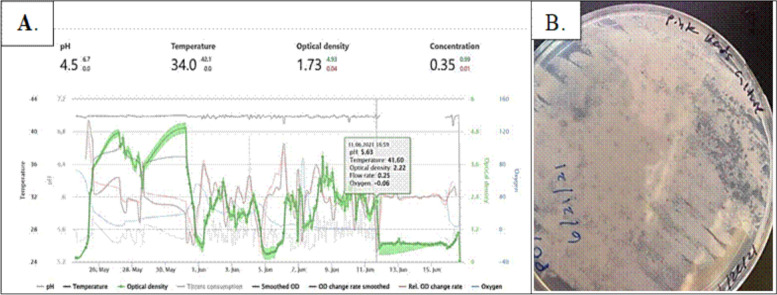 Figure 2
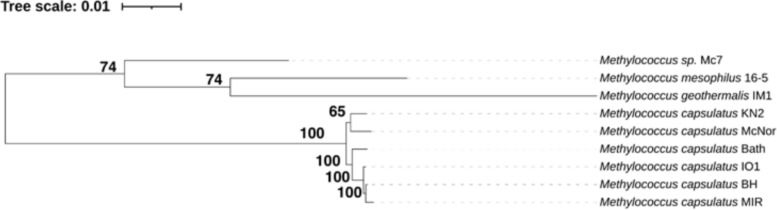 Figure 3
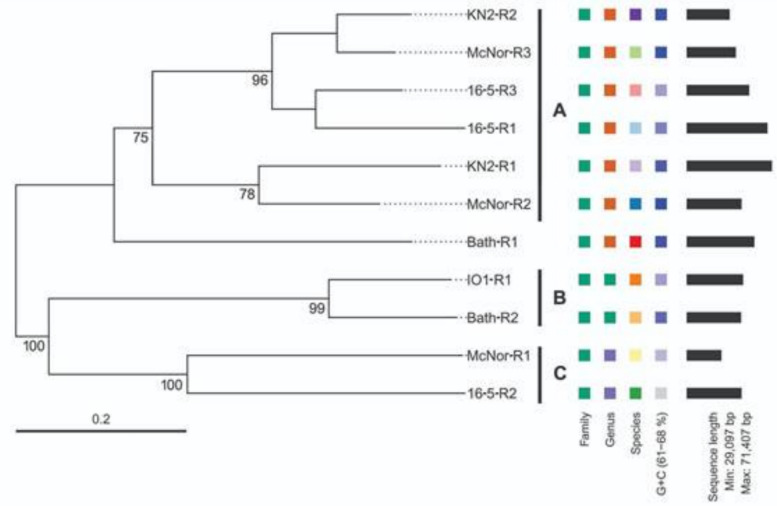 Figure 4
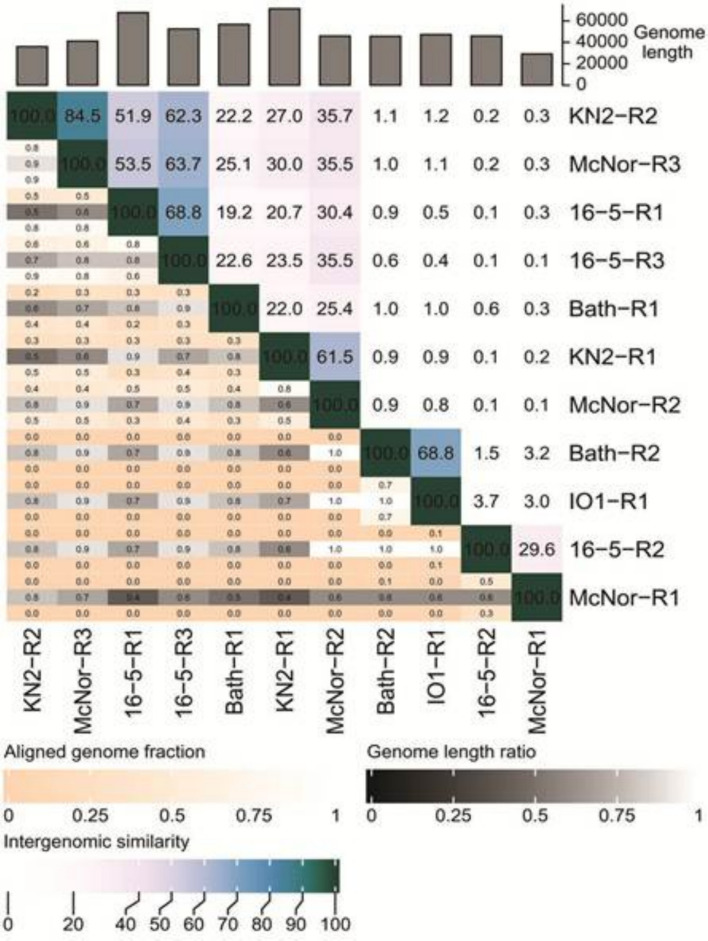 Figure 5
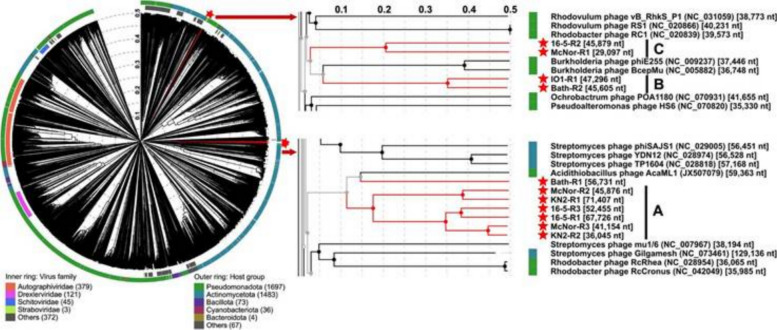 Figure 6
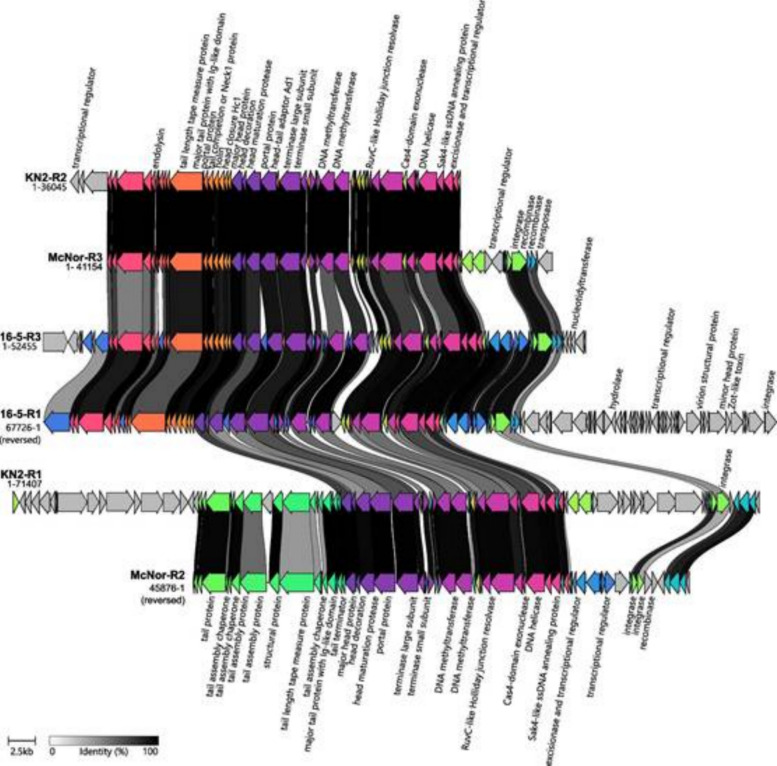 Figure 7
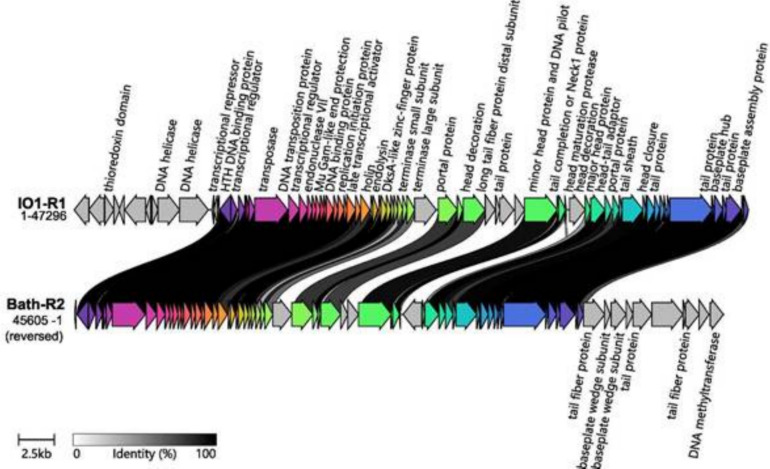 Figure 8
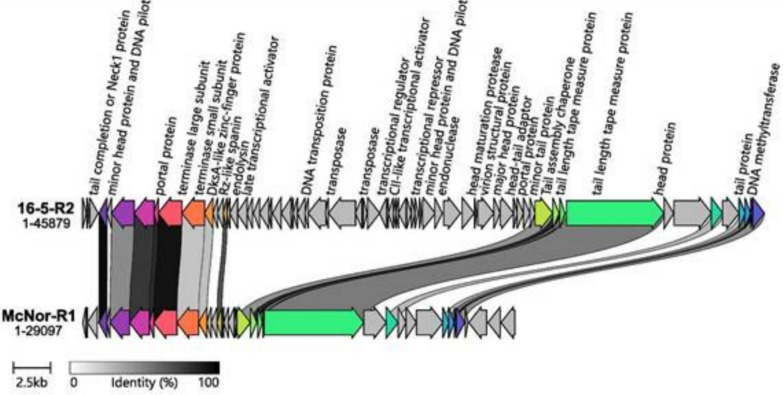 Figure 9
Peer Reviews
No public reviews on file for this paper yet. If you reviewed it on a platform where reviews are public (OpenReview, ICLR, NeurIPS, ICML), you can paste yours below so the community can read it here.
Videos
No videos yet. Explain this paper in a talk, walkthrough, or lecture? Add one.
Taxonomy
TopicsBacteriophages and microbial interactions · Cancer Research and Treatments · Monoclonal and Polyclonal Antibodies Research