Four-year monitoring of the malaria vector Anopheles funestus in central-west Cameroon reveals an escalation of pyrethroid resistance combined with high malaria transmission
Hervé Raoul Tazokong, Magellan Tchouakui, Murielle Wondji, Onana Boyomo, Charles Sinclair Wondji

TL;DR
A four-year study in Cameroon shows increasing pyrethroid resistance in malaria mosquitoes, threatening control efforts and suggesting the need for new strategies.
Contribution
The study reveals the rapid escalation of pyrethroid resistance in Anopheles funestus and identifies key genetic markers driving this resistance.
Findings
Pyrethroid resistance in Anopheles funestus increased significantly from 2015 to 2023, with mortality rates dropping to as low as 8.5% for deltamethrin.
Genetic markers G454A-CYP9K1 and 4.3 kb SV alleles were rapidly selected and reached high frequencies during the study period.
PBO-based nets showed high efficacy, suggesting alternative resistance mechanisms beyond P450-based metabolic resistance.
Abstract
Insecticide resistance presents a critical obstacle to malaria vector control, necessitating ongoing surveillance to guide control strategy. Despite widespread resistance in central Africa, the temporal adaptive changes driving resistance at both phenotypic and genetic levels remain uncharacterised. This study provides a comprehensive, four-year (2020–2023) assessment of Anopheles funestus s.s. in Mibellon, Cameroon, examining sporozoite infection rates and changes in insecticide resistance relative to 2015–2018 data. Susceptibility profile, resistance intensity and cone assays were conducted following the WHO protocols. Sporozoite infection was detected in the mosquito head/thorax by TaqMan assay, confirmed by nested-PCR. Gene expression was assessed using RT-qPCR while insecticide resistance markers were genotyped using allele-specific PCR and LNA. Plasmodium sporozoite infection…
Genes, proteins, chemicals, diseases, species, mutations and cell lines named across the full text — each resolved to its canonical identifier and authoritative record.
Click any figure to enlarge with its caption.
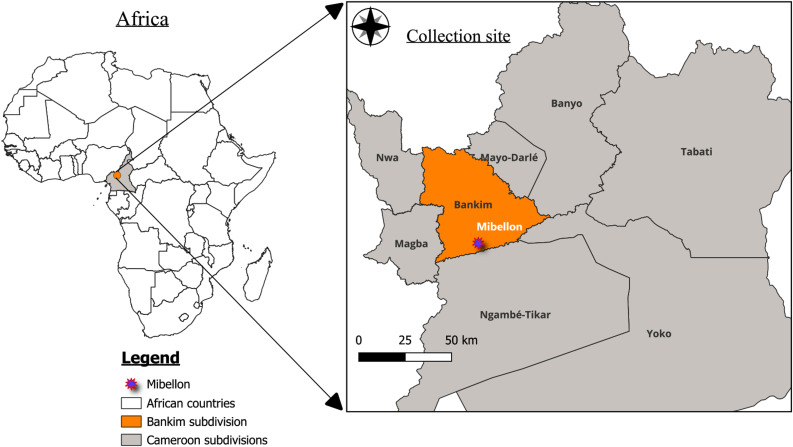 Figure 1
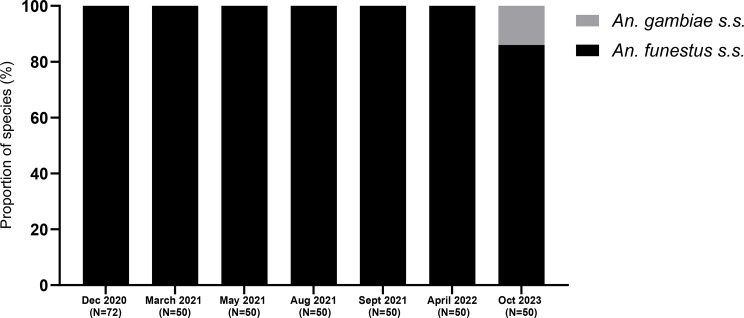 Figure 2
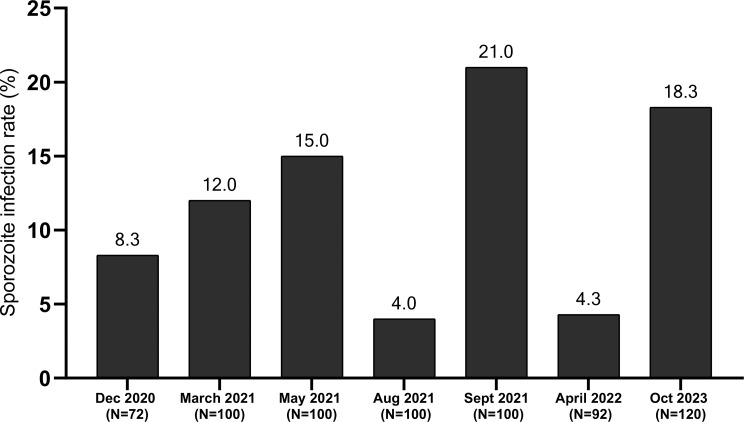 Figure 3
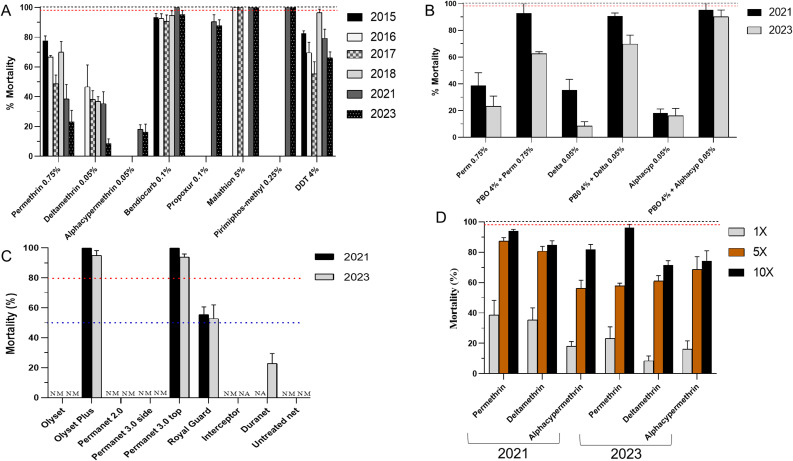 Figure 4
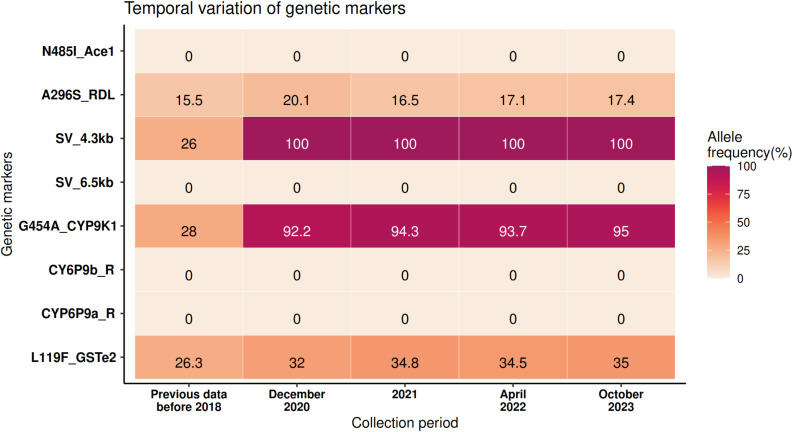 Figure 5
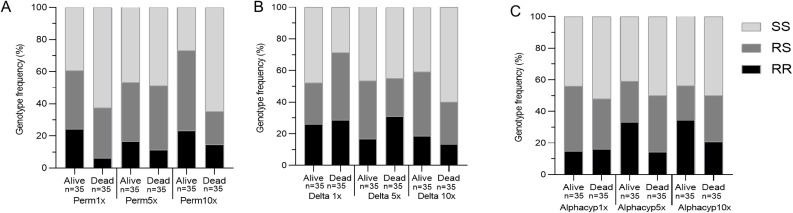 Figure 6
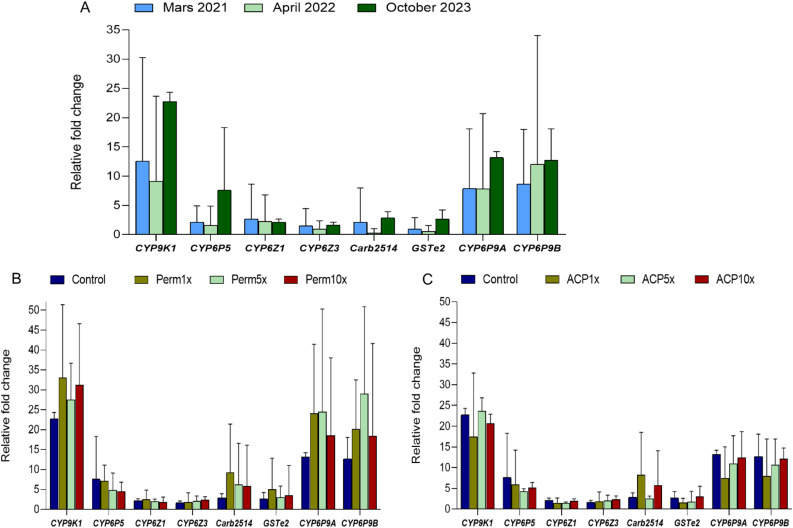 Figure 7
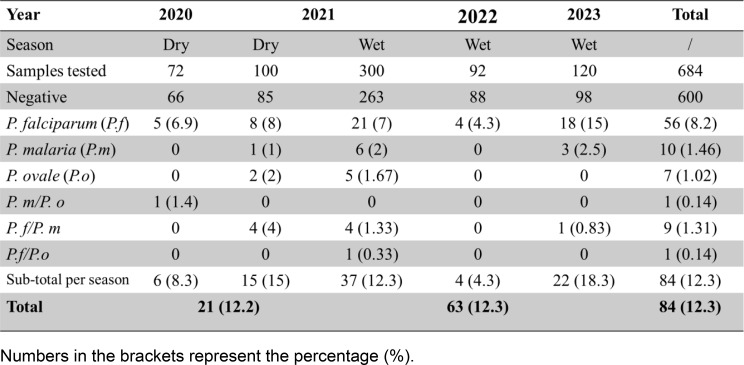 Figure 8
Peer Reviews
No public reviews on file for this paper yet. If you reviewed it on a platform where reviews are public (OpenReview, ICLR, NeurIPS, ICML), you can paste yours below so the community can read it here.
Videos
No videos yet. Explain this paper in a talk, walkthrough, or lecture? Add one.
Taxonomy
TopicsMalaria Research and Control · Mosquito-borne diseases and control · Invertebrate Immune Response Mechanisms