Preferences for end-of-life care in geriatric trauma surgery patients with immobilising fractures – a prospective cohort study
Vanessa Ketter, Robin Janine Ahles, Nils Heuser, Julia Lenz, Anton Korschinsky, Steffen Ruchholtz, Christian Volberg

TL;DR
This study explores how elderly trauma surgery patients with fractures have planned for end-of-life care and found that few have discussed their preferences, despite a strong interest in doing so.
Contribution
The study highlights the underutilized opportunity for end-of-life discussions in geriatric trauma patients and their unmet desire to express preferences.
Findings
Only 8% of patients had discussed preventive care during their initial hospital admission.
65% of patients wished to die at home, but 67% had not shared this preference with anyone.
59% of patients had advance directives, but these were often vaguely worded and not thoroughly discussed.
Abstract
The risk of immobilising fractures is increased in elderly individuals. This acute event, combined with subsequent bedriddenness, has been shown to increase mortality by approximately 24% within one year. Despite advanced age, conversations with relatives or treating physicians about the last phase of life are rarely held. The objective of this study is to examine the extent to which elderly individuals have addressed their own end-of-life preferences and made suitable provisions. A prospective cohort study was conducted in a supraregional trauma centre. Recruitment occurred from May 2023 to May 2024. A descriptive data analysis was performed using a specially designed questionnaire with 25 questions. In addition to demographic parameters, the questionnaire included parameters such as the existence of an advance directive, health care discussions held in the clinical setting, and the…
Genes, proteins, chemicals, diseases, species, mutations and cell lines named across the full text — each resolved to its canonical identifier and authoritative record.
Click any figure to enlarge with its caption.
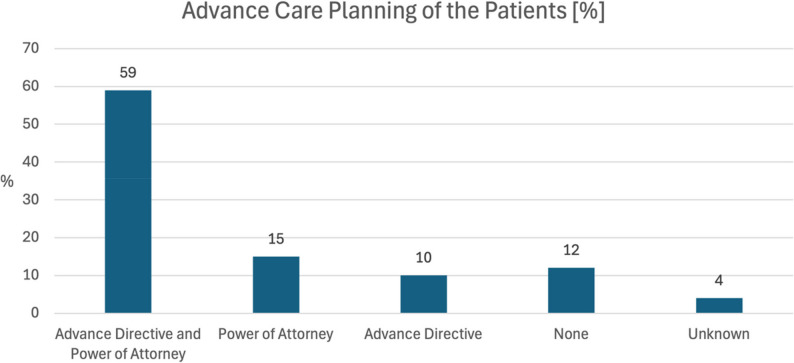 Figure 1
 Figure 2
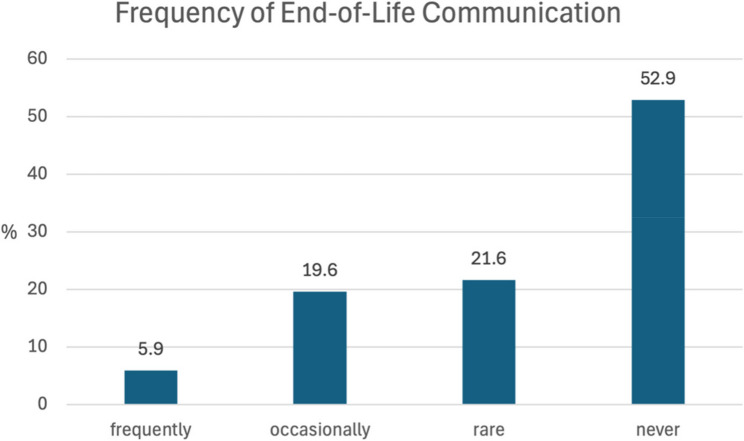 Figure 3
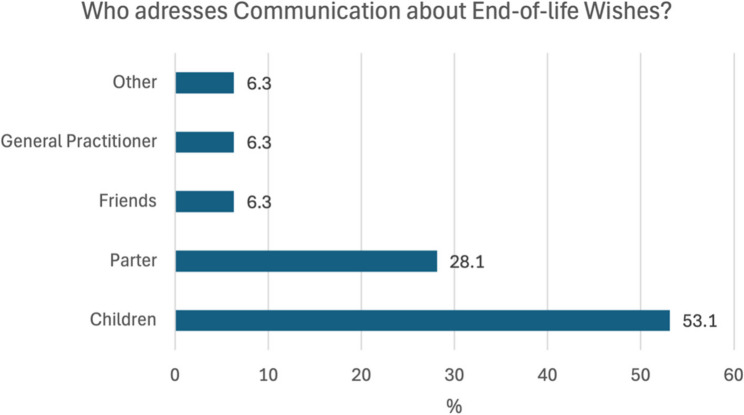 Figure 4
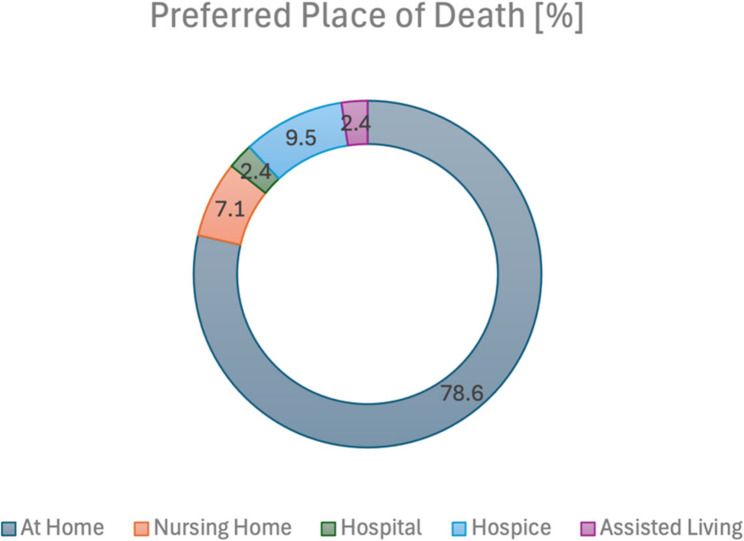 Figure 5
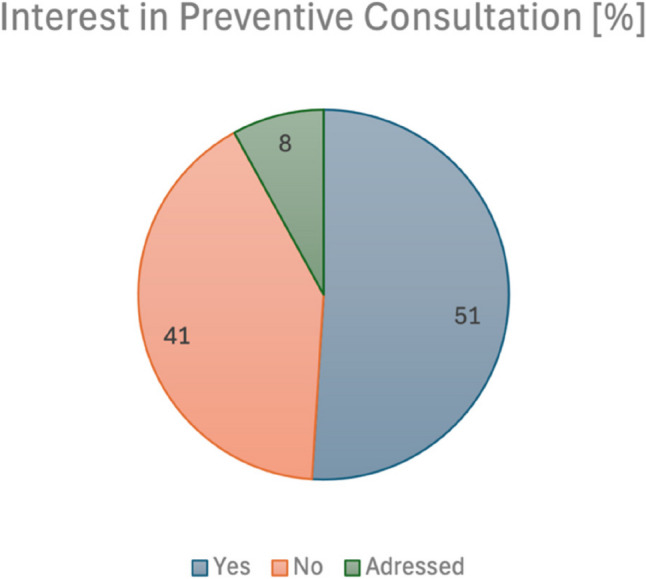 Figure 6
Peer Reviews
No public reviews on file for this paper yet. If you reviewed it on a platform where reviews are public (OpenReview, ICLR, NeurIPS, ICML), you can paste yours below so the community can read it here.
Videos
No videos yet. Explain this paper in a talk, walkthrough, or lecture? Add one.
Taxonomy
TopicsTrauma and Emergency Care Studies · Hip and Femur Fractures · Palliative Care and End-of-Life Issues