Label-free quantitative proteomics analysis of sea cucumber (Apostichopus japonicus) from different origins using data-independent acquisition mass spectrometry
Qiong Wu, Xiliang Yu, Shiwei Wan, Houde Cai, Jian Jiao, Jiaojiao Shi, Xiuping Dong

TL;DR
This study uses advanced mass spectrometry to identify proteins that explain why sea cucumbers from Liaoning, China, have higher quality collagen.
Contribution
A novel label-free DIA workflow was developed to uncover proteomic differences linked to geographical origin in sea cucumbers.
Findings
64 differentially expressed proteins were identified, including arginase and glutamine synthetase as potential markers.
Arginine biosynthesis was highlighted as a key pathway (P = 0.00034) in Liaoning sea cucumbers.
The study links nitrogen metabolism and stress adaptation to regional quality differences in sea cucumbers.
Abstract
Sea cucumbers (Apostichopus japonicus) from Liaoning, China command premium market value due to superior collagen integrity, yet the proteomic basis of this geographical differentiation remains unclear. Current geographic proteomic studies using data-dependent acquisition (DDA) mass spectrometry face stochastic ion selection bias, poor low-abundance reproducibility and limited coverage. Here, we established a custom label-free data-independent acquisition (DIA) workflow to characterize proteomic profiles of 200 sea cucumbers (80 Liaoning, 120 non-Liaoning). Our approach identified 6278 proteins and discovered 64 differentially expressed proteins (DEPs), including arginase (A0A141R8A8) and glutamine synthetase (A0A076VCY3) as potential authentication markers. Functional annotation highlighted arginine biosynthesis (P = 0.00034) as the pivotal pathway, alongside two-component system and…
Genes, proteins, chemicals, diseases, species, mutations and cell lines named across the full text — each resolved to its canonical identifier and authoritative record.
Click any figure to enlarge with its caption.
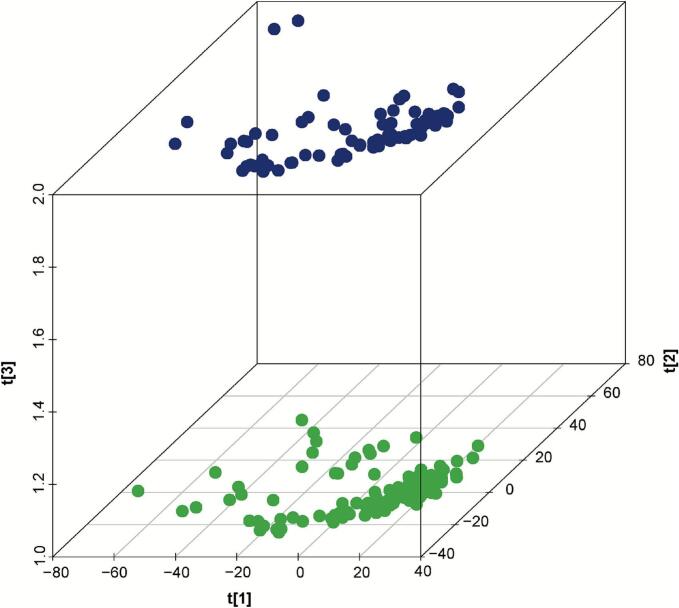 Figure 1
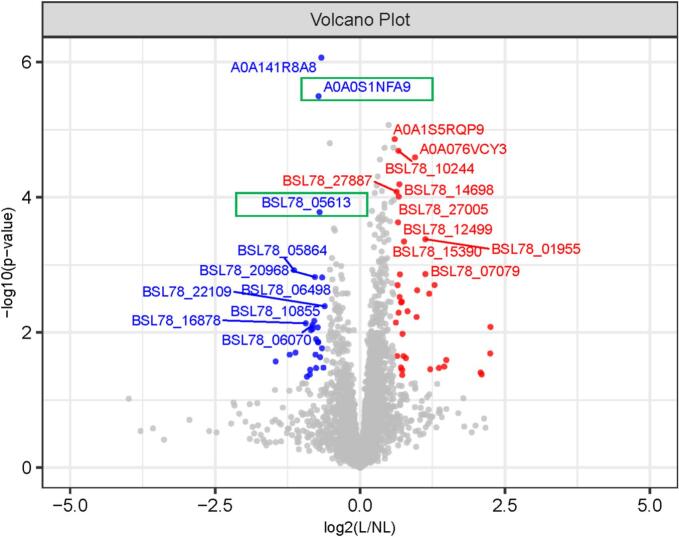 Figure 2
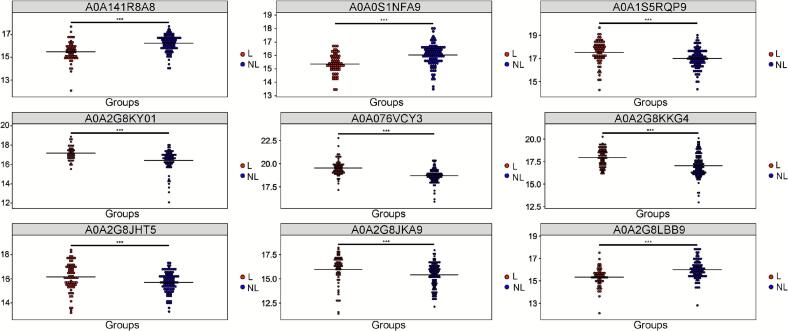 Figure 3
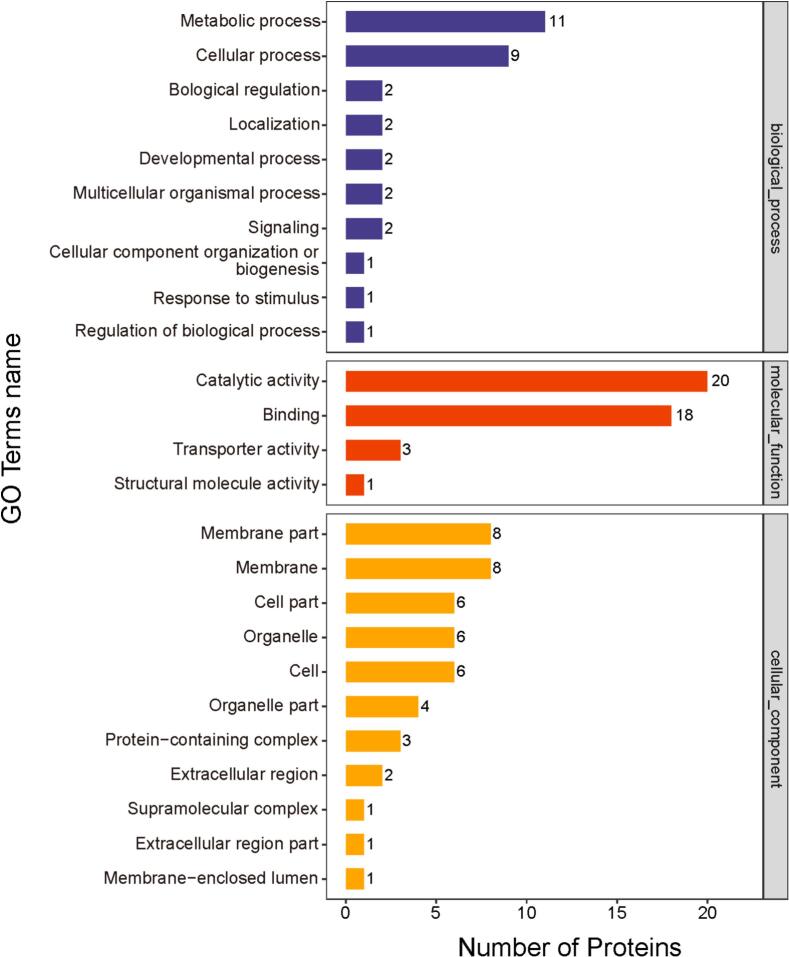 Figure 4
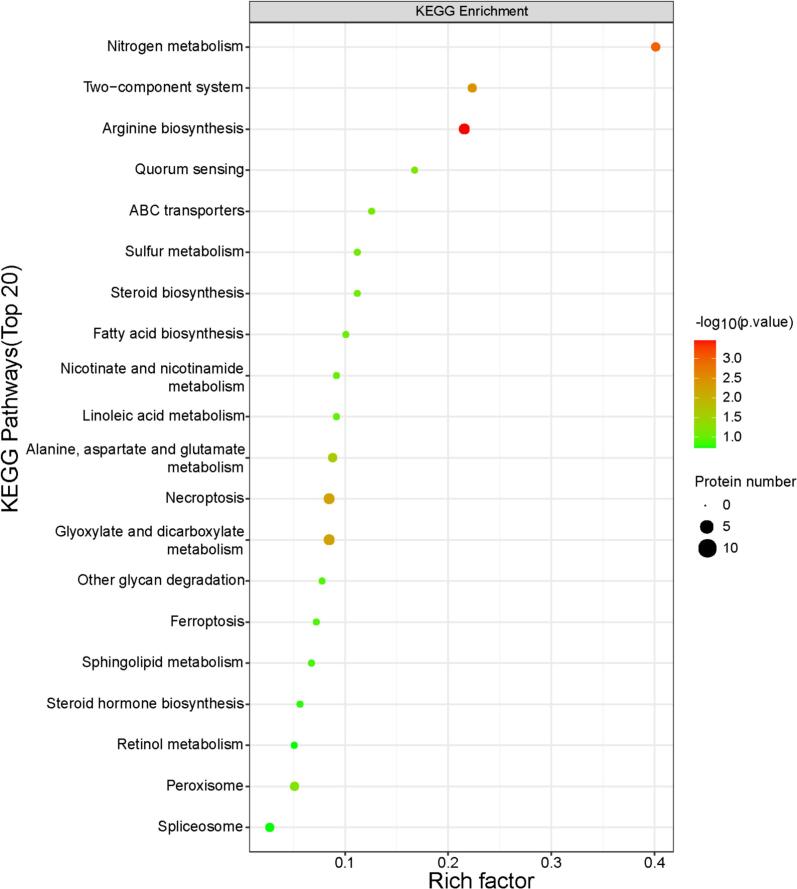 Figure 5
Peer Reviews
No public reviews on file for this paper yet. If you reviewed it on a platform where reviews are public (OpenReview, ICLR, NeurIPS, ICML), you can paste yours below so the community can read it here.
Videos
No videos yet. Explain this paper in a talk, walkthrough, or lecture? Add one.
Taxonomy
TopicsEchinoderm biology and ecology · Advanced Proteomics Techniques and Applications · Marine Bivalve and Aquaculture Studies