Prior Cancer and Survival in Patients With Esophageal Squamous Cell Carcinoma
Suna Yu, Ji Taek Hong, Hye-Kyung Jung, Hye Ah Lee, Eui Sun Jeong, Hyuk Lee, Kee Don Choi, Hwoon-Yong Jung, Jun Chul Park, Joong Goo Kwon, Yoon Jin Choi, Su Jin Hong, Jaekyu Sung, Woo Chul Chung, Ki Bae Kim, Seung Young Kim, Kyung Ho Song, Kyung Sik Park, Seong Woo Jeon

TL;DR
Having a prior cancer diagnosis is linked to worse survival in patients with esophageal squamous cell carcinoma, especially for those with a history of stomach, head and neck, or lung cancer.
Contribution
This study identifies prior cancer as an independent prognostic factor in ESCC, highlighting specific cancer types with the strongest negative impact.
Findings
Prior cancer was independently associated with worse overall survival (HR, 1.25) and cancer-specific mortality (CSHR, 1.89) in ESCC patients.
Stomach, head and neck, or lung cancer history was most strongly linked to poor survival outcomes in ESCC.
A latency period of more than 5 years between prior cancer and ESCC diagnosis still showed a negative survival impact.
Abstract
Is a history of cancer independently associated with survival outcomes in patients with esophageal squamous cell carcinoma (ESCC)? In this cohort study of 5557 patients with newly diagnosed ESCC, 6.6% had a prior cancer. Prior cancer was independently associated with poorer overall and cancer-specific survival and with prior stomach, head and neck, or lung cancers; the negative association with survival was also found when the prior cancer occurred more than 5 years before ESCC diagnosis. In this study, prior cancer was associated with worse prognosis in ESCC, suggesting the need for careful clinical consideration in cancer survivors who develop ESCC. Esophageal squamous cell carcinoma (ESCC) is highly prevalent in Asian populations and carries a poor prognosis. With growing numbers of cancer survivors, the prognostic impact of prior cancer in ESCC remains unclear. Most existing data…
Genes, proteins, chemicals, diseases, species, mutations and cell lines named across the full text — each resolved to its canonical identifier and authoritative record.
Click any figure to enlarge with its caption.
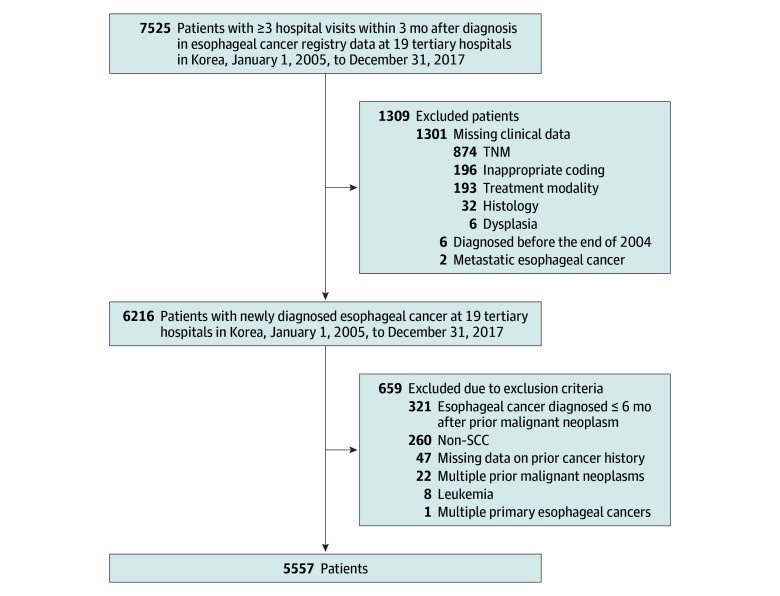 Figure 1
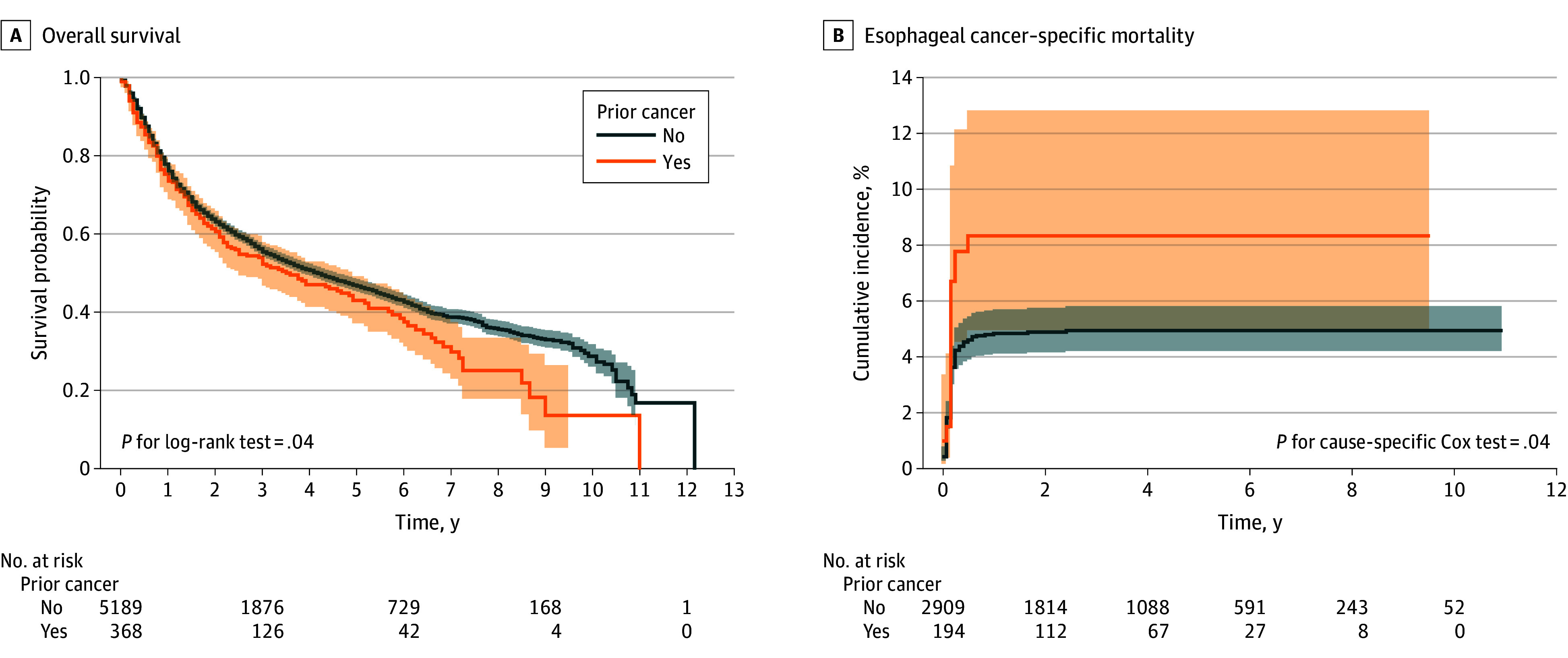 Figure 2
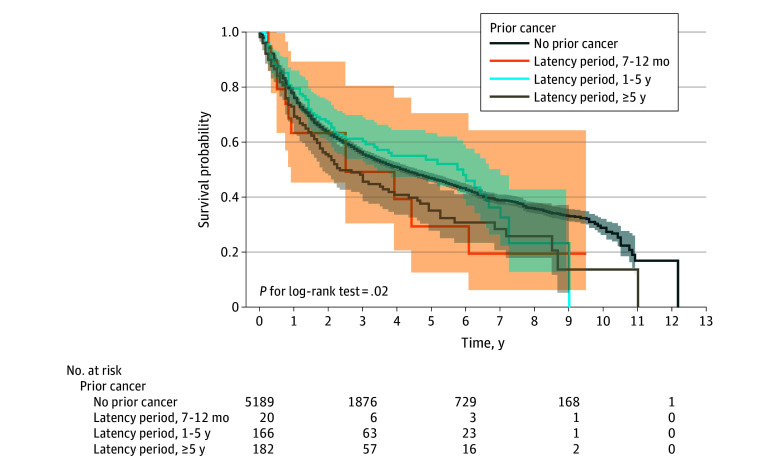 Figure 3
Peer Reviews
No public reviews on file for this paper yet. If you reviewed it on a platform where reviews are public (OpenReview, ICLR, NeurIPS, ICML), you can paste yours below so the community can read it here.
Videos
No videos yet. Explain this paper in a talk, walkthrough, or lecture? Add one.
Taxonomy
TopicsEsophageal Cancer Research and Treatment · Head and Neck Cancer Studies · Pancreatic and Hepatic Oncology Research