Paralytic Ileus as the Initial Manifestation of New-Onset Type 1 Diabetes Without Diabetic Ketoacidosis: A Case Report
Shiori Ouchida, Reiko Saito, Nao Ohama, Mami Kuwamura, Reiji Fukano

TL;DR
A teenage boy was diagnosed with type 1 diabetes after initially showing symptoms of paralytic ileus, without experiencing diabetic ketoacidosis.
Contribution
This case report highlights the rare presentation of new-onset type 1 diabetes with paralytic ileus and no diabetic ketoacidosis in a pediatric patient.
Findings
Paralytic ileus can be an initial sign of type 1 diabetes in children without diabetic ketoacidosis.
Autoimmune markers confirmed a diagnosis of type 1 diabetes following initial gastrointestinal symptoms.
Abstract
Type 1 diabetes (T1D) is an autoimmune disease characterized by pancreatic β-cell destruction and absolute insulin deficiency. In pediatric patients, T1D typically presents with classic symptoms such as polydipsia, polyuria, weight loss, or diabetic ketoacidosis (DKA). Although gastrointestinal symptoms may occur at disease onset, paralytic ileus as an initial manifestation of T1D, particularly in the absence of DKA, is extremely uncommon. A 15-year-old boy presented with severe abdominal pain and vomiting and was diagnosed with paralytic ileus based on abdominal radiographic findings. Mild hyperglycemia at initial presentation was initially interpreted as transient. Conservative management led to improvement in gastrointestinal symptoms; however, persistent glycosuria was noted. After discharge, marked polydipsia and weight loss developed. Subsequent evaluation revealed severe…
Genes, proteins, chemicals, diseases, species, mutations and cell lines named across the full text — each resolved to its canonical identifier and authoritative record.
Click any figure to enlarge with its caption.
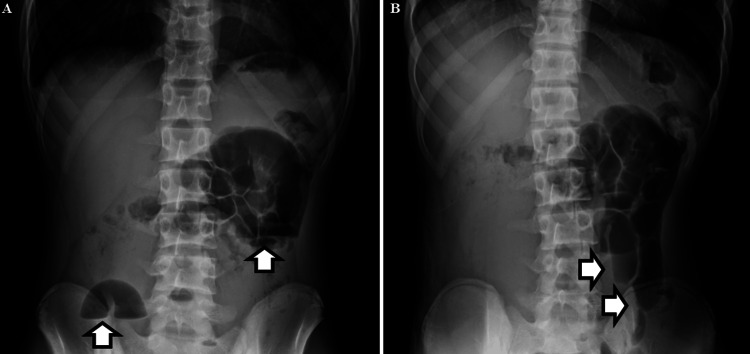 Figure 1
Peer Reviews
No public reviews on file for this paper yet. If you reviewed it on a platform where reviews are public (OpenReview, ICLR, NeurIPS, ICML), you can paste yours below so the community can read it here.
Videos
No videos yet. Explain this paper in a talk, walkthrough, or lecture? Add one.
Taxonomy
TopicsDiabetes and associated disorders · Adrenal Hormones and Disorders · Intestinal Malrotation and Obstruction Disorders