Systematic annotation of orphan RNAs reveals blood-accessible molecular barcodes of cancer identity and cancer-emergent oncogenic drivers
Jeffrey Wang, Jung Min Suh, Brian J. Woo, Albertas Navickas, Kristle Garcia, Keyi Yin, Lisa Fish, Taylor Cavazos, Benjamin Hänisch, Daniel Markett, Gillian L. Hirst, Lamorna Brown-Swigart, Laura J. Esserman, Laura J. van ‘t Veer, Hani Goodarzi

TL;DR
This study identifies cancer-specific non-coding RNAs (oncRNAs) that can serve as molecular barcodes and potential biomarkers for cancer detection and monitoring.
Contribution
The study systematically annotates oncRNAs across 32 tumor types and demonstrates their utility as blood-accessible biomarkers and drivers of cancer progression.
Findings
OncRNA presence-absence patterns serve as molecular barcodes for cancer type and subtype identification.
Some oncRNAs drive cancer progression and are detectable in cell-free blood.
Circulating oncRNAs predict clinical outcomes in breast cancer patients.
Abstract
From extrachromosomal DNA to neo-peptides, reprogramming of cancer genomes leads to the emergence of cancer state-specific molecules. Here, we systematically identify and characterize a large repertoire of orphan non-coding RNAs (oncRNAs), a class of cancer-emergent small RNAs, across 32 tumor types. We show that oncRNA binary presence-absence patterns represent a digital molecular barcode that captures cancer type and subtype identities. Importantly, this barcode is partially accessible from the cell-free space as cancer cells secrete a subset of oncRNAs. Leveraging large-scale in vivo genetic screens in xenografted mice, we functionally identify driver oncRNAs in multiple tumor types. In a retrospective study across 192 breast cancer patients, we show that oncRNAs are reliably detected in blood and that changes in cell-free oncRNA burden predict both short-term and long-term clinical…
Genes, proteins, chemicals, diseases, species, mutations and cell lines named across the full text — each resolved to its canonical identifier and authoritative record.
Click any figure to enlarge with its caption.
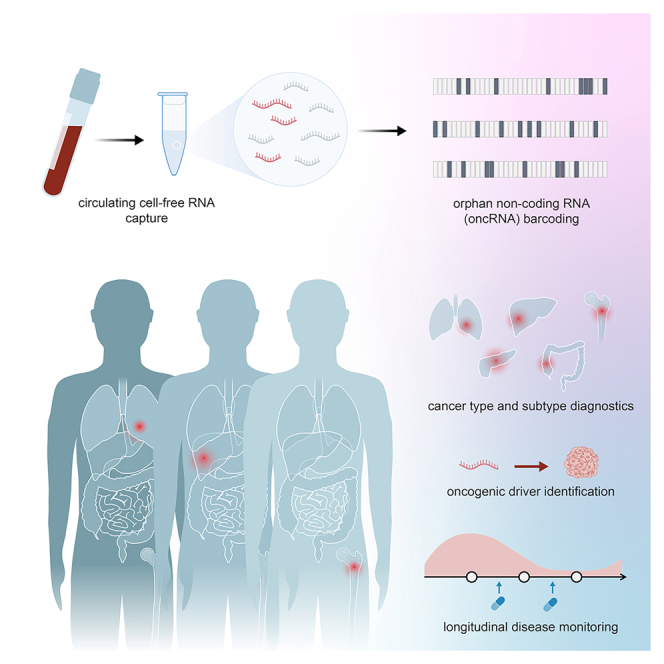 Figure 1
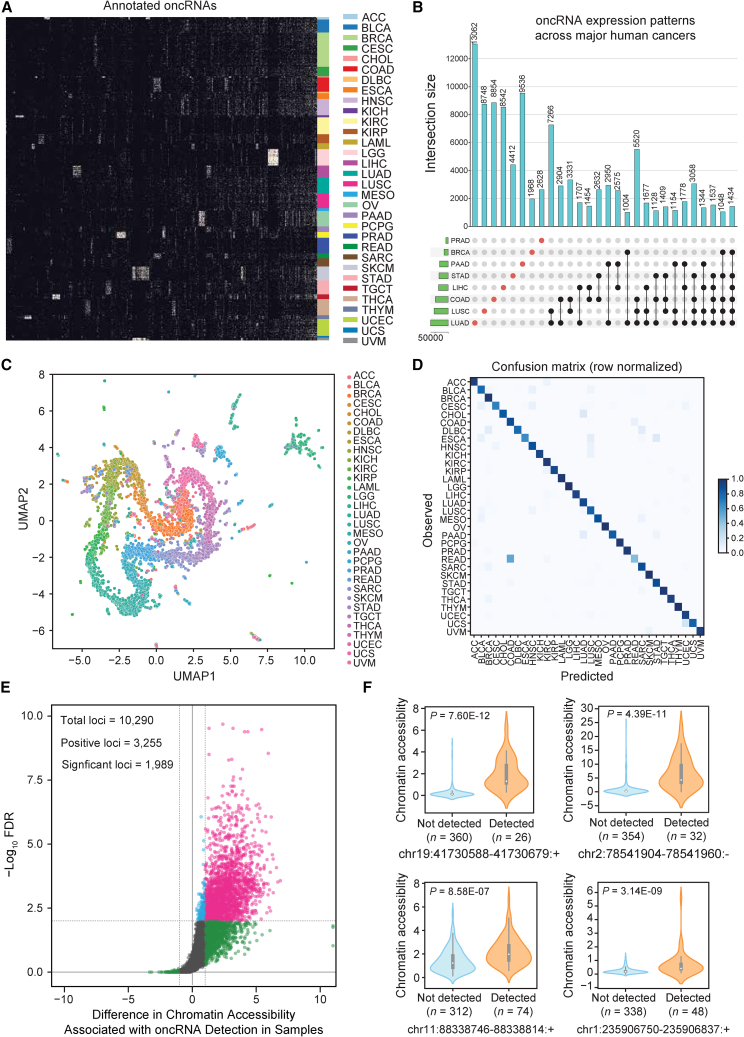 Figure 2
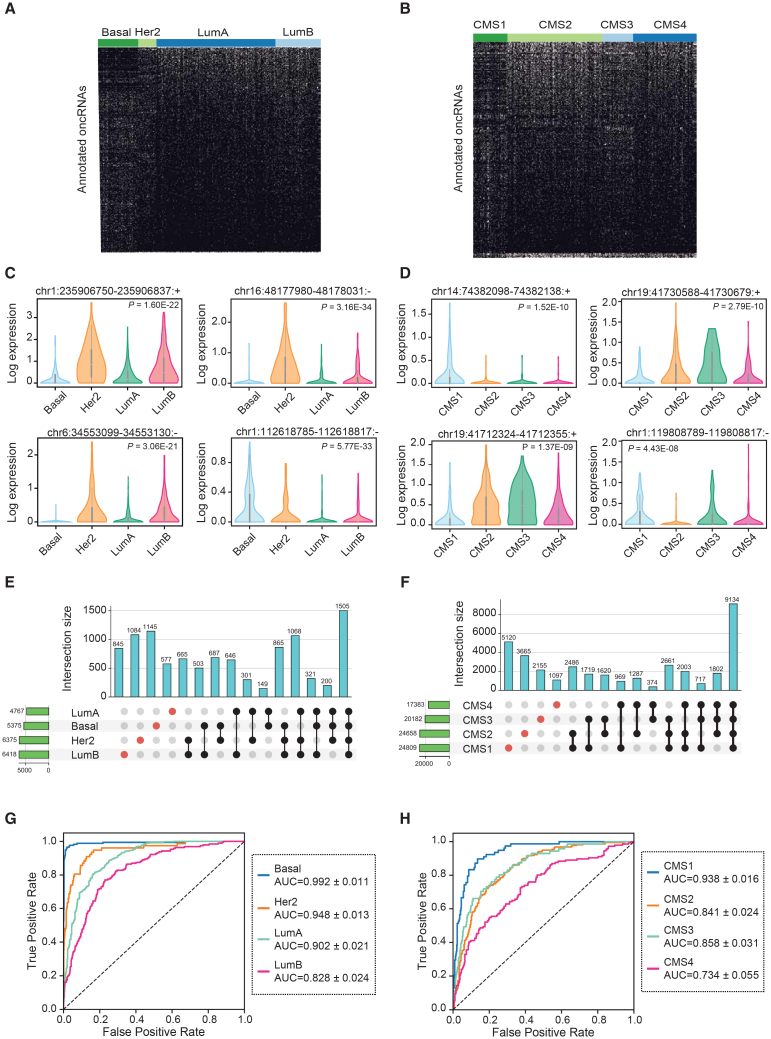 Figure 3
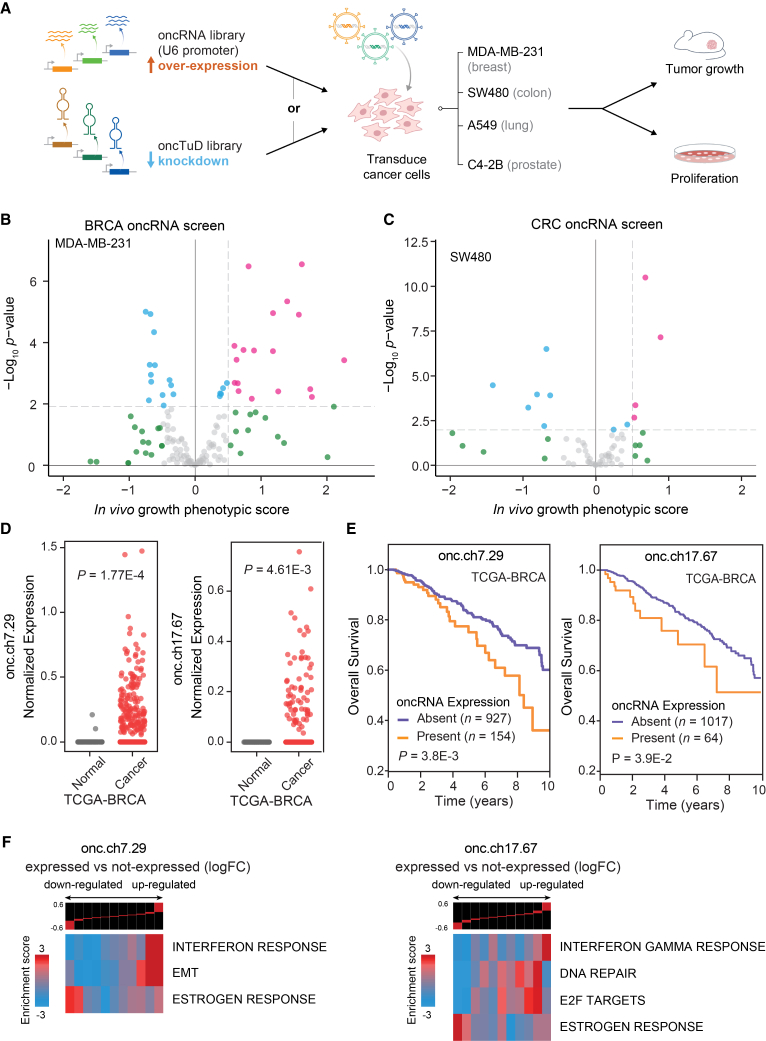 Figure 4
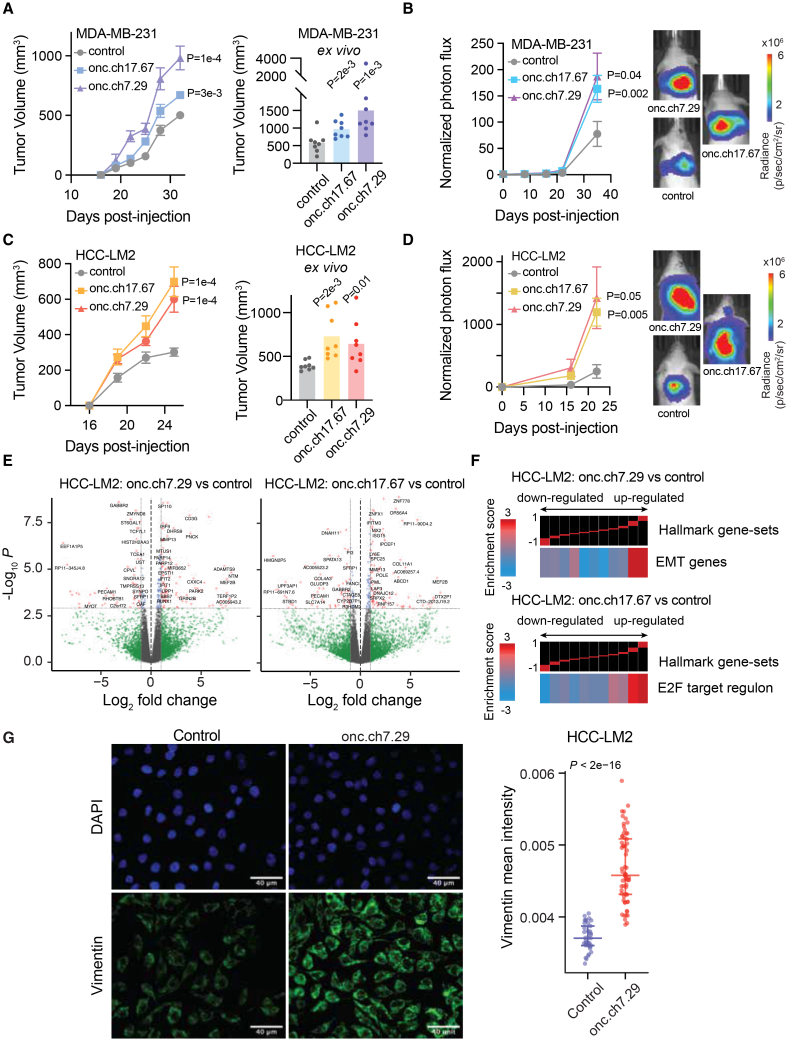 Figure 5
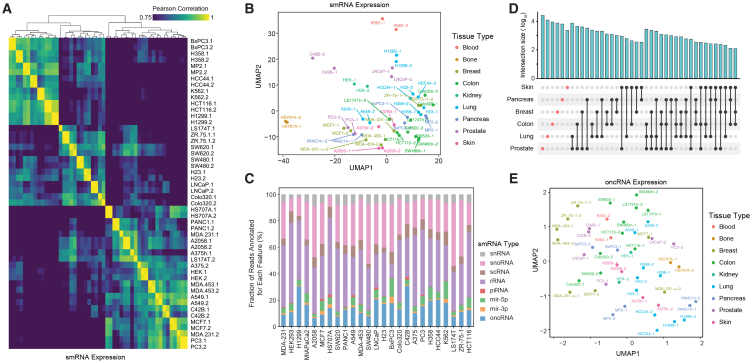 Figure 6
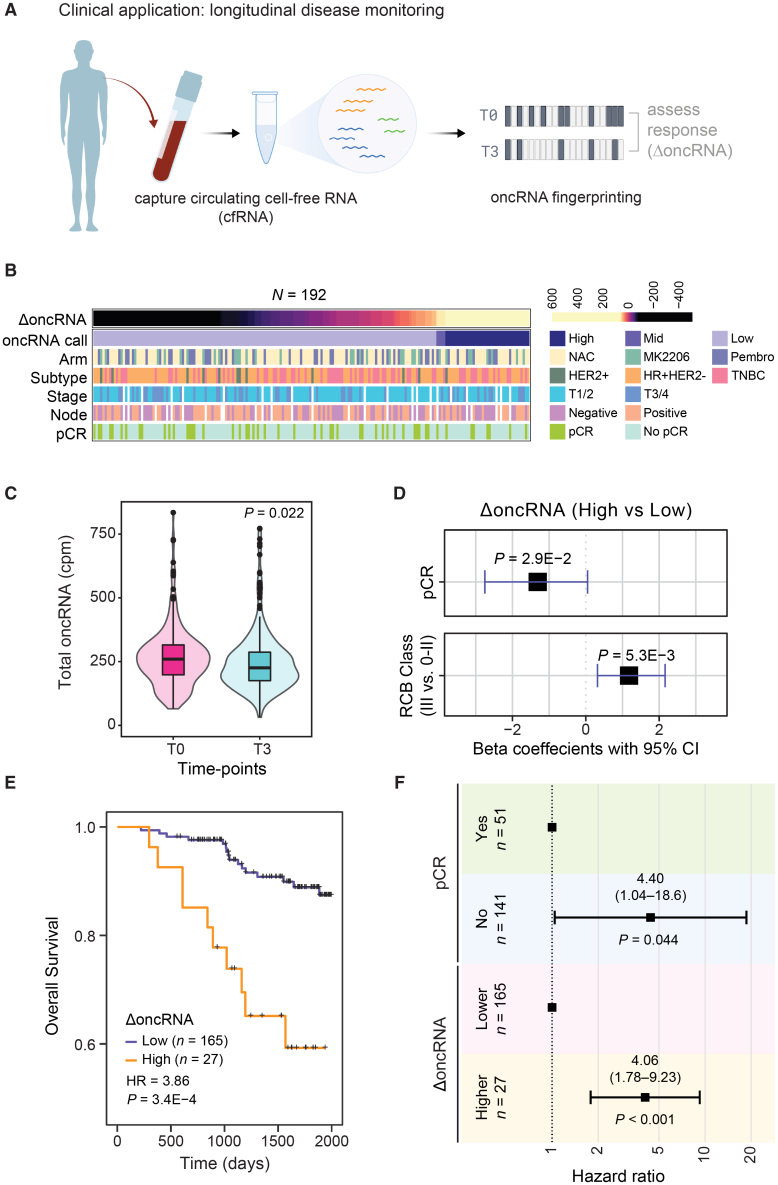 Figure 7
Peer Reviews
No public reviews on file for this paper yet. If you reviewed it on a platform where reviews are public (OpenReview, ICLR, NeurIPS, ICML), you can paste yours below so the community can read it here.
Videos
No videos yet. Explain this paper in a talk, walkthrough, or lecture? Add one.
Taxonomy
TopicsCancer-related molecular mechanisms research · Cancer Genomics and Diagnostics · RNA Interference and Gene Delivery