Decidualization-empowered ECM hydrogel integrating sustained Tβ4 release drives endometrial regeneration in intrauterine adhesions
Yuxiang Liang, Zhaowei Yu, Shaobo Du, Yuqian Guo, Jing Li, Yujia Yan, Shanshan Jin, Wenjing Liang, Mengyuan Li, Ning Jin, Jiao Yang, Zhiwei Peng, Zhaoyang Chen, Hailan Yang, Zhizhen Liu, Qizhi Shuai, Liping Li, Jun Xie

TL;DR
A new hydrogel that mimics the body's natural healing process helps regenerate the uterine lining and restore fertility in a mouse model of intrauterine adhesions.
Contribution
A decidualization-empowered hydrogel combining DEndo-UdECM and sustained Tβ4 release is introduced for endometrial regeneration.
Findings
The hydrogel restores endometrial architecture and resolves fibrosis in a murine IUA model.
It leads to near-complete recovery of fertility after a single administration.
The hydrogel reprograms macrophages and inhibits fibrotic pathways.
Abstract
Intrauterine adhesions (IUA), a leading cause of female infertility, result from a pathological switch in the uterine injury response from regeneration to fibrotic scarring. Current treatments are often inadequate as they fail to address this fundamental shift. Here, we report a “decidualization-empowered” hydrogel that reverses this pathology by synergistically combining a bioactive extracellular matrix from decidualized endometrium (DEndo-UdECM) with the sustained release of the anti-fibrotic peptide Thymosin β4 (Tβ4). In a murine IUA model, a single administration of the hydrogel restores endometrial architecture, resolves fibrosis, and, most critically, leads to a near-complete recovery of fertility. Mechanistically, the hydrogel orchestrates a pro-regenerative niche by reprogramming macrophages to an M2 phenotype while dually inhibiting pyroptosis-driven inflammation and the…
Genes, proteins, chemicals, diseases, species, mutations and cell lines named across the full text — each resolved to its canonical identifier and authoritative record.
Click any figure to enlarge with its caption.
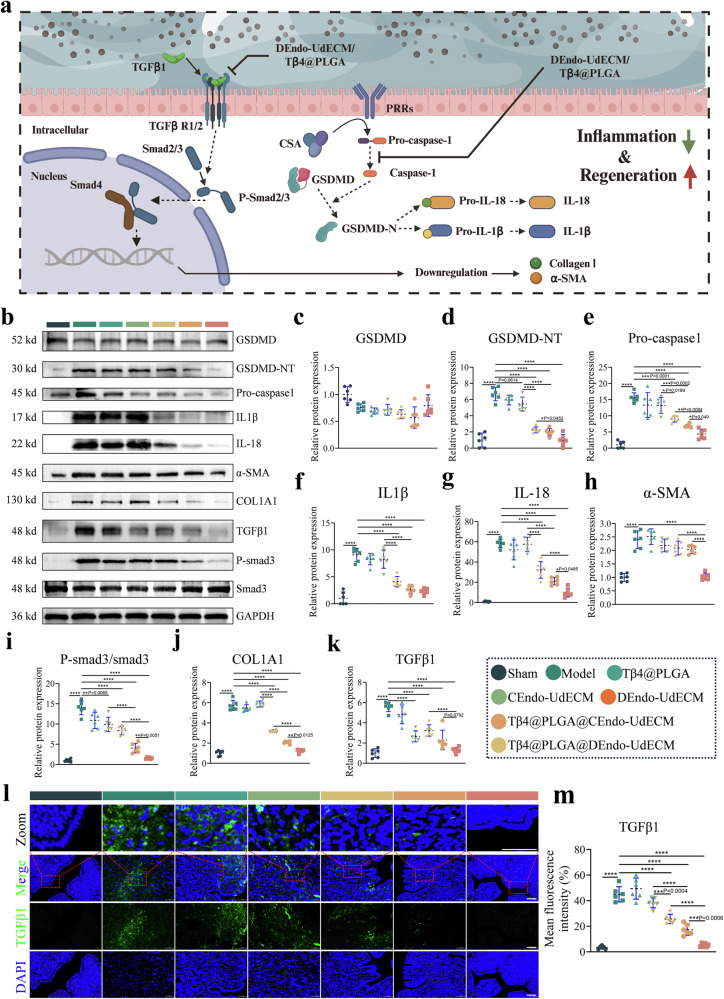 Figure 10
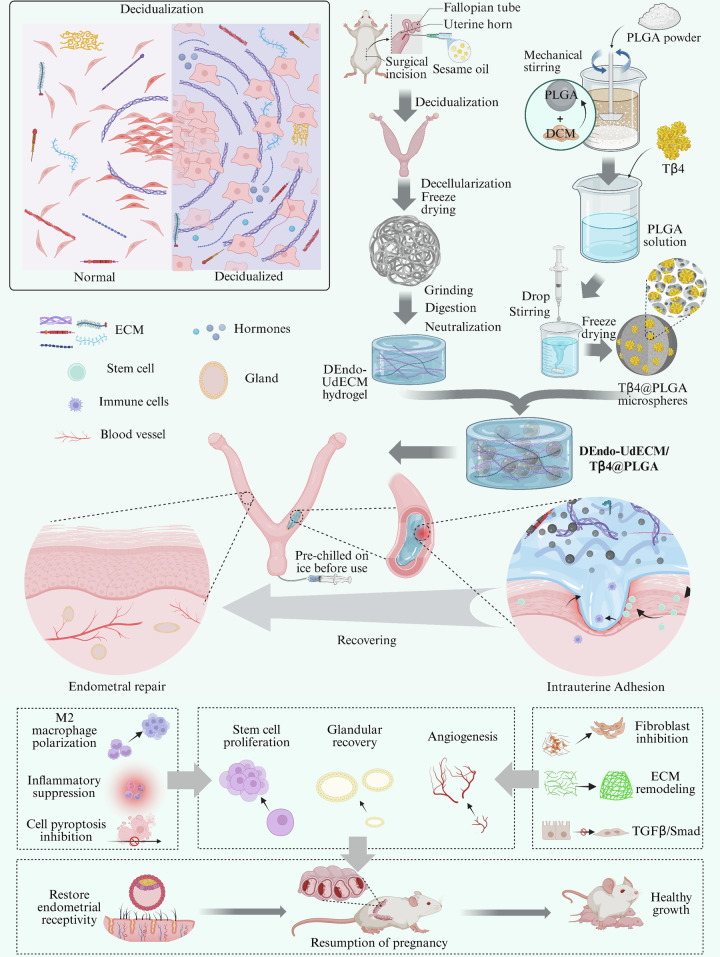 Figure 1
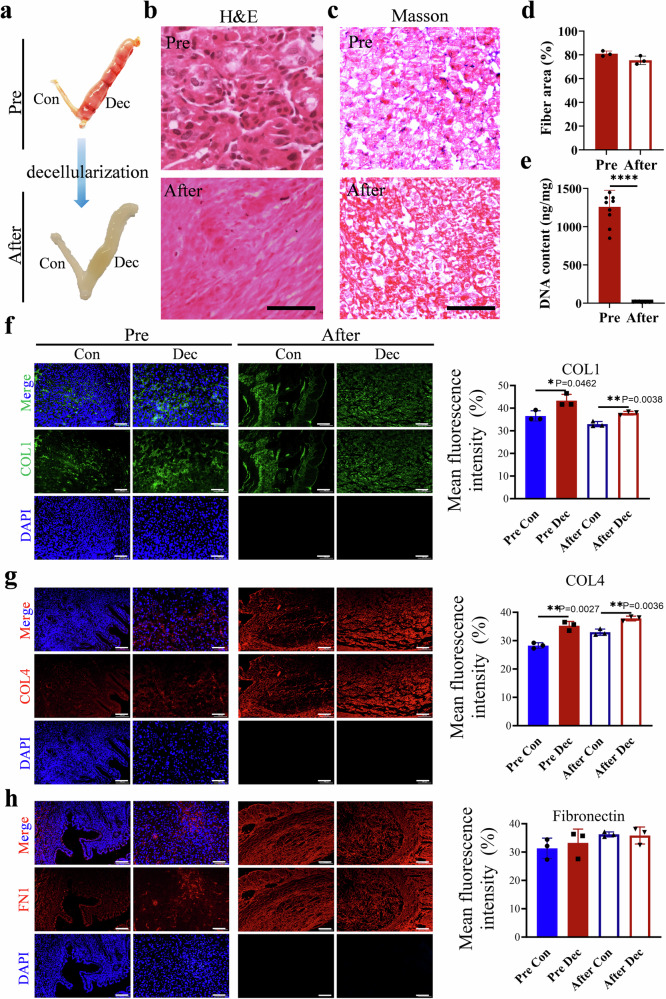 Figure 2
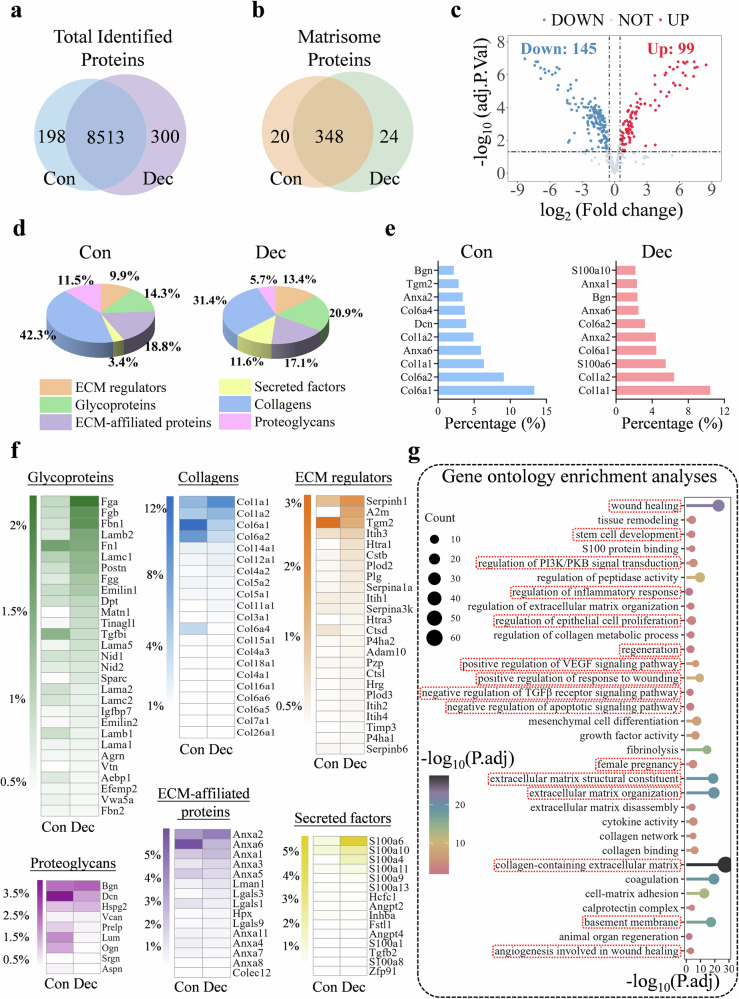 Figure 3
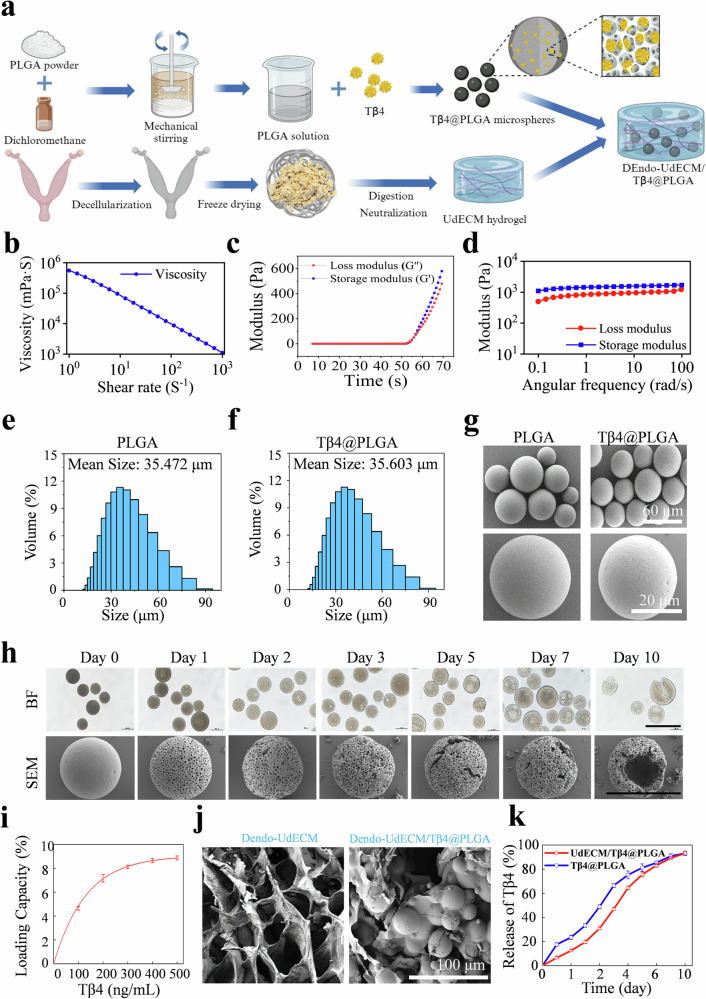 Figure 4
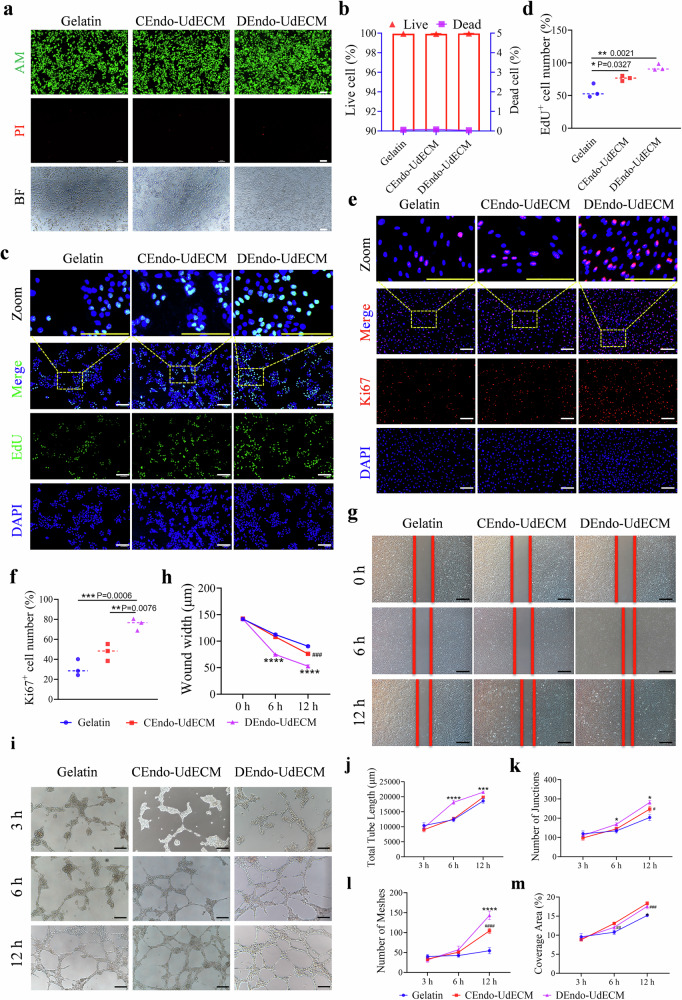 Figure 5
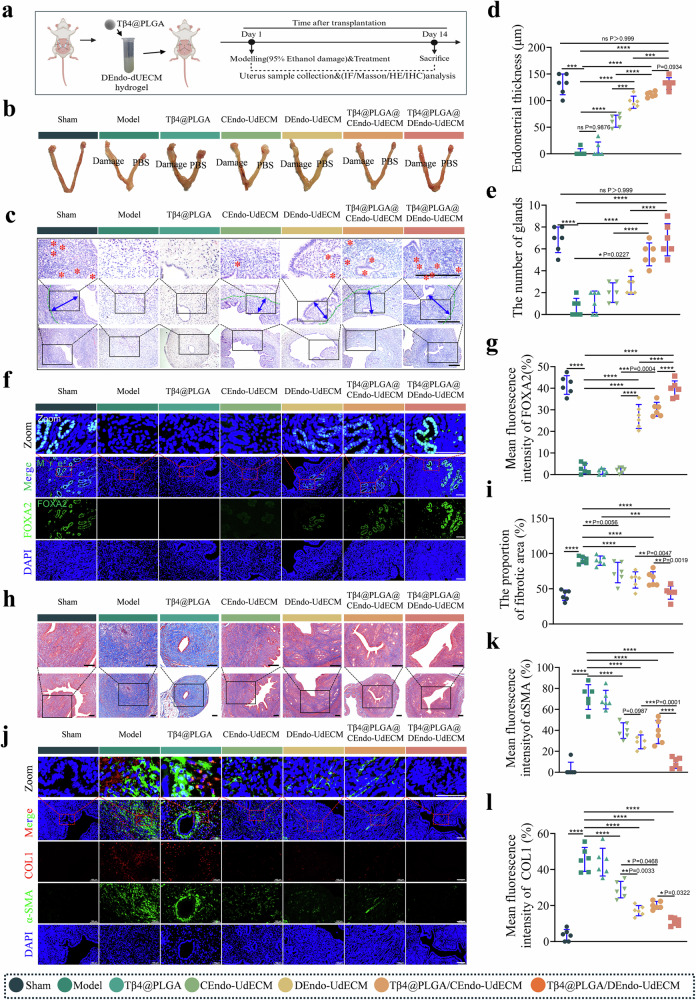 Figure 6
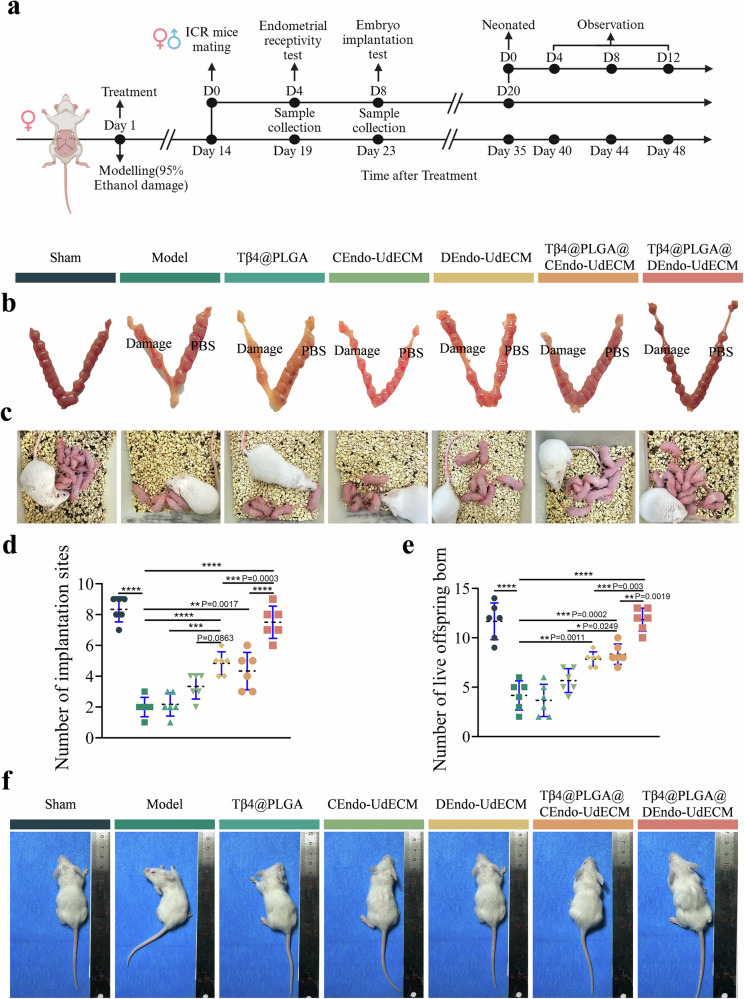 Figure 7
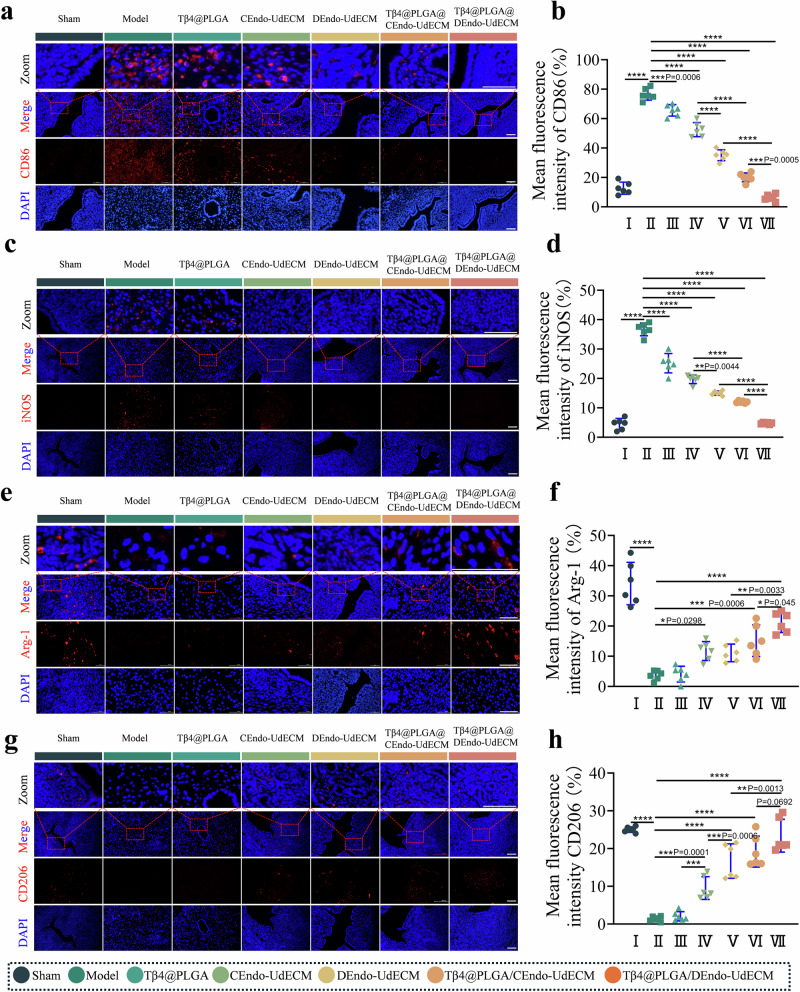 Figure 8
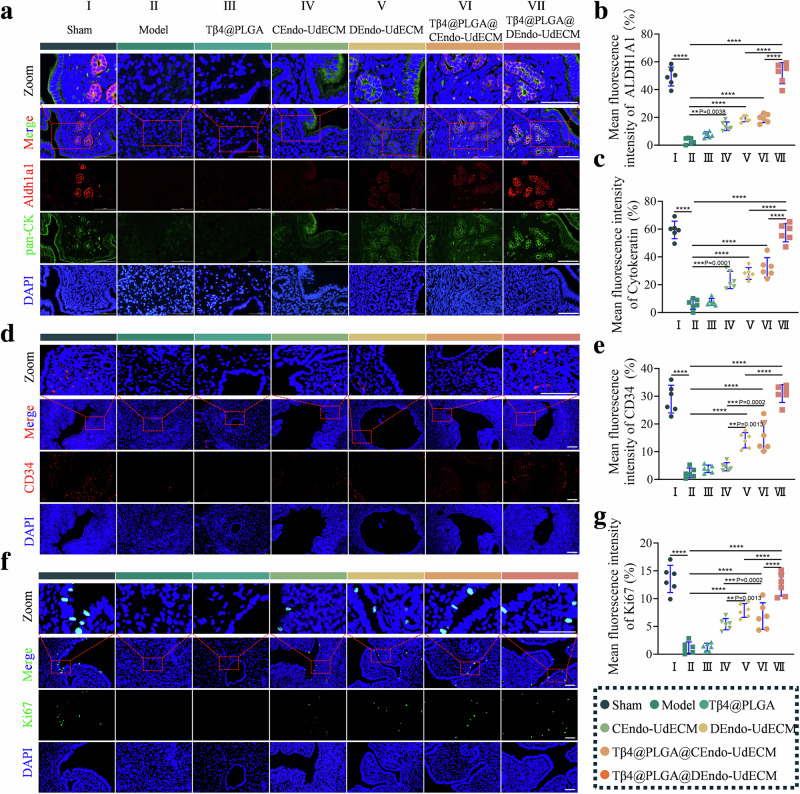 Figure 9
Peer Reviews
No public reviews on file for this paper yet. If you reviewed it on a platform where reviews are public (OpenReview, ICLR, NeurIPS, ICML), you can paste yours below so the community can read it here.
Videos
No videos yet. Explain this paper in a talk, walkthrough, or lecture? Add one.
Taxonomy
TopicsGynecological conditions and treatments · Reproductive System and Pregnancy · Reproductive Biology and Fertility