Eukaryotic initiation factor 4E: a key factor of traumatic stress-induced depression-related cognitive decline at different age
Chi-Wei Lee, Tzu-Jung Yang, Ming-Chia Chu, Kuen-Haur Lee, Tin Hoang Nguyen, Cheng-Ta Li, Hui-Ching Lin

TL;DR
This study explores how traumatic stress leads to depression and cognitive decline, especially in middle-aged individuals, by focusing on eIF4E and GABAergic system changes.
Contribution
The study identifies eIF4E phosphorylation as a key factor in age-related cognitive dysfunction and treatment-resistant depression.
Findings
Traumatic stress causes depression-like behavior in both young and middle-aged mice.
Cognitive impairment is more severe in middle-aged mice after traumatic stress.
Inhibiting eIF4E phosphorylation improves cognitive dysfunction and depressive-like behavior.
Abstract
Depression in patients with cognitive impairment may be a risk factor for dementia. A previous study demonstrated that patients with treatment-resistant depression (TRD), characterized by poor response to adequate antidepressant treatment, exhibit pronounced cognitive impairment. Although depression in midlife or later life are associated with an increased risk of developing dementia, the mechanisms linking cognitive impairment and midlife depression remain poorly understood. A recent study revealed that downregulation of the γ-aminobutyric acid mediated (GABAergic) system and increased phosphorylation of eukaryotic translation initiation factor (eIF4E) are strongly associated with cognitive dysfunction and depressive symptoms. Hence, we hypothesized that the GABAergic system and eIF4E phosphorylation are involved in cognitive dysfunction and depression, particularly forms resistant to…
Genes, proteins, chemicals, diseases, species, mutations and cell lines named across the full text — each resolved to its canonical identifier and authoritative record.
Click any figure to enlarge with its caption.
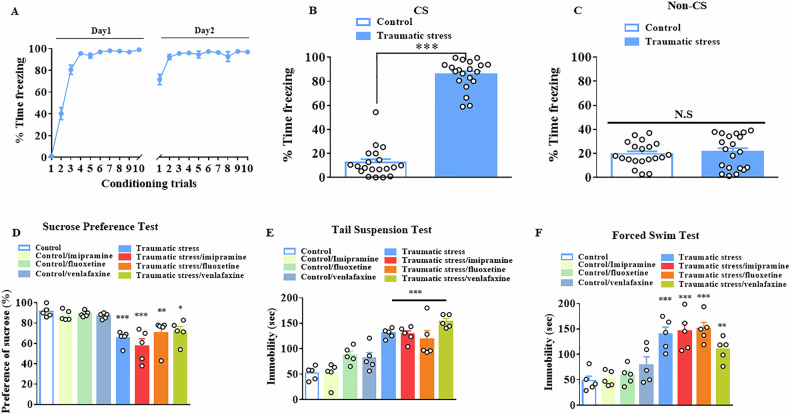 Figure 1
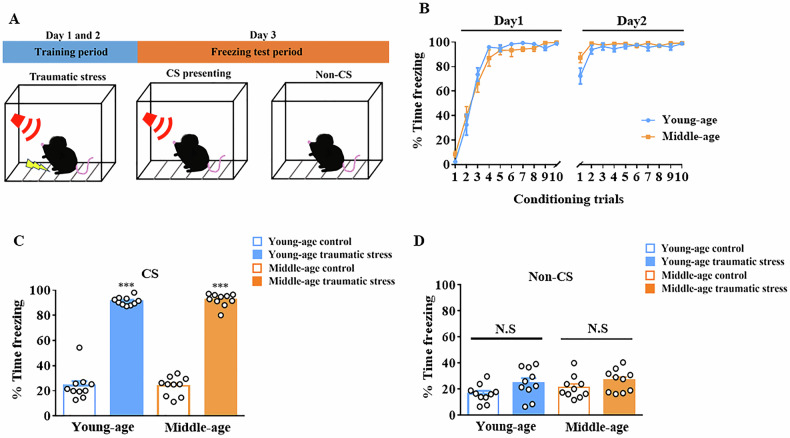 Figure 2
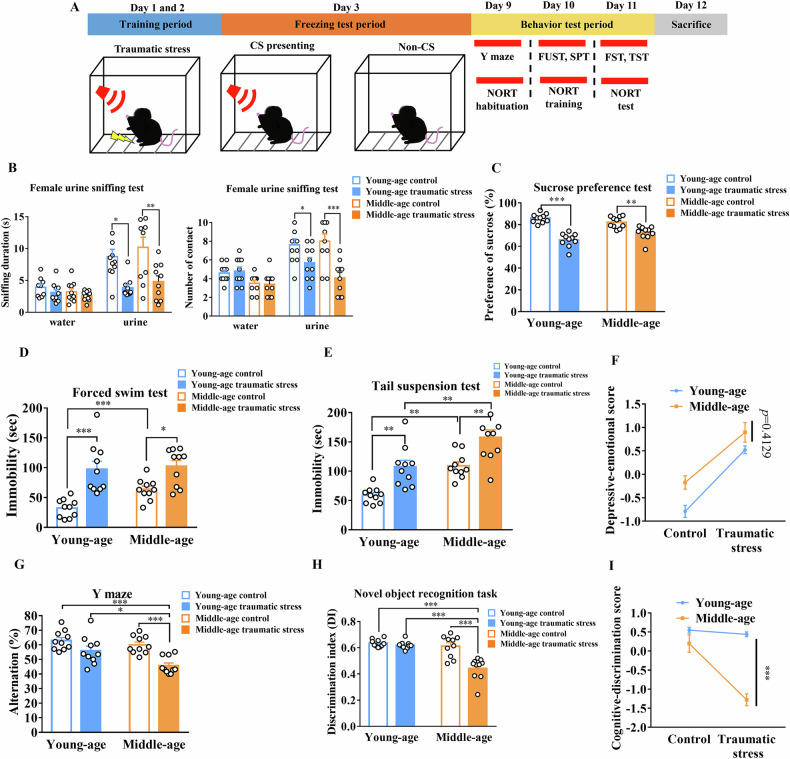 Figure 3
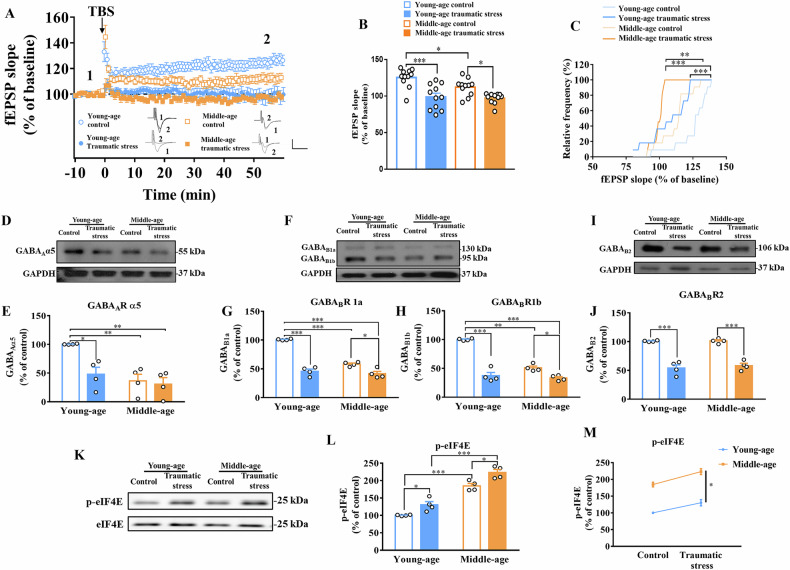 Figure 4
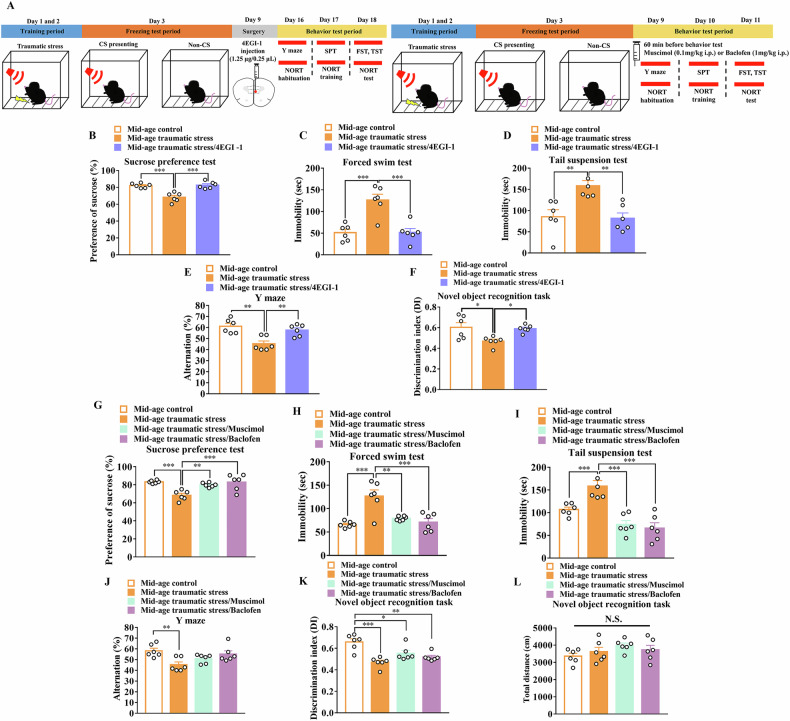 Figure 5
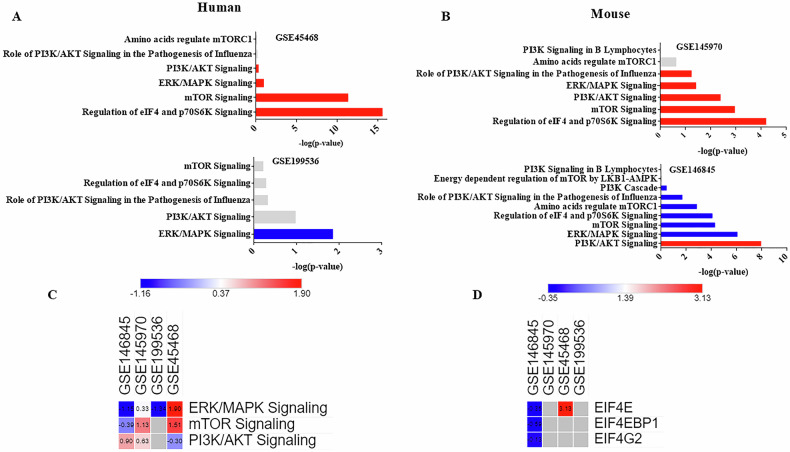 Figure 6
Peer Reviews
No public reviews on file for this paper yet. If you reviewed it on a platform where reviews are public (OpenReview, ICLR, NeurIPS, ICML), you can paste yours below so the community can read it here.
Videos
No videos yet. Explain this paper in a talk, walkthrough, or lecture? Add one.
Taxonomy
TopicsTryptophan and brain disorders · Treatment of Major Depression · Phosphodiesterase function and regulation