Functional neuroimaging of fatty acid amide hydrolase inhibition in posttraumatic stress disorder: a randomized clinical trial
Ryann Tansey, Irene Perini, Gavin N. Petrie, Connor J. Haggarty, Raegan Mazurka, Adam Yngve, Sarah Mina, Madeleine R. Jones, Hilda Engelbrektsson, Andrea J. Capusan, Matthew N. Hill, Markus Heilig, Leah M. Mayo

TL;DR
A clinical trial found that inhibiting an enzyme involved in anxiety processing did not improve PTSD treatment outcomes, despite increasing a brain chemical linked to fear extinction.
Contribution
This is the first randomized clinical trial to investigate FAAH inhibition's neurobiological effects in PTSD patients undergoing exposure therapy.
Findings
FAAH inhibition did not improve PTSD symptoms compared to placebo.
Symptom improvement correlated with reduced connectivity between brain regions involved in emotional processing.
Increased AEA levels did not translate to changes in brain connectivity or task activation.
Abstract
The endocannabinoid ligand anandamide (AEA) plays a role in fear extinction, the conceptual foundation of the gold standard treatment for posttraumatic stress disorder (PTSD), exposure-based psychotherapy. Converging evidence from animal models and non-clinical human studies highlights the potential to enhance fear extinction pharmacologically by inhibiting the AEA catabolic enzyme, fatty acid amide hydrolase (FAAH). However, in our randomized clinical trial (n = 100), a FAAH inhibitor did no better than placebo at enhancing the response to exposure-based therapy in PTSD. Here, we used functional magnetic resonance imaging to investigate the neurobiological effects of FAAH inhibitor treatment on resting-state functional connectivity and the neural correlates of emotional processing (n = 76 scanned). We found that greater symptom improvement was significantly related to lower functional…
Genes, proteins, chemicals, diseases, species, mutations and cell lines named across the full text — each resolved to its canonical identifier and authoritative record.
Click any figure to enlarge with its caption.
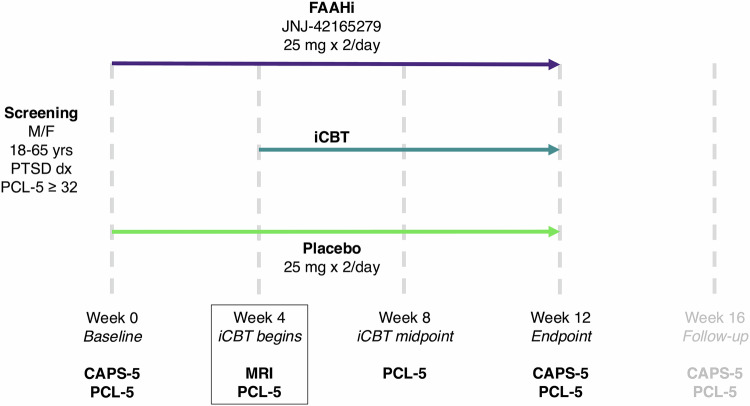 Figure 1
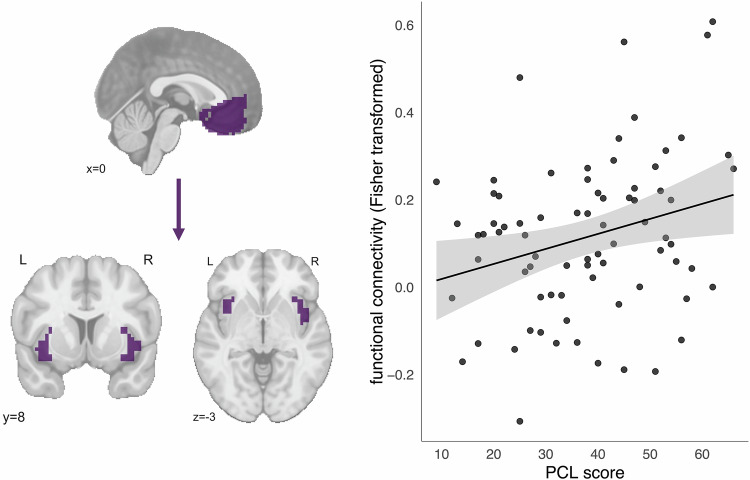 Figure 2
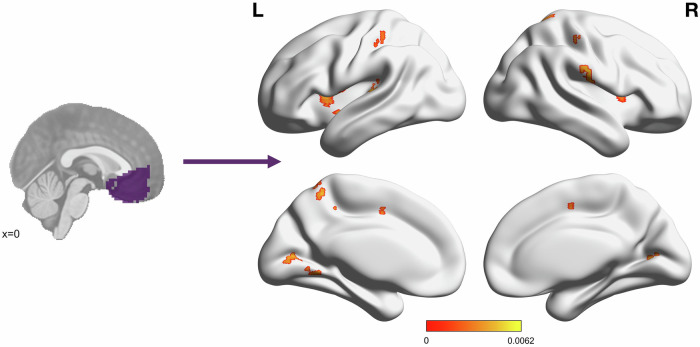 Figure 3
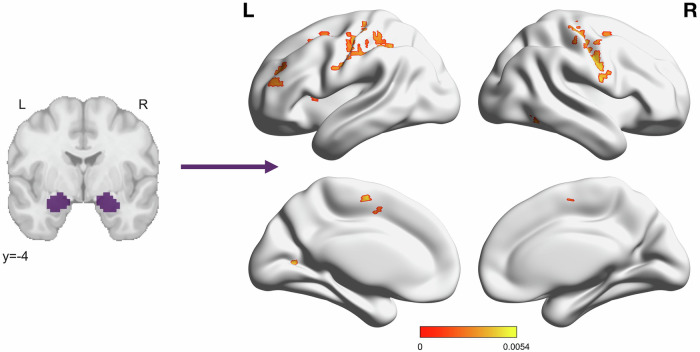 Figure 4
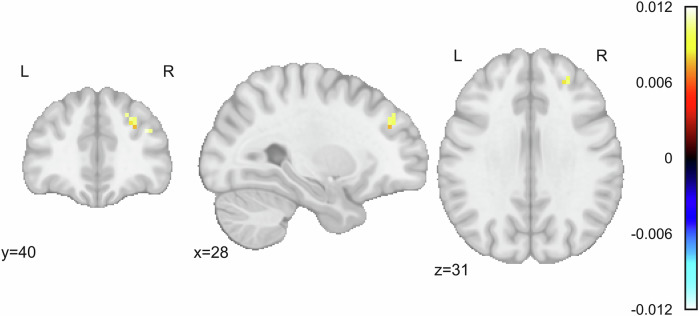 Figure 5
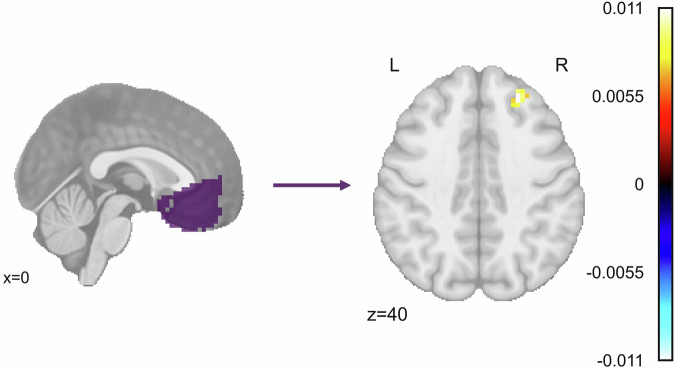 Figure 6
Peer Reviews
No public reviews on file for this paper yet. If you reviewed it on a platform where reviews are public (OpenReview, ICLR, NeurIPS, ICML), you can paste yours below so the community can read it here.
Videos
No videos yet. Explain this paper in a talk, walkthrough, or lecture? Add one.
Taxonomy
TopicsCannabis and Cannabinoid Research · Memory and Neural Mechanisms · Psychedelics and Drug Studies