Generating borderline test samples for randomness testers via intelligent optimization and evolutionary algorithms
Peng Gao, Bin Zhang, Ziyuan Wang, Chenglong Li

TL;DR
This paper introduces a new framework using evolutionary algorithms and a large language model to generate test data for randomness testers, improving the detection of subtle non-randomness in encrypted data.
Contribution
A dynamic test data generation framework combining evolutionary algorithms and a large language model for adaptive parameter tuning in randomness testing.
Findings
The framework generates high-quality borderline sequences that slightly fail randomness criteria but resemble high-entropy sources.
The approach enables real-time parameter tuning and mitigates the curse of dimensionality in multi-objective optimization.
Generated sequences serve as effective test inputs for real-time randomness testers.
Abstract
Ensuring information security heavily relies on high-quality random sequences for encryption keys. Physical entropy sources, despite their use in generating true random sequences, are susceptible to environmental disturbances, necessitating real-time randomness testing to maintain high entropy. However, existing methods for generating test data for real-time randomness testers face significant challenges, including producing sequences that fail to meet specific randomness criteria, constructing borderline sequences with slight non-randomness, and addressing the difficulty of simultaneously violating multiple randomness criteria. This paper introduces a dynamic test data generation framework designed to address these challenges. The framework leverages evolutionary algorithm (EA) to transform the generation of borderline sequences into a multi-constrained optimization problem, where a…
Genes, proteins, chemicals, diseases, species, mutations and cell lines named across the full text — each resolved to its canonical identifier and authoritative record.
Click any figure to enlarge with its caption.
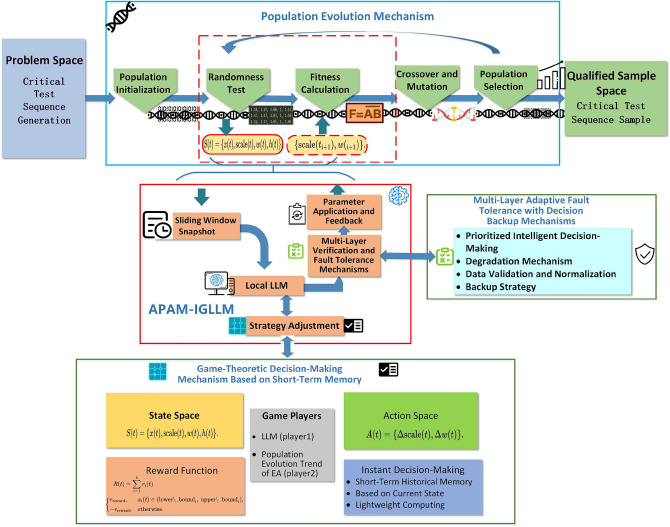 Figure 1
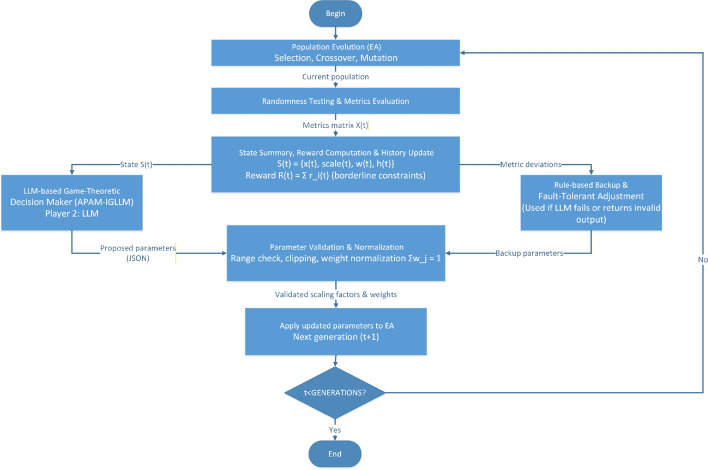 Figure 2
 Figure 3
 Figure 4
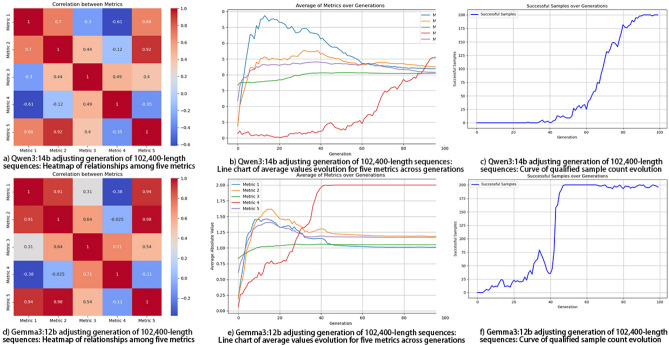 Figure 5
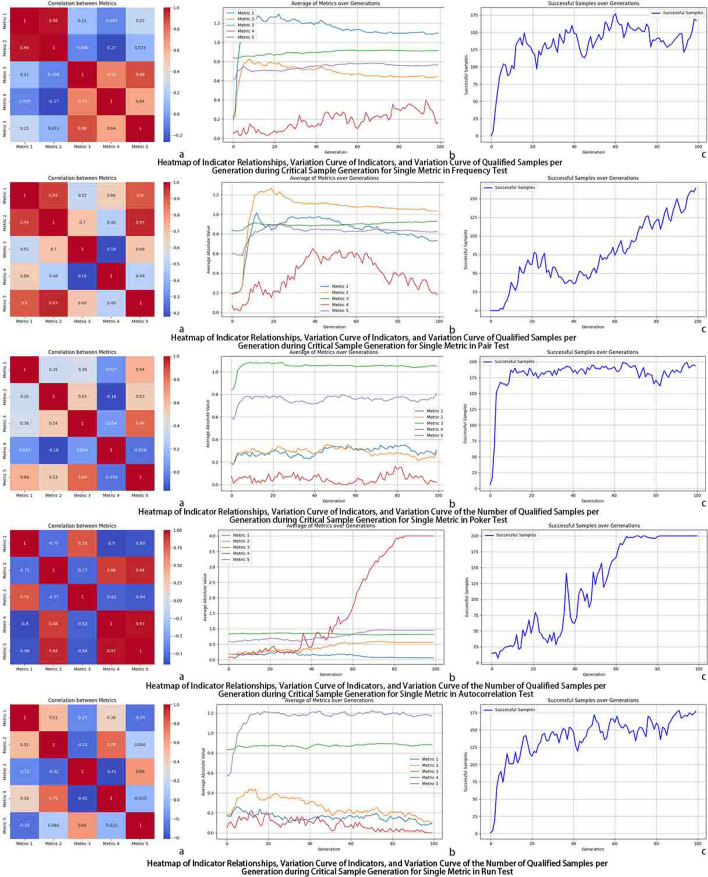 Figure 6
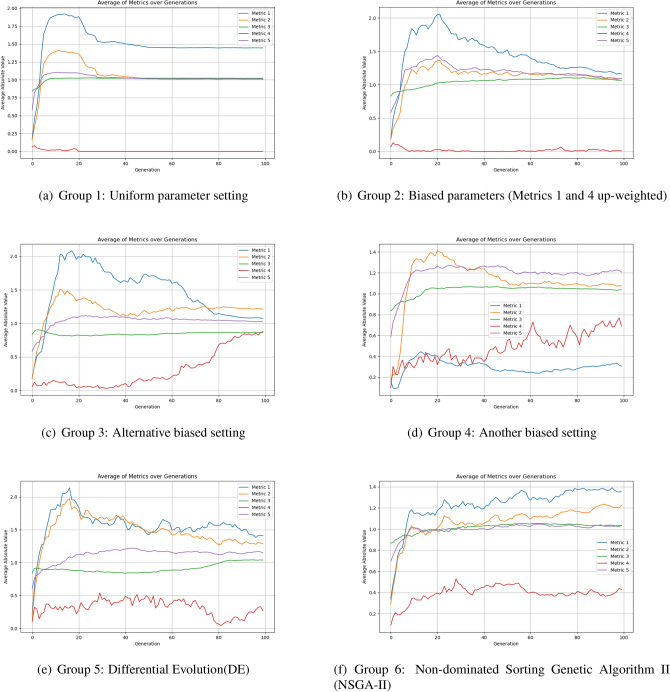 Figure 7
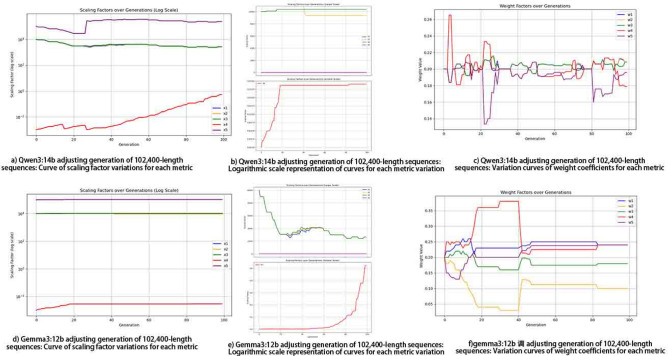 Figure 8
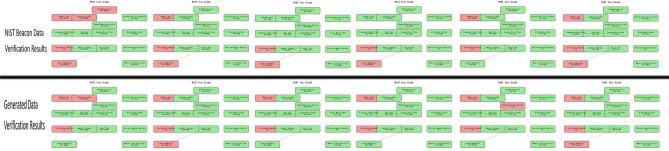 Figure 9
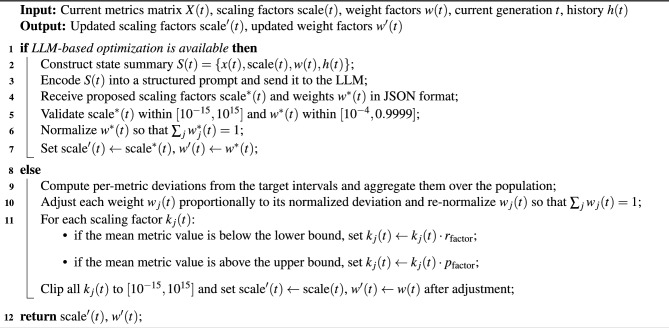 Figure 10
Peer Reviews
No public reviews on file for this paper yet. If you reviewed it on a platform where reviews are public (OpenReview, ICLR, NeurIPS, ICML), you can paste yours below so the community can read it here.
Videos
No videos yet. Explain this paper in a talk, walkthrough, or lecture? Add one.
Taxonomy
TopicsSoftware Testing and Debugging Techniques · Chaos-based Image/Signal Encryption · Advanced Malware Detection Techniques