Robust imputation-based method for eye, hair, and skin colour prediction from low-coverage ancient DNA
Zoltán Maróti, Emil Nyerki, Tibor Török, Gergely István Varga, Tibor Kalmár

TL;DR
This paper introduces a new method to predict eye, hair, and skin color from low-quality ancient DNA using imputation techniques.
Contribution
The novel contribution is a robust imputation-based framework called aHISPlex for accurate phenotype prediction from degraded ancient DNA.
Findings
Phenotype predictions from ancient DNA can be accurate even at low genome coverages (0.1–0.5×).
The aHISPlex framework includes tools and reference datasets for efficient analysis of degraded DNA samples.
Factors like genome coverage and postmortem damage significantly affect imputation efficiency.
Abstract
The prediction of externally visible traits (eye, hair, and skin colours) from DNA can provide valuable information for contemporary and ancient human populations. The validated HIrisPlex-S method is the primary tool in forensics for phenotyping modern samples. The HIrisPlex-S multiplex PCR assay can handle trace DNA from modern samples, but the analysis of degraded, low-coverage ancient DNA (aDNA) presents additional challenges. Genotype imputation has recently proven successful in effectively filling in missing information in aDNA sequences. To assess the feasibility of this approach, we evaluated how key factors, such as genome coverage, minor allele frequency, extent of postmortem damage, and the population origin of the test individual, influence the efficiency of imputing HIrisPlex-S markers and predicting phenotypes. We used high-coverage sequence data from modern individuals and…
Genes, proteins, chemicals, diseases, species, mutations and cell lines named across the full text — each resolved to its canonical identifier and authoritative record.
Click any figure to enlarge with its caption.
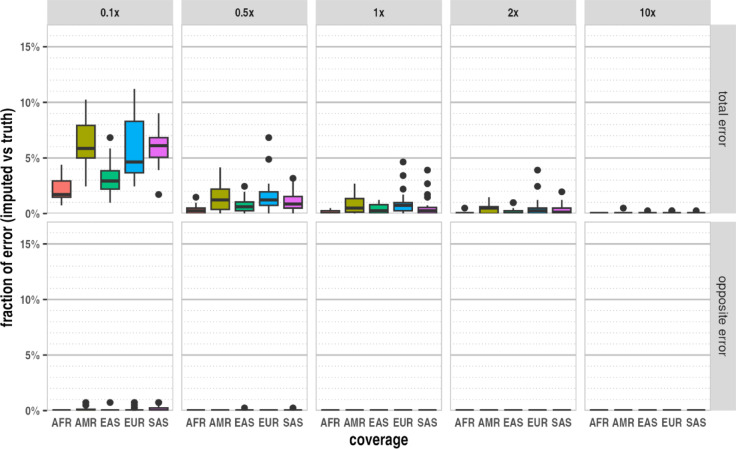 Figure 1
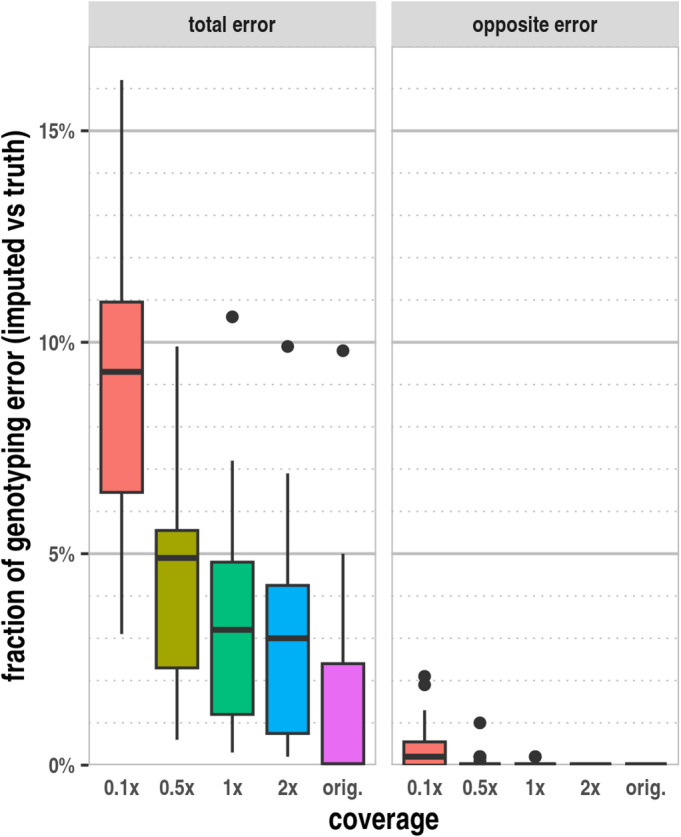 Figure 2
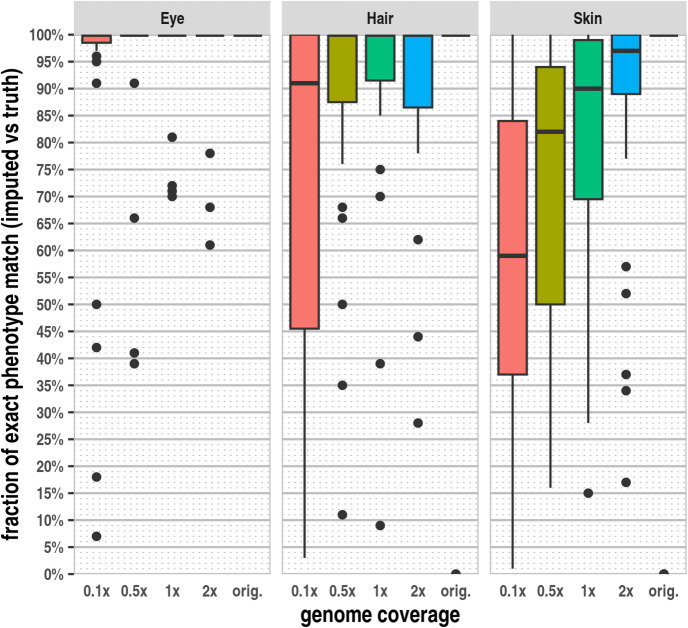 Figure 3
Peer Reviews
No public reviews on file for this paper yet. If you reviewed it on a platform where reviews are public (OpenReview, ICLR, NeurIPS, ICML), you can paste yours below so the community can read it here.
Videos
No videos yet. Explain this paper in a talk, walkthrough, or lecture? Add one.
Taxonomy
TopicsForensic and Genetic Research · melanin and skin pigmentation · Forensic Anthropology and Bioarchaeology Studies