Isolable radical cation and dication of dialumene
Xufang Liu, Arseni Kostenko, Eva Körber, Huaiyuan Zhu, Karsten Meyer, Shigeyoshi Inoue

TL;DR
Scientists synthesized stable aluminum compounds that can switch between different charged states, opening new possibilities for chemical reactions.
Contribution
The first synthesis of isolable dialumene-derived radical cation and dication using bulky silyl and carbene ligands.
Findings
Aluminum complexes can reversibly switch between neutral, radical cationic, and dicationic states.
The dication shows reactivity as a Lewis acid and can mediate deoxygenation and isocyanide homologation.
Bulky silyl and carbene ligands stabilize the electron-deficient aluminum species.
Abstract
Alkenes are known to undergo successive oxidation to form alkene-derived radical cations and dications, which have found applications across various fields. As the aluminum analogues of alkenes, dialumenes likewise have the potential to lose one or two π-bonding electrons, forming dialumene-derived radical cations or dications. To date, however, these species have remained elusive, most likely due to the intrinsic electron deficiency imposed by both the positive charge and the pronounced electrophilicity of aluminum. Here, we present the synthesis of a stable aluminum-centered radical cation and dication through the combination of bulky silyl substituents and electron-donating carbene ligands. Further studies reveal that these aluminum complexes can switch between their neutral, radical cationic, and dicationic states, thus establishing a redox-reversible system. Furthermore, the…
Genes, proteins, chemicals, diseases, species, mutations and cell lines named across the full text — each resolved to its canonical identifier and authoritative record.
Click any figure to enlarge with its caption.
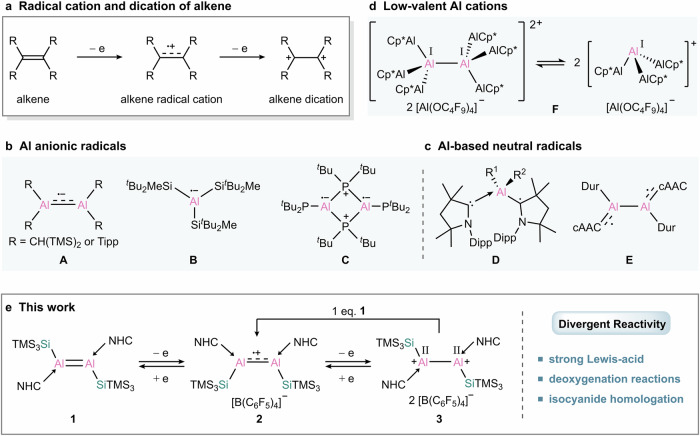 Figure 1
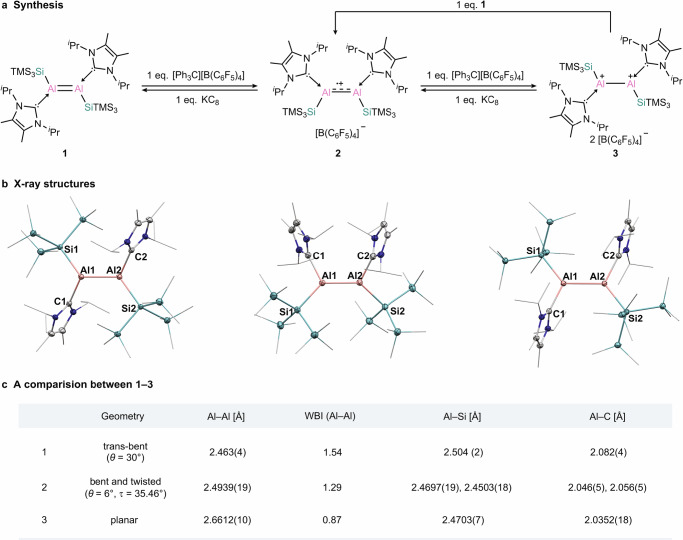 Figure 2
 Figure 3
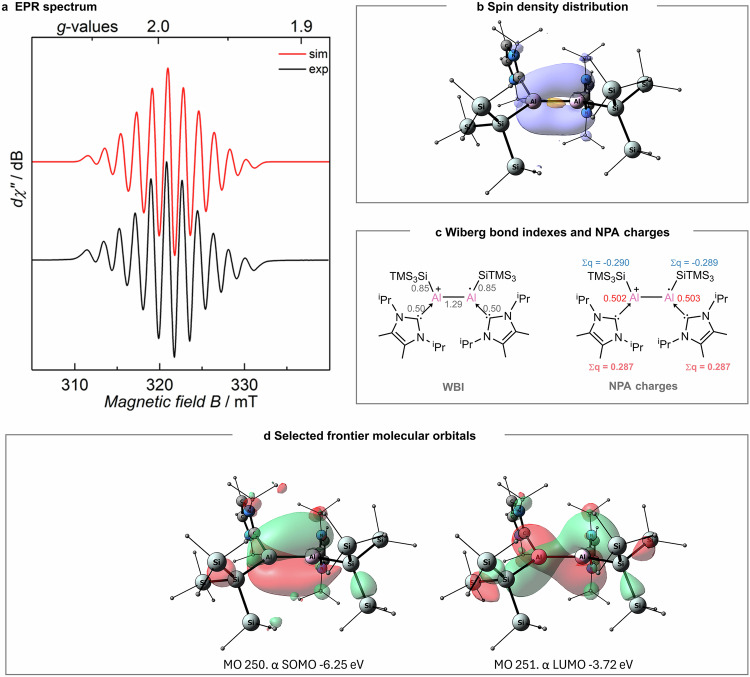 Figure 4
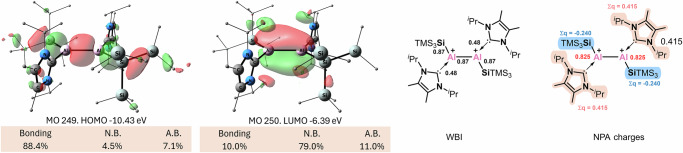 Figure 5
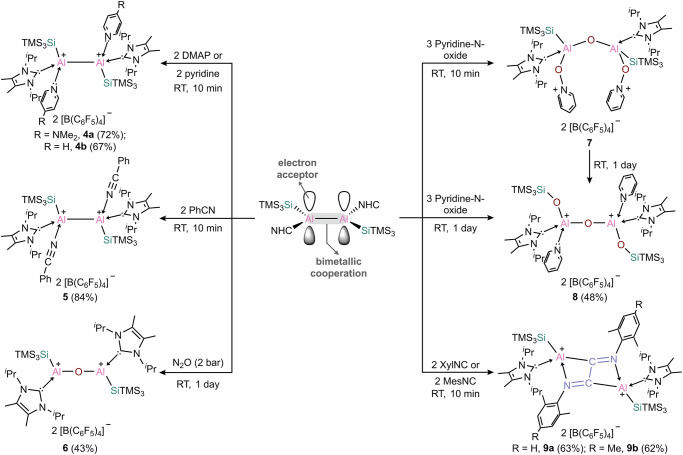 Figure 6
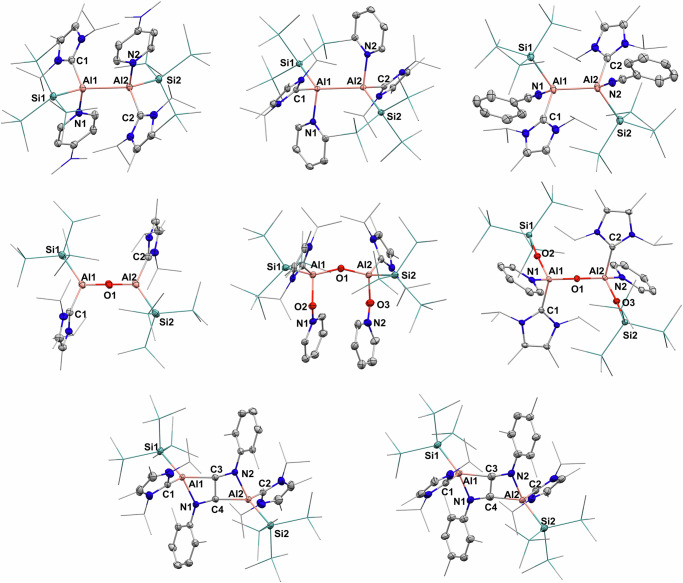 Figure 7
Peer Reviews
No public reviews on file for this paper yet. If you reviewed it on a platform where reviews are public (OpenReview, ICLR, NeurIPS, ICML), you can paste yours below so the community can read it here.
Videos
No videos yet. Explain this paper in a talk, walkthrough, or lecture? Add one.
Taxonomy
TopicsRadical Photochemical Reactions · Organoboron and organosilicon chemistry · Synthesis and characterization of novel inorganic/organometallic compounds