An IoT-based smart emotion recognition system by using internal body parameters
Tayyaba Rashid, Imran Sarwar Bajwa, Jungsuk Kim

TL;DR
This paper presents an IoT-based system that uses body signals like heart rate and blood pressure to recognize emotions with high accuracy.
Contribution
A novel IoT-based emotion recognition system using internal body parameters and achieving high accuracy with Random Forest.
Findings
Random Forest achieved 90.56% accuracy and 93.34% F1-score in emotion recognition.
External validation using DEAP tasks showed 94% accuracy and strong precision, recall, and F1-score values.
The system demonstrates robustness and generalization through internal and external validation methods.
Abstract
Emotion recognition using physiological signals has gained significant attention in recent years due to its potential applications in mental health monitoring, human–computer interaction, and stress management. This study focuses on recognizing six emotional states neutral, happy, sad, fear, anger, and surprise using internal body parameters such as blood pressure, oxygen saturation, blood glucose, heart rate, and body temperature. Leveraging an Internet of Things (IoT) enabled framework, real-time data was collected from participants. An exhaustive experimental assessment has been performed on 11 different classification algorithms of the machine learning platform. Among the algorithms, the Random Forest algorithm performed better than all other algorithms with 90.56% accuracy and 93.34% F1-score. Moreover, the precision and recall of the proposed system are extremely high. Model…
Genes, proteins, chemicals, diseases, species, mutations and cell lines named across the full text — each resolved to its canonical identifier and authoritative record.
Click any figure to enlarge with its caption.
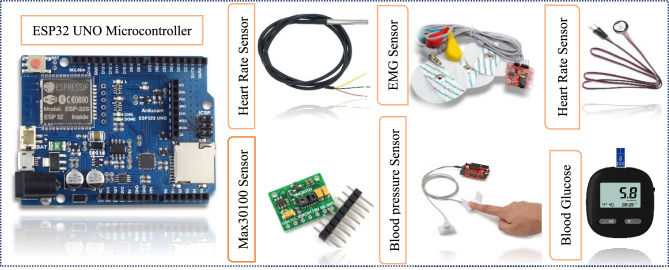 Figure 10
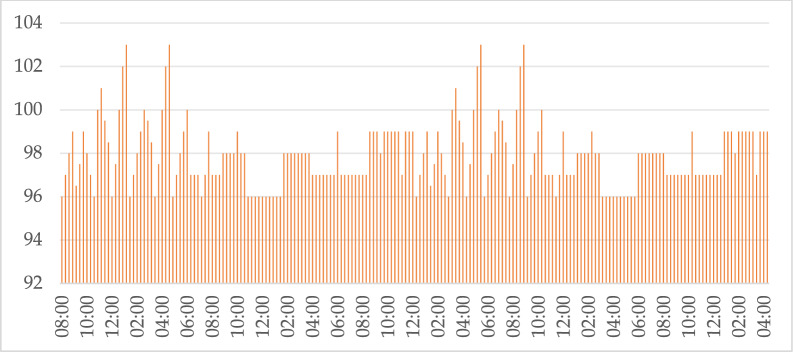 Figure 11
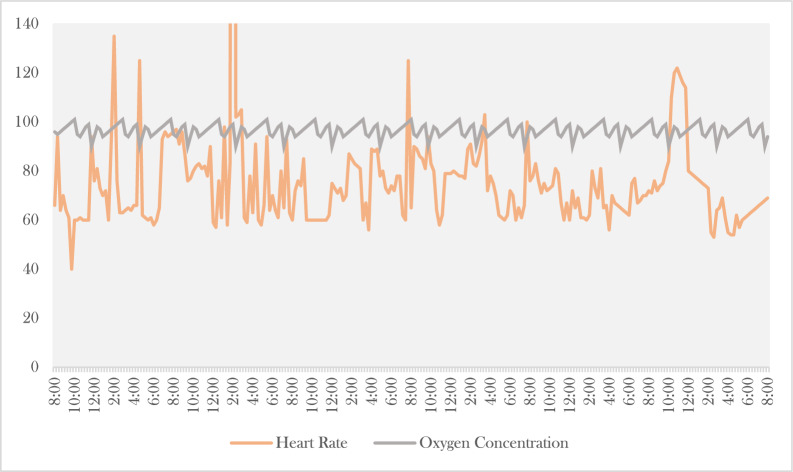 Figure 12
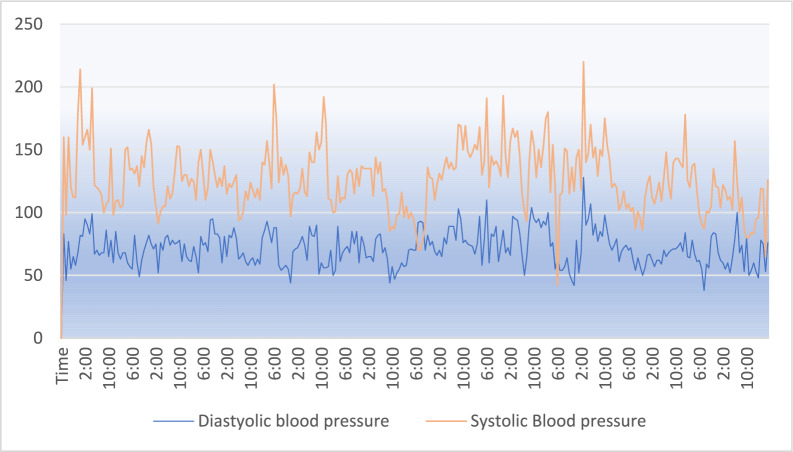 Figure 13
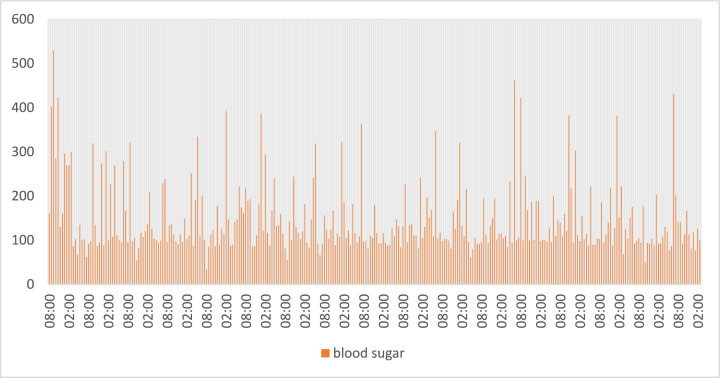 Figure 14
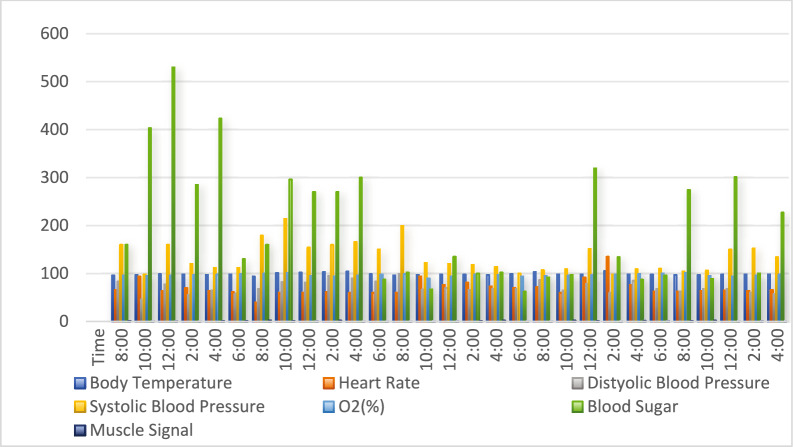 Figure 15
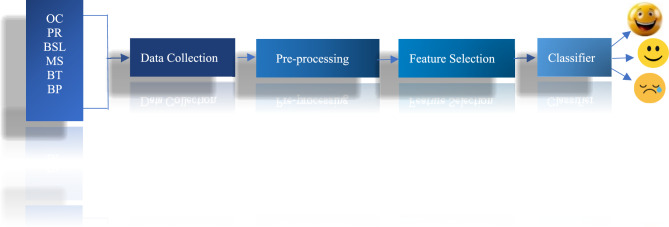 Figure 16
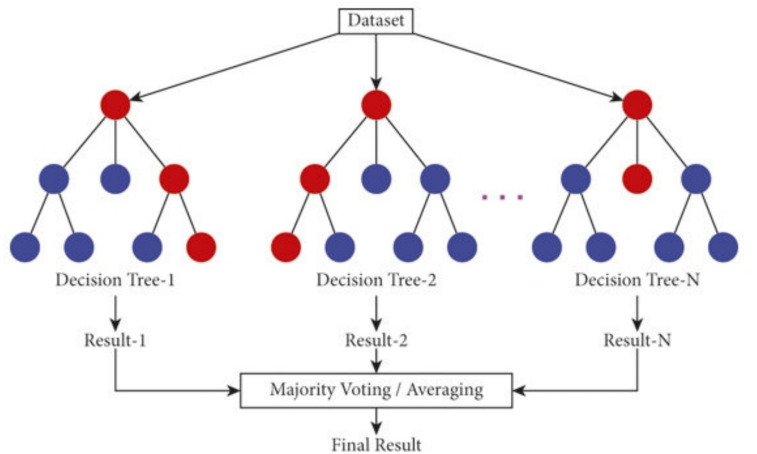 Figure 17
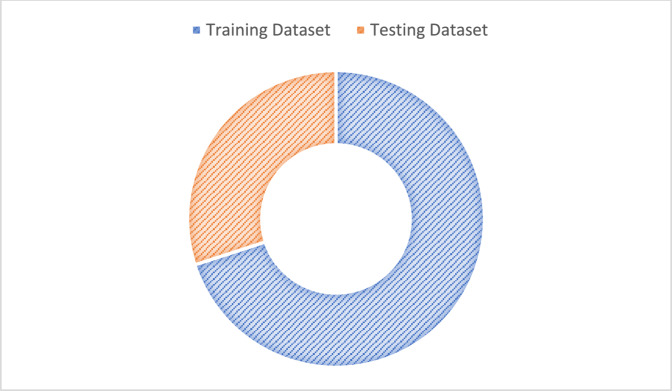 Figure 18
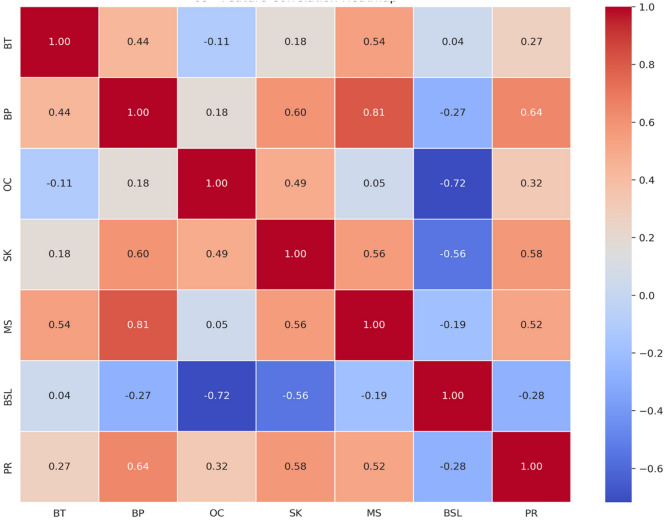 Figure 19
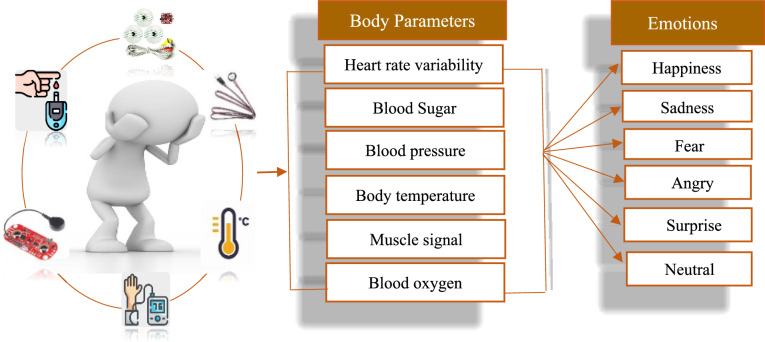 Figure 1
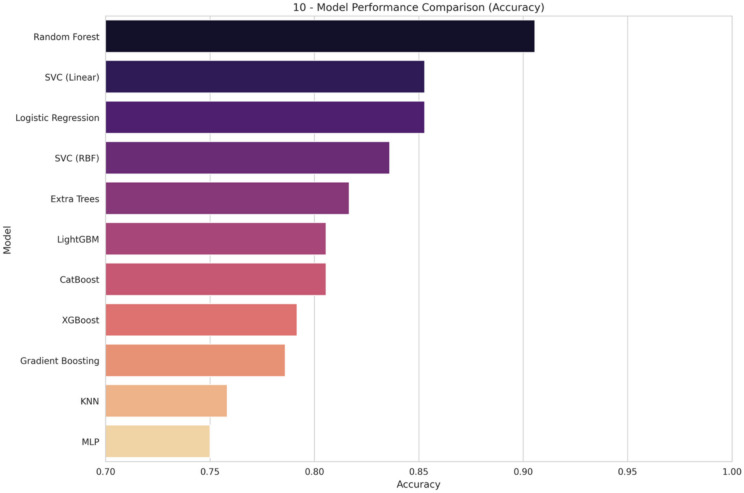 Figure 20
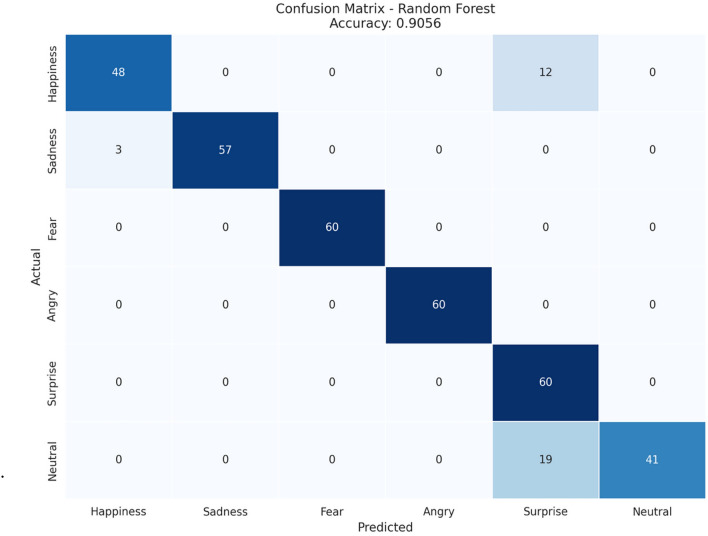 Figure 21
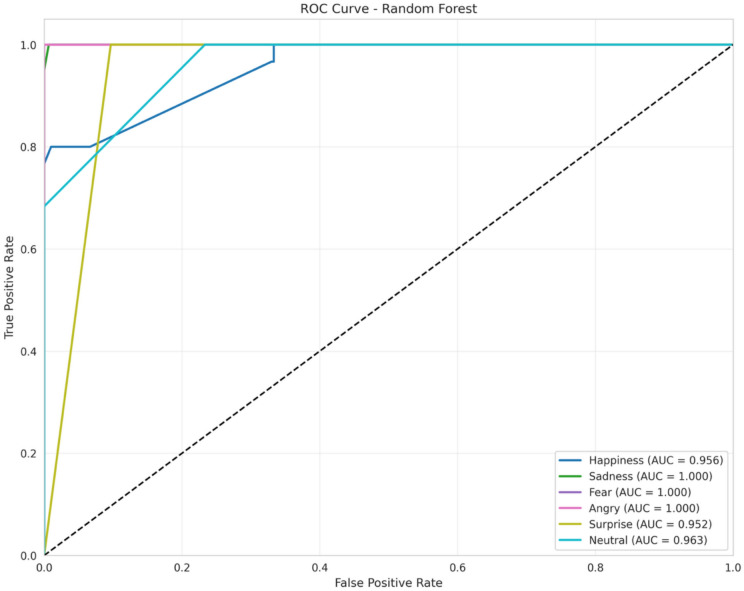 Figure 22
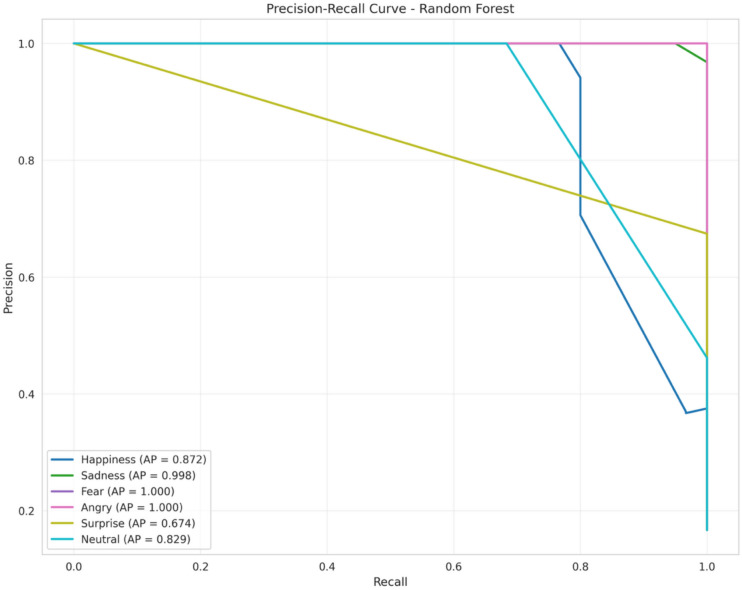 Figure 23
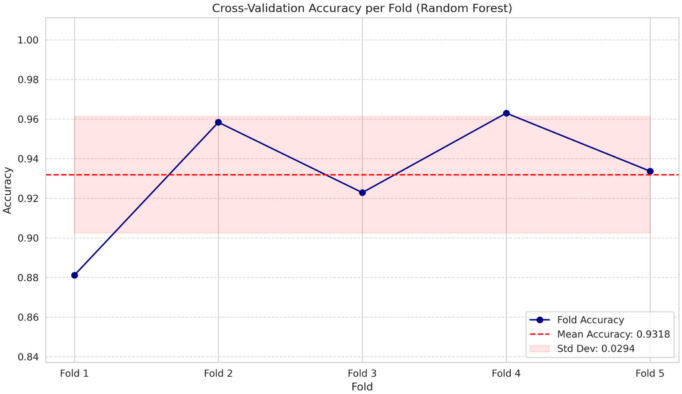 Figure 24
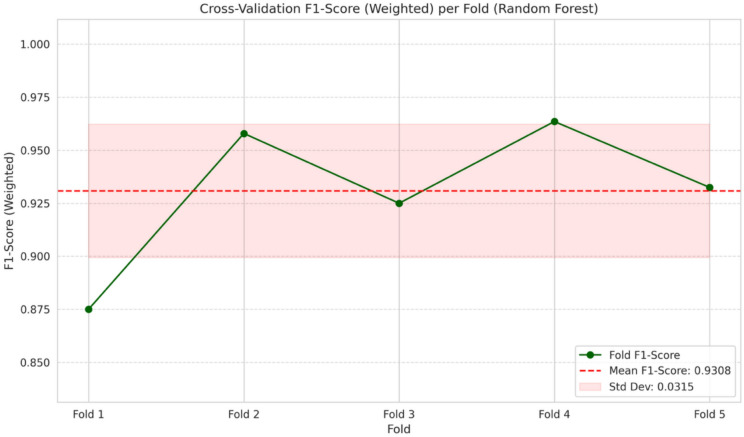 Figure 25
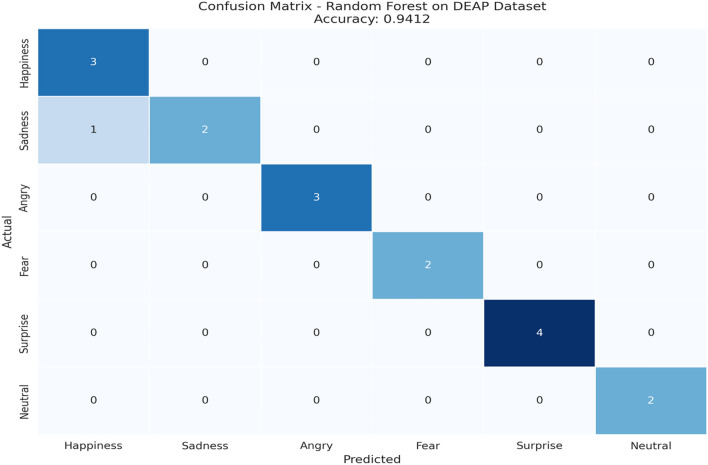 Figure 26
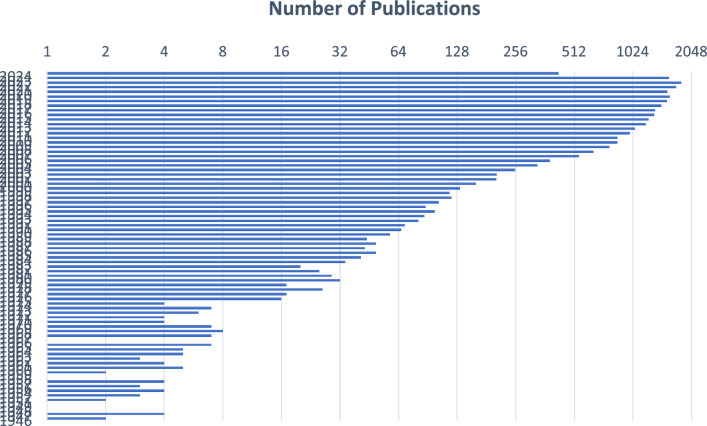 Figure 2
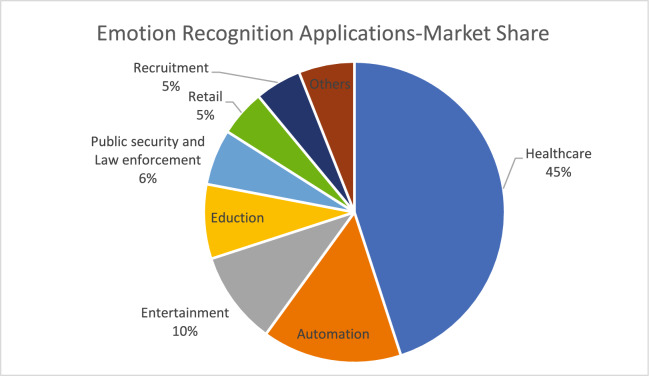 Figure 3
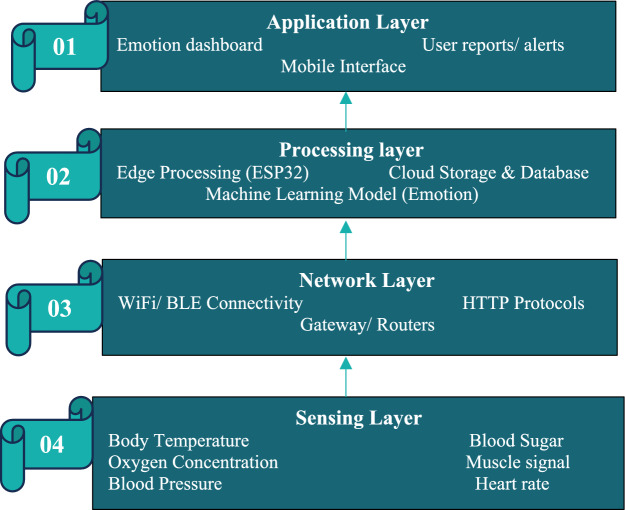 Figure 4
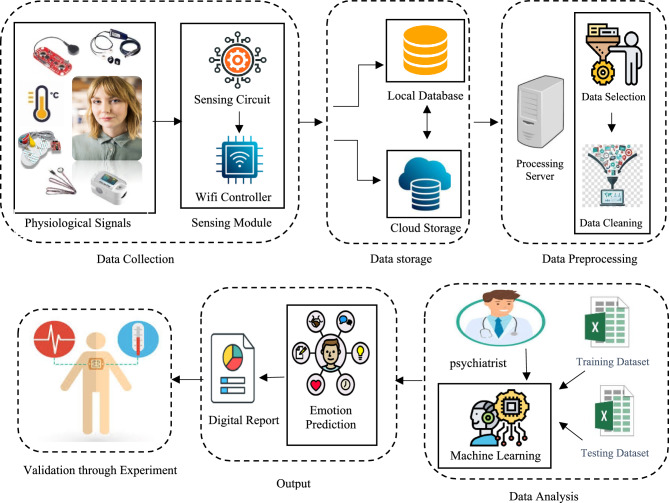 Figure 5
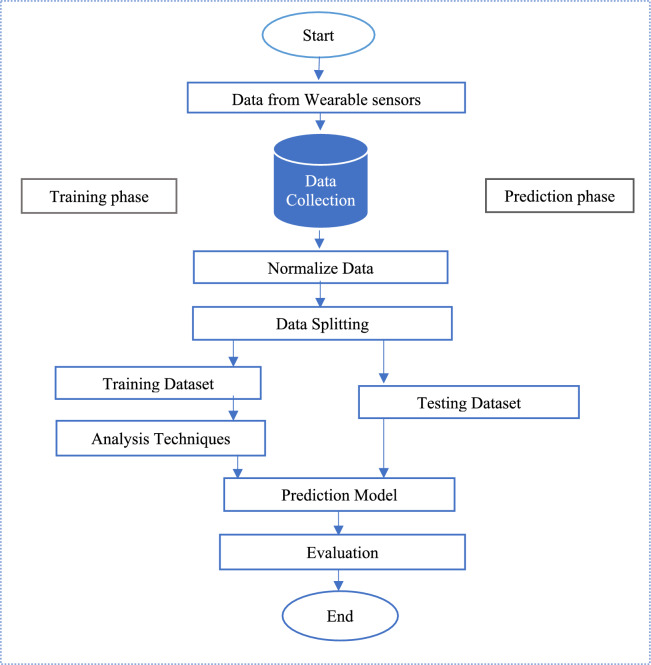 Figure 6
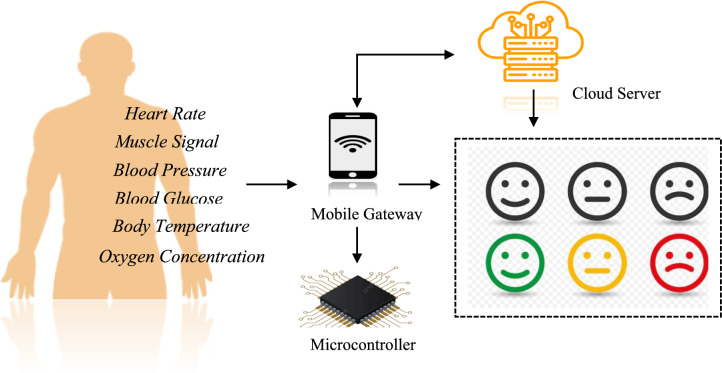 Figure 7
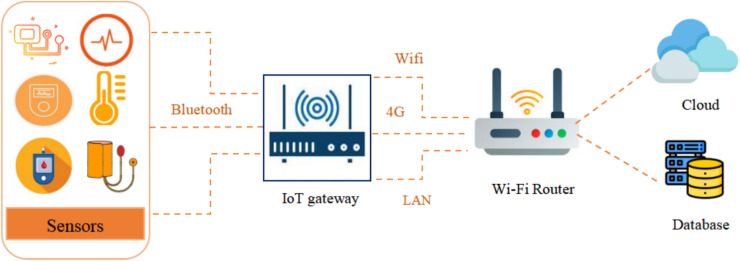 Figure 8
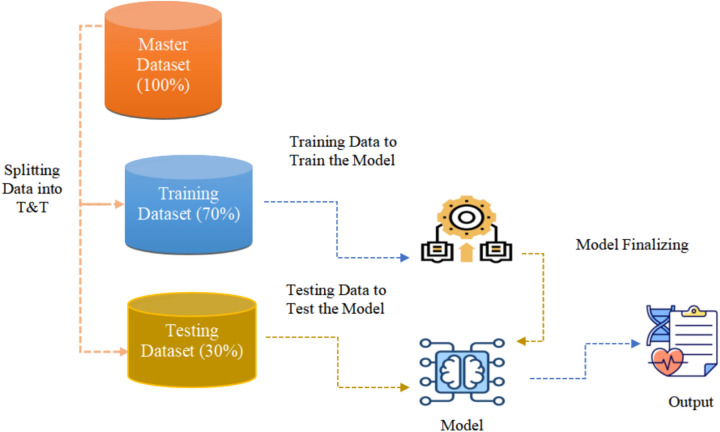 Figure 9
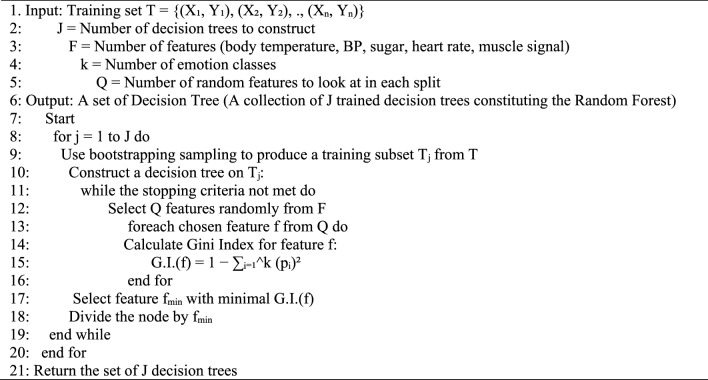 Figure 27
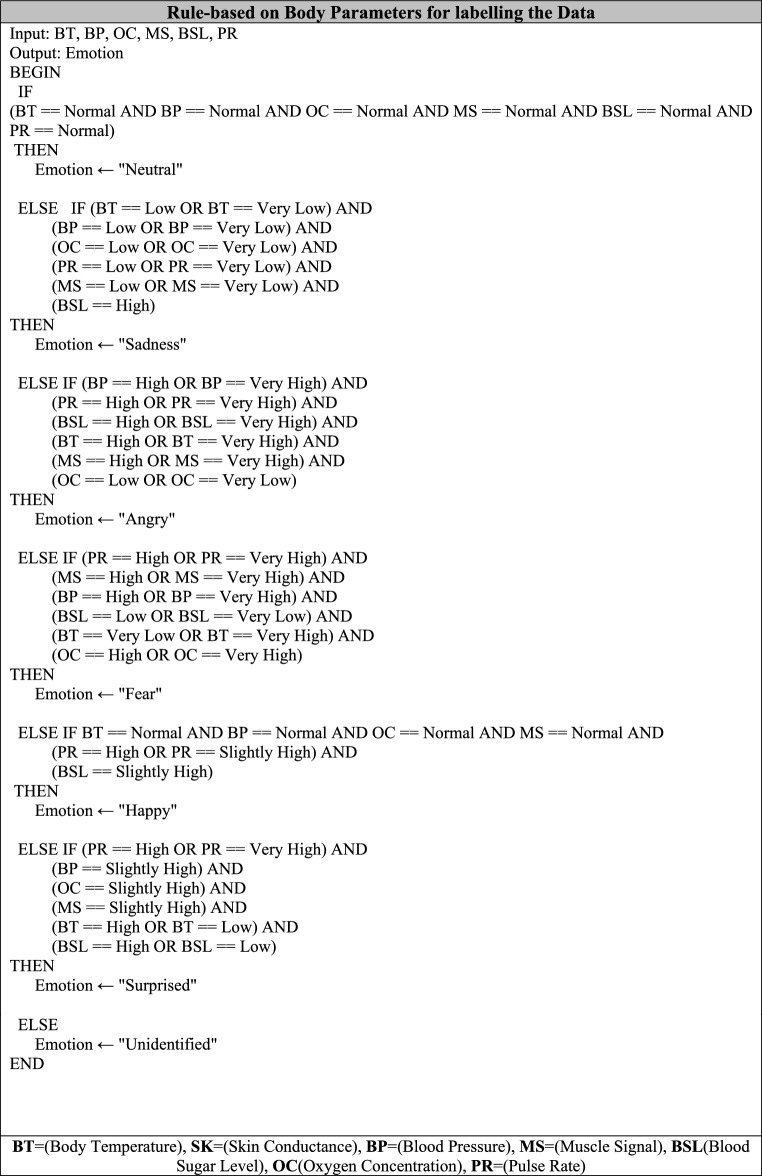 Figure 28
Peer Reviews
No public reviews on file for this paper yet. If you reviewed it on a platform where reviews are public (OpenReview, ICLR, NeurIPS, ICML), you can paste yours below so the community can read it here.
Videos
No videos yet. Explain this paper in a talk, walkthrough, or lecture? Add one.
Taxonomy
TopicsEmotion and Mood Recognition · Mental Health via Writing · Digital Mental Health Interventions