Direct evaluation of the electrocardiographic spatial QRS-T angle without the need for orthogonal transformation
Jan Řehoř, Katerina Hnatkova, David Pospíšil, Kateřina Helánová, Peter Smetana, Georg Schmidt, Irena Andršová, Marek Malik

TL;DR
This paper introduces a new method to calculate the QRS-T angle from ECG data without needing complex transformations, making it more accurate and efficient.
Contribution
The study demonstrates a direct computation method for the QRS-T angle that avoids orthogonal transformations and yields higher precision.
Findings
The direct method's results were closer to SVD-based results with differences below 1 degree.
The direct method showed significantly higher reproducibility and lower variability compared to traditional methods.
Abstract
Increased electrocardiogram (ECG) spatial QRS-T wave angle is a recognised risk factor. Standard evaluation of the angle requires deriving orthogonal ECG leads, either by general transformation matrices into XYZ leads or by singular value decomposition (SVD). This study shows that the transformation is not needed, and that the spatial QRS-T angle can be calculated directly from the original ECG leads. The direct computation was tested using long-term 12-lead ECGs of 523 healthy volunteers (259 females). A total of 659,313 individual 10-second ECG samples were obtained providing 7,350,733 individual beats which were analysed both by the direct method using 8 algebraically independent leads and by the conventional XYZ and SVD transformations. On average, the results of the direct non-transformation method were closer to the SVD-based results (averaged differences below 1 degree) than to…
Genes, proteins, chemicals, diseases, species, mutations and cell lines named across the full text — each resolved to its canonical identifier and authoritative record.
Click any figure to enlarge with its caption.
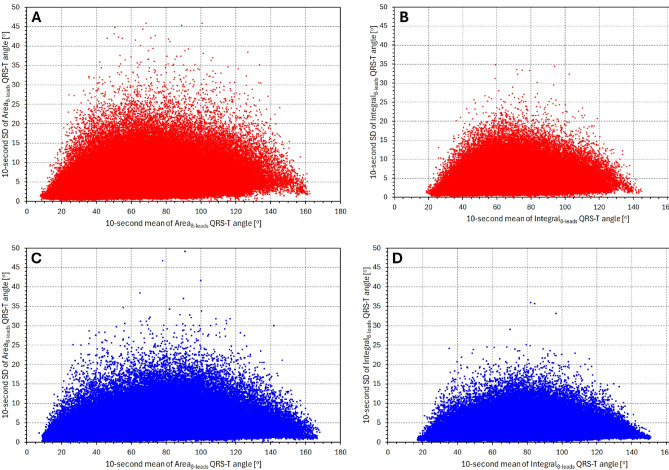 Figure 10
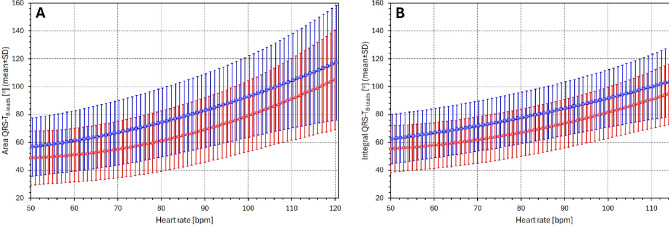 Figure 11
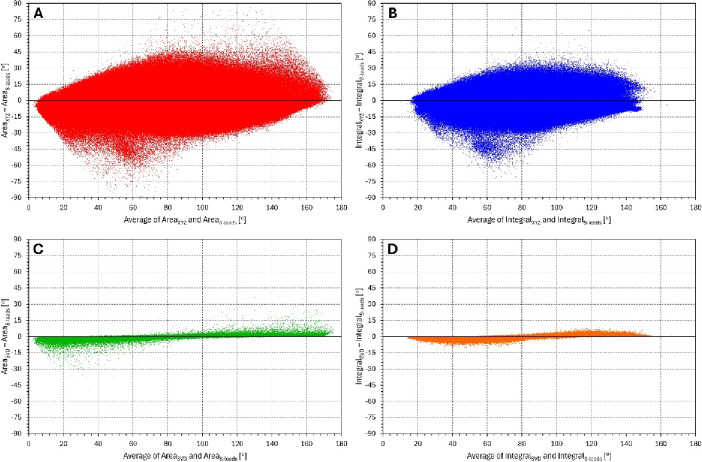 Figure 1
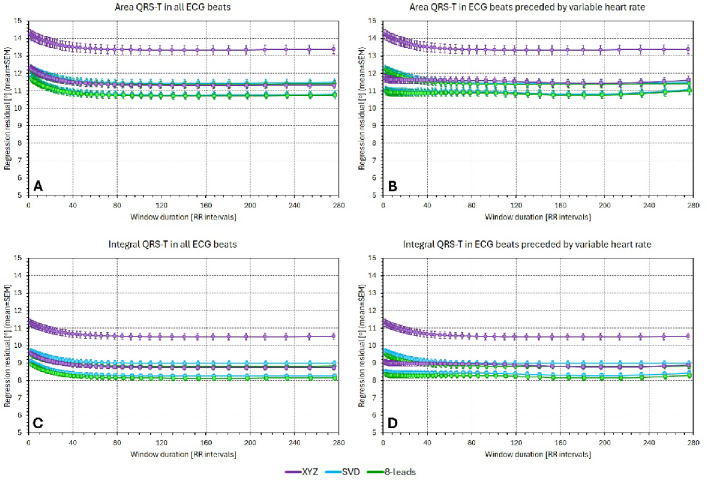 Figure 2
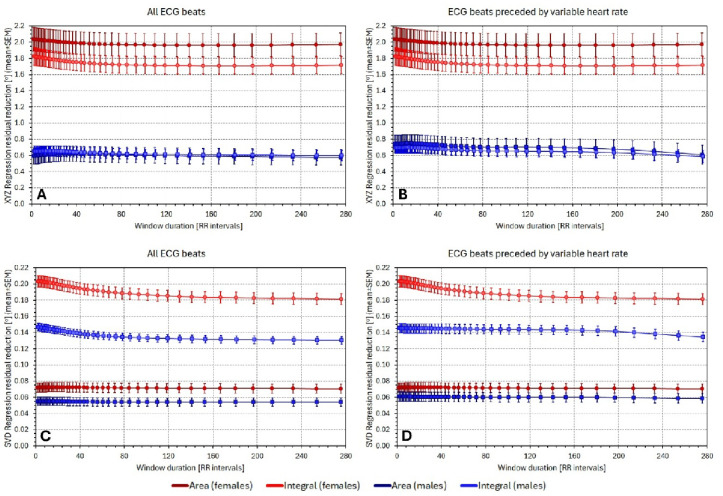 Figure 3
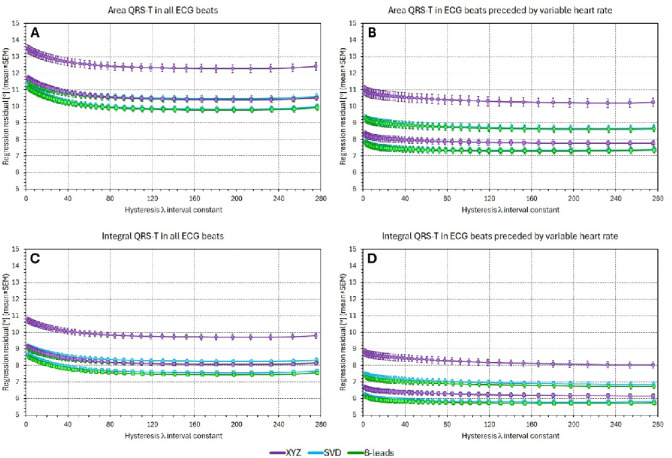 Figure 4
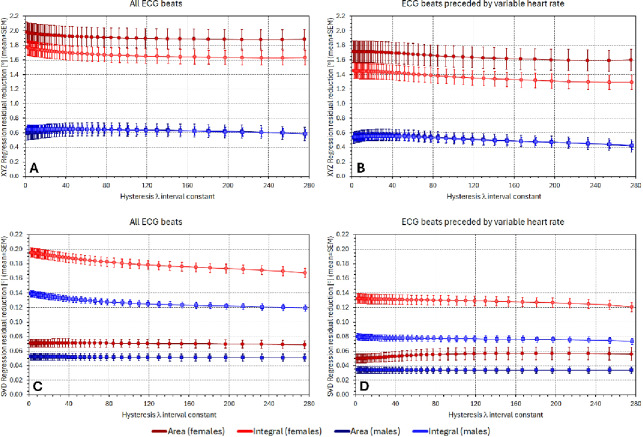 Figure 5
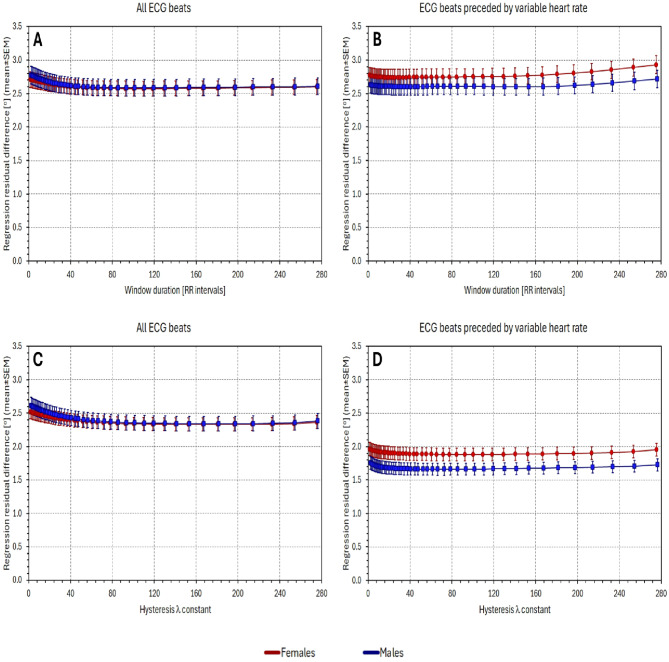 Figure 6
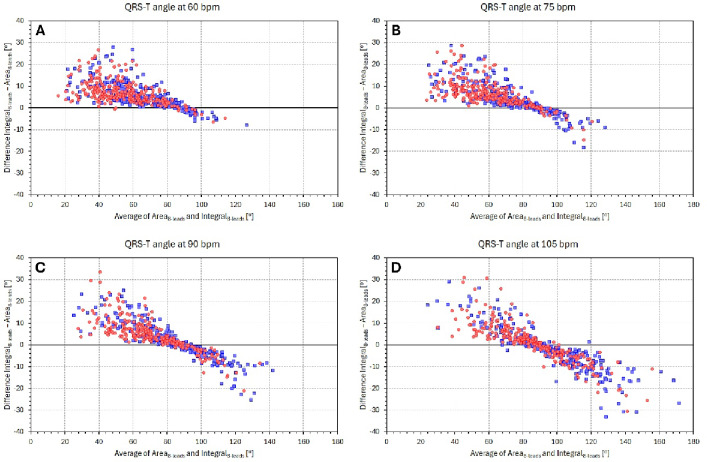 Figure 7
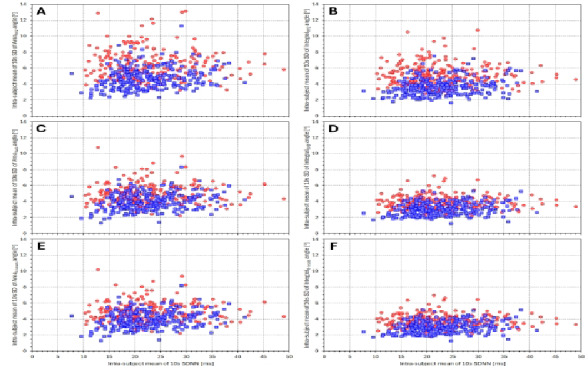 Figure 8
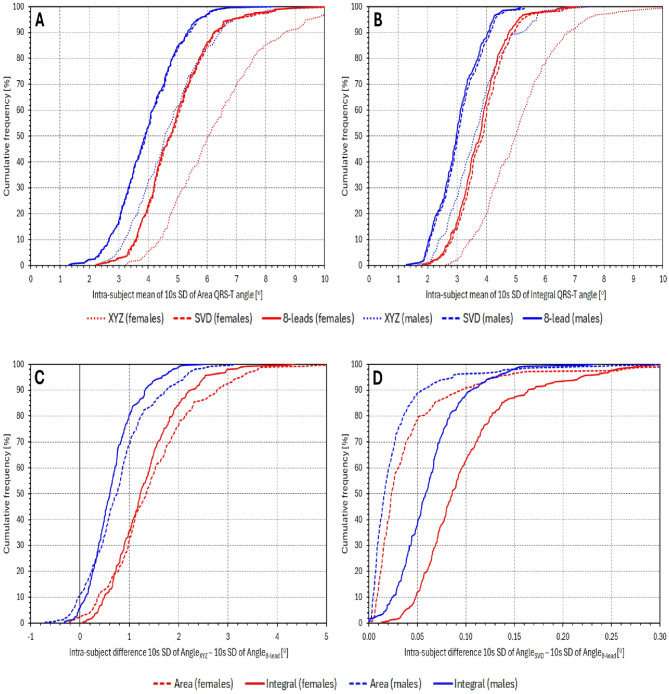 Figure 9
Peer Reviews
No public reviews on file for this paper yet. If you reviewed it on a platform where reviews are public (OpenReview, ICLR, NeurIPS, ICML), you can paste yours below so the community can read it here.
Videos
No videos yet. Explain this paper in a talk, walkthrough, or lecture? Add one.
Taxonomy
TopicsECG Monitoring and Analysis · Cardiac electrophysiology and arrhythmias · Heart Rate Variability and Autonomic Control